Chocolate

Other

Chocolate

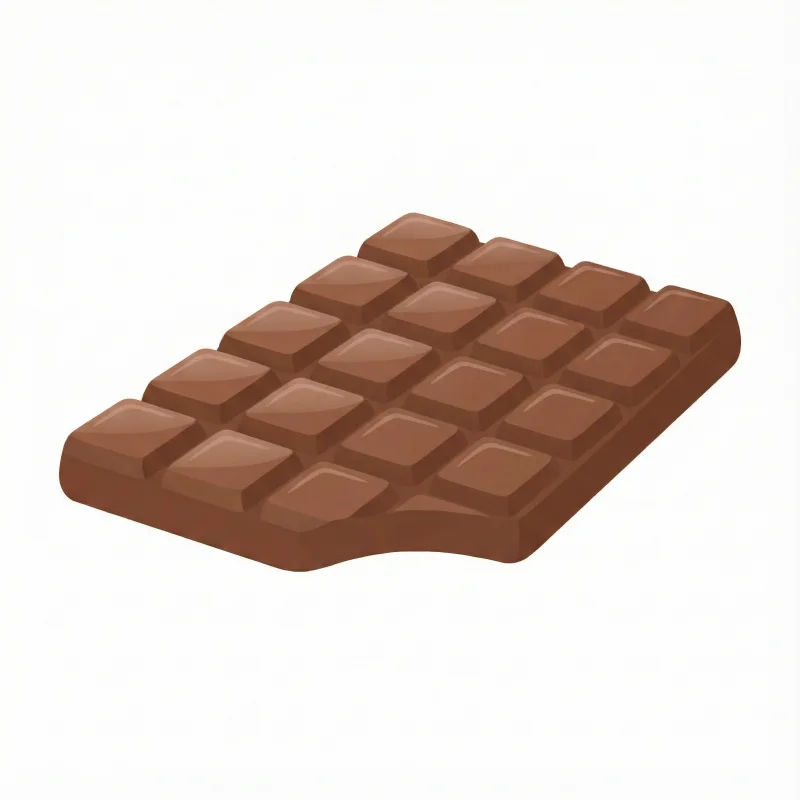
Chocolate is a special treat that can be introduced to babies after their first birthday. While it's not a nutritional staple, it contains B vitamins that support energy metabolism2 and minerals like magnesium, which is important for muscle and nerve function3. Keep in mind that chocolate is high in sugar and caffeine, so it's best offered in very small amounts as an occasional treat rather than a regular part of baby's diet.

PPippin Feeding TeamReviewed by feeding specialists · Updated January 2026
First age12m+
CategoryOther
Common allergenNo
Choking riskLow

When can babies eat Chocolate?

Wait until your baby is at least 12 months old before introducing chocolate. This delay helps avoid early exposure to caffeine and sugar, and ensures your baby's digestive system is more mature.

Storage tip

Store chocolate in a cool, dry place away from direct sunlight. An airtight container works well, and it typically lasts several months when stored properly.

How to serve Chocolate by age

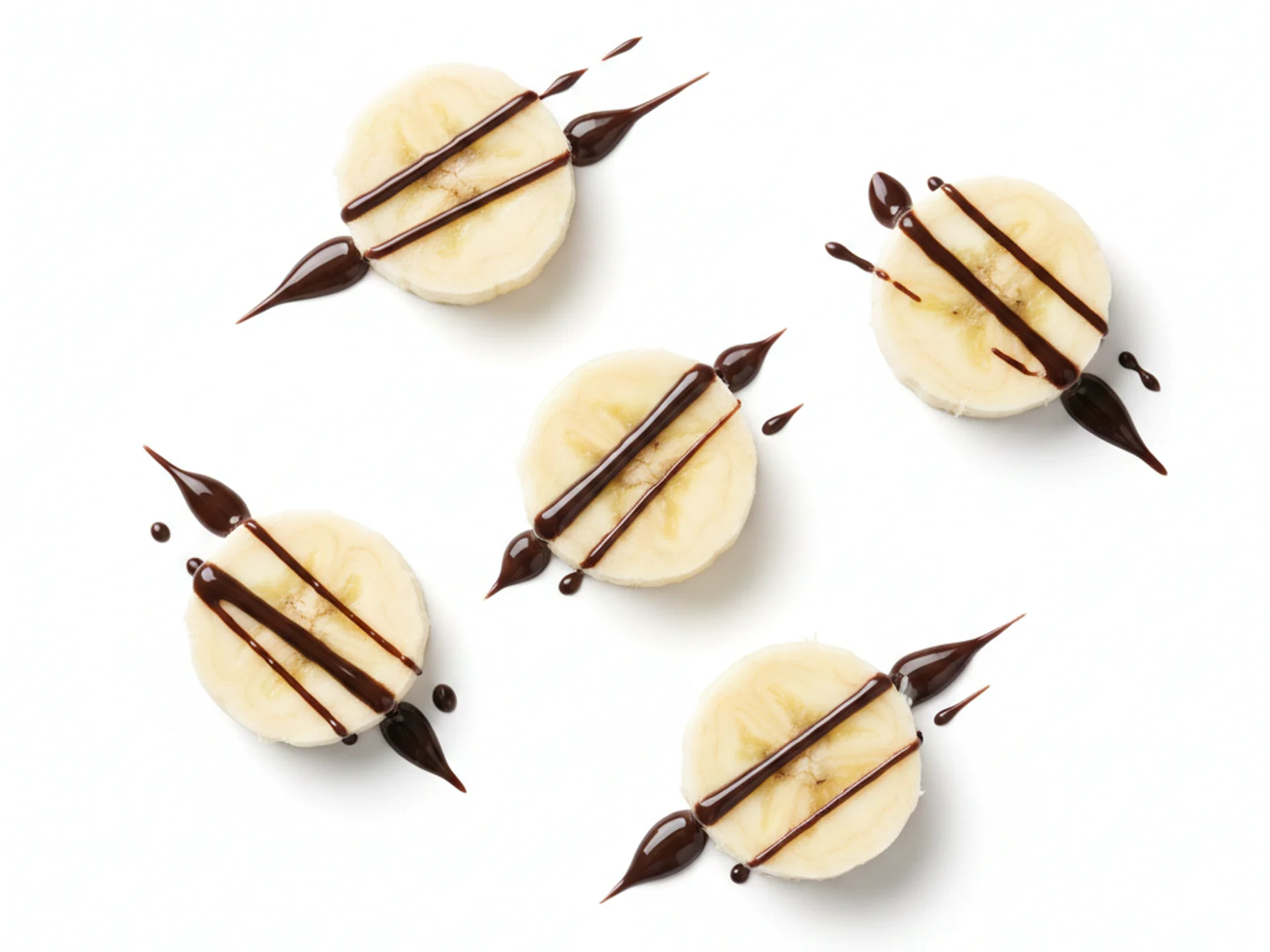
For babies 12-24 months, melt dark chocolate and drizzle it thinly over soft fruits like bananas or spread it lightly on toast strips. Alternatively, mix a small amount of unsweetened cocoa powder into yogurt or oatmeal to add flavor without hard chunks.12 to 24 months

For babies 12-24 months, melt dark chocolate and drizzle it thinly over soft fruits like bananas or spread it lightly on toast strips. Alternatively, mix a small amount of unsweetened cocoa powder into yogurt or oatmeal to add flavor without hard chunks.

  • Use dark chocolate with minimal added sugar and no nuts.
  • Melt chocolate slowly to avoid burning and let it cool slightly before serving.
  • Serve in small amounts to prevent overconsumption of sugar.
  • Combine with iron-rich foods to boost nutritional value.
  • Always supervise your baby while eating to monitor for choking.
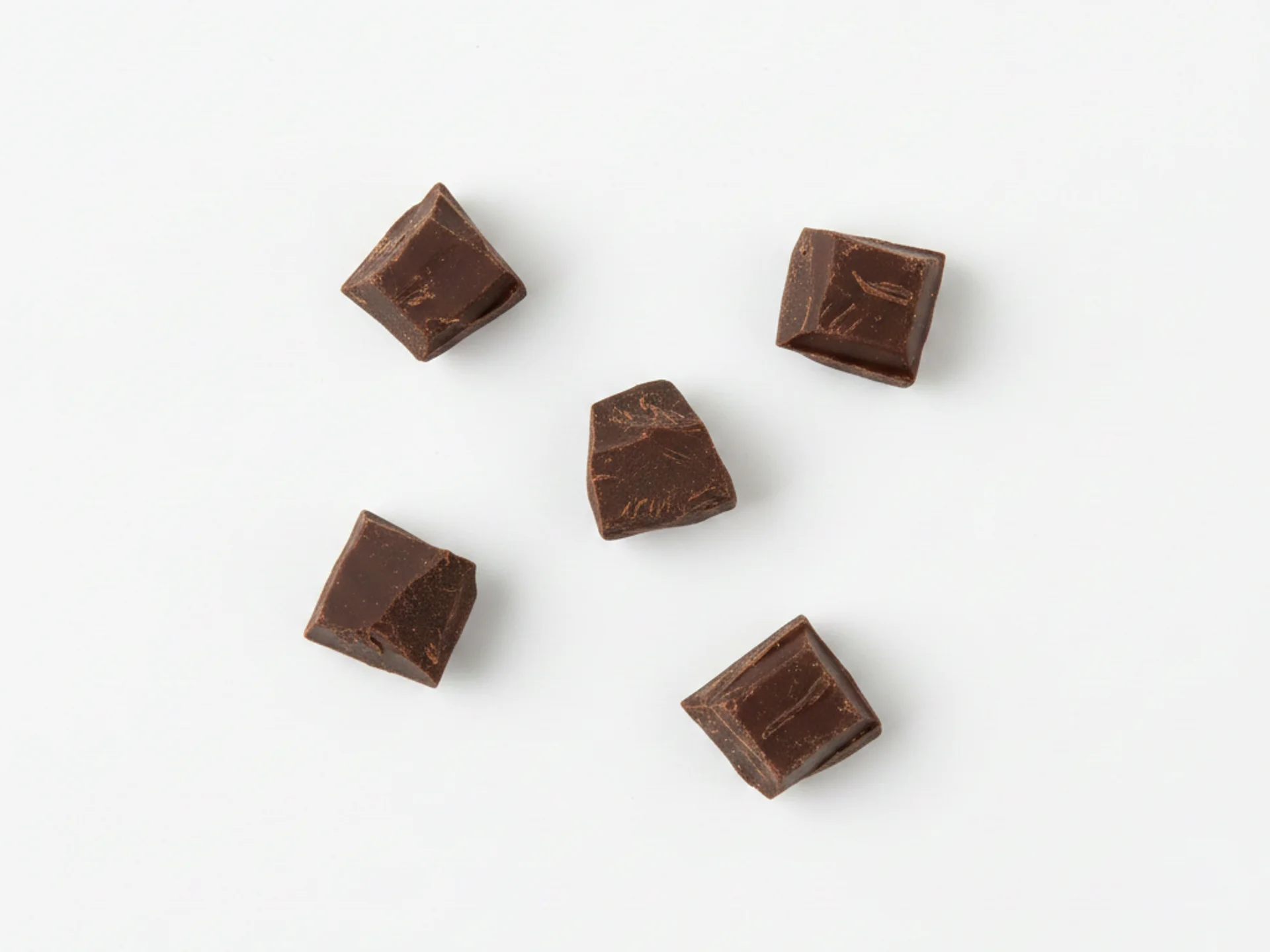
For toddlers 24 months and up, you can offer small pieces of dark chocolate (about pea-sized) as a treat, ensuring they're soft and melt easily. Continue to avoid chocolate with hard add-ins and limit portions to maintain a healthy diet.24 months +

For toddlers 24 months and up, you can offer small pieces of dark chocolate (about pea-sized) as a treat, ensuring they're soft and melt easily. Continue to avoid chocolate with hard add-ins and limit portions to maintain a healthy diet.

  • Choose chocolate bars that break into small, manageable pieces.
  • Encourage slow eating and drinking water alongside.
  • Use chocolate as an occasional reward rather than a daily snack.
  • Check labels for allergens like milk or soy if your child has known allergies.
  • Pair with fruits or whole grains to balance the meal.

Safety & allergens

Choking risk: Low

Chocolate melts easily in the mouth, making it a low choking risk when given in small, manageable pieces. However, always supervise your baby while eating and avoid giving large chunks or chocolate-covered nuts, which could pose a hazard. For younger babies, you can melt a tiny amount and mix it into foods like yogurt or oatmeal.

Not a common allergen

Chocolate is not a top allergen. As with any new food, offer it on its own and watch for any reaction.

Vitamins & minerals

Chocolate powder contains several B vitamins that help convert food into energy for your growing baby2. It's also rich in minerals like magnesium, which supports healthy muscle and nerve function3, and potassium, which is important for maintaining proper fluid balance4. The iron content (14.2 mg per 100g) contributes to healthy blood cells, though plant-based iron is less easily absorbed than iron from meat sources.

Vitamins
Vitamin B2Vitamin B3Vitamin B5Vitamin B6Vitamin B9
Minerals
IronMagnesiumPotassiumPhosphorusCopperManganese

Nutritional synergy

Pairing chocolate with vitamin C-rich foods like strawberries or oranges can help enhance iron absorption5. Mixing a small amount of chocolate powder into calcium-rich foods like yogurt also creates a tasty combination that provides multiple nutrients.

Common questions

How much chocolate can I give my baby?

For babies over 12 months, a tiny taste (like a quarter teaspoon of chocolate powder mixed into food) is plenty. Chocolate contains caffeine and sugar, so it's best as an occasional treat rather than a daily food. Always monitor your baby for any reactions.

What type of chocolate is best for babies?

Choose plain cocoa powder or dark chocolate with at least 70% cocoa content, as these have less sugar than milk chocolate. Avoid chocolate with added nuts, hard candies, or excessive sugar. You can mix a small amount into foods like oatmeal, yogurt, or banana puree.

What should I do if my baby has a reaction to chocolate?

While chocolate allergies are uncommon, watch for signs like hives, swelling, or digestive upset. If you notice any symptoms, stop offering chocolate and contact your pediatrician. Remember that reactions could be to other ingredients in chocolate products (like milk or nuts) rather than the cocoa itself.

Sources & references

  1. 1TBCA - Tabela Brasileira de Composição de Alimentos
  2. 2Moss CR, 2022
  3. 3Lönnerdal B, 1995
  4. 4Strohm D et al., 2017
  5. 5Lönnerdal B, 1997