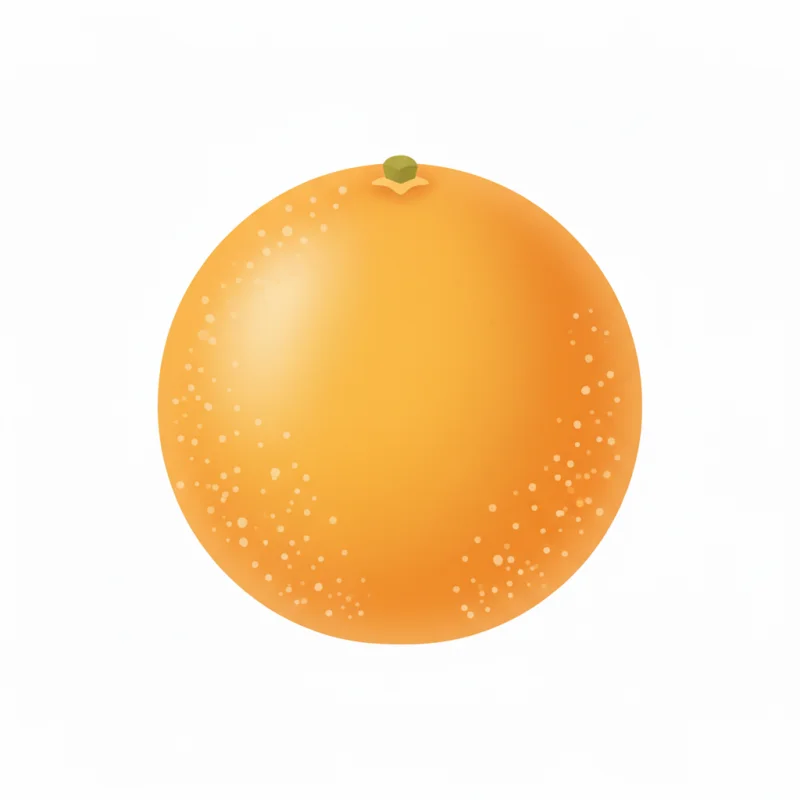
Granadilla

Fruit

Granadilla

Granadilla, also known as passion fruit, is a wonderful tropical fruit to introduce to your baby. Its sweet-tart flavor and jelly-like pulp make it appealing to little taste buds, while its nutritional profile supports healthy growth. It's packed with vitamins and minerals that are essential for your baby's development.1

PPippin Feeding TeamReviewed by feeding specialists · Updated July 2026
First age6m+
CategoryFruit
Common allergenNo
Choking riskLow

When can babies eat Granadilla?

You can introduce granadilla around 6 months when your baby starts solids, as it's easy to prepare into a smooth puree. It's a great early fruit because of its soft texture and mild acidity.

Storage tip

Store whole granadilla at room temperature until ripe, then refrigerate for up to a week. Once scooped, the pulp can be refrigerated for 2-3 days or frozen in ice cube trays for up to 2 months.

How to serve Granadilla by age

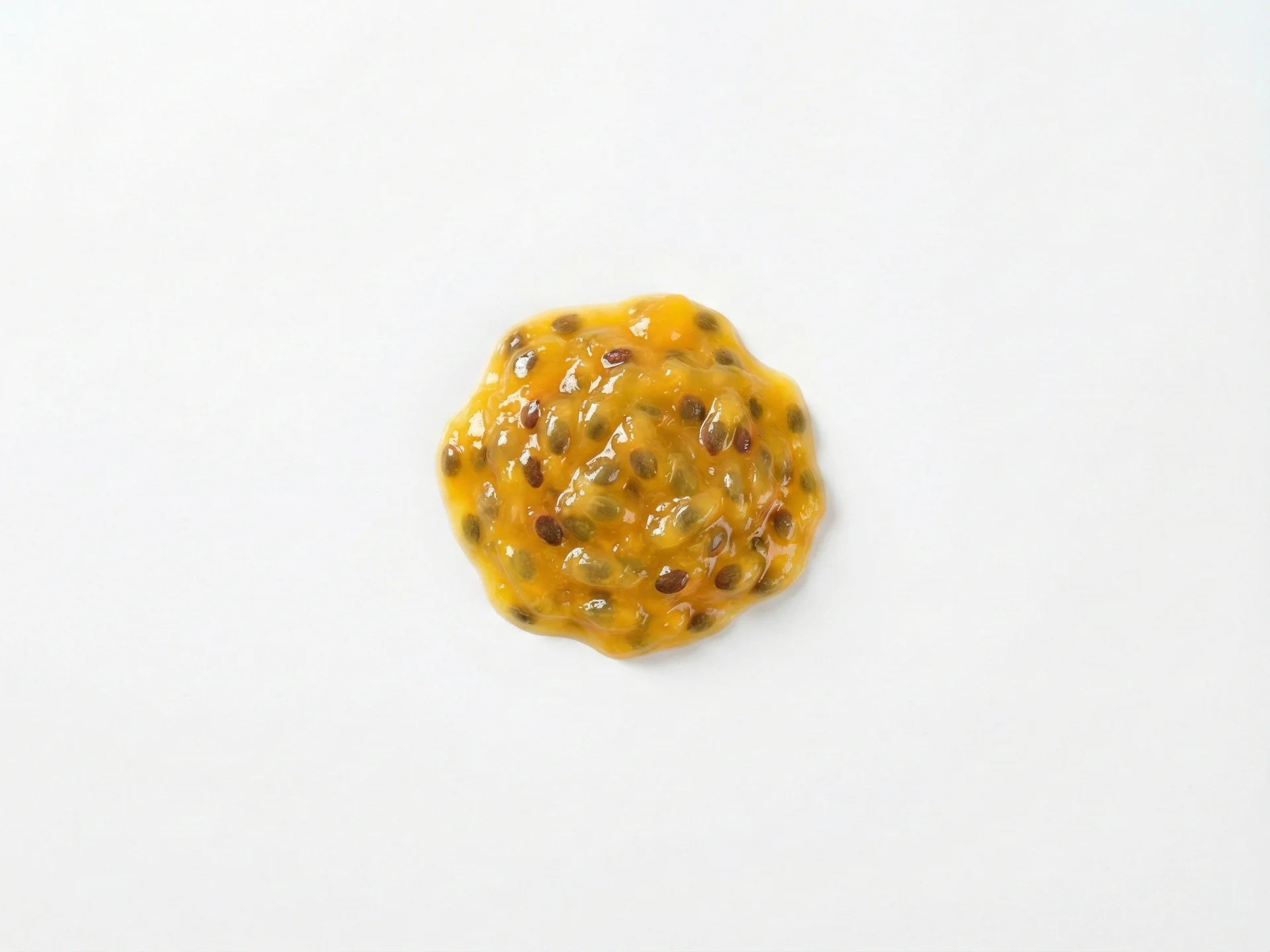
For babies 6-9 months, scoop out the pulp and seeds, then mash lightly with a fork to break up larger seed clusters. Serve on a pre-loaded spoon or let your baby dip their fingers in it. You can also spread a thin layer on toast strips or mix into oatmeal.6 to 9 months

For babies 6-9 months, scoop out the pulp and seeds, then mash lightly with a fork to break up larger seed clusters. Serve on a pre-loaded spoon or let your baby dip their fingers in it. You can also spread a thin layer on toast strips or mix into oatmeal.

  • Cut the fruit in half and scoop out pulp with a spoon
  • Mash gently to create a chunky puree texture
  • Serve on a silicone spoon for self-feeding
  • Mix with yogurt or avocado to balance acidity
  • Start with small amounts (1-2 teaspoons)
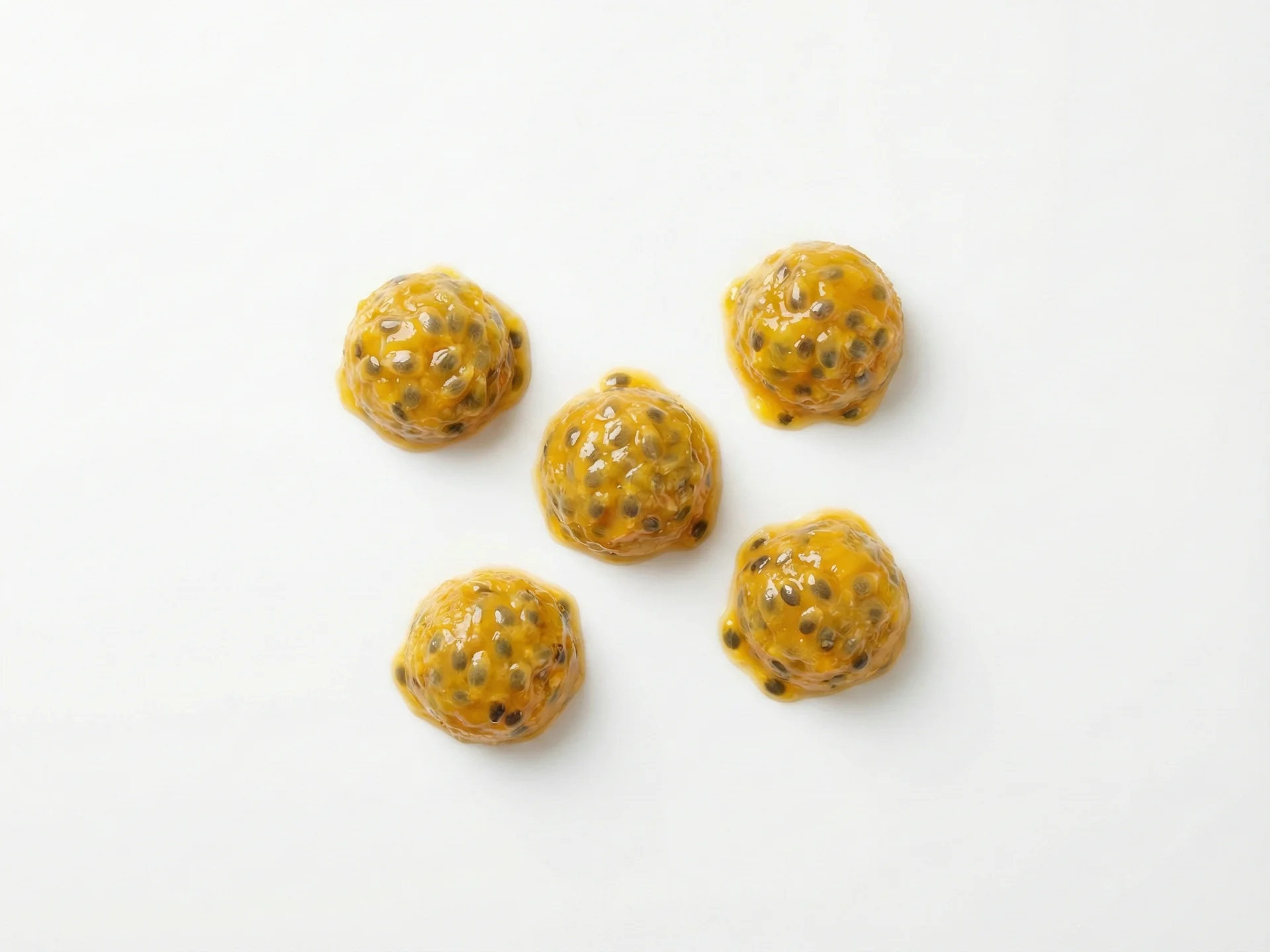
For babies 9 months and up, you can serve the pulp and seeds as is, letting your baby scoop it directly from the halved fruit shell. The seeds provide excellent chewing practice. You can also add granadilla pulp to smoothies, pancakes, or use as a topping for other foods.9 months +

For babies 9 months and up, you can serve the pulp and seeds as is, letting your baby scoop it directly from the halved fruit shell. The seeds provide excellent chewing practice. You can also add granadilla pulp to smoothies, pancakes, or use as a topping for other foods.

  • Serve in the halved fruit shell as a natural bowl
  • Mix into whole grain pancakes or muffins
  • Add to smoothies with banana and spinach
  • Use as a topping for cottage cheese or yogurt
  • Encourage using a spoon to scoop the pulp

Safety & allergens

Choking risk: Low

Granadilla has a soft, jelly-like pulp that's naturally low-risk when properly prepared. Always remove all seeds and the tough outer skin, and serve as a smooth puree for younger babies. For older babies, you can offer the pulp with seeds strained out.

Not a common allergen

Granadilla is not a top allergen. As with any new food, offer it on its own and watch for any reaction.

Vitamins & minerals

Granadilla provides vitamin C which supports your baby's immune system and helps with iron absorption.2 It also contains vitamin A for healthy vision and skin,3 and B vitamins that help convert food into energy.4 The potassium supports heart function and fluid balance.5

Vitamins
Vitamin AVitamin CVitamin B2Vitamin B3Vitamin B9
Minerals
IronPotassiumPhosphorusMagnesium

Nutritional synergy

Pair granadilla with iron-rich foods like fortified cereals or lentils to enhance iron absorption, thanks to its vitamin C content.2

Common questions

How do I know when granadilla is ripe?

Ripe granadilla will have a slightly wrinkled skin and feel heavy for its size. The skin color deepens as it ripens. Gently shake it – you should hear the seeds and pulp moving inside.

Should I remove the seeds before serving?

Yes, it's best to strain out the seeds for babies under 12 months as they can be a choking hazard. The seeds are edible but hard, so wait until your baby has good chewing skills before introducing them.

Can I mix granadilla with other foods?

Absolutely! Granadilla pairs beautifully with yogurt, oatmeal, or other fruits like banana and mango. Its tangy flavor can help balance sweeter foods and make them more appealing to your baby.

Sources & references

  1. 1USDA FoodData Central, 2024
  2. 2Lynch SR, Cook JD, 1980
  3. 3Sommer A, 2008
  4. 4Kennedy DO, 2016
  5. 5He FJ, MacGregor GA, 2008