Sage

Herb / Spice

Sage

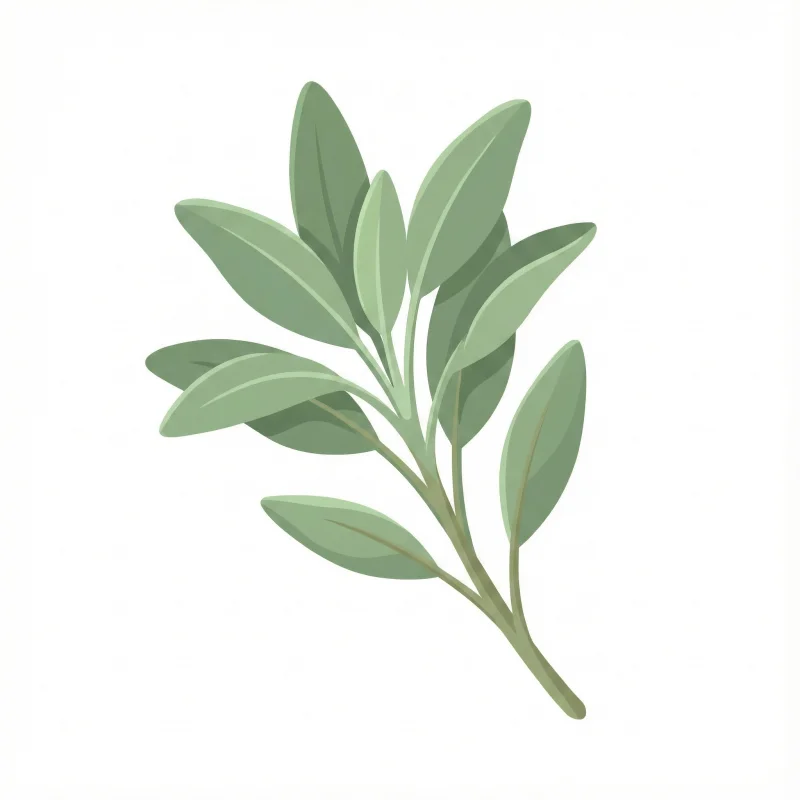
Sage is a fragrant herb that can add a lovely, earthy flavor to your baby's meals. While it's not a nutritional powerhouse like some vegetables, it contains small amounts of beneficial nutrients like vitamin K for healthy blood clotting1 and vitamin A for good vision2. Its aromatic quality can help introduce your baby to a wider range of flavors, which may encourage adventurous eating later on.

PPippin Feeding TeamReviewed by feeding specialists · Updated January 2026
First age6m+
CategoryHerb / Spice
Common allergenNo
Choking riskLow

When can babies eat Sage?

You can introduce sage around 6 months when starting solids, but because it's an herb, it's best used in small amounts to flavor other foods rather than served alone.

Storage tip

Store fresh sage in a plastic bag in the refrigerator for up to a week. Dried sage keeps for about a year in a cool, dark pantry.

How to serve Sage by age

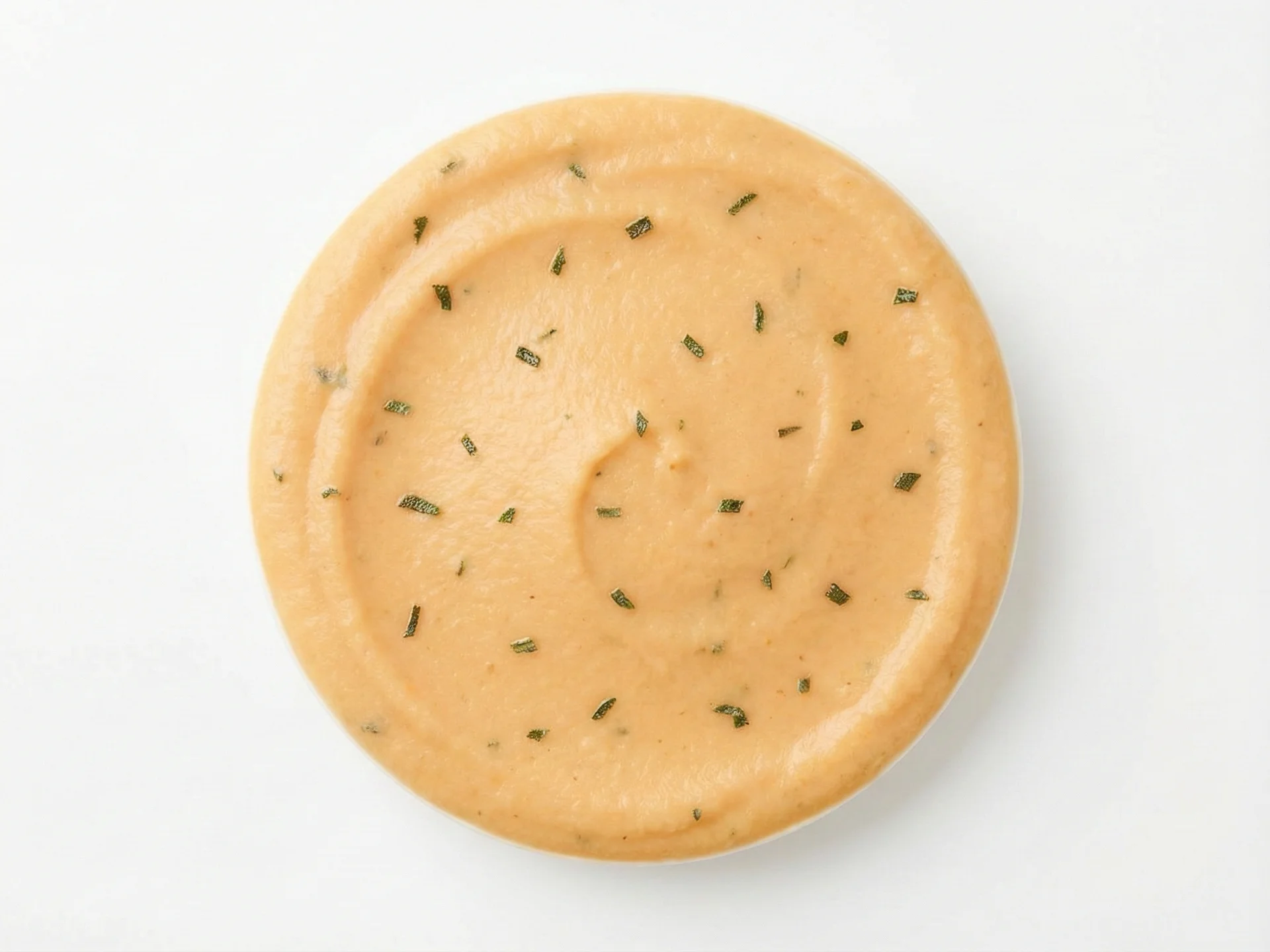
For babies 6-9 months, finely chop fresh sage leaves and mix them into soft, mashed foods like sweet potato puree or oatmeal. Ensure the sage is well-cooked and blended to a smooth consistency to prevent any texture issues.6 to 9 months

For babies 6-9 months, finely chop fresh sage leaves and mix them into soft, mashed foods like sweet potato puree or oatmeal. Ensure the sage is well-cooked and blended to a smooth consistency to prevent any texture issues.

  • Use a small pinch of chopped sage to start
  • Cook sage in a bit of olive oil to soften before mixing
  • Combine with mild foods like avocado or banana to balance flavor
  • Avoid dried sage as it can be too potent
  • Always test temperature before serving
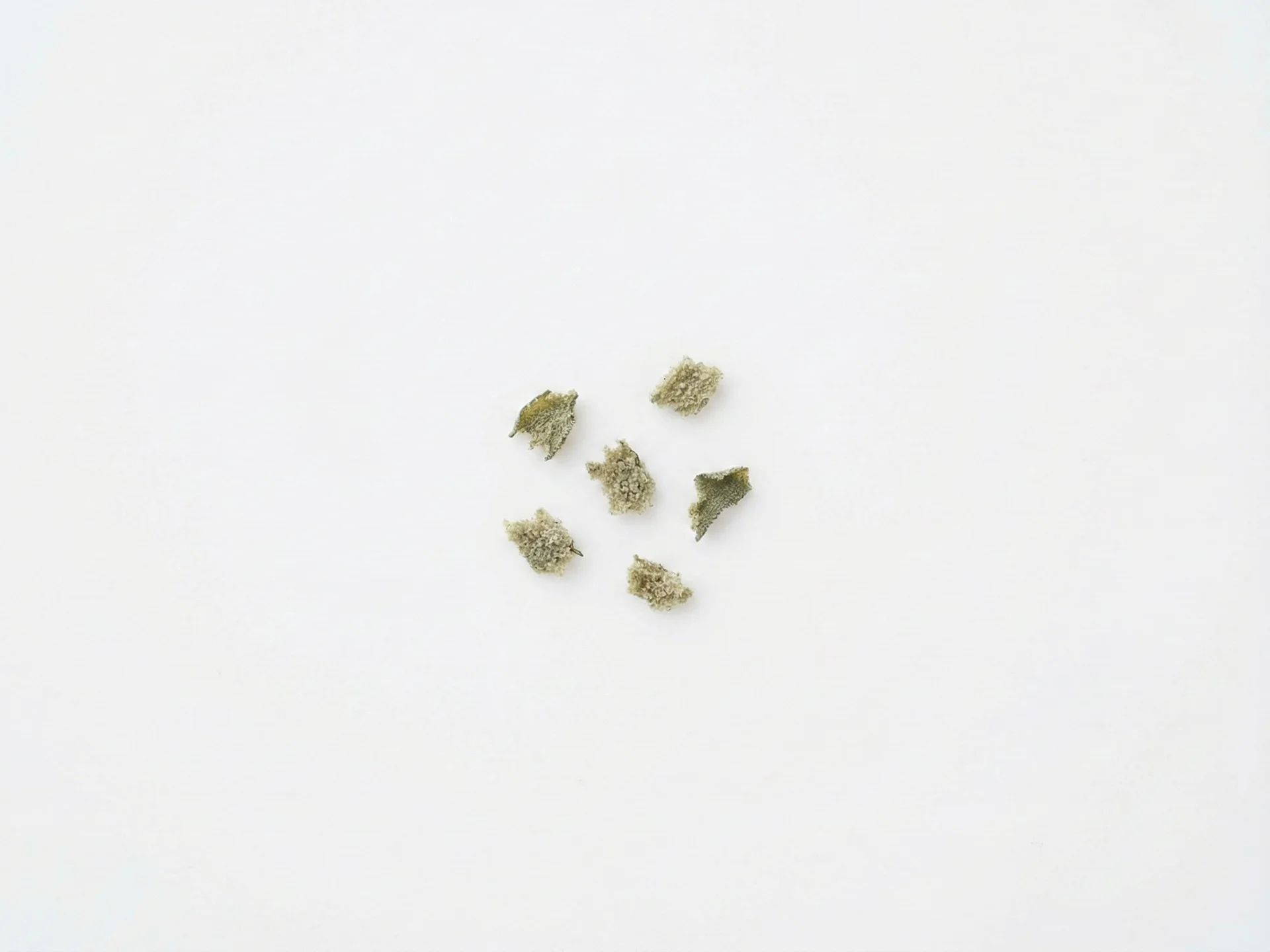
For babies 9 months and up, you can use slightly larger pieces of cooked sage in chunkier textures, such as in finger foods like soft vegetable patties or pasta sauces. Continue to chop it finely to ensure easy chewing and digestion.9 months +

For babies 9 months and up, you can use slightly larger pieces of cooked sage in chunkier textures, such as in finger foods like soft vegetable patties or pasta sauces. Continue to chop it finely to ensure easy chewing and digestion.

  • Incorporate sage into homemade meatballs or veggie burgers
  • Add to scrambled eggs or tofu for a flavorful twist
  • Use in small amounts in soups or stews
  • Monitor for any signs of dislike due to strong flavor
  • Pair with familiar foods to encourage trying new tastes

Safety & allergens

Choking risk: Low

Sage leaves are small and soft when cooked, posing minimal choking risk. For babies under 9 months, always finely chop or puree sage into foods. Avoid giving whole dried sage leaves, as they can be a bit tough.

Not a common allergen

Sage is not a top allergen. As with any new food, offer it on its own and watch for any reaction.

Vitamins & minerals

Sage provides small amounts of several nutrients. It contains vitamin K, which supports healthy blood clotting1, and vitamin A, important for vision and immune function2. The iron in sage is a non-heme type, which is less easily absorbed than iron from meat, but pairing it with vitamin C-rich foods can help boost absorption3.

Vitamins
Vitamin KVitamin AVitamin CVitamin B6Vitamin E
Minerals
IronCalciumMagnesiumManganesePotassium

Nutritional synergy

Pair sage with vitamin C-rich foods like sweet potatoes or tomatoes to enhance iron absorption3, making it a great addition to mixed dishes.

Common questions

How much sage should I give my baby?

Since sage is an herb, use it sparingly—just a pinch of dried or a few fresh leaves finely chopped and mixed into a larger portion of food. It's meant to add flavor, not be a main ingredient.

Can I use dried sage instead of fresh?

Yes, dried sage works well and is convenient. Use about one-third the amount of dried sage compared to fresh, as dried herbs are more concentrated in flavor.

What if my baby doesn't like the taste?

It's normal for babies to be unsure about strong flavors at first. Try mixing a tiny amount into familiar foods like mashed potatoes or oatmeal. If they reject it, simply try again in a few days—it can take multiple exposures for babies to accept new tastes.

Sources & references

  1. 1National Institutes of Health, 2021
  2. 2National Institutes of Health, 2023
  3. 3Lynch et al., 2018