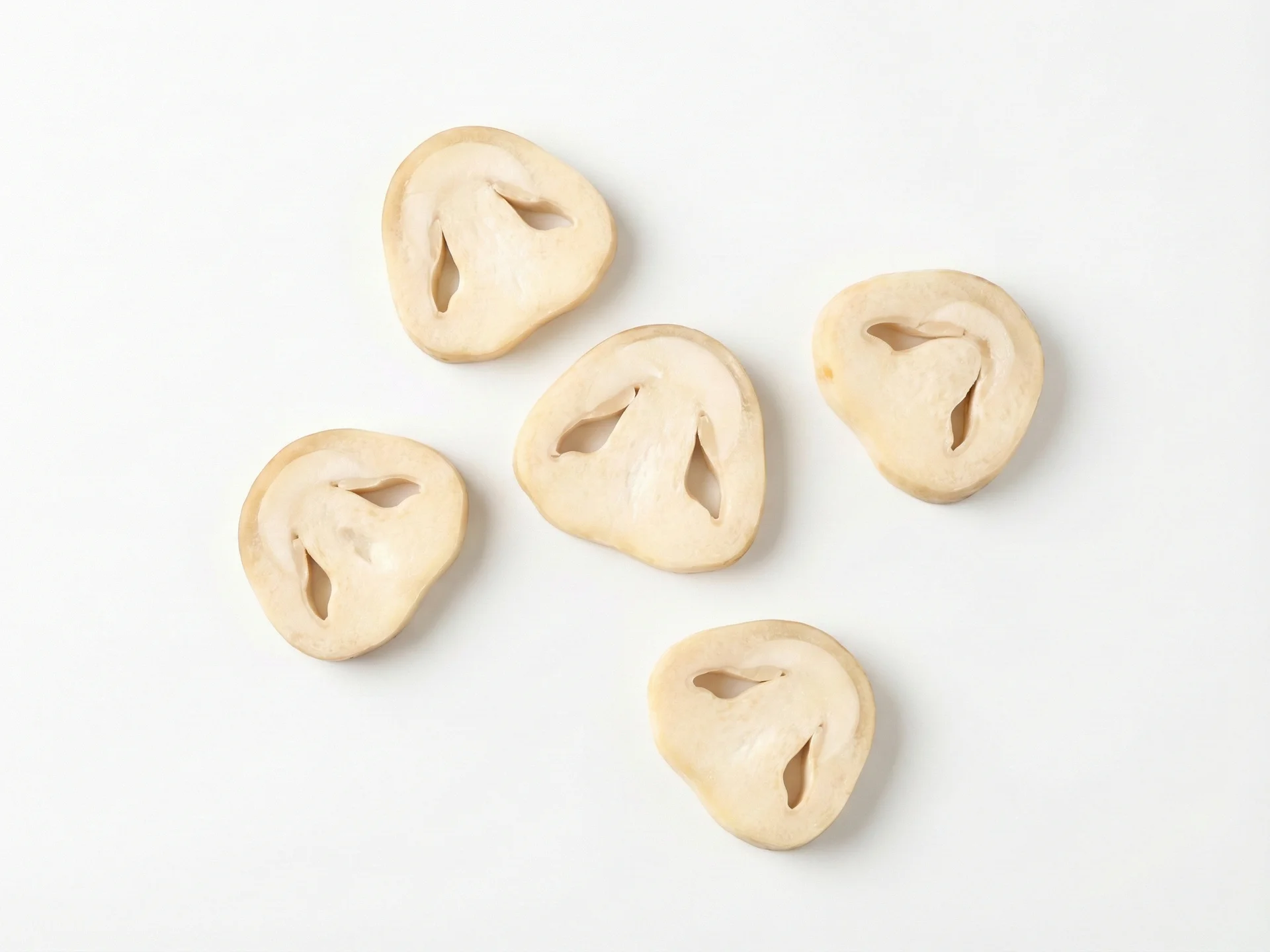
Straw mushrooms

Vegetable

Straw mushrooms

Straw mushrooms are a mild, tender mushroom that can be a fun and nutritious addition to your baby's diet. They have a soft texture when cooked and a subtle flavor that many babies enjoy. These mushrooms are packed with B vitamins that support energy metabolism and nervous system development1, and they're a good source of iron which is crucial for healthy blood cells2.

PPippin Feeding TeamReviewed by feeding specialists · Updated July 2026
First age6m+
CategoryVegetable
Common allergenNo
Choking riskMedium

When can babies eat Straw mushrooms?

You can introduce cooked straw mushrooms around 6 months when your baby starts solids, as long as they're prepared safely to minimize choking risk.

Storage tip

Store fresh straw mushrooms in a paper bag in the refrigerator for up to 5 days. Cooked mushrooms can be refrigerated for 3-4 days or frozen for up to 2 months.

How to serve Straw mushrooms by age

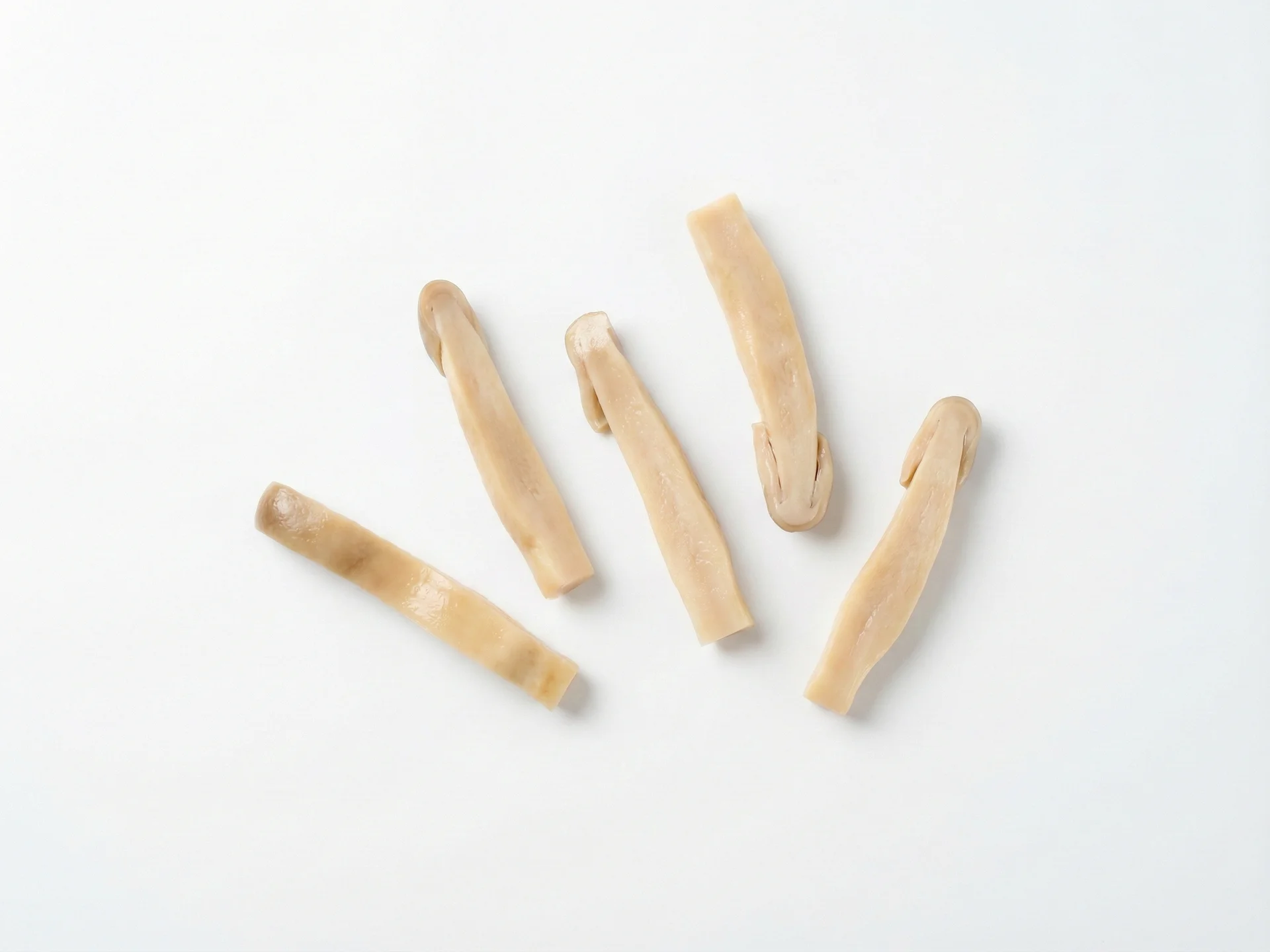
For babies 6-9 months, cook straw mushrooms until very soft and tender. Cut them into long, finger-sized strips that are easy for your baby to grasp. You can steam or sauté them with a little olive oil to enhance flavor and nutrient absorption.6 to 9 months

For babies 6-9 months, cook straw mushrooms until very soft and tender. Cut them into long, finger-sized strips that are easy for your baby to grasp. You can steam or sauté them with a little olive oil to enhance flavor and nutrient absorption.

  • Steam for 8-10 minutes until completely tender
  • Cut into strips about the size of an adult pinky finger
  • Serve plain or lightly seasoned with herbs
  • Always test tenderness by squishing between your fingers
  • Offer 2-3 pieces at a time to prevent overwhelming your baby
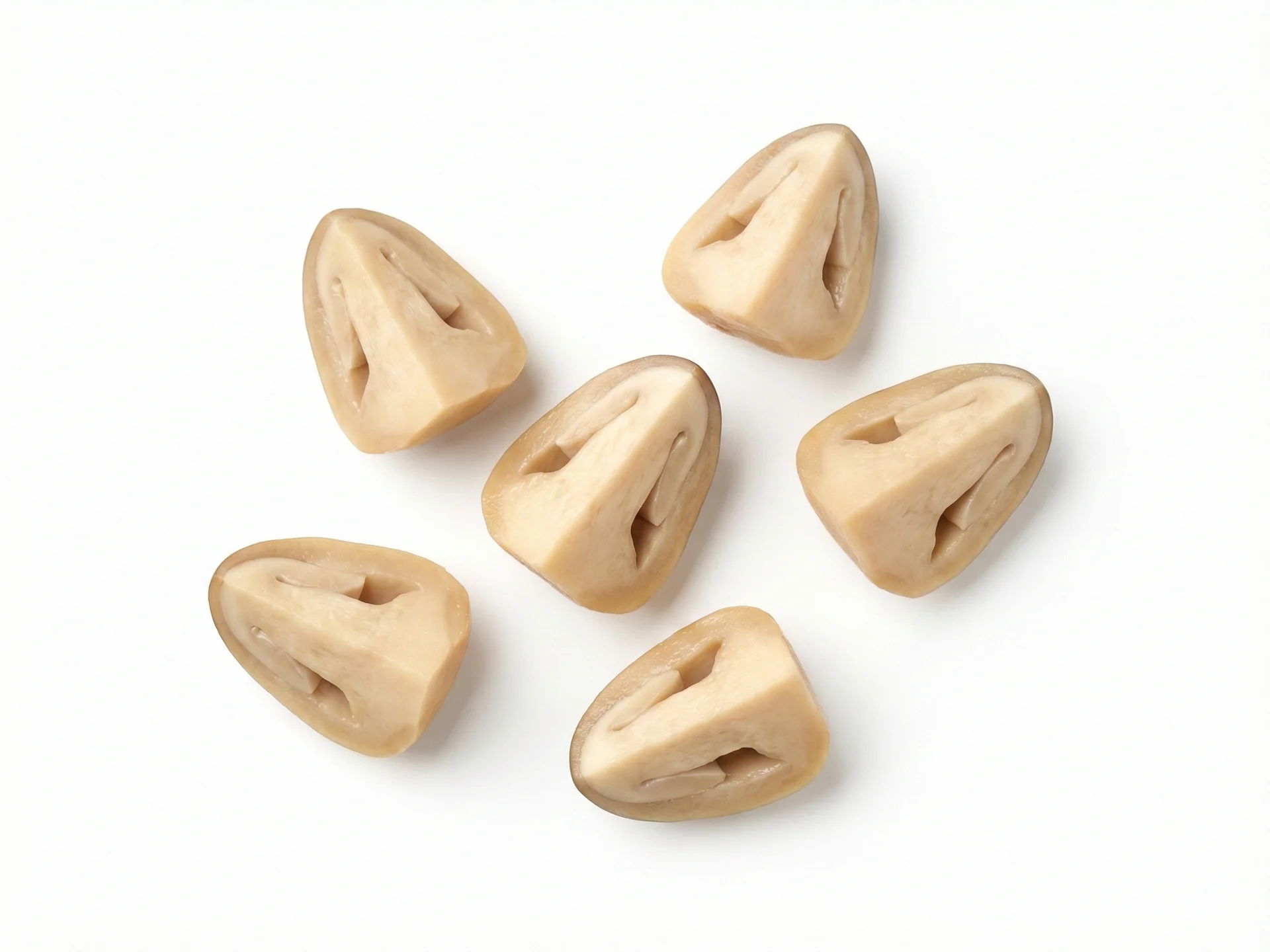
For babies 9-12 months, you can offer slightly firmer textures to encourage chewing development. Cut cooked straw mushrooms into bite-sized pieces or quarters. They can now be incorporated into mixed dishes like scrambled eggs, pasta, or rice bowls.9 to 12 months

For babies 9-12 months, you can offer slightly firmer textures to encourage chewing development. Cut cooked straw mushrooms into bite-sized pieces or quarters. They can now be incorporated into mixed dishes like scrambled eggs, pasta, or rice bowls.

  • Sauté until soft but with a bit more texture
  • Cut into small, bite-sized pieces your baby can pick up
  • Mix with other soft foods like mashed potatoes or quinoa
  • Introduce mild seasonings like garlic powder or parsley
  • Offer alongside other finger foods for variety
For toddlers 12 months and older, straw mushrooms can be prepared more like family meals. They can be sliced and added to stir-fries, soups, or casseroles. At this stage, your child can handle more complex textures and flavors.12 months +

For toddlers 12 months and older, straw mushrooms can be prepared more like family meals. They can be sliced and added to stir-fries, soups, or casseroles. At this stage, your child can handle more complex textures and flavors.

  • Slice and add to family meals like stir-fries or pasta sauces
  • Include in soups or stews for added nutrition
  • Experiment with different cooking methods like roasting
  • Combine with a variety of vegetables and proteins
  • Continue to ensure pieces are manageable for self-feeding

Safety & allergens

Choking risk: Medium

Whole or large pieces of mushrooms can be a choking hazard for babies. Always cook straw mushrooms until very soft and cut them into age-appropriate sizes. For younger babies, puree or mash thoroughly. As your baby develops chewing skills, you can offer small, soft pieces.

Not a common allergen

Straw mushrooms is not a top allergen. As with any new food, offer it on its own and watch for any reaction.

Vitamins & minerals

Straw mushrooms provide B vitamins that help convert food into energy and support brain development1. They contain iron which is essential for carrying oxygen in the blood2, and copper that aids in iron absorption and immune function3. The potassium in mushrooms helps maintain healthy fluid balance and nerve function4.

Vitamins
Vitamin B2Vitamin B3Vitamin B5Vitamin B6Vitamin B9Vitamin D
Minerals
IronCopperPotassiumPhosphorusSelenium

Nutritional synergy

Pair straw mushrooms with vitamin C-rich foods like bell peppers or tomatoes to enhance iron absorption5. The copper in mushrooms also helps your baby's body utilize iron more effectively3.

Common questions

How should I cook straw mushrooms for my baby?

Always cook straw mushrooms thoroughly until they're very soft - steaming, boiling, or sautéing works well. Raw mushrooms are difficult for babies to digest and can be a choking hazard. Cooked mushrooms should be tender enough to mash easily with a fork.

What if my baby doesn't like the texture of mushrooms?

Many babies need time to adjust to new textures. Try mixing pureed mushrooms with familiar foods like sweet potato or oatmeal. You can also finely chop cooked mushrooms and mix them into sauces or soups where the texture is less noticeable.

Are canned straw mushrooms safe for babies?

Fresh or frozen straw mushrooms are preferable, but if using canned, choose low-sodium varieties and rinse them thoroughly to remove excess salt. Canned mushrooms should still be cooked until soft before serving to your baby.

Sources & references

  1. 1Kennedy D.O., 2016
  2. 2Domellöf M. et al., 2014
  3. 3Prohaska J.R., 2011
  4. 4Stone M.S. et al., 2016
  5. 5Teucher B. et al., 2004