
FoodsProteinDeli meat
Deli meat

Protein

Deli meat

Deli meat can be a convenient source of protein for your little one, offering a savory flavor that many babies enjoy. It provides important nutrients like iron, which is crucial for healthy brain development and preventing anemia in infants.[1] The B vitamins in deli meat help support your baby's energy metabolism and nervous system function.[2]

12m+Not a common allergenChoking risk: Medium
First age12m+
CategoryProtein
Common allergenNo
Choking riskMedium

When can babies eat Deli meat?

Most pediatricians recommend waiting until around 12 months to introduce deli meats due to sodium content and food safety considerations. Always choose low-sodium options when available.

How to serve Deli meat by age

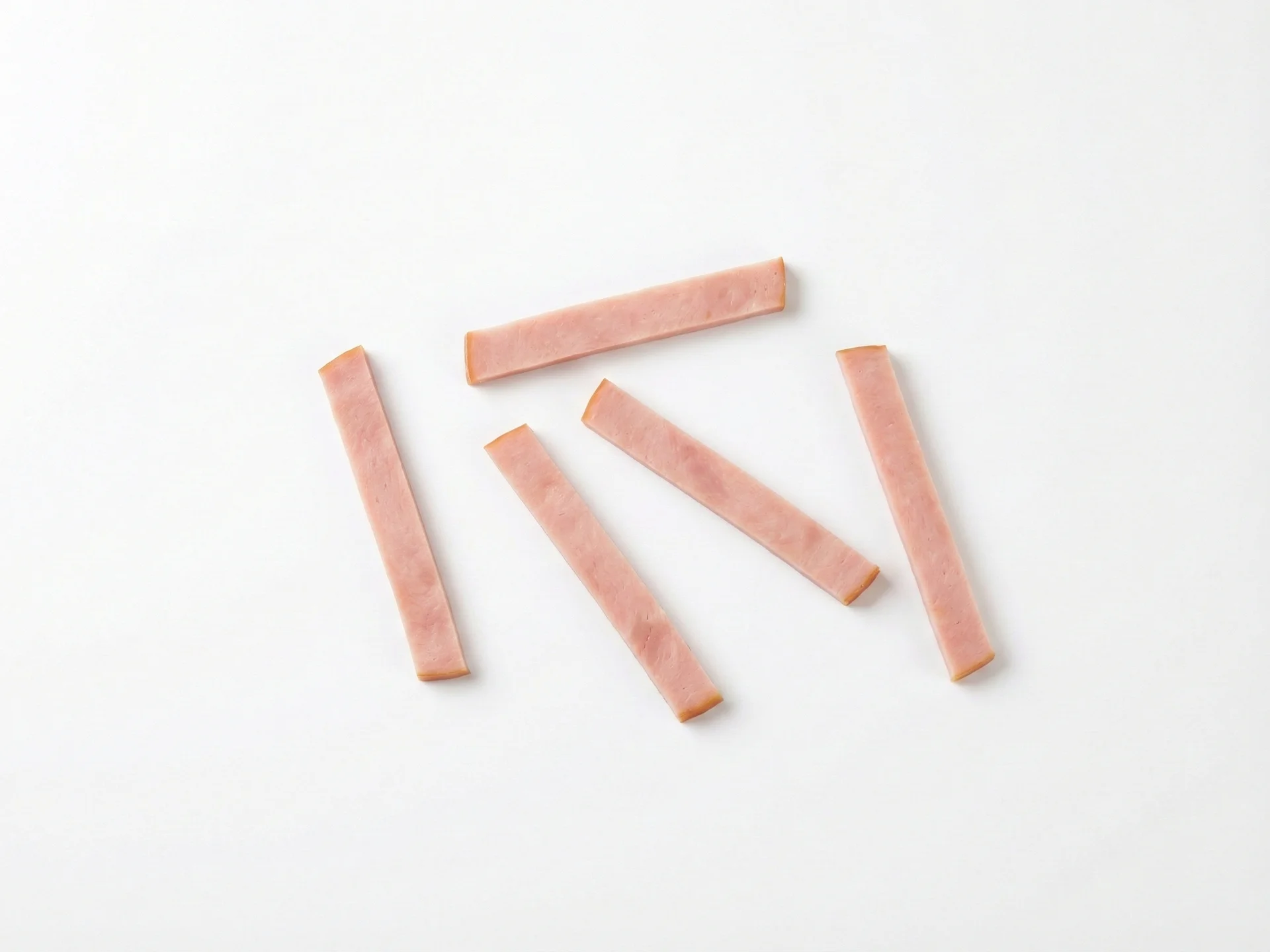
For babies 12-18 months, cut deli meat into thin, finger-sized strips about the length of your pinky finger. This shape allows your baby to grasp it easily while reducing choking risk. Ensure it's tender and free of skin or tough parts, and consider lightly warming it to soften the texture.
12 to 18 months

For babies 12-18 months, cut deli meat into thin, finger-sized strips about the length of your pinky finger. This shape allows your baby to grasp it easily while reducing choking risk. Ensure it's tender and free of skin or tough parts, and consider lightly warming it to soften the texture.

  • Choose low-sodium turkey or chicken breast for a healthier option.
  • Remove all visible fat and skin before cutting.
  • Supervise closely as your baby practices chewing.
  • Serve alongside soft foods like avocado or cooked vegetables.
  • Avoid processed meats with added flavors or preservatives.
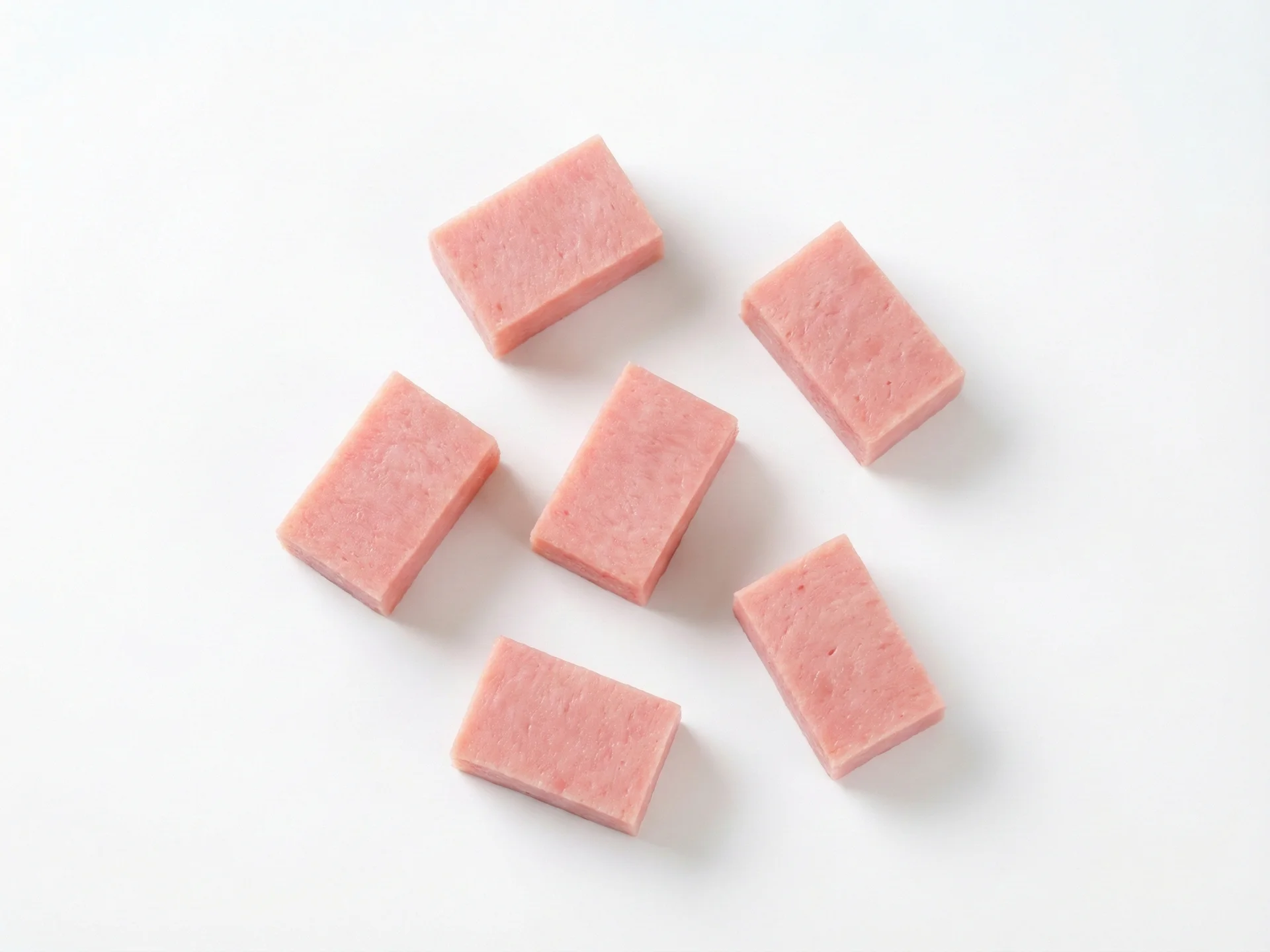
For toddlers 18 months and up, you can offer deli meat in slightly larger pieces or as part of sandwiches, but continue to cut it into manageable sizes. Encourage self-feeding by letting them practice with utensils, and ensure it's still prepared to minimize choking hazards.
18 months +

For toddlers 18 months and up, you can offer deli meat in slightly larger pieces or as part of sandwiches, but continue to cut it into manageable sizes. Encourage self-feeding by letting them practice with utensils, and ensure it's still prepared to minimize choking hazards.

  • Introduce deli meat in sandwiches with whole-grain bread for added fiber.
  • Mix it into scrambled eggs or pasta dishes for variety.
  • Continue to opt for low-sodium varieties to support healthy habits.
  • Teach your child to chew thoroughly before swallowing.
  • Monitor for any signs of difficulty with tougher textures.

Safety & allergens

Choking risk: Medium

Deli meats can be slippery and difficult for babies to manage. Always cut them into very small pieces (pea-sized) or shred them finely. Avoid giving whole slices or large chunks, and supervise your baby closely during meals.

Not a common allergen

Deli meat is not a top allergen. As with any new food, offer it on its own and watch for any reaction.

Vitamins & minerals

Deli meat provides heme iron, which is more easily absorbed by your baby's body than non-heme iron from plant sources.[3] The zinc supports immune function and growth, while B vitamins help convert food into energy.[2] Be mindful of sodium content, as many deli meats are high in salt.

Vitamins
Vitamin VITAMIN B12Vitamin VITAMIN B3Vitamin VITAMIN B6
Minerals
IronZincSodiumPhosphorus