FoodsVegetableWatercress
Watercress

Vegetable

Watercress

Watercress is a nutrient-packed leafy green with a peppery flavor that can add variety to your baby's diet. It's rich in vitamins and minerals that support healthy growth and development, including vitamin C for immune function[1] and vitamin K for bone health[2]. Its tender leaves make it easy to prepare for little ones.

6m+Not a common allergenChoking risk: Low
First age6m+
CategoryVegetable
Common allergenNo
Choking riskLow

When can babies eat Watercress?

You can introduce watercress around 6 months when starting solids, as it's soft and easy to puree. Some parents wait until 8-9 months when babies are more accustomed to greens.

How to serve Watercress by age

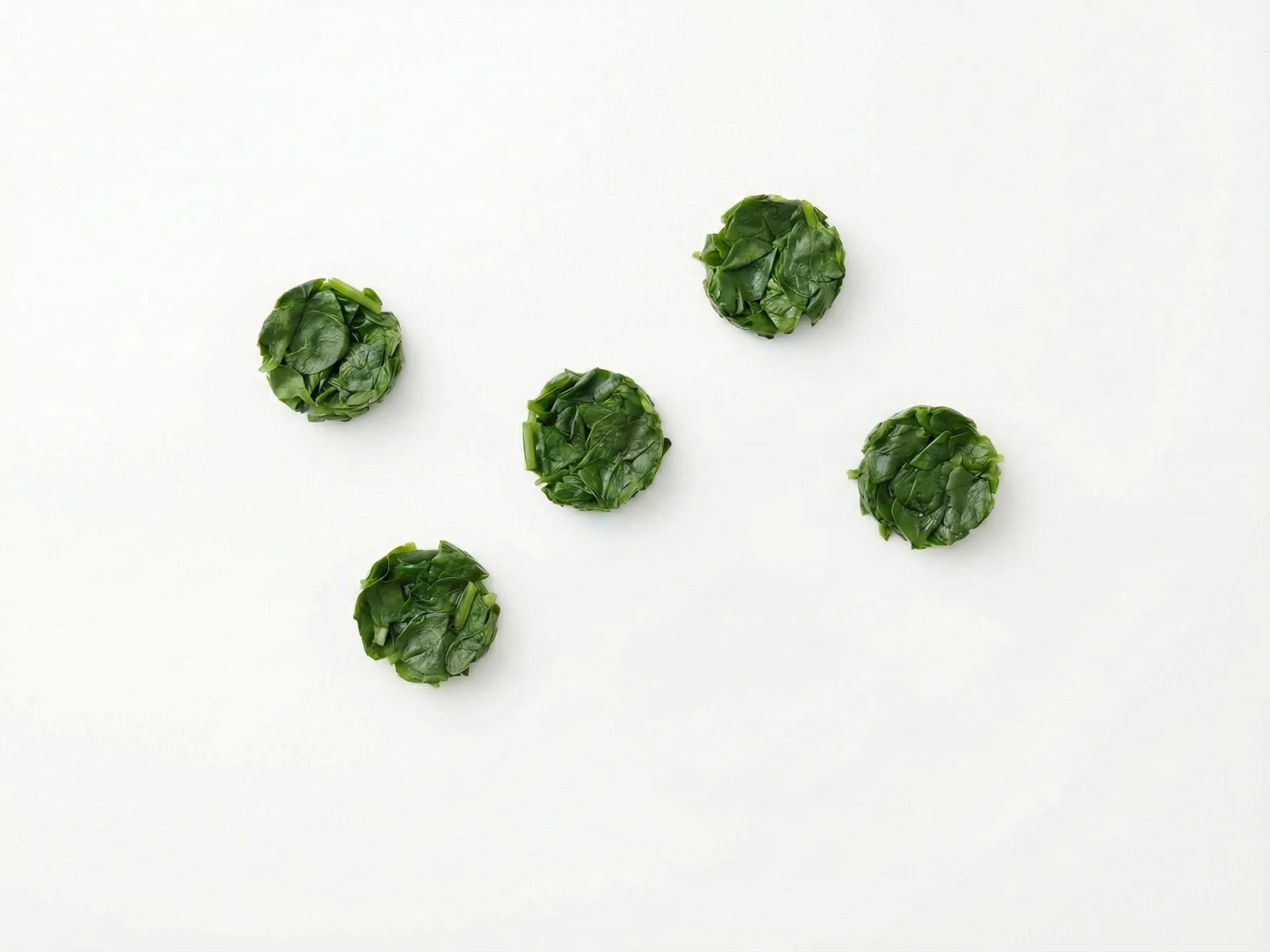
For babies 6-9 months, steam or blanch watercress until very soft to make it easier to gum. Chop the leaves into small, pea-sized pieces and remove any tough stems. You can serve it alone or mixed into soft foods like mashed potatoes or yogurt to help your baby get used to the flavor.
6 to 9 months

For babies 6-9 months, steam or blanch watercress until very soft to make it easier to gum. Chop the leaves into small, pea-sized pieces and remove any tough stems. You can serve it alone or mixed into soft foods like mashed potatoes or yogurt to help your baby get used to the flavor.

  • Always wash watercress thoroughly under running water to remove dirt.
  • Steam for 2-3 minutes until wilted and tender.
  • Chop into tiny pieces to prevent choking.
  • Mix with familiar foods to ease introduction.
  • Offer in a high chair with supervision.
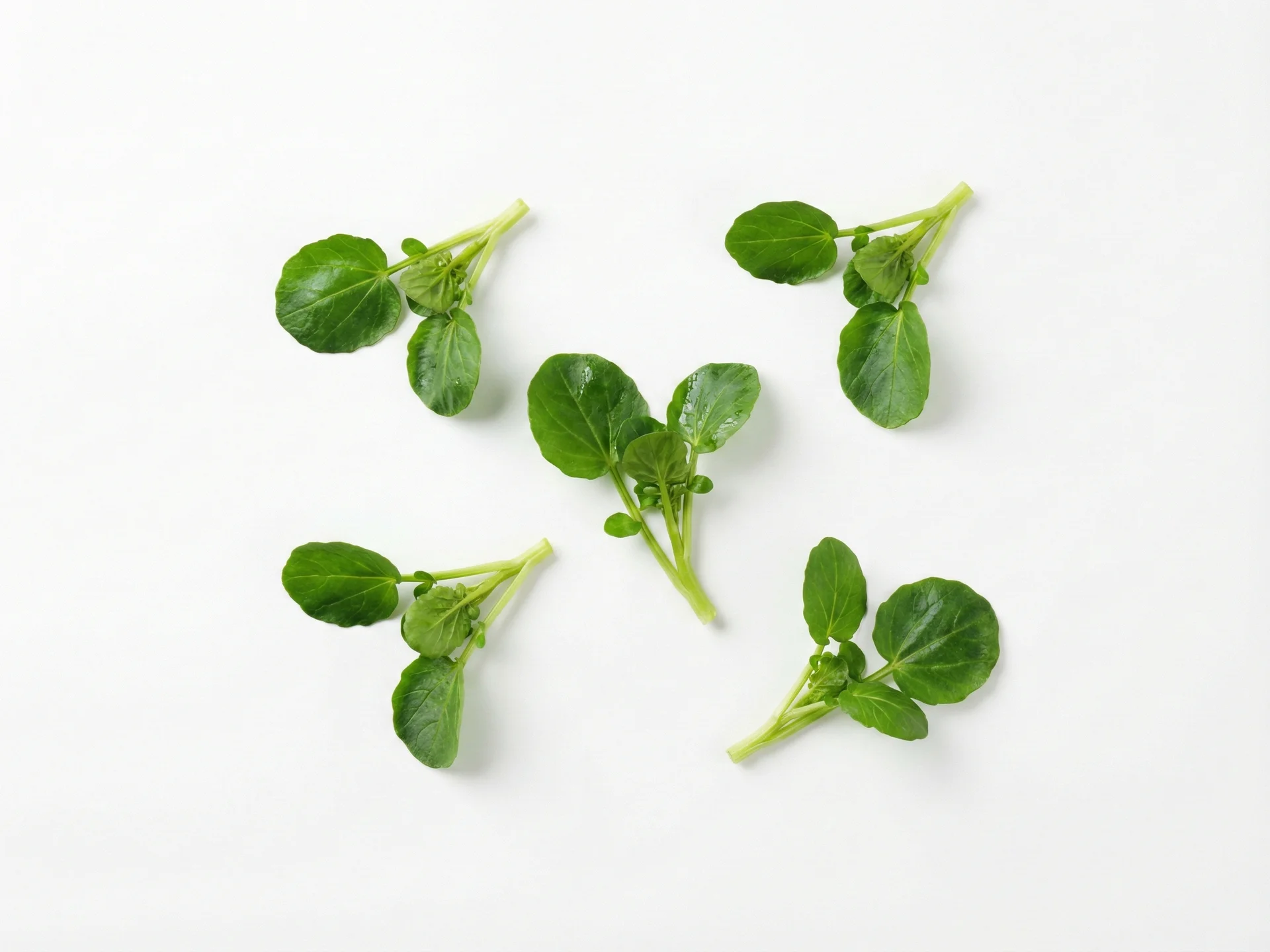
For babies 9 months and up, you can offer watercress raw or lightly cooked, chopped into slightly larger pieces as their chewing skills improve. Incorporate it into salads, sandwiches, or as a topping for soups to add nutrition and texture variety.
9 months +

For babies 9 months and up, you can offer watercress raw or lightly cooked, chopped into slightly larger pieces as their chewing skills improve. Incorporate it into salads, sandwiches, or as a topping for soups to add nutrition and texture variety.

  • Introduce raw watercress in small amounts to check tolerance.
  • Chop into bite-sized pieces appropriate for your baby's age.
  • Use as a garnish on favorite dishes to increase exposure.
  • Combine with dips like hummus for added flavor.
  • Encourage self-feeding with finger-sized portions.

Safety & allergens

Choking risk: Low

Watercress has a low choking risk when prepared appropriately. For young babies, always puree or finely chop the leaves to avoid any stringy textures. As babies grow, you can offer it in small, manageable pieces.

Not a common allergen

Watercress is not a top allergen. As with any new food, offer it on its own and watch for any reaction.

Vitamins & minerals

Watercress provides vitamin A for healthy vision and skin[3], vitamin C to boost iron absorption[4], and calcium for strong bones[5]. Its iron content supports red blood cell production[6], while potassium helps maintain fluid balance[7].

Vitamins
Vitamin VITAMIN AVitamin VITAMIN CVitamin VITAMIN KVitamin VITAMIN B9
Minerals
CalciumIronPotassiumManganese