Edamame

Vegetable

Edamame

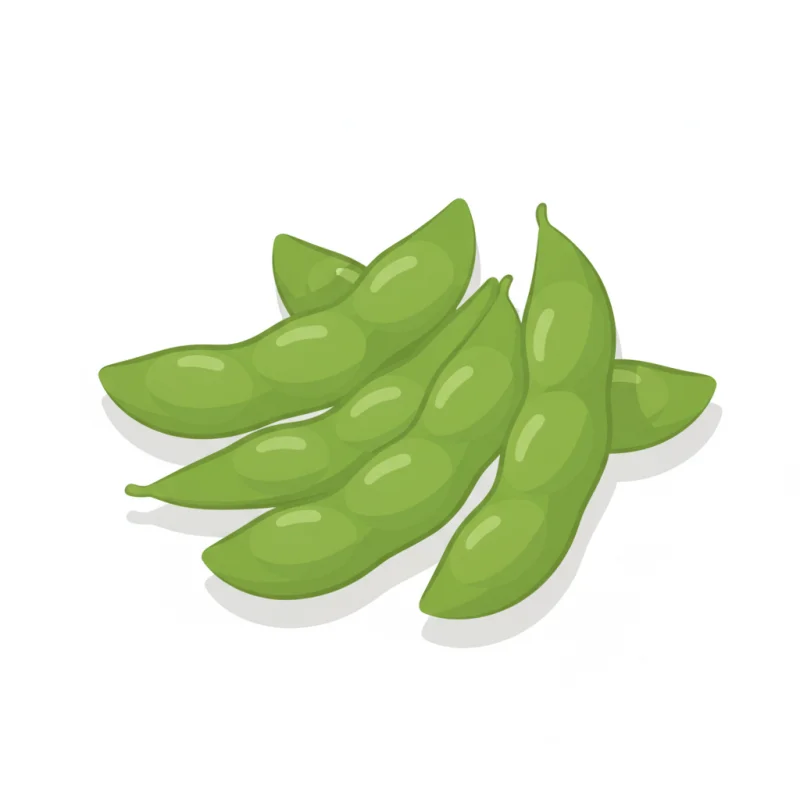
Edamame are young, green soybeans that are a fantastic plant-based protein source for your little one, offering a soft, slightly sweet flavor and a fun, pop-able texture when shelled. They're packed with nutrients that support your baby's growth, including protein for building muscles and fiber for healthy digestion. Introducing edamame can help expand your baby's palate with a unique, nutritious vegetable.

PPippin Feeding TeamReviewed by feeding specialists · Updated January 2026
First age6m+
CategoryVegetable
Common allergenYes
Choking riskMedium

When can babies eat Edamame?

Edamame can be introduced around 6 months when your baby starts solids, but because they are a common allergen (soy), it's wise to introduce them carefully and watch for any reactions.

Storage tip

Store fresh or frozen edamame in the freezer for up to 6 months. Cooked, shelled edamame can be refrigerated in an airtight container for 2-3 days.

How to serve Edamame by age

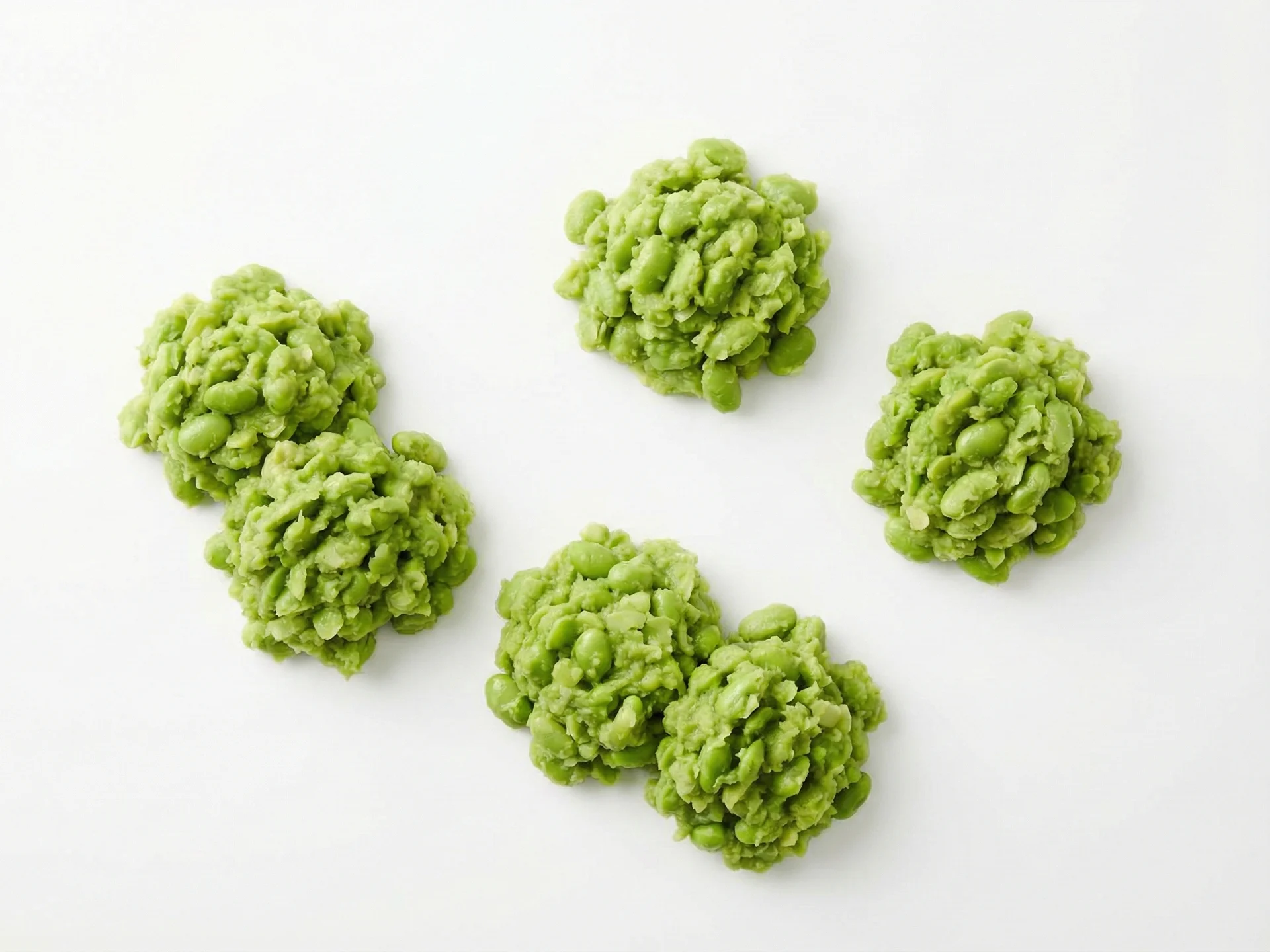
For babies 8-12 months, cook edamame until the beans are very soft, then remove from pods and mash or flatten slightly with a fork to create a safer, easier-to-handle texture. Serve a small amount, like a tablespoon, on their tray or mixed into other soft foods to encourage self-feeding.8 to 12 months

For babies 8-12 months, cook edamame until the beans are very soft, then remove from pods and mash or flatten slightly with a fork to create a safer, easier-to-handle texture. Serve a small amount, like a tablespoon, on their tray or mixed into other soft foods to encourage self-feeding.

  • Steam or boil edamame pods for 10-15 minutes until beans are tender
  • Test softness by mashing a bean between your fingers—it should squish easily
  • Avoid adding salt or seasonings to keep it baby-friendly
  • Offer mashed beans on a pre-loaded spoon or let baby pick them up with fingers
  • Always supervise closely during meals to ensure safe eating
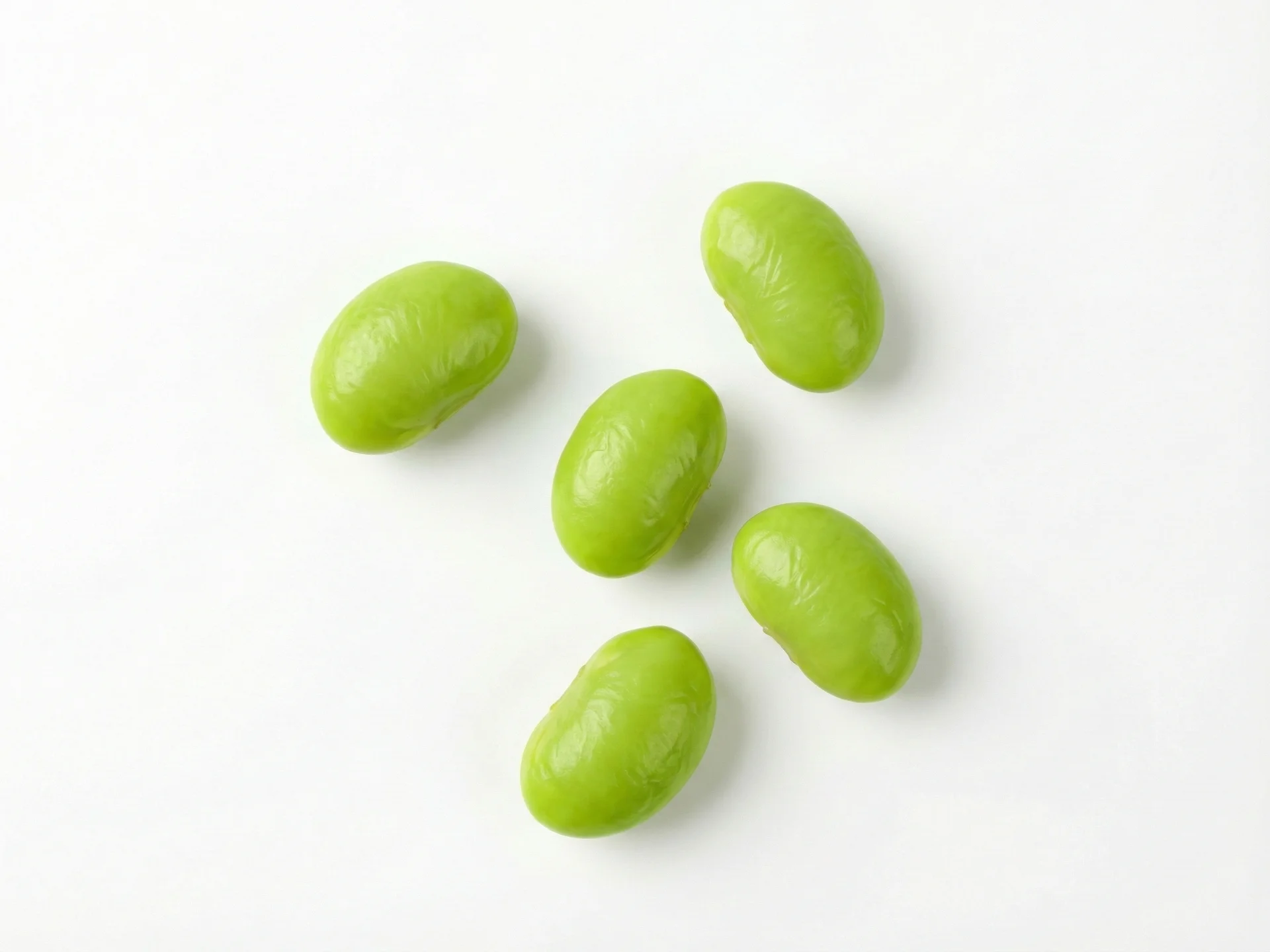
For toddlers 12 months and up, serve cooked edamame beans removed from pods as finger foods, ensuring they are soft and easy to chew. You can also incorporate them into dishes like rice bowls or pasta for added nutrition and texture exploration.12 months +

For toddlers 12 months and up, serve cooked edamame beans removed from pods as finger foods, ensuring they are soft and easy to chew. You can also incorporate them into dishes like rice bowls or pasta for added nutrition and texture exploration.

  • Cook edamame until soft but still intact for finger food practice
  • Mix beans into scrambled eggs, oatmeal, or yogurt for variety
  • Cut larger beans in half if needed for smaller mouths
  • Introduce lightly seasoned versions as your toddler's palate expands
  • Encourage self-feeding by offering beans alongside other familiar foods

Safety & allergens

Choking risk: Medium

Edamame pods and whole beans are a choking hazard for babies. Always remove the beans from the tough, inedible pod and mash or cut them appropriately for your baby's age. Never serve the whole pod or whole beans to young babies, as they can easily block the airway.

Common allergen

Soy allergy affects about 0.4% of infants and young children, making it one of the more common food allergies in this age group.2

Watch for symptoms:

  • Hives
  • Itchy skin or mouth
  • Swelling of lips, face, or tongue
  • Vomiting or diarrhea
  • Wheezing or difficulty breathing

Introduce a tiny amount (like 1/4 teaspoon of mashed edamame) and watch closely for 2-3 days for any reaction. If there's no reaction, you can gradually increase the amount. Because soy is a common allergen, consult your pediatrician if you have a family history of allergies or if you notice any symptoms.2

Vitamins & minerals

Edamame provides plant-based protein (11.9g per 100g) for muscle growth and fiber (5.2g per 100g) to support healthy digestion. It's rich in iron (2.27mg per 100g), which is crucial for carrying oxygen in the blood and preventing anemia in babies.3 The potassium (436mg per 100g) helps maintain proper fluid balance and supports heart and muscle function.4

Vitamins
Vitamin KVitamin CVitamin B9
Minerals
IronCalciumMagnesiumPotassiumPhosphorus

Nutritional synergy

Pair edamame with foods high in vitamin C, like bell peppers or strawberries, to enhance the absorption of its plant-based iron, making it more available for your baby's body to use.3

Common questions

How do I prepare edamame for my baby?

Always cook edamame until soft (boil or steam for 5-10 minutes) and remove the beans from the pod. For young babies, mash or puree the beans to a smooth consistency. For older babies, you can offer them as soft, squishable pieces.

What if my baby doesn't like the texture of edamame?

It's common for babies to need multiple exposures to accept a new texture. Try mixing mashed edamame into familiar foods like oatmeal, yogurt, or avocado to make it more appealing. Keep offering small amounts without pressure.

Can I use frozen edamame?

Yes, frozen edamame is a convenient and nutritious option. Just cook from frozen according to package directions (usually boil for 5-10 minutes) until tender, then shell and prepare for your baby's age. Avoid pre-seasoned varieties with added salt.

Sources & references

  1. 1TBCA - Tabela Brasileira de Composição de Alimentos
  2. 2Sicherer SH et al., 2014
  3. 3Lönnerdal B, 1997
  4. 4Strohm D et al., 2017