Daikon

Vegetable

Daikon

Daikon, also known as white radish, is a mild, crunchy vegetable that can be a wonderful addition to your baby's diet. It has a slightly sweet and peppery flavor that many babies enjoy, and its high water content makes it naturally hydrating. Daikon is packed with nutrients that support your baby's growth and development, including vitamin C for immune health1 and folate (vitamin B9) for healthy cell growth2.

PPippin Feeding TeamReviewed by feeding specialists · Updated July 2026
First age6m+
CategoryVegetable
Common allergenNo
Choking riskLow

When can babies eat Daikon?

Daikon can be introduced around 6 months when your baby starts solids, as it's easy to digest and has a mild flavor. You can offer it alongside other first foods like sweet potato or avocado.

Storage tip

Store whole daikon in the refrigerator's crisper drawer for up to 2 weeks. Once cut, wrap it tightly in plastic wrap and use within 3-4 days. Cooked daikon puree can be frozen in ice cube trays for up to 2 months.

How to serve Daikon by age

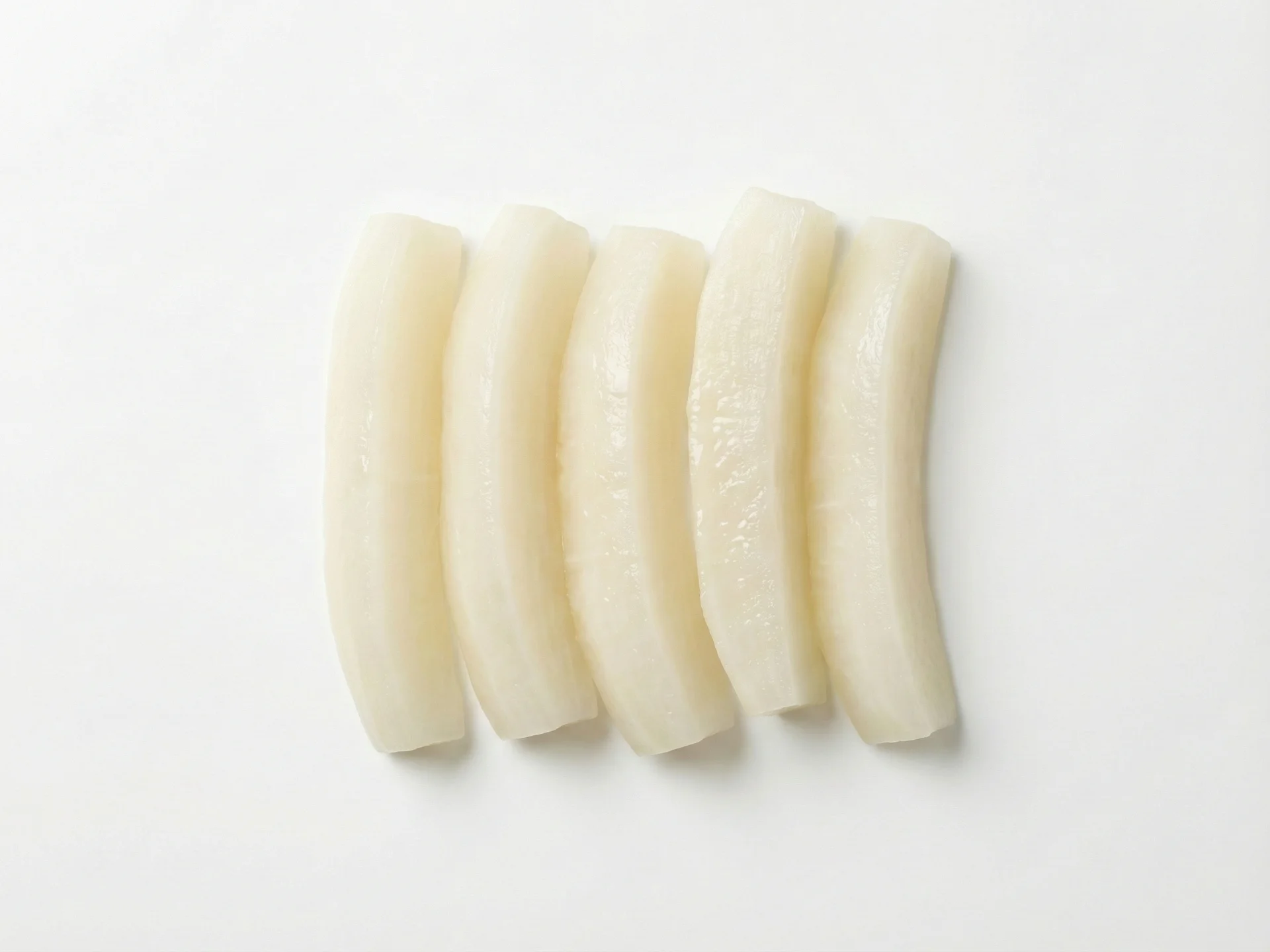
For babies 6-9 months, peel and cook daikon until very soft—steam or boil for 15-20 minutes until it mashes easily with a fork. Cut into long, thick strips (about the size of two adult fingers) that your baby can grasp in their fist, with one end sticking out for biting. Alternatively, mash or puree it and serve on a pre-loaded spoon for self-feeding.6 to 9 months

For babies 6-9 months, peel and cook daikon until very soft—steam or boil for 15-20 minutes until it mashes easily with a fork. Cut into long, thick strips (about the size of two adult fingers) that your baby can grasp in their fist, with one end sticking out for biting. Alternatively, mash or puree it and serve on a pre-loaded spoon for self-feeding.

  • Test doneness by pressing a piece between your fingers—it should squish completely without resistance.
  • Offer daikon strips alongside other soft foods to encourage exploration and variety.
  • Avoid small, round pieces that could pose a choking hazard.
  • Mix mashed daikon with breast milk or formula for a smoother texture if needed.
  • Let your baby get messy! This helps them develop sensory skills and enjoy the experience.
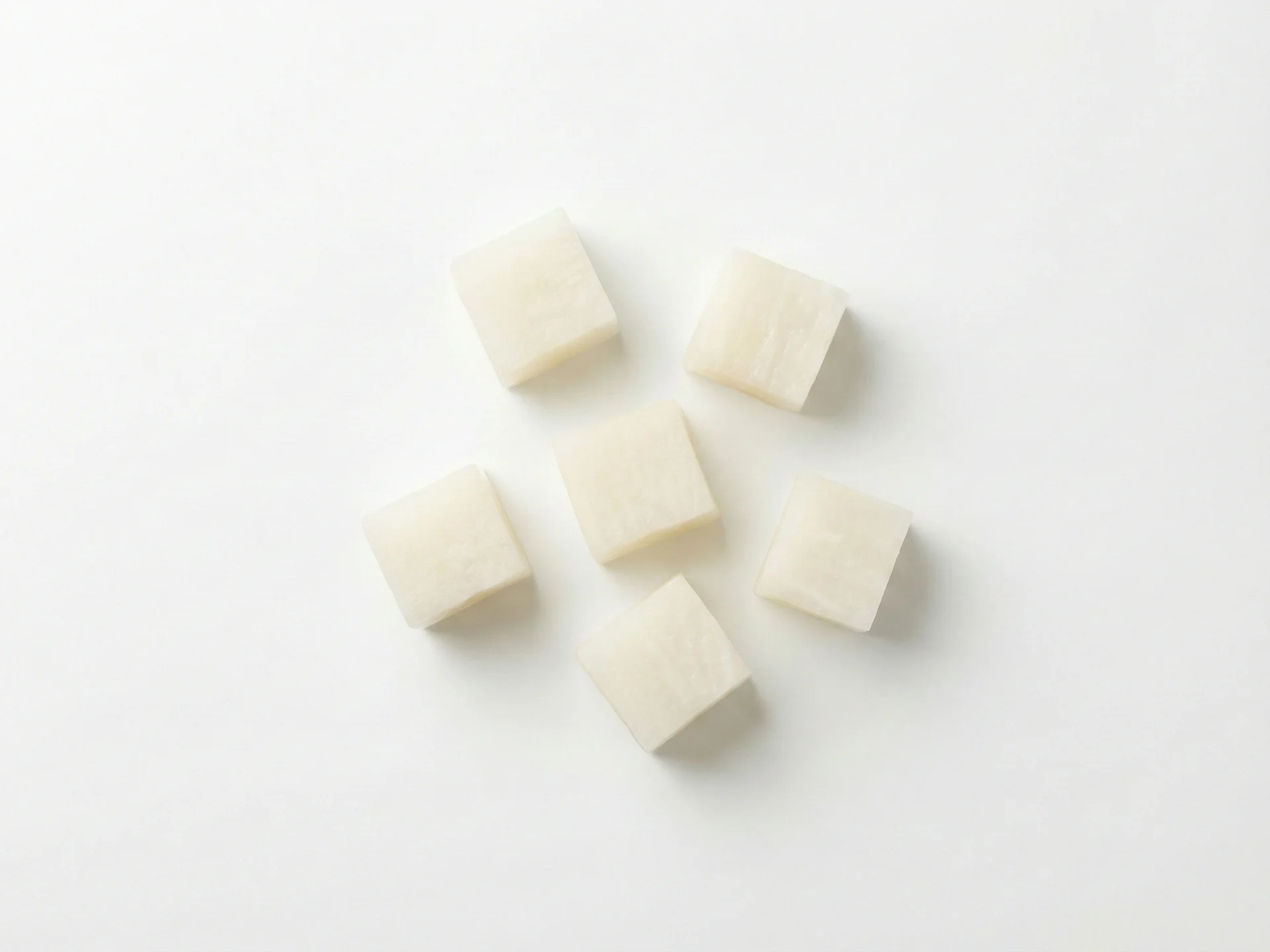
For babies 9-12 months, continue to cook daikon until soft but aim for a slightly firmer texture to encourage chewing practice. Cut into bite-sized cubes (about 1/2 inch) or thin, cooked slices that your baby can pick up with their developing pincer grasp. You can also grate cooked daikon and mix it into other dishes like rice or oatmeal.9 to 12 months

For babies 9-12 months, continue to cook daikon until soft but aim for a slightly firmer texture to encourage chewing practice. Cut into bite-sized cubes (about 1/2 inch) or thin, cooked slices that your baby can pick up with their developing pincer grasp. You can also grate cooked daikon and mix it into other dishes like rice or oatmeal.

  • Encourage self-feeding by placing small pieces on your baby's tray or in a suction bowl.
  • Combine daikon with familiar foods to ease the transition to new textures.
  • Offer a variety of shapes to help develop fine motor skills.
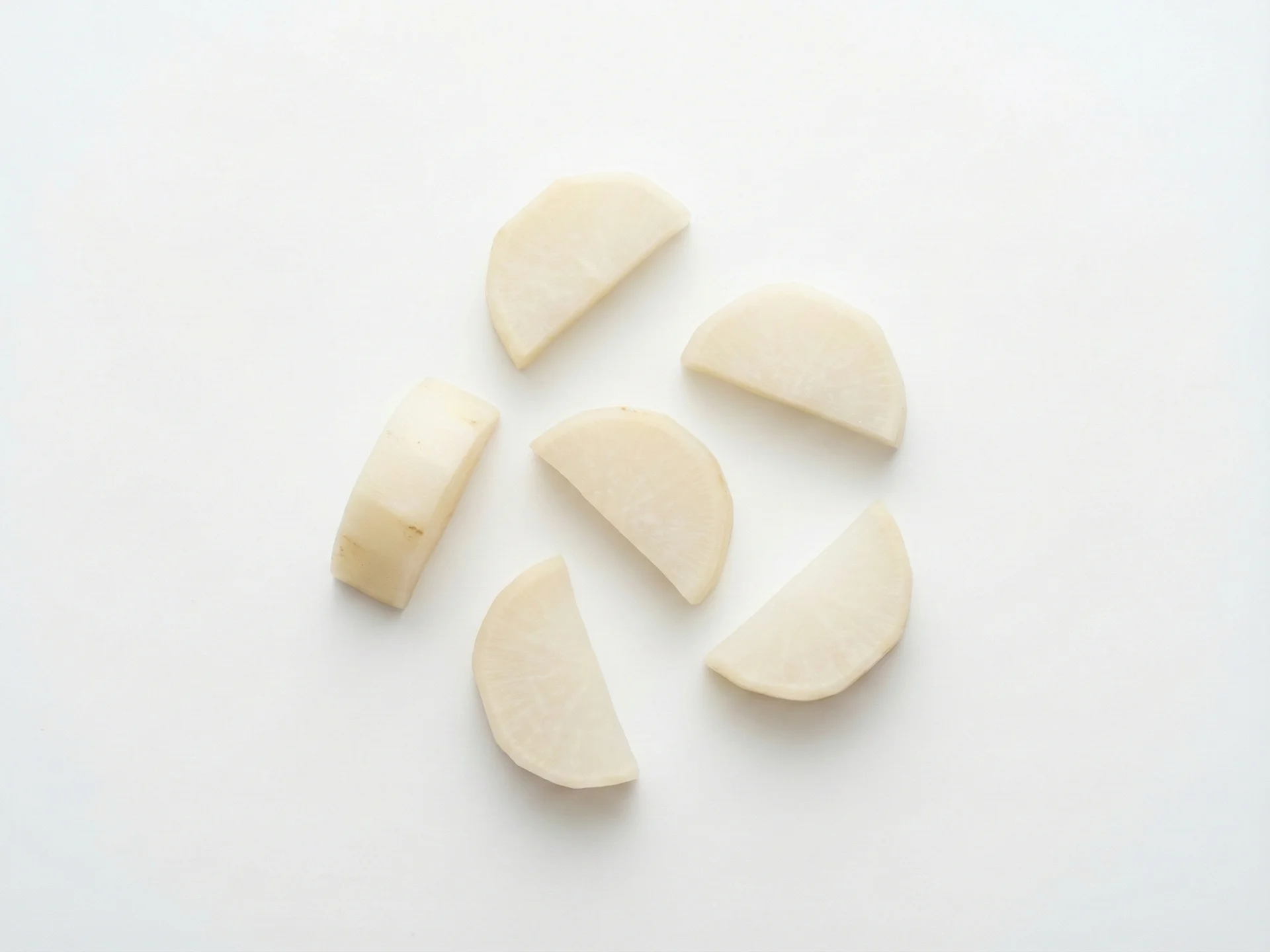
  • If your baby struggles with cubes, try flatter pieces like coins or half-moons.
  • Model chewing with your mouth open to show your baby how to manage the food.
For toddlers 12 months and up, you can offer cooked daikon in more diverse forms, such as roasted wedges, stir-fried strips, or grated raw in small amounts. Gradually introduce firmer textures as your child's chewing ability improves, and incorporate daikon into family meals like soups, stews, or salads to promote healthy eating habits.12 months +

For toddlers 12 months and up, you can offer cooked daikon in more diverse forms, such as roasted wedges, stir-fried strips, or grated raw in small amounts. Gradually introduce firmer textures as your child's chewing ability improves, and incorporate daikon into family meals like soups, stews, or salads to promote healthy eating habits.

  • Involve your toddler in preparation—let them wash or play with safe kitchen tools.
  • Use daikon as a dipper for sauces like yogurt or hummus to make meals fun.
  • Experiment with seasonings like ginger or garlic to expand flavor exposure.
  • Cut raw daikon into very thin matchsticks or grate it finely if serving raw.
  • Offer water with meals to help with swallowing and hydration.

Safety & allergens

Choking risk: Low

Daikon is low risk when prepared appropriately for your baby's age. For young babies, always cook until very soft and mash or puree thoroughly. For older babies, cook until tender and cut into safe shapes like long, thin strips or small, soft pieces. Always supervise your baby during meals.

Not a common allergen

Daikon is not a top allergen. As with any new food, offer it on its own and watch for any reaction.

Vitamins & minerals

Daikon provides important nutrients for your growing baby. It's an excellent source of vitamin C, which helps support your baby's immune system and enhances iron absorption from other foods1. The folate (vitamin B9) in daikon is essential for healthy cell development2, while potassium helps maintain proper fluid balance3.

Vitamins
Vitamin CVitamin B6Vitamin B9
Minerals
PotassiumCalciumPhosphorus

Nutritional synergy

Pair daikon with iron-rich foods like lentils or spinach, as the vitamin C in daikon helps your baby absorb plant-based iron more effectively1.

Common questions

How do I pick a good daikon at the store?

Look for firm, smooth daikon with bright green tops (if attached) and no soft spots or cracks. Smaller daikon (about 1-2 inches in diameter) tend to be sweeter and less fibrous, which is perfect for babies.

What if my baby makes a funny face when trying daikon?

That's completely normal! Daikon has a unique peppery flavor that might surprise your baby at first. It can take 10-15 exposures for babies to accept new foods. Keep offering small amounts without pressure, and try mixing it with familiar foods like applesauce or yogurt.

Can I give my baby raw daikon?

It's best to cook daikon for babies under 12 months, as cooking softens the texture and makes it easier to digest. For older toddlers with more chewing skills, you can offer very thin, grated raw daikon as a crunchy topping on other foods.

Sources & references

  1. 1Carr & Maggini, 2017
  2. 2Bailey et al., 2015
  3. 3Stone et al., 2016