FoodsFruitAtemoya
Atemoya

Fruit

Atemoya

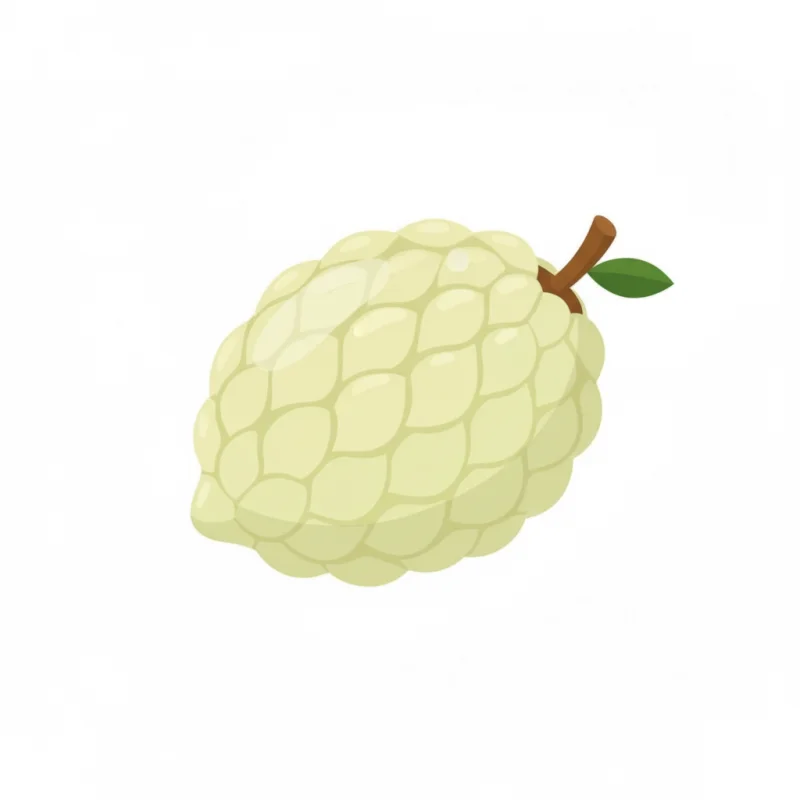
Atemoya is a delicious tropical fruit that combines the flavors of pineapple and banana with a creamy texture that babies often enjoy. It's packed with Vitamin C to support your baby's immune system[1] and B vitamins that help convert food into energy for their active little bodies[2]. The soft, custard-like flesh makes it easy to prepare for different stages of eating.

6m+Not a common allergenChoking risk: Low
First age6m+
CategoryFruit
Common allergenNo
Choking riskLow

When can babies eat Atemoya?

You can introduce atemoya around 6 months when your baby starts solids, as long as it's prepared safely to prevent choking. It's a great fruit to add variety to their diet.

How to serve Atemoya by age

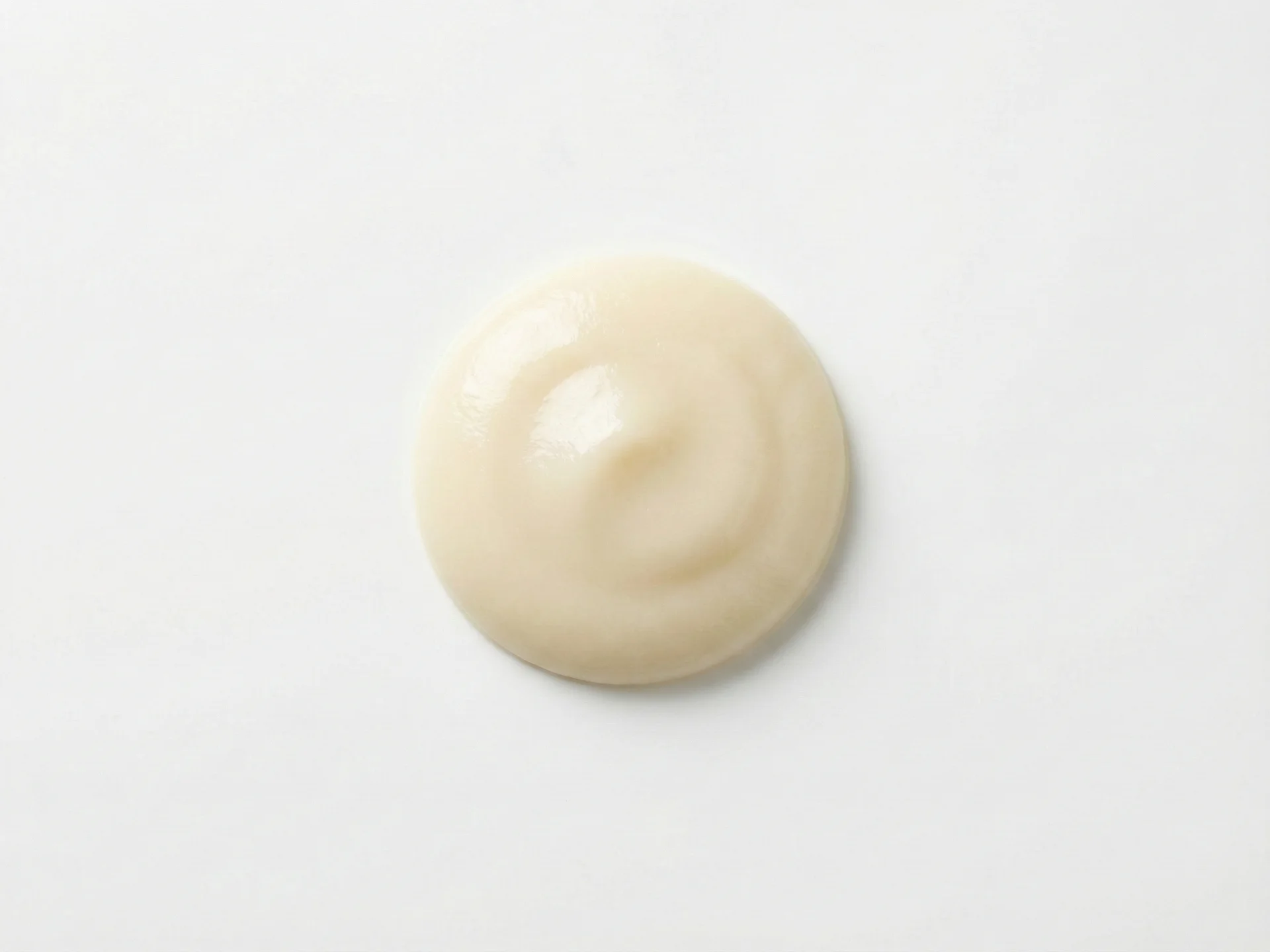
For babies 6-9 months, serve atemoya as a smooth puree or mashed to a very soft consistency. Ensure all seeds and skin are completely removed. You can mix it with breast milk, formula, or other purees to create a familiar texture.
6 to 9 months

For babies 6-9 months, serve atemoya as a smooth puree or mashed to a very soft consistency. Ensure all seeds and skin are completely removed. You can mix it with breast milk, formula, or other purees to create a familiar texture.

  • Choose fully ripe atemoya that's soft to the touch
  • Remove all seeds carefully with a spoon
  • Mash thoroughly with a fork until completely smooth
  • Mix with a familiar food like oatmeal if needed
  • Serve in small amounts to watch for any reactions
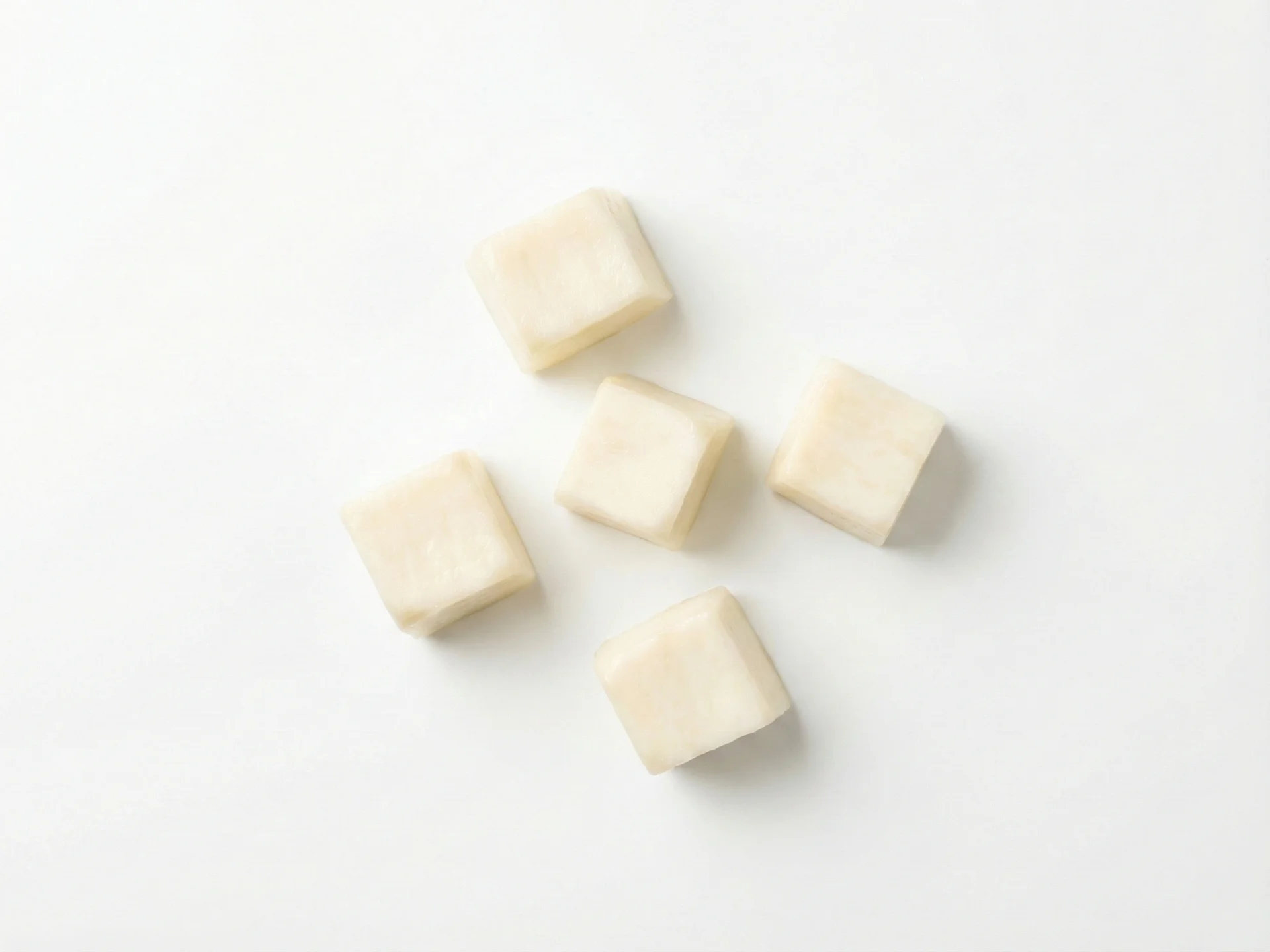
For babies 9 months and older, you can offer soft, seedless chunks of atemoya that they can pick up with their fingers. The flesh should be soft enough to mash between your fingers. You can also mix it into yogurt or oatmeal for added texture variety.
9 months +

For babies 9 months and older, you can offer soft, seedless chunks of atemoya that they can pick up with their fingers. The flesh should be soft enough to mash between your fingers. You can also mix it into yogurt or oatmeal for added texture variety.

  • Cut into finger-sized strips or large, soft chunks
  • Ensure pieces are large enough to grip but soft enough to gum
  • Combine with other soft foods for texture exploration
  • Let your baby practice picking up the slippery pieces
  • Always supervise during feeding

Safety & allergens

Choking risk: Low

Atemoya has soft, seedless flesh when properly prepared, making it a low choking risk. Always remove the skin and any seeds you might find, and mash or puree it for younger babies. For older babies, you can offer small, soft pieces that they can easily gum.

Not a common allergen

Atemoya is not a top allergen. As with any new food, offer it on its own and watch for any reaction.

Vitamins & minerals

Atemoya provides Vitamin C, which helps your baby's body absorb iron from other foods and supports their developing immune system[1]. The B vitamins in atemoya (B6, B2, and B1) play important roles in energy metabolism and nervous system development[2]. It also contains potassium for healthy muscle function[3] and magnesium that supports bone development[4].

Vitamins
Vitamin VITAMIN CVitamin VITAMIN B6Vitamin VITAMIN B2Vitamin VITAMIN B1
Minerals
PotassiumMagnesiumCopperManganese