Papaya

Fruit

Papaya

Papaya is a wonderful first fruit for babies with its naturally sweet, tropical flavor and soft, creamy texture when ripe. It's packed with nutrients that support your baby's growth, including vitamin C for immune health1 and vitamin A for healthy vision and skin2. The enzymes in papaya can also help with digestion, making it gentle on little tummies3.

PPippin Feeding TeamReviewed by feeding specialists · Updated January 2026
First age6m+
CategoryFruit
Common allergenNo
Choking riskLow

When can babies eat Papaya?

You can introduce ripe papaya around 6 months when your baby starts solids. It's a great early fruit because it's easy to mash or puree to a smooth consistency.

Storage tip

Store whole, unripe papaya at room temperature until it yields slightly to gentle pressure. Once ripe, refrigerate it for up to 5 days. Cut papaya should be stored in an airtight container in the fridge and used within 2-3 days.

How to serve Papaya by age

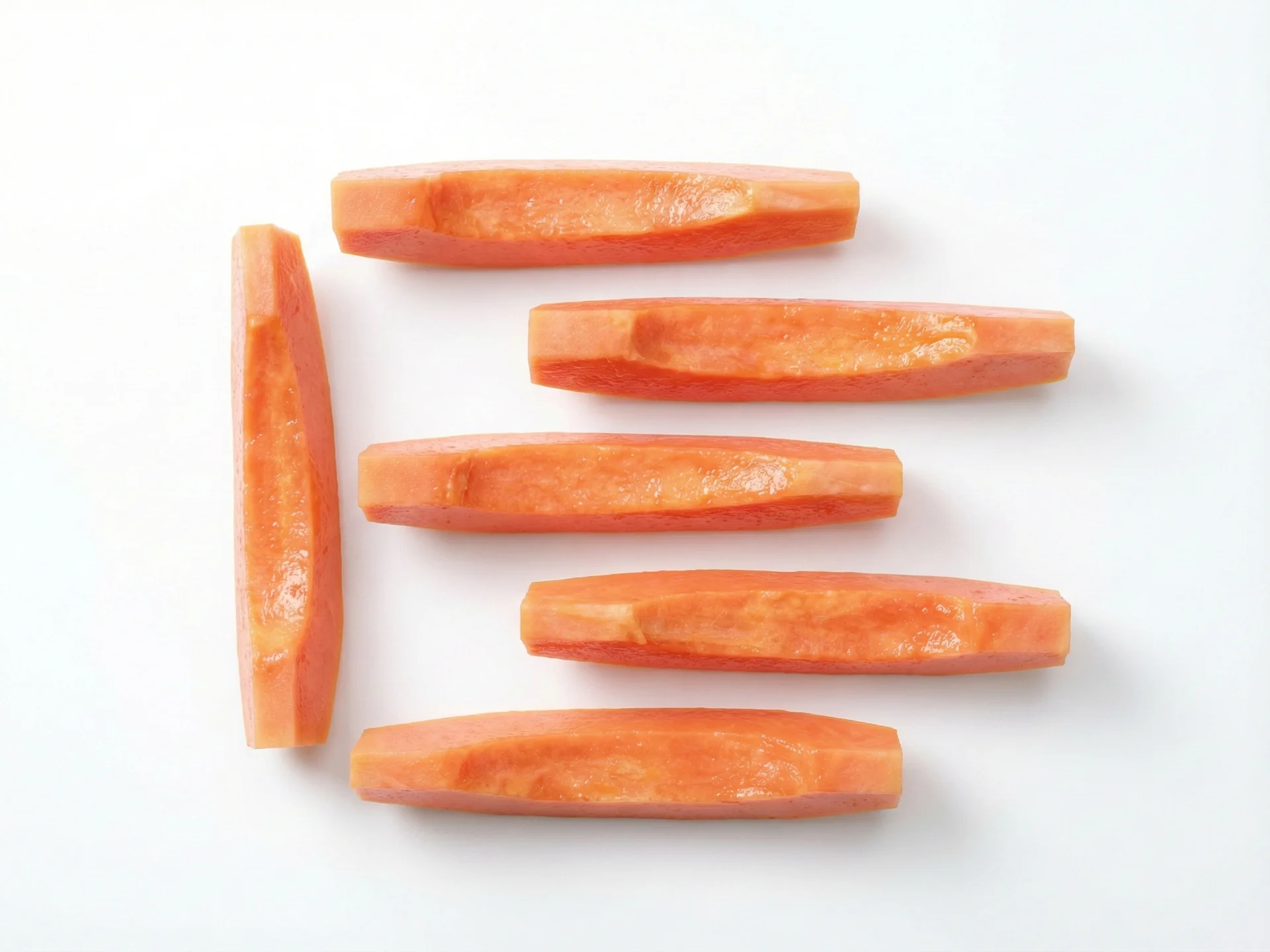
For beginners, serve ripe papaya mashed or in large, graspable spears. Make sure the fruit is very soft and easy to gum. The spears should be about the size of two adult fingers pressed together for easy holding.6 to 9 months

For beginners, serve ripe papaya mashed or in large, graspable spears. Make sure the fruit is very soft and easy to gum. The spears should be about the size of two adult fingers pressed together for easy holding.

  • Choose papaya that yields to gentle pressure
  • Peel thoroughly to remove the skin
  • Remove all seeds completely
  • Serve at room temperature for best texture
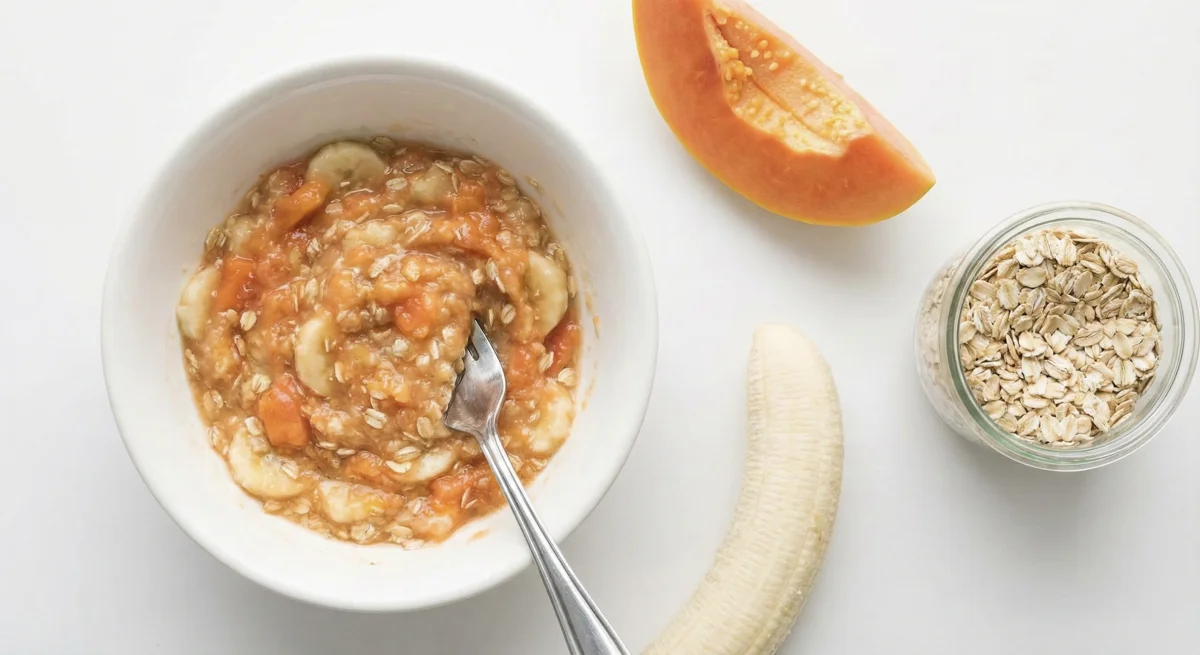
  • Mash with a fork if baby struggles with spears
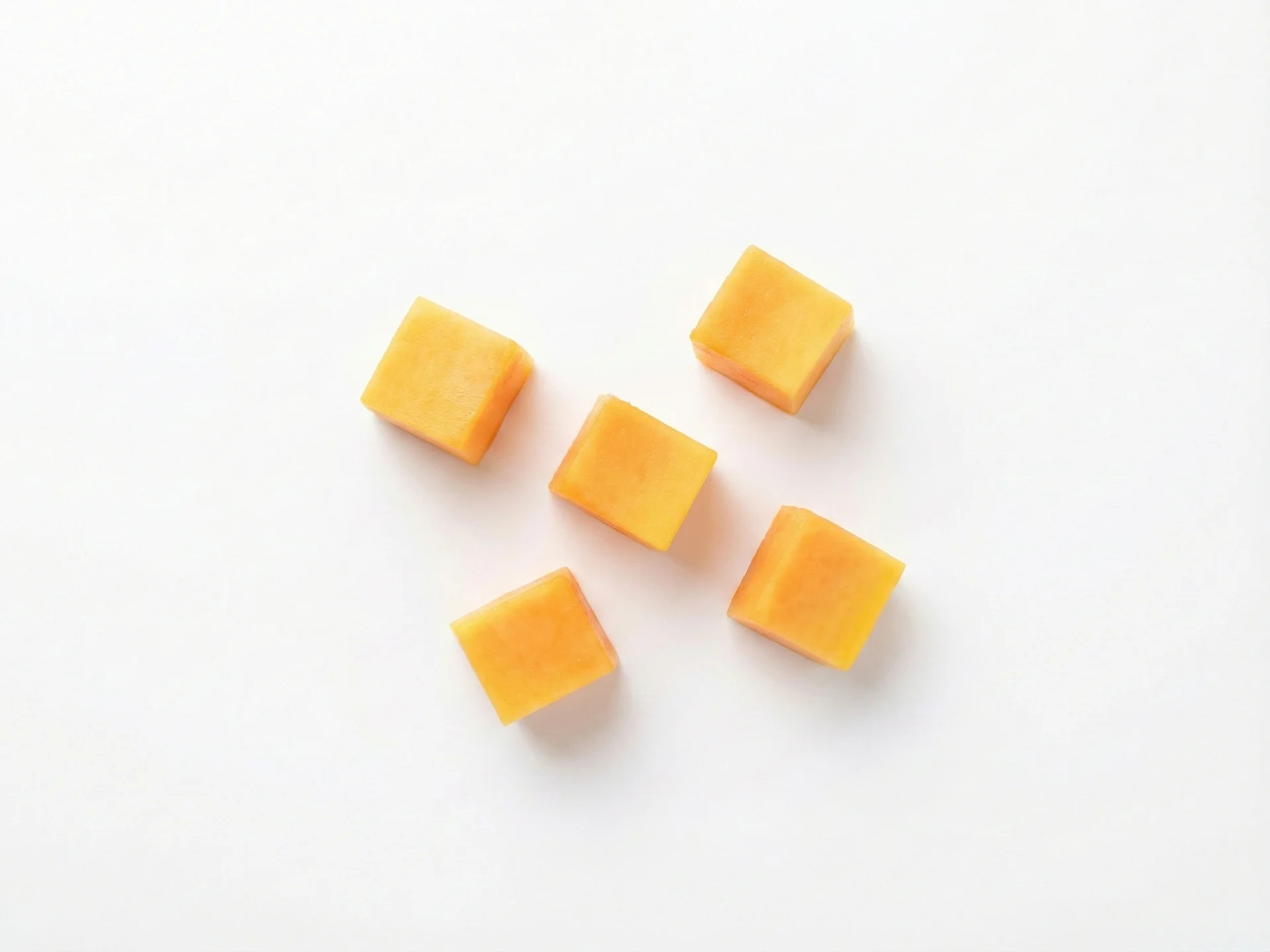
As your baby develops their pincer grasp, you can offer smaller, bite-sized pieces of ripe papaya. You can also mix it into yogurt, oatmeal, or other foods for variety while still offering some pieces for self-feeding practice.9 months +

As your baby develops their pincer grasp, you can offer smaller, bite-sized pieces of ripe papaya. You can also mix it into yogurt, oatmeal, or other foods for variety while still offering some pieces for self-feeding practice.

  • Cut into small cubes for pincer grasp practice
  • Mix with Greek yogurt for added protein
  • Combine with other soft fruits for variety
  • Freeze small pieces for soothing teething relief
  • Add to smoothies for a nutrient boost

Safety & allergens

Choking risk: Low

Papaya has a soft texture when ripe, which makes it low risk for choking. Always ensure it's fully ripe and soft before serving. For younger babies, mash or puree it completely, and for older babies, cut it into small, manageable pieces to prevent any large chunks.

Not a common allergen

Papaya is not a top allergen. As with any new food, offer it on its own and watch for any reaction.

Vitamins & minerals

Papaya is rich in vitamin C, which helps boost your baby's immune system and aids in iron absorption from other foods1. It also contains vitamin A, important for eye health and skin development2, and folate (vitamin B9), which supports cell growth and brain development4. The potassium in papaya contributes to healthy heart function and muscle activity5.

Vitamins
Vitamin AVitamin CVitamin EVitamin B9
Minerals
PotassiumMagnesiumCopper

Nutritional synergy

Pair papaya with iron-rich foods like spinach or lentils, as the vitamin C in papaya enhances iron absorption, helping prevent anemia1.

Common questions

How do I know when a papaya is ripe enough for my baby?

A ripe papaya will have a yellow-orange skin and feel slightly soft when gently pressed, similar to a ripe avocado. Avoid fruits with dark spots or mold. The flesh should be vibrant orange and sweet-smelling.

Can papaya help with my baby's constipation?

Yes, papaya contains enzymes like papain that aid digestion3 and fiber that can help regulate bowel movements. If your baby is constipated, offering mashed papaya might provide gentle relief, but always consult your pediatrician for persistent issues.

What if my baby doesn't like papaya at first?

It's common for babies to need multiple exposures to accept a new food. Try mixing a small amount of papaya puree with a familiar food like banana or yogurt. Offer it without pressure, and try again in a few days—it can take 10-15 tries for babies to develop a taste for it.

Sources & references

  1. 1Carr & Maggini, 2017
  2. 2Tanumihardjo et al., 2016
  3. 3Muss et al., 2013
  4. 4Bailey & Gregory, 1999
  5. 5Stone et al., 2016