Lemon

Fruit

Lemon

Lemon is a bright, tangy fruit that can add a delightful zing to your baby's meals. While it's not a nutritional powerhouse like some other first foods, its high vitamin C content helps boost iron absorption from plant-based foods like beans and spinach.1 The sour taste can also help expand your baby's palate and make other foods more interesting.

PPippin Feeding TeamReviewed by feeding specialists · Updated January 2026
First age6m+
CategoryFruit
Common allergenNo
Choking riskLow

When can babies eat Lemon?

You can introduce small amounts of lemon juice or zest around 6 months, but most babies will prefer it mixed with other foods rather than eaten alone.

Storage tip

Store whole lemons at room temperature for about a week or in the refrigerator for up to a month. Once cut, wrap tightly in plastic wrap and use within 2-3 days.

How to serve Lemon by age

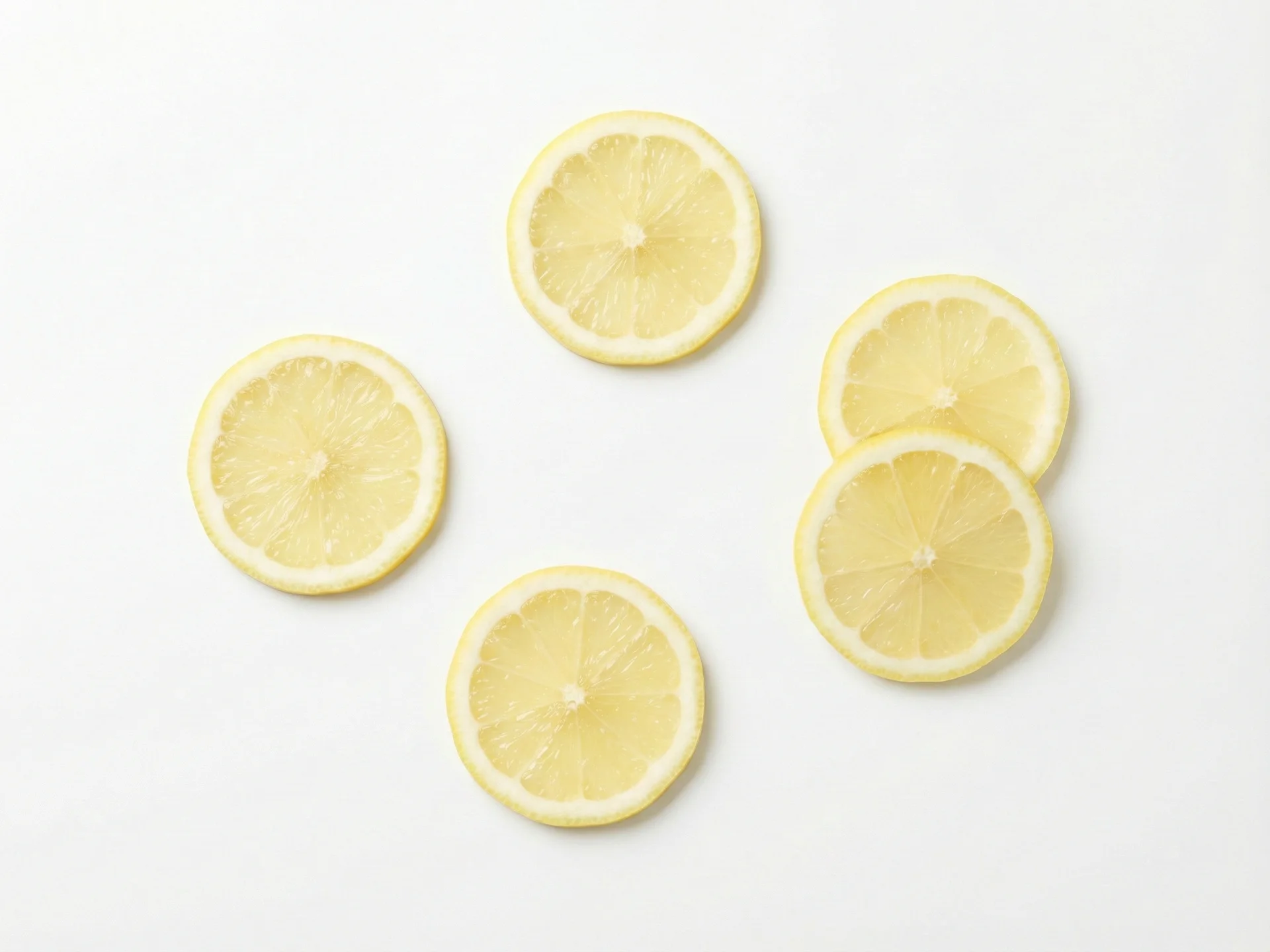
For babies 12 months and older, introduce lemon by squeezing a small amount of juice into water, yogurt, or other foods to add flavor. You can also offer a thin, peeled slice for them to suck on or chew, ensuring it's soft and free of seeds. Avoid large pieces or straight juice to prevent acidity issues.12 months +

For babies 12 months and older, introduce lemon by squeezing a small amount of juice into water, yogurt, or other foods to add flavor. You can also offer a thin, peeled slice for them to suck on or chew, ensuring it's soft and free of seeds. Avoid large pieces or straight juice to prevent acidity issues.

  • Mix a teaspoon of lemon juice into a cup of water for a mild, refreshing drink.
  • Add a squeeze of lemon to mashed avocado or banana to enhance flavor.
  • Use lemon zest sparingly in baked goods or oatmeal for a subtle citrus note.
  • Always remove seeds from lemon slices to prevent choking hazards.
  • Monitor for any signs of mouth irritation or diaper rash due to acidity.
Safety & allergens

Choking risk: Low

Lemon presents minimal choking risk when prepared properly. For babies, always use juice or finely grated zest rather than pieces of pulp or peel. Avoid giving lemon seeds, which could pose a choking hazard.

Not a common allergen

Lemon is not a top allergen. As with any new food, offer it on its own and watch for any reaction.

Vitamins & minerals

Lemon is best known for its vitamin C content, which supports your baby's immune system and helps their body absorb iron from other foods.1 It also contains small amounts of potassium for healthy heart function, calcium for bone development, and B vitamins that help convert food into energy.2

Vitamins
Vitamin CVitamin B6Vitamin B9
Minerals
PotassiumCalciumMagnesium

Nutritional synergy

Add a squeeze of lemon juice to iron-rich foods like lentils or spinach to help your baby absorb more of this important mineral.1

Common questions

Will lemon be too sour for my baby?

Some babies love the tangy taste, while others may make funny faces at first! Start with just a few drops mixed into familiar foods like yogurt or oatmeal. It can take 10-15 exposures for babies to accept new flavors, so don't give up if they're unsure at first.

Can I give my baby lemon water?

It's best to avoid giving babies under 12 months any water besides small sips with meals. For older babies, a tiny amount of lemon juice in water is fine occasionally, but plain water is healthiest. The acidity in lemon can potentially harm developing tooth enamel if given frequently.

How do I select the best lemons?

Choose lemons that feel heavy for their size with smooth, bright yellow skin. Avoid fruits with soft spots, wrinkles, or mold. Organic lemons are ideal since you'll be using the zest, but if using conventional, wash thoroughly before zesting.

Sources & references

  1. 1Lynch SR, Cook JD, 1980
  2. 2USDA FoodData Central, 2024