FoodsGrainSomen
Somen

Grain

Somen

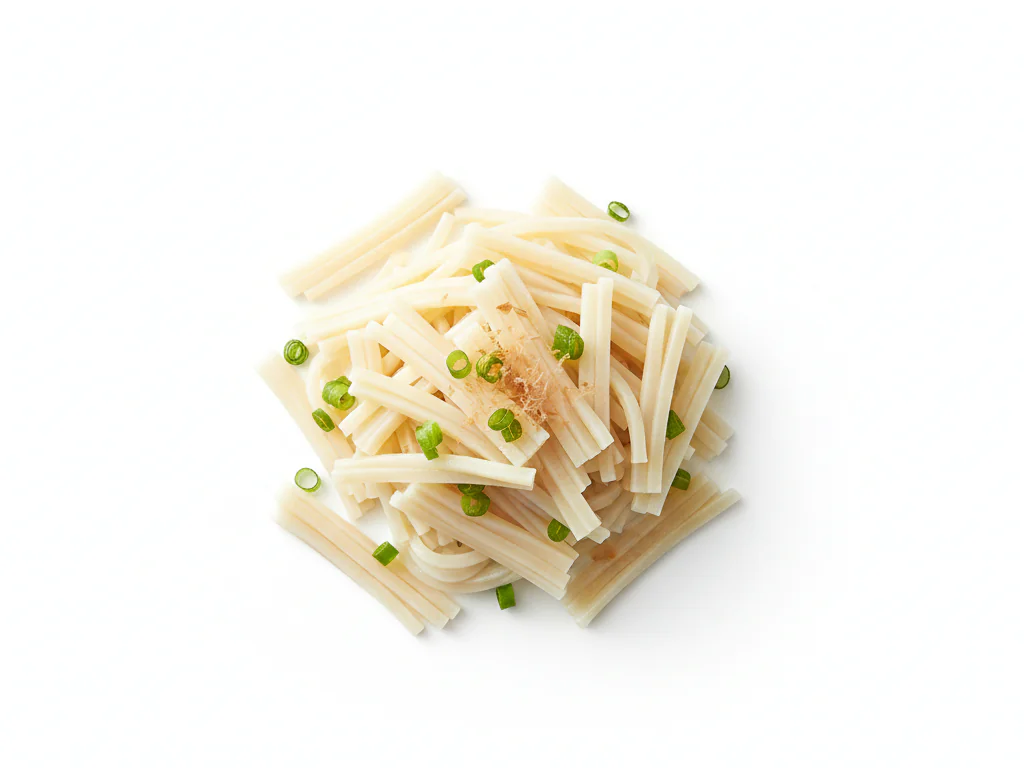
Somen is a thin, delicate Japanese wheat noodle that's wonderfully soft and easy for babies to manage when prepared properly. It's a great source of energy from carbohydrates and provides B vitamins that help support your baby's growing body and brain development.[1] The mild flavor makes it a versatile base that pairs beautifully with many other foods.

6m+Common allergenChoking risk: Low
First age6m+
CategoryGrain
Common allergenYes
Choking riskLow

When can babies eat Somen?

Somen can be introduced around 6 months when your baby starts solids, as long as it's prepared to a very soft, manageable texture.

How to serve Somen by age

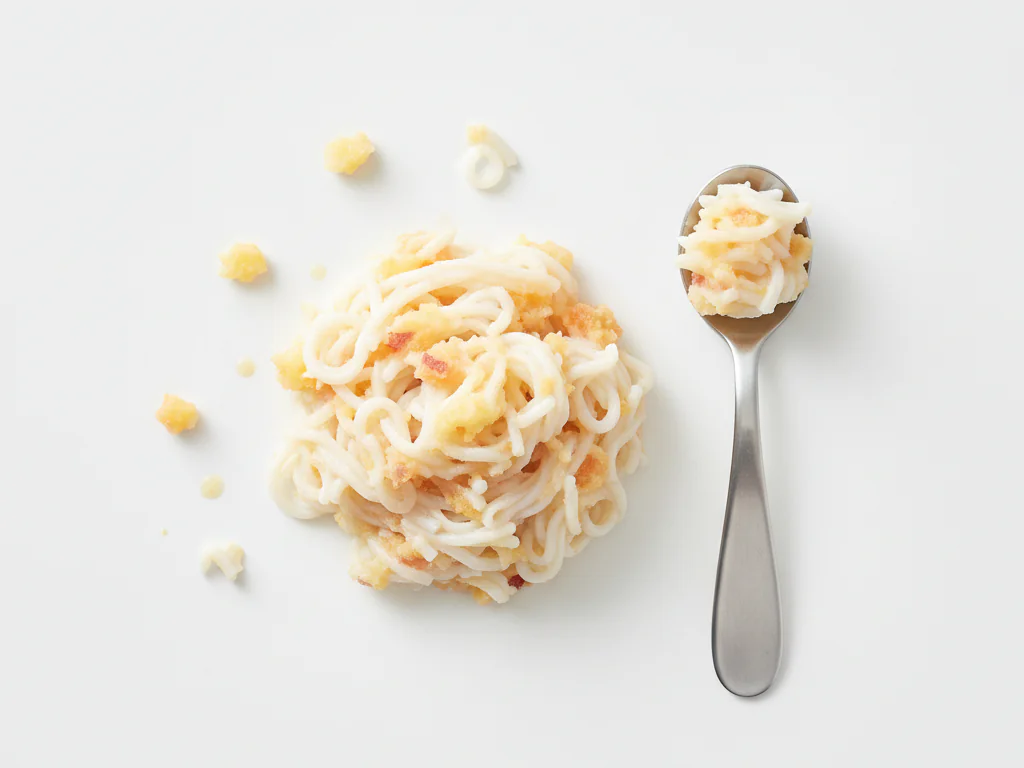
Cook somen until very soft (almost mushy), then chop into tiny pieces (about 1/4 inch or smaller). You can mix it with pureed vegetables or fruits to create a smoother texture that's easier for early eaters to manage. Serve as finger food or on a pre-loaded spoon.
6 to 9 months

Cook somen until very soft (almost mushy), then chop into tiny pieces (about 1/4 inch or smaller). You can mix it with pureed vegetables or fruits to create a smoother texture that's easier for early eaters to manage. Serve as finger food or on a pre-loaded spoon.

  • Cook for 1-2 minutes longer than package directions
  • Rinse thoroughly after cooking to remove excess starch
  • Mix with mashed avocado or banana for easier swallowing
  • Cut into pieces smaller than your baby's fingertip
  • Serve at room temperature to avoid burning sensitive mouths
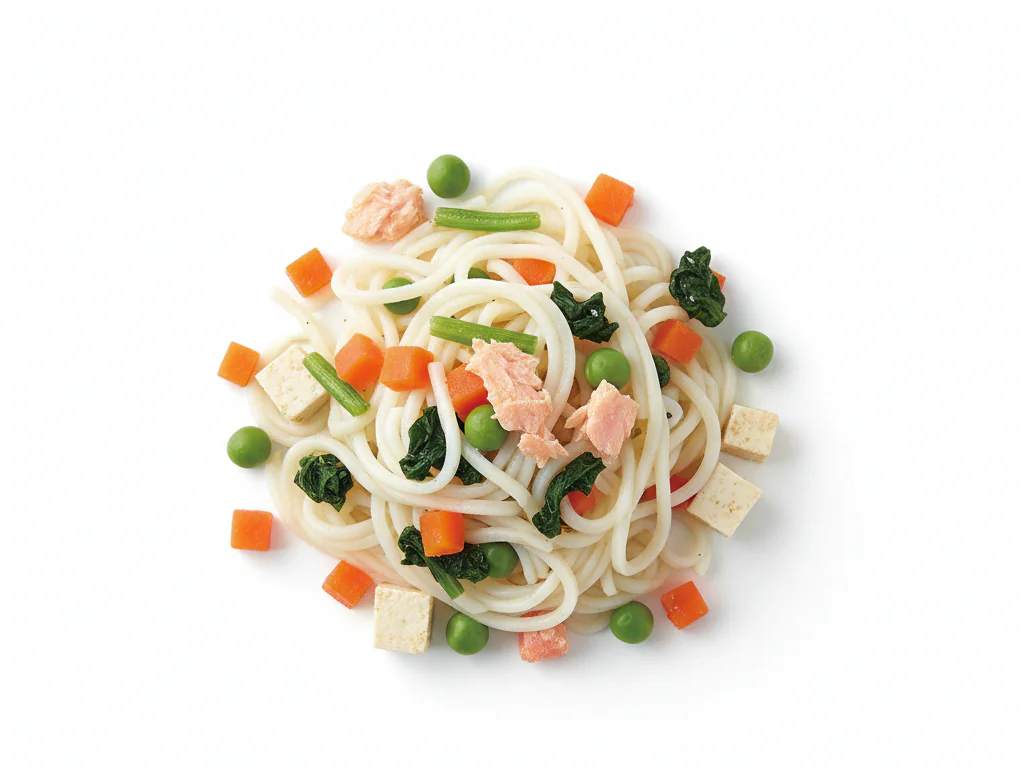
Cook until tender but still holding shape, then cut into 1/2 inch pieces. Babies at this age can practice their pincer grasp with small somen pieces. You can serve it plain or mixed with small pieces of cooked vegetables or soft proteins.
9 to 12 months

Cook until tender but still holding shape, then cut into 1/2 inch pieces. Babies at this age can practice their pincer grasp with small somen pieces. You can serve it plain or mixed with small pieces of cooked vegetables or soft proteins.

  • Let your baby practice picking up individual pieces
  • Mix with small pieces of cooked carrot or peas
  • Avoid slippery sauces that make noodles hard to grip
  • Serve alongside other finger foods for variety
  • Watch for signs of chewing readiness before advancing texture
Cook according to package directions and cut into bite-sized pieces (about 1 inch). Toddlers can enjoy somen in soups, stir-fries, or cold salads. You can now introduce mild seasonings in very small amounts.
12 months +

Cook according to package directions and cut into bite-sized pieces (about 1 inch). Toddlers can enjoy somen in soups, stir-fries, or cold salads. You can now introduce mild seasonings in very small amounts.

  • Try cold somen salads in summer months
  • Add to vegetable soups for a complete meal
  • Introduce tiny amounts of mild seasonings if desired
  • Let your toddler help 'chop' cooked noodles with a butter knife
  • Pair with protein sources like tofu or egg for balanced nutrition

Safety & allergens

Choking risk: Low

Somen noodles are naturally thin and soft when cooked properly, making them low risk. Always cook until very tender (almost mushy for younger babies), cut into small pieces appropriate for your baby's age, and serve without slippery sauces that could make them hard to grip. Always supervise your baby during meals.

Common allergen

Introduce on its own and watch closely for any signs of a reaction.

Vitamins & minerals

Somen provides carbohydrates for energy and contains B vitamins including thiamine (B1), riboflavin (B2), and niacin (B3) that help convert food into energy and support nervous system development.[1] It also offers minerals like iron for healthy blood cells, magnesium for bone development, and phosphorus for strong teeth and bones.[2]

Vitamins
Vitamin VITAMIN B1Vitamin VITAMIN B2Vitamin VITAMIN B3
Minerals
IronMagnesiumPhosphorus

Pairs well with