Horseradish

Vegetable

Horseradish

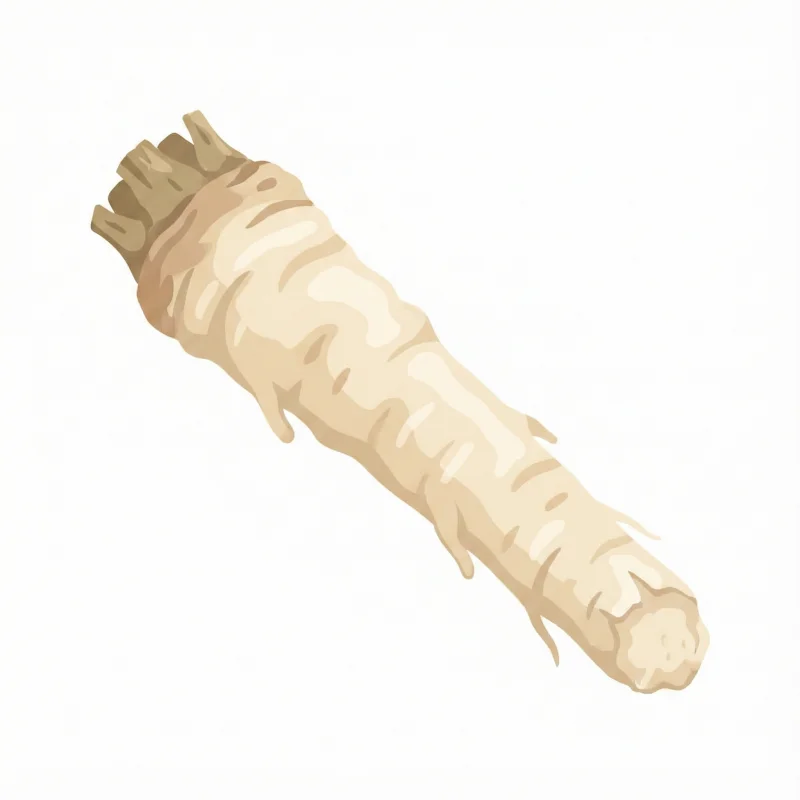
Horseradish is a pungent root vegetable that can add a unique, spicy kick to your baby's meals in tiny amounts. While it's not a nutritional powerhouse like some other first foods, it contains vitamin C to support your baby's immune system1 and B vitamins that help with energy metabolism2. Its strong flavor makes it more of a seasoning than a main ingredient, perfect for introducing new tastes to adventurous little eaters.

PPippin Feeding TeamReviewed by feeding specialists · Updated January 2026
First age6m+
CategoryVegetable
Common allergenNo
Choking riskLow

When can babies eat Horseradish?

You can introduce a tiny amount of horseradish around 6 months, but wait until your baby has tried many milder foods first. Since it's very spicy, it's best used as a flavor enhancer in small quantities mixed with other foods.

Storage tip

Store fresh horseradish root in a plastic bag in the refrigerator for up to 3 weeks. Prepared horseradish (the grated kind in jars) should be refrigerated after opening and used within 3-4 months.

How to serve Horseradish by age

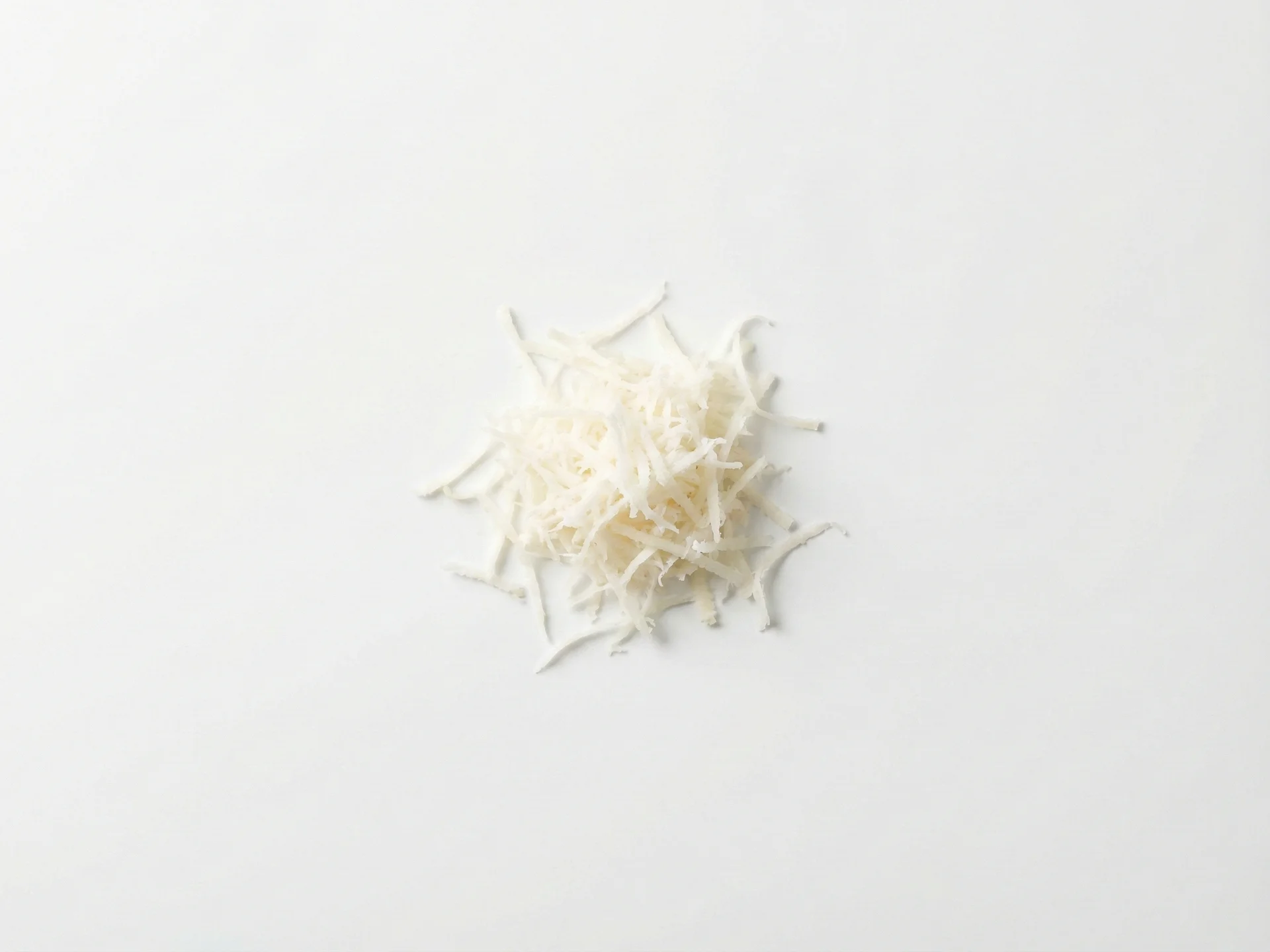
For babies 12 months and older, introduce horseradish in very small amounts to avoid overwhelming their taste buds. Finely grate fresh horseradish root and mix a tiny pinch into soft foods like mashed vegetables, yogurt, or purees. This allows your baby to experience the flavor without the strong heat that might cause discomfort.12 months +

For babies 12 months and older, introduce horseradish in very small amounts to avoid overwhelming their taste buds. Finely grate fresh horseradish root and mix a tiny pinch into soft foods like mashed vegetables, yogurt, or purees. This allows your baby to experience the flavor without the strong heat that might cause discomfort.

  • Use fresh horseradish root and grate it finely just before serving to maximize flavor and minimize spoilage.
  • Mix horseradish into familiar foods like avocado or banana to help your baby accept the new taste.
  • Start with less than 1/4 teaspoon per serving and increase gradually if tolerated.
  • Avoid giving horseradish on its own; always combine it with other foods to dilute the intensity.
  • Monitor your baby for any signs of digestive upset, such as gas or fussiness, and reduce the amount if needed.

Safety & allergens

Choking risk: Low

Horseradish is typically served grated or pureed, which presents minimal choking risk. Always mix it with other foods rather than serving it alone, and ensure any prepared horseradish is smooth without large pieces. For older babies, you can mix a tiny amount into mashed foods.

Not a common allergen

Horseradish is not a top allergen. As with any new food, offer it on its own and watch for any reaction.

Vitamins & minerals

Horseradish provides vitamin C, which helps support your baby's developing immune system1. It also contains B vitamins like B6 and folate (B9) that play important roles in energy production and cell growth2. The potassium in horseradish supports healthy nerve and muscle function3.

Vitamins
Vitamin CVitamin B6Vitamin B9
Minerals
PotassiumMagnesiumPhosphorus

Nutritional synergy

The vitamin C in horseradish can help enhance iron absorption from plant-based foods when served together4. Try mixing a tiny amount with iron-rich foods like lentils or spinach.

Common questions

How much horseradish should I give my baby?

Start with just a tiny pinch (less than ¼ teaspoon) mixed into a larger portion of food. Horseradish is very spicy, so you want to introduce the flavor gradually without overwhelming your baby's sensitive palate.

What if my baby makes a funny face when trying horseradish?

That's completely normal! The strong, spicy flavor of horseradish can surprise babies. If they seem uncomfortable, offer a drink of water or breastmilk/formula. You can try again another day with an even smaller amount mixed into a food they already enjoy.

Can I use prepared horseradish from a jar?

Yes, prepared horseradish is fine, but check the label for added salt, sugar, or preservatives. Look for varieties with minimal ingredients—just horseradish, vinegar, and maybe a little salt. Avoid creamy horseradish sauces that may contain dairy or other allergens.

Sources & references

  1. 1Carr & Maggini, 2017
  2. 2Kennedy, 2016
  3. 3NIH Office of Dietary Supplements, 2022
  4. 4Lynch, 2011