
Sour cream

Dairy

Sour cream

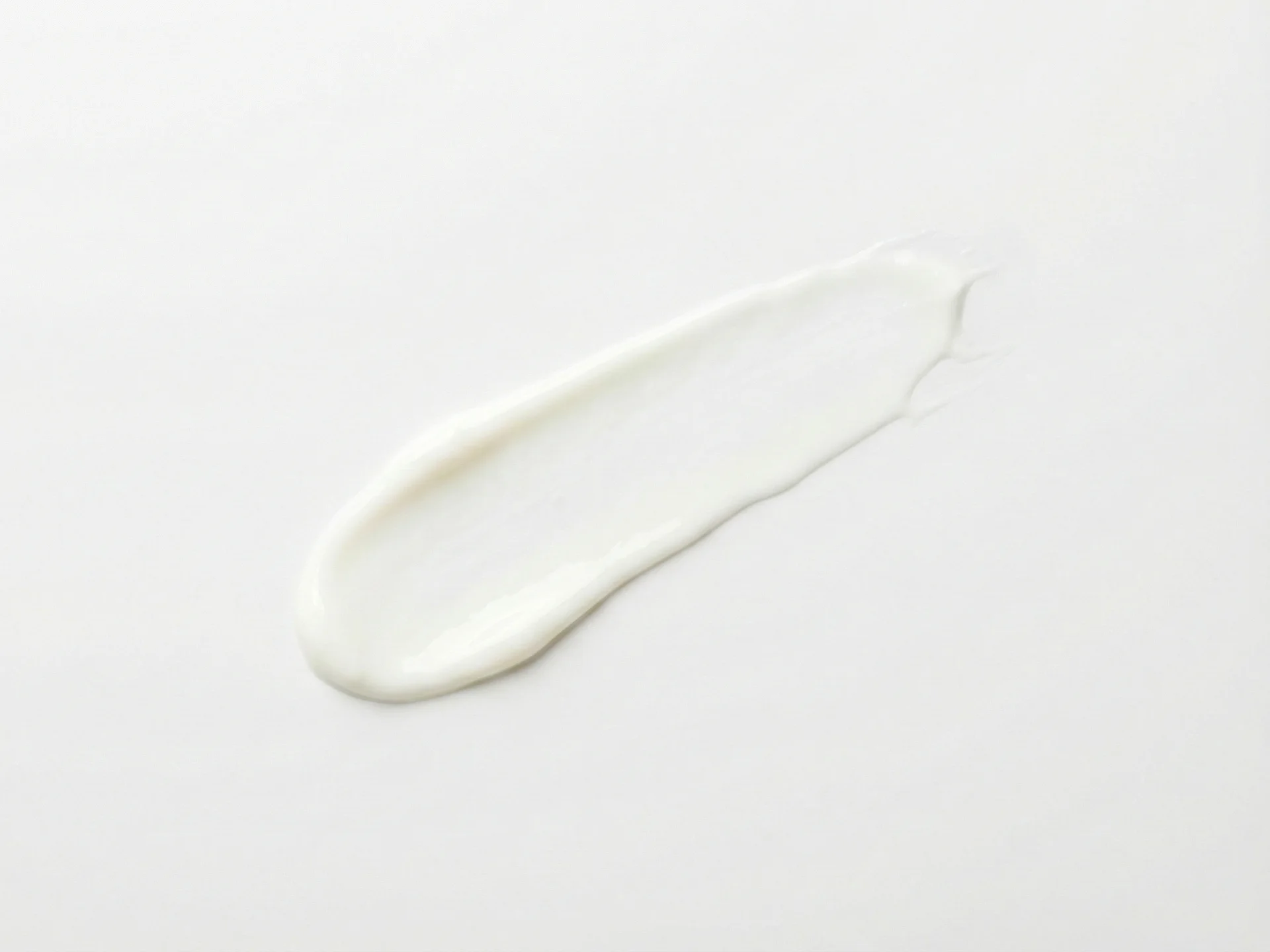
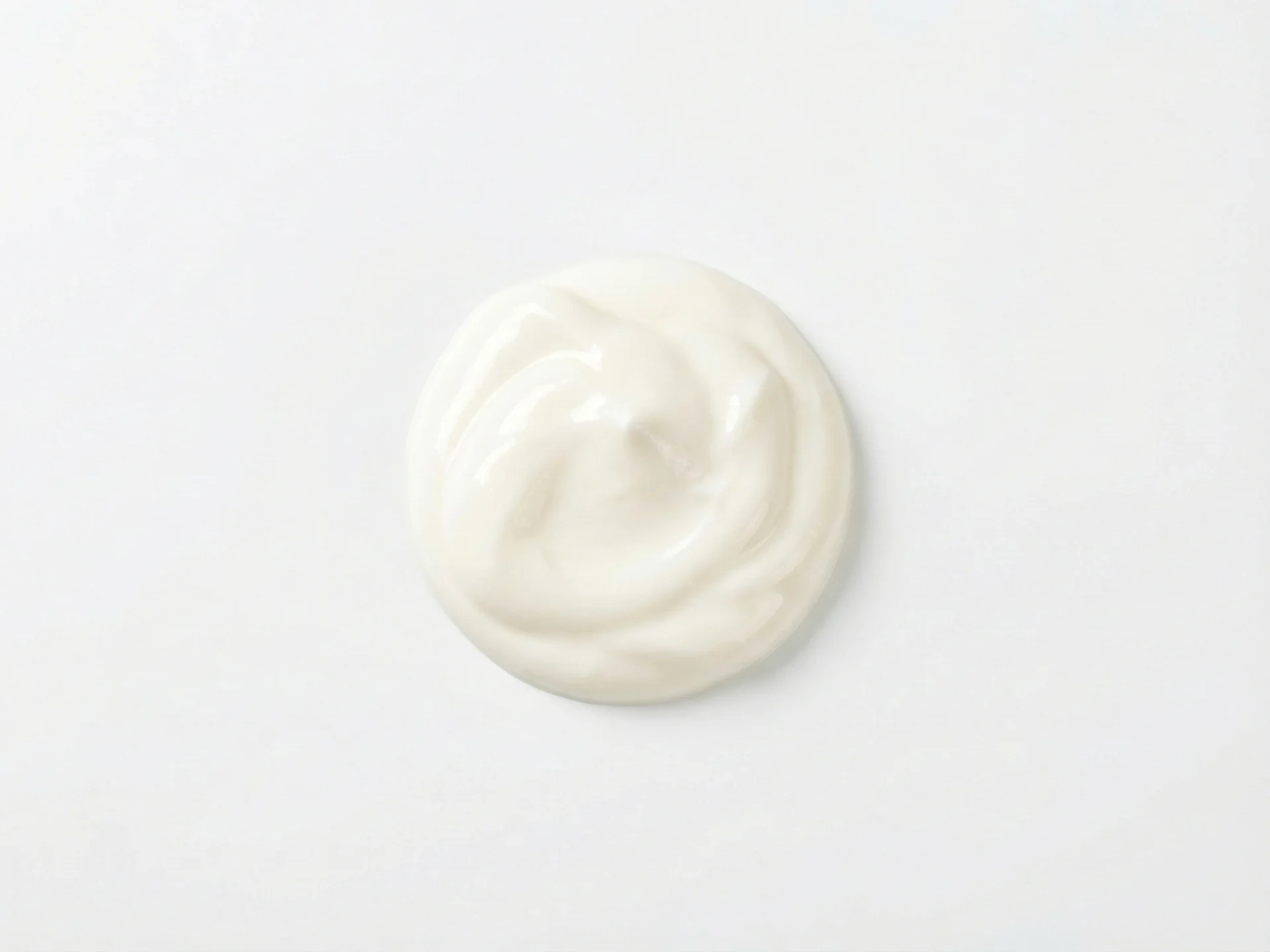
Sour cream is a creamy, tangy dairy product that can add richness and flavor to your baby's meals. It's a good source of calcium for strong bones and teeth1, and contains vitamin B12 which supports healthy brain development2. Its smooth texture makes it easy to mix into purees or spread on soft foods.

PPippin Feeding TeamReviewed by feeding specialists · Updated July 2026
First age6m+
CategoryDairy
Common allergenYes
Choking riskLow

When can babies eat Sour cream?

You can introduce sour cream around 6 months when starting solids, as long as your baby has already tolerated other dairy products like yogurt or cheese without issues.

Storage tip

Keep sour cream refrigerated at all times and use within 1-2 weeks of opening. Always check the expiration date and discard if it develops an off smell or mold.

How to serve Sour cream by age

For babies 8-12 months, serve sour cream in very small amounts, such as a thin smear on soft foods like avocado slices or cooked vegetables. You can also mix a teaspoon into mashed potatoes or oatmeal to add creaminess and flavor. Ensure it's plain, without added salt, sugar, or herbs.8 to 12 months

For babies 8-12 months, serve sour cream in very small amounts, such as a thin smear on soft foods like avocado slices or cooked vegetables. You can also mix a teaspoon into mashed potatoes or oatmeal to add creaminess and flavor. Ensure it's plain, without added salt, sugar, or herbs.

  • Use as a dip for soft, graspable foods like steamed carrot sticks
  • Mix with mashed banana or sweet potato for a creamy texture
  • Avoid serving it alone; always combine with other foods
  • Start with a tiny amount to check for tolerance
  • Choose plain, full-fat sour cream without additives
For toddlers 12 months and up, sour cream can be used more liberally as a topping or ingredient in meals like tacos, baked potatoes, or soups. You can also incorporate it into recipes like muffins or pancakes for added moisture. Still opt for plain versions to control sodium and sugar intake.12 months +

For toddlers 12 months and up, sour cream can be used more liberally as a topping or ingredient in meals like tacos, baked potatoes, or soups. You can also incorporate it into recipes like muffins or pancakes for added moisture. Still opt for plain versions to control sodium and sugar intake.

  • Stir into scrambled eggs or casseroles for extra creaminess
  • Use as a base for mild, homemade dips with pureed veggies
  • Spread thinly on whole-grain toast with mashed fruit
  • Monitor portions to avoid displacing more nutrient-dense foods
  • Introduce herbed varieties gradually if desired

Safety & allergens

Choking risk: Low

Sour cream has a smooth, spreadable texture that poses minimal choking risk when served appropriately. For babies under 12 months, mix it into other foods rather than serving it alone. Avoid giving large spoonfuls that could cause gagging.

Common allergen

Cow's milk allergy affects about 2-3% of infants and young children3.

Watch for symptoms:

  • Hives
  • Swelling of lips or face
  • Vomiting or diarrhea
  • Wheezing or difficulty breathing

Since sour cream contains milk proteins, introduce a small amount (about 1/2 teaspoon) and watch for reactions over 2-3 days4. If your baby has already tolerated other dairy products, the risk is lower, but still monitor closely. Consult your pediatrician if you have concerns about food allergies.

Vitamins & minerals

Sour cream provides calcium that helps build strong bones and teeth1, and vitamin B12 which is essential for brain development and nervous system function2. It also contains phosphorus that works with calcium for bone health5, and selenium which supports immune function6.

Vitamins
Vitamin AVitamin B2Vitamin B12
Minerals
CalciumPhosphorusSelenium

Nutritional synergy

Pair sour cream with vitamin C-rich foods like berries or bell peppers, as vitamin C enhances iron absorption from other foods in the meal7.

Common questions

Is sour cream too fatty for my baby?

Babies need healthy fats for brain development, and the fat in sour cream helps them absorb fat-soluble vitamins. Just use it in moderation—a teaspoon mixed into vegetables or grains adds creaminess without overdoing it.

What's the difference between sour cream and yogurt for babies?

Both are dairy products, but yogurt has more protein and probiotics that support gut health. Sour cream is higher in fat and has a tangier flavor. You can offer both as part of a varied diet.

Can I use sour cream instead of milk in recipes?

Yes! It works well in mashed potatoes, pureed soups, or mixed into oatmeal for extra creaminess. Just remember it's thicker than milk, so you may need to thin it with a little water or breast milk.

Sources & references

  1. 1NIH Office of Dietary Supplements, 2023
  2. 2NIH Office of Dietary Supplements, 2023
  3. 3Sicherer et al., 2014
  4. 4American Academy of Pediatrics, 2023
  5. 5NIH Office of Dietary Supplements, 2023
  6. 6NIH Office of Dietary Supplements, 2023
  7. 7Lynch et al., 2018