Coconut yogurt

Fruit

Coconut yogurt

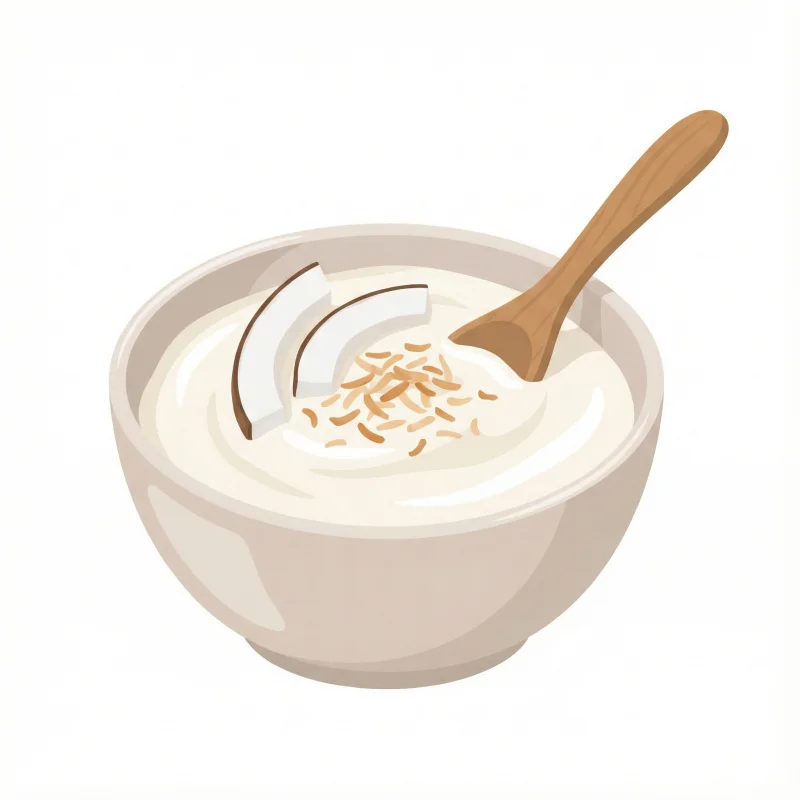
Coconut yogurt is a creamy, dairy-free option that many babies enjoy for its smooth texture and mild, slightly sweet taste. It's a great source of healthy fats that support brain development1 and contains beneficial probiotics that can help maintain a healthy gut microbiome2. Plus, it's naturally lactose-free, making it gentle on sensitive tummies.

PPippin Feeding TeamReviewed by feeding specialists · Updated January 2026
First age6m+
CategoryFruit
Common allergenNo
Choking riskLow

When can babies eat Coconut yogurt?

You can introduce coconut yogurt around 6 months when your baby starts solids, just like other first foods. It's a wonderful alternative if you're avoiding dairy or want to offer variety.

Storage tip

Keep coconut yogurt refrigerated and use it by the 'use by' date on the package. Once opened, it stays fresh for about 5-7 days in the fridge.

How to serve Coconut yogurt by age

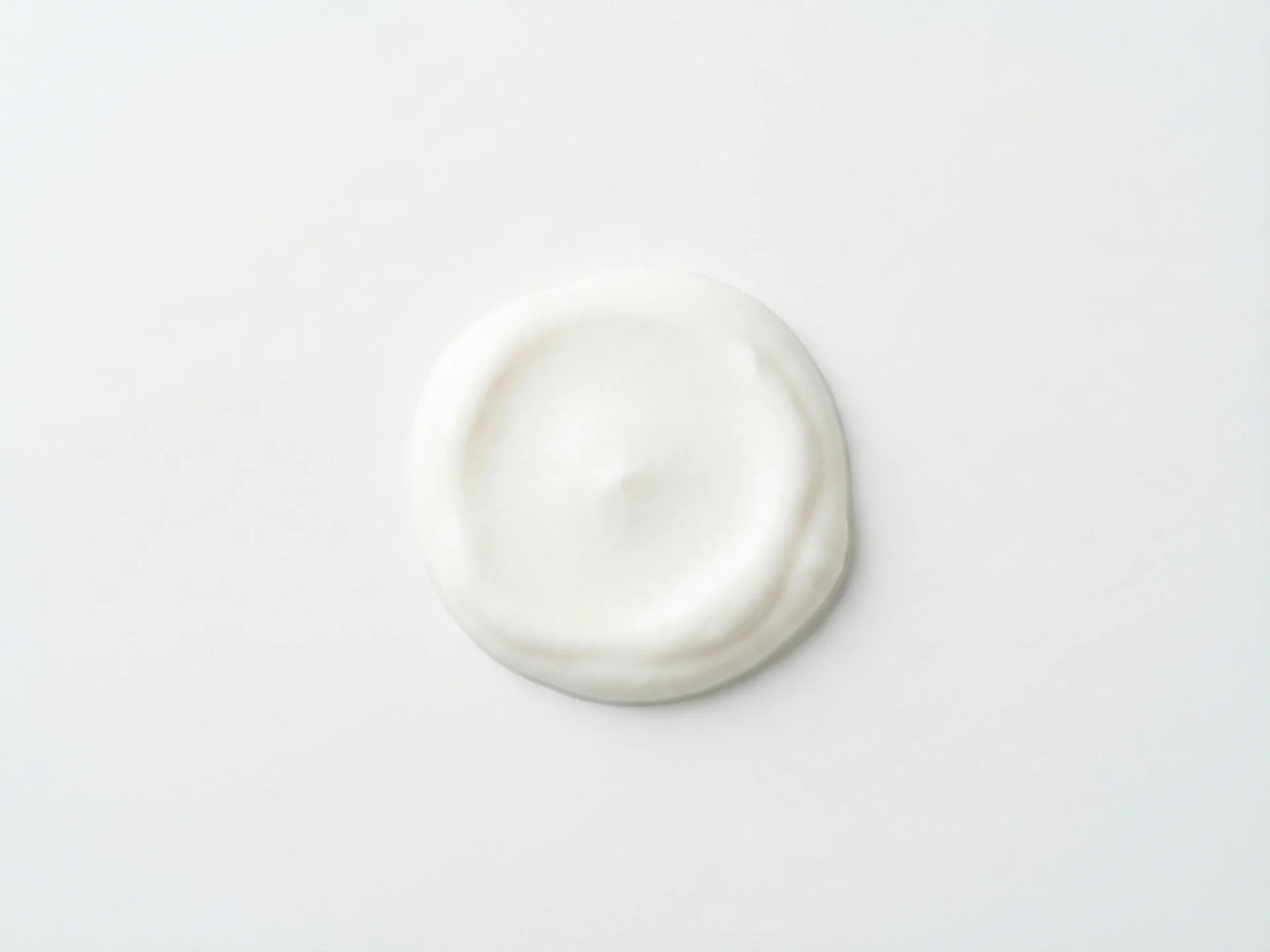
Serve coconut yogurt in a thick, scoopable consistency to help your baby practice self-feeding. Offer it on a pre-loaded spoon or let them dip their hands, and avoid adding sweeteners or large chunks. The smooth texture is ideal for early eaters who are still developing their chewing skills.6 to 9 months

Serve coconut yogurt in a thick, scoopable consistency to help your baby practice self-feeding. Offer it on a pre-loaded spoon or let them dip their hands, and avoid adding sweeteners or large chunks. The smooth texture is ideal for early eaters who are still developing their chewing skills.

  • Use a soft-tipped spoon pre-loaded with yogurt for your baby to grasp.
  • Offer small amounts in a suction bowl to prevent spills.
  • Mix with breast milk or formula to thin it slightly if needed.
  • Avoid honey or added sugars in yogurt for babies under 12 months.
  • Supervise closely to ensure your baby doesn't overstuff their mouth.
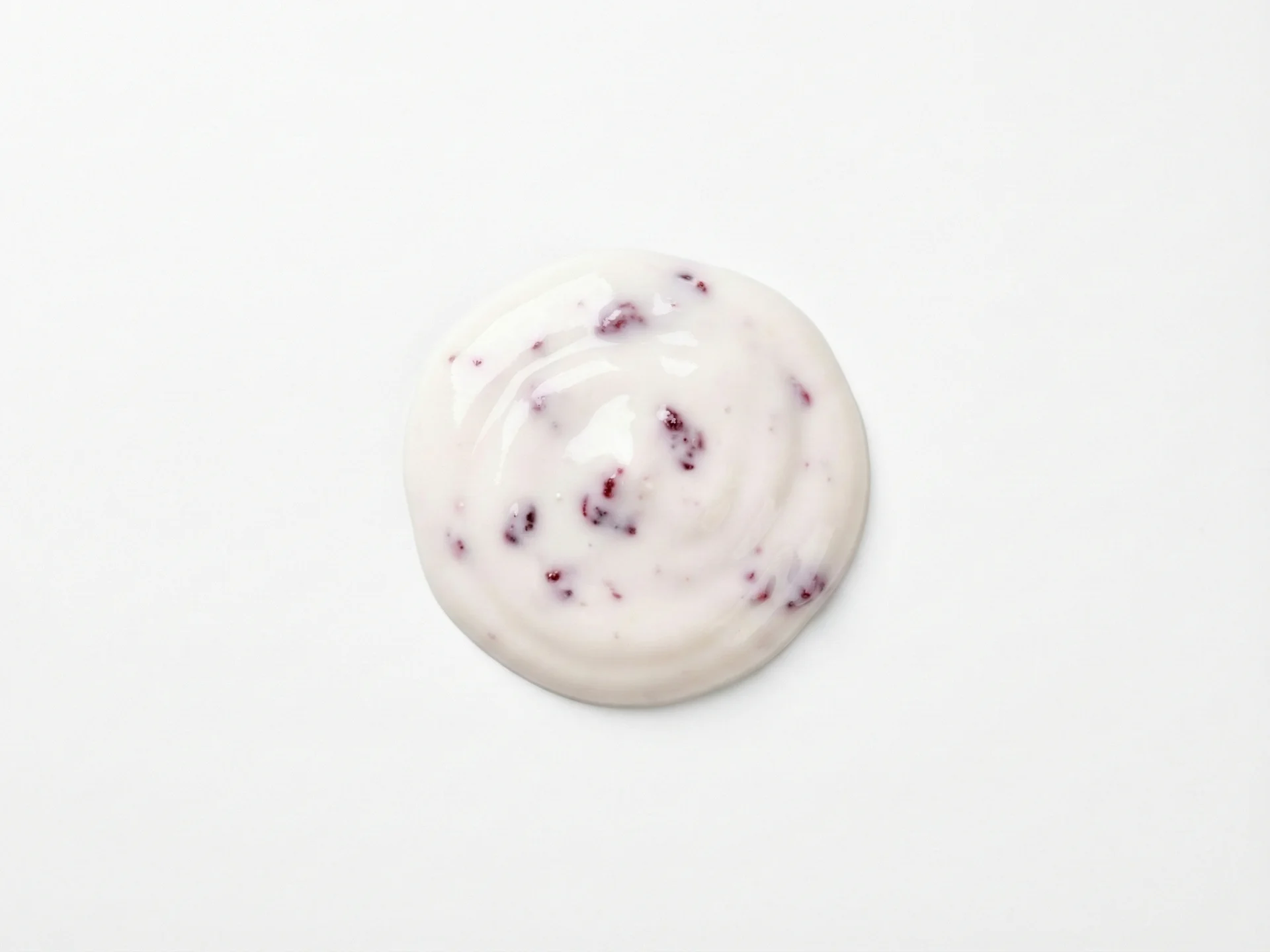
As your baby's pincer grasp improves, serve coconut yogurt with soft mix-ins like mashed berries or finely chopped fruits to add texture and nutrients. You can also use it as a dip for soft vegetables or spread it on crackers. Encourage self-feeding with utensils to develop coordination.9 months +

As your baby's pincer grasp improves, serve coconut yogurt with soft mix-ins like mashed berries or finely chopped fruits to add texture and nutrients. You can also use it as a dip for soft vegetables or spread it on crackers. Encourage self-feeding with utensils to develop coordination.

  • Add mashed bananas or avocados for extra creaminess and nutrients.
  • Use yogurt as a base for smoothies with spinach or other greens.
  • Offer in a bowl with a child-safe spoon for practice.
  • Combine with cooked quinoa or rice for a hearty meal.
  • Store leftovers in ice cube trays for easy portioning.

Safety & allergens

Choking risk: Low

Coconut yogurt is naturally soft and smooth, making it a low choking risk. For added safety, serve it on a pre-loaded spoon or mix it with other purees to avoid large globs. Always supervise your baby during feeding.

Not a common allergen

Coconut yogurt is not a top allergen. As with any new food, offer it on its own and watch for any reaction.

Vitamins & minerals

Coconut yogurt provides key nutrients for your baby's growth. It contains medium-chain triglycerides (MCTs), a type of healthy fat that is easily absorbed and supports energy and brain development1. The probiotics in coconut yogurt help promote a balanced gut flora, which is important for digestion and immune function2. It also offers minerals like calcium for strong bones and iron for healthy blood cells3.

Vitamins
Vitamin CVitamin B1Vitamin B2Vitamin B3Vitamin B6Vitamin B9
Minerals
IronCalciumMagnesiumPotassiumPhosphorusSelenium

Nutritional synergy

Pair coconut yogurt with vitamin C-rich fruits like strawberries or mango to enhance iron absorption4. The healthy fats in coconut also help your baby absorb fat-soluble vitamins from other foods5.

Common questions

How do I choose a good coconut yogurt for my baby?

Look for unsweetened, plain varieties with no added sugars or artificial ingredients. Check the label for live active cultures (probiotics) and minimal additives. Organic options are great if available.

What if my baby doesn't like the taste at first?

It's common for babies to need several tries to accept new flavors. You can mix coconut yogurt with familiar fruits like banana or applesauce to make it more appealing. Keep offering small amounts without pressure.

Can I use coconut yogurt if my baby has a dairy allergy?

Yes, coconut yogurt is dairy-free and safe for babies with cow's milk protein allergy. However, always introduce it slowly and watch for any reactions, as individual sensitivities can vary. Consult your pediatrician if you have concerns.

Sources & references

  1. 1St-Onge et al., 2003
  2. 2Hill et al., 2014
  3. 3USDA FoodData Central, 2024
  4. 4Teucher et al., 2004
  5. 5Borel et al., 2013