Shrimp

Protein

Shrimp

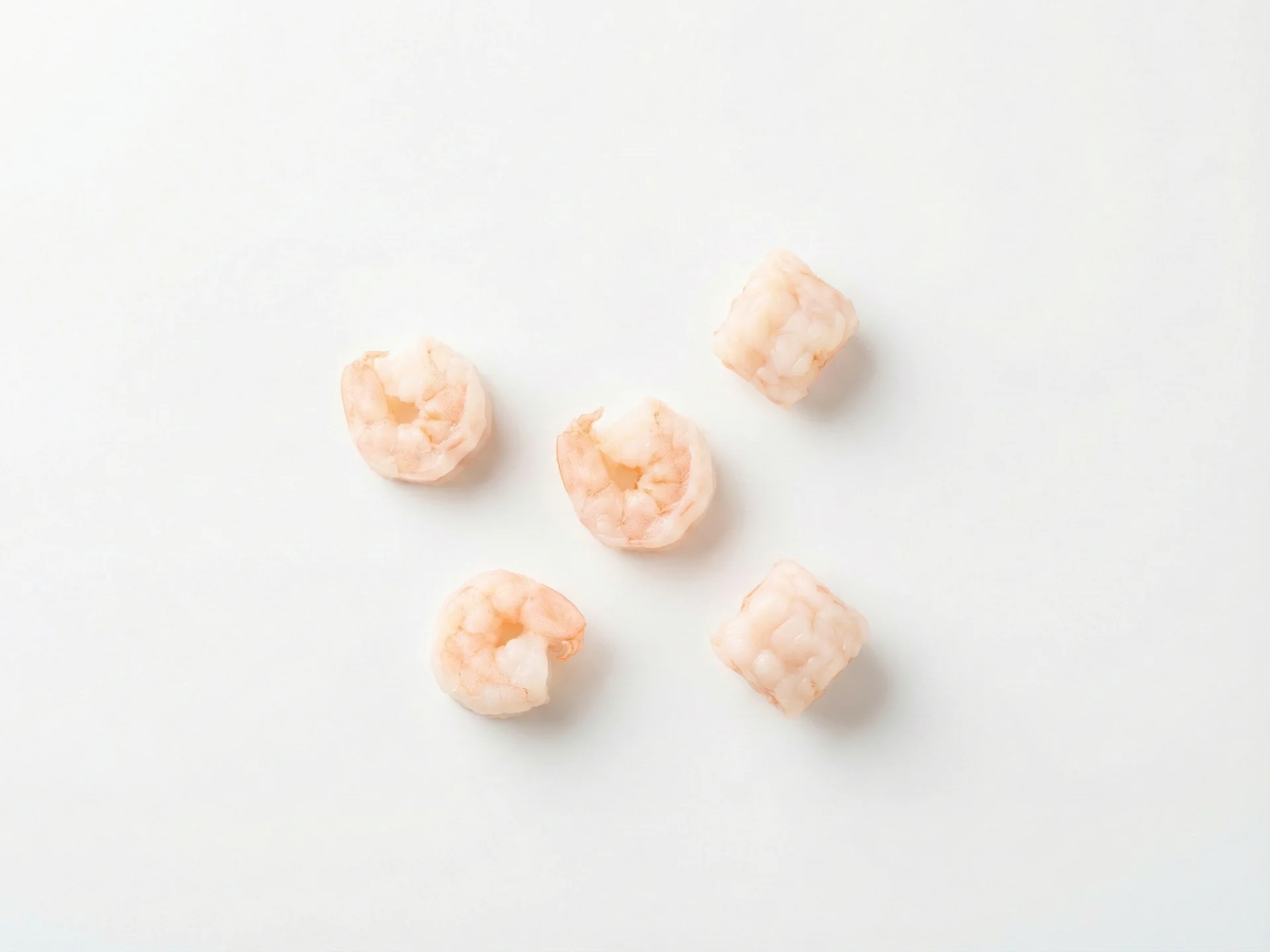
Shrimp is a tasty, tender seafood that can be a wonderful source of lean protein for your baby. It's packed with nutrients like Vitamin B12, which supports healthy brain development1, and selenium, an important antioxidant2. Its mild, slightly sweet flavor and soft texture when cooked make it appealing for little ones exploring new foods.

PPippin Feeding TeamReviewed by feeding specialists · Updated July 2026
First age6m+
CategoryProtein
Common allergenYes
Choking riskMedium

When can babies eat Shrimp?

Shrimp can be introduced around 6 months, when your baby starts solids, but it's a common allergen, so many parents choose to introduce it a bit later, after other single-ingredient foods. Always consult your pediatrician, especially if there's a family history of shellfish allergies.

Storage tip

Store raw shrimp in the coldest part of your refrigerator and use within 1-2 days, or freeze for up to 3 months. Cooked shrimp can be refrigerated for 3-4 days. For baby food, freeze pureed or finely chopped shrimp in ice cube trays for easy portions.

How to serve Shrimp by age

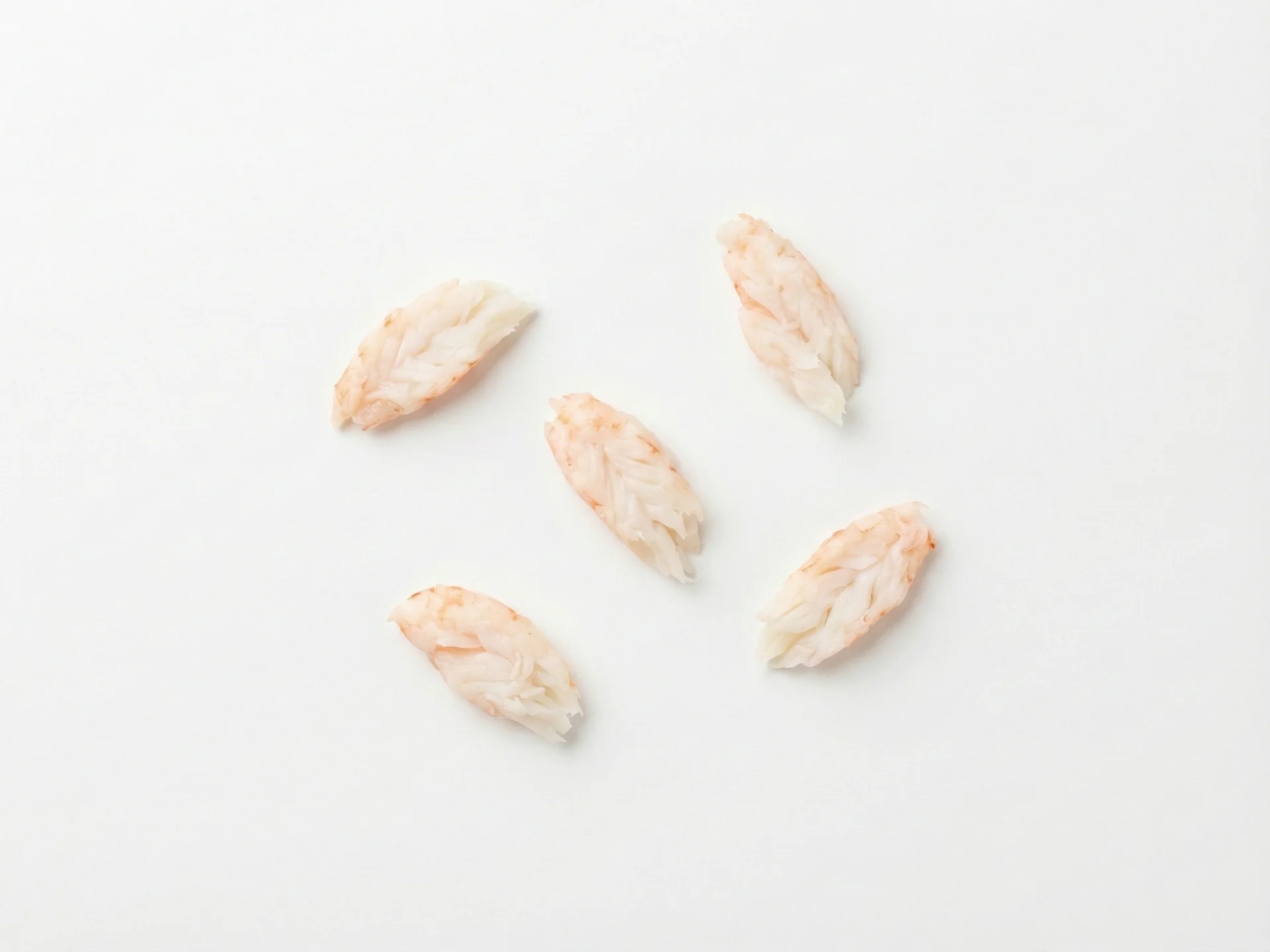
For babies 6-9 months, cook shrimp until fully opaque and tender, then cut into small, flattened pieces or shreds that are easy to grasp. Avoid round shapes that could pose a choking hazard. Steaming or boiling without salt is ideal to keep it soft and mild.6 to 9 months

For babies 6-9 months, cook shrimp until fully opaque and tender, then cut into small, flattened pieces or shreds that are easy to grasp. Avoid round shapes that could pose a choking hazard. Steaming or boiling without salt is ideal to keep it soft and mild.

  • Cook shrimp until it's pink and opaque throughout
  • Cut into dime-sized pieces or shred with a fork
  • Serve plain without added salt or spices
  • Offer as a finger food for self-feeding practice
  • Always supervise closely during meals
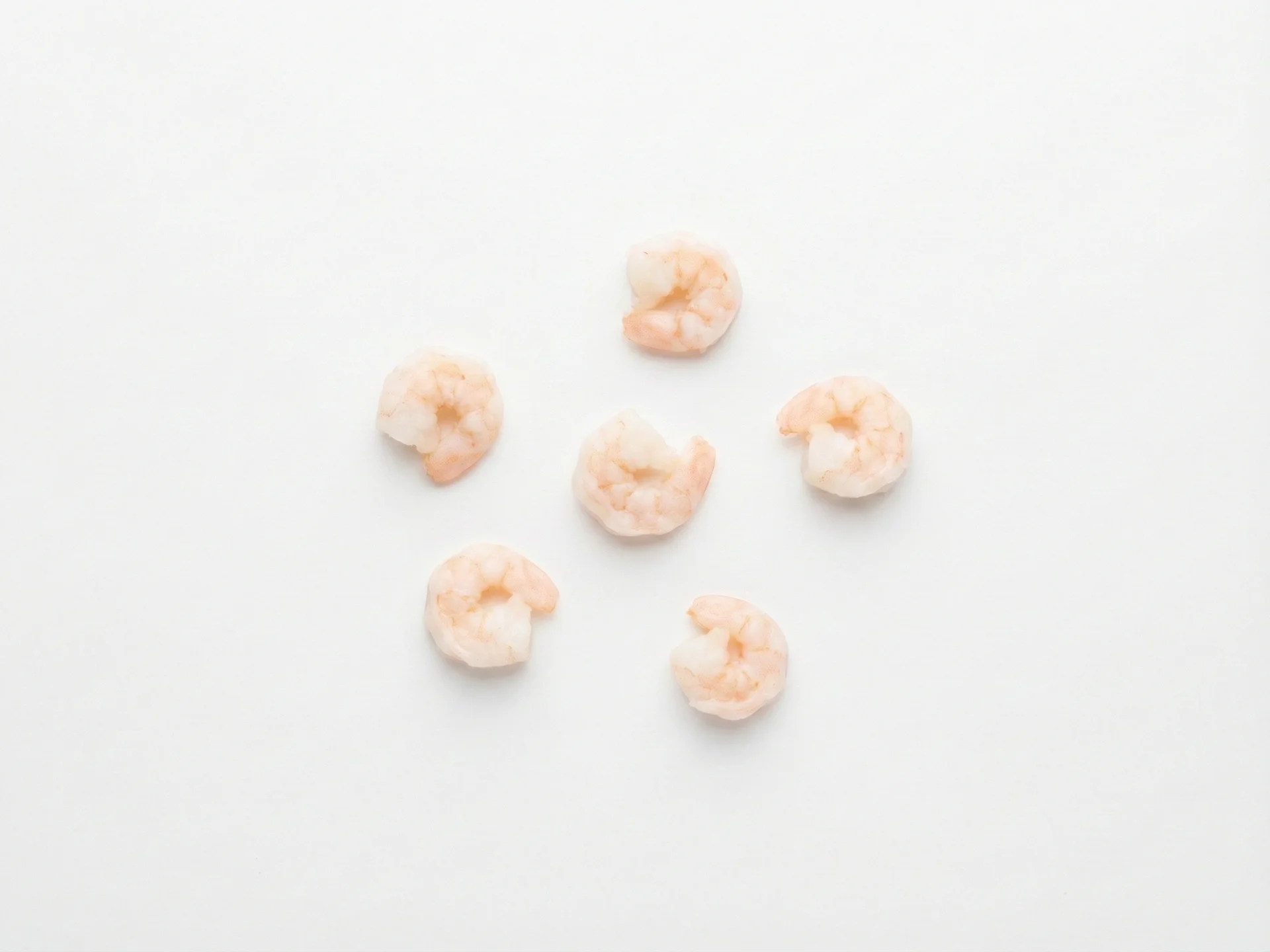
For babies 9-12 months, you can offer slightly larger pieces as their chewing skills improve. Cook shrimp until tender and cut into bite-sized chunks or strips. You can lightly season with baby-safe herbs like parsley or mix into soft foods.9 to 12 months

For babies 9-12 months, you can offer slightly larger pieces as their chewing skills improve. Cook shrimp until tender and cut into bite-sized chunks or strips. You can lightly season with baby-safe herbs like parsley or mix into soft foods.

  • Cut into strips or small chunks for easier handling
  • Mix shredded shrimp into mashed vegetables or grains
  • Avoid tough or rubbery textures by not overcooking
  • Introduce mild seasonings like a pinch of garlic powder
  • Continue to monitor for choking risks
For toddlers 12 months and up, shrimp can be served in more varied ways, such as in patties, stir-fries, or as part of family meals. Ensure it's cooked thoroughly and cut into age-appropriate sizes, and you can gradually introduce more seasonings.12 months +

For toddlers 12 months and up, shrimp can be served in more varied ways, such as in patties, stir-fries, or as part of family meals. Ensure it's cooked thoroughly and cut into age-appropriate sizes, and you can gradually introduce more seasonings.

  • Incorporate shrimp into recipes like shrimp patties or pasta dishes
  • Cut into pieces small enough to prevent choking
  • Use in moderation as part of a balanced diet
  • Watch for signs of shellfish allergy as consumption increases
  • Pair with colorful veggies to make meals appealing

Safety & allergens

Choking risk: Medium

Shrimp can be a choking hazard if not prepared properly. For babies, always cook shrimp thoroughly until opaque and firm, then chop, mince, or puree it to a texture appropriate for their age. Avoid whole or large pieces, and always supervise your baby during meals.

Common allergen

Shellfish allergy, including shrimp, affects about 0.5-2% of the general population, with shrimp being one of the most common triggers3. In babies, it's less common but still a significant allergen to watch for.

Watch for symptoms:

  • Hives
  • Swelling (especially of the face, lips, or tongue)
  • Digestive upset (vomiting, diarrhea)
  • Wheezing or difficulty breathing
  • Anaphylaxis (severe, life-threatening reaction)4

Introduce shrimp in a very small amount (e.g., a teaspoon of puree) and watch closely for any reactions over the next 24-48 hours5. It's best to offer it at home, not at daycare or while traveling, and have your pediatrician's contact handy. If there's a family history of shellfish allergies, talk to your doctor first.

Vitamins & minerals

Shrimp is rich in protein for growth and development, and it provides key nutrients like Vitamin B12, which is essential for nerve function and red blood cell formation1. It's also an excellent source of selenium, which supports the immune system2, and iodine, important for thyroid health6. The zinc and copper in shrimp contribute to a healthy immune response and energy metabolism7.

Vitamins
Vitamin B12Vitamin DVitamin EVitamin B3
Minerals
SeleniumIodineZincPhosphorusCopper

Nutritional synergy

Pair shrimp with foods high in Vitamin C, like bell peppers or citrus, to enhance iron absorption if you're serving iron-fortified grains or other iron sources alongside it8. The healthy fats in avocado or olive oil can also help absorb fat-soluble vitamins like Vitamin D and E from shrimp.

Common questions

How do I know if shrimp is cooked safely for my baby?

Cook shrimp until it turns pink and opaque all the way through, with a firm texture. Avoid undercooked or raw shrimp, as it can harbor bacteria. For babies, it's best to steam, boil, or bake it without added salt or heavy spices.

What if my baby has a reaction to shrimp?

Stop feeding shrimp immediately and contact your pediatrician or seek emergency care if symptoms are severe (like trouble breathing). For mild reactions like a few hives, monitor your baby and discuss with your doctor before trying shrimp again. Keep a food diary to track what happened.

Can I use frozen shrimp for baby food?

Yes, frozen shrimp is a convenient and safe option—just thaw it in the refrigerator overnight before cooking. Look for shrimp without added salt or preservatives. After cooking, you can puree or chop it as needed for your baby's age.

Sources & references

  1. 1National Institutes of Health, 2021
  2. 2Rayman, 2012
  3. 3Sicherer et al., 2010
  4. 4American College of Allergy, Asthma & Immunology, 2023
  5. 5American Academy of Pediatrics, 2020
  6. 6Zimmermann, 2009
  7. 7Prasad, 2013
  8. 8Teucher et al., 2004