FoodsFruitPomegranate
Pomegranate

Fruit

Pomegranate

Pomegranate is a vibrant, sweet-tart fruit that's a fun and nutritious addition to your baby's diet. Its juicy arils (the edible seeds) are packed with vitamin C, which supports a healthy immune system and helps with iron absorption from other foods.[1] The fruit also contains antioxidants that may protect cells from damage.[2]

6m+Not a common allergenChoking risk: Medium
First age6m+
CategoryFruit
Common allergenNo
Choking riskMedium

When can babies eat Pomegranate?

You can introduce pomegranate around 6 months when starting solids, as long as it's prepared safely to avoid choking. It's a great finger food option once your baby develops a pincer grasp.

How to serve Pomegranate by age

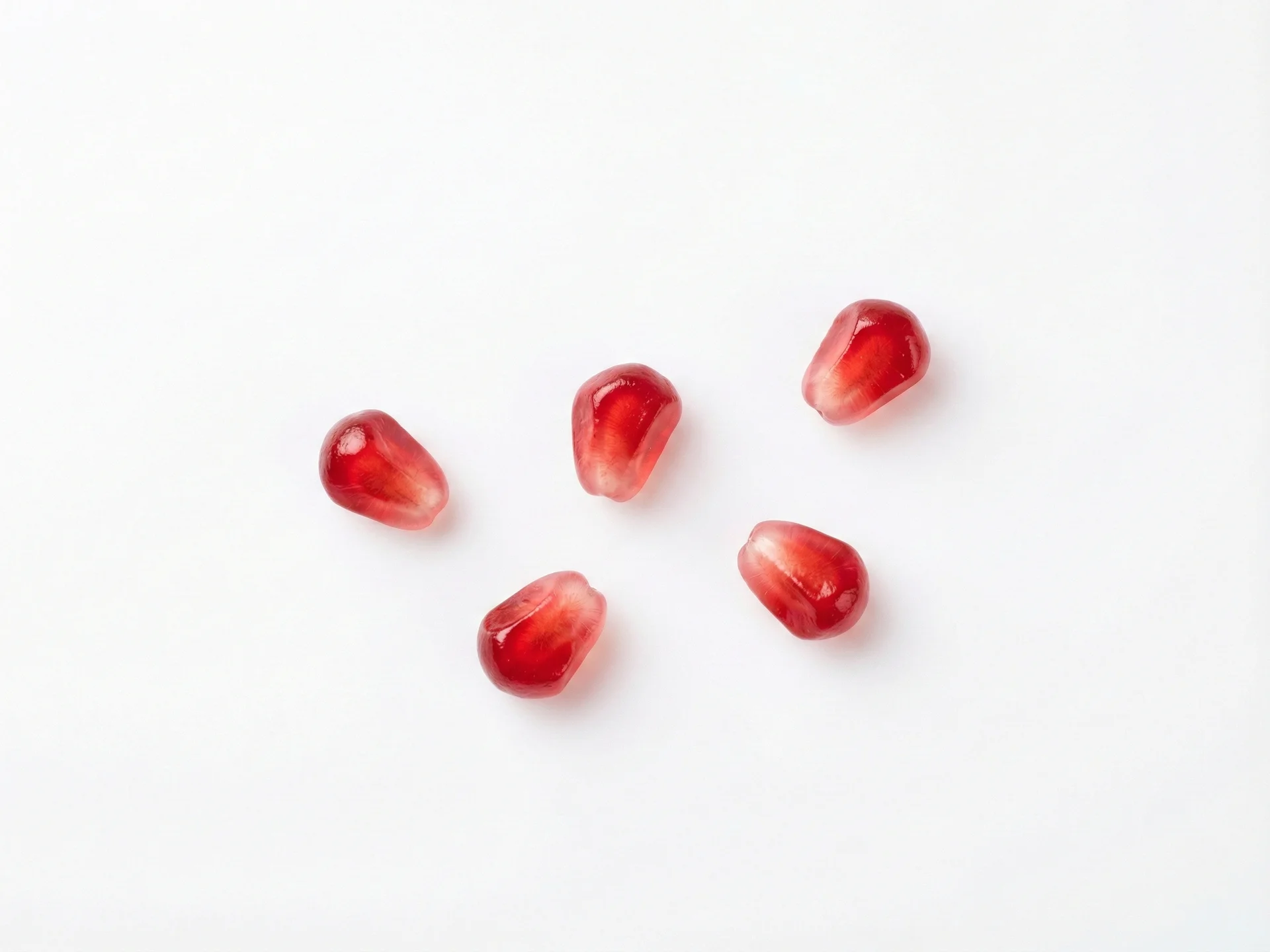
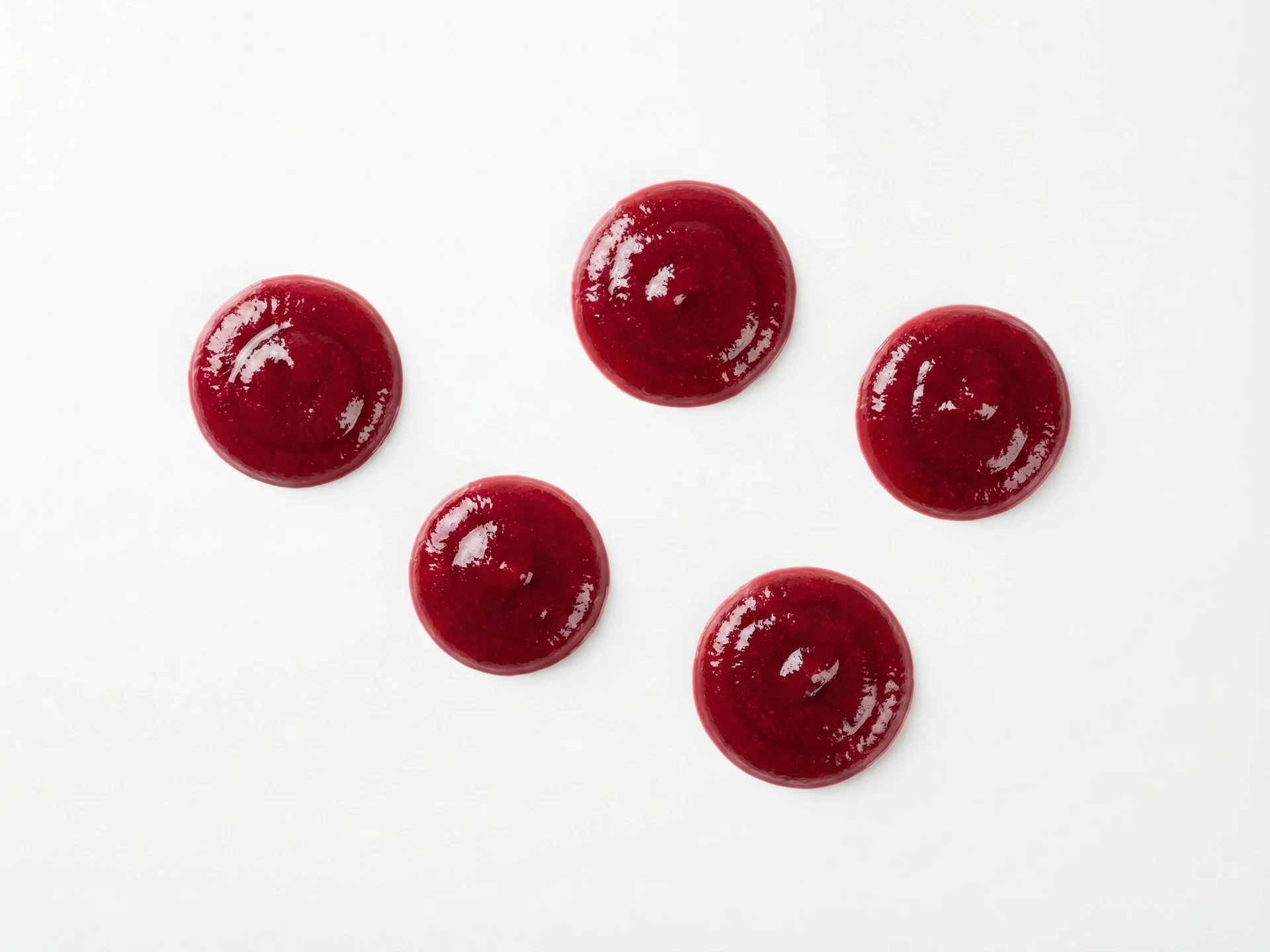
For babies 6-9 months, mash pomegranate arils thoroughly with a fork to break them down, or blend into a smooth puree. You can also place the arils in a mesh feeder for safe sucking and chewing. Avoid whole arils at this age due to choking risk.
6 to 9 months

For babies 6-9 months, mash pomegranate arils thoroughly with a fork to break them down, or blend into a smooth puree. You can also place the arils in a mesh feeder for safe sucking and chewing. Avoid whole arils at this age due to choking risk.

  • Use a mesh feeder to let baby explore the texture safely
  • Mix mashed pomegranate with yogurt or oatmeal for added nutrition
  • Remove all white membrane before mashing
  • Start with small amounts to check for any digestive sensitivity
  • Supervise closely during feeding
For babies 9 months and older, you can offer individual pomegranate arils with close supervision, as they develop better chewing skills. Ensure the arils are juicy and soft, and continue to remove any bitter white membrane. You can also add whole arils to salads or grain bowls.
9 months +

For babies 9 months and older, you can offer individual pomegranate arils with close supervision, as they develop better chewing skills. Ensure the arils are juicy and soft, and continue to remove any bitter white membrane. You can also add whole arils to salads or grain bowls.

  • Offer arils one at a time to practice pincer grasp
  • Mix with other soft fruits like banana or avocado
  • Use as a topping for pancakes or toast strips
  • Continue to supervise during meals
  • Watch for any difficulty with the seeds

Safety & allergens

Choking risk: Medium

Pomegranate arils are small and slippery, posing a choking risk if served whole to young babies. For babies under 12 months, always crush or mash the arils thoroughly to break the seeds inside. For older babies, you can serve whole arils once they can chew well, but supervise closely.

Not a common allergen

Pomegranate is not a top allergen. As with any new food, offer it on its own and watch for any reaction.

Vitamins & minerals

Pomegranate is an excellent source of vitamin C, providing about 10.2 mg per 100g, which helps boost your baby's immune function and enhances iron absorption from plant-based foods.[1] It also contains vitamin K for healthy blood clotting and bone development,[3] and potassium which supports heart and muscle function.[4] The copper and manganese in pomegranate contribute to energy production and antioxidant defense.[5]

Vitamins
Vitamin VITAMIN CVitamin VITAMIN KVitamin VITAMIN B5Vitamin VITAMIN B6Vitamin VITAMIN B9
Minerals
PotassiumCopperManganese