Buckwheat

Grain

Buckwheat

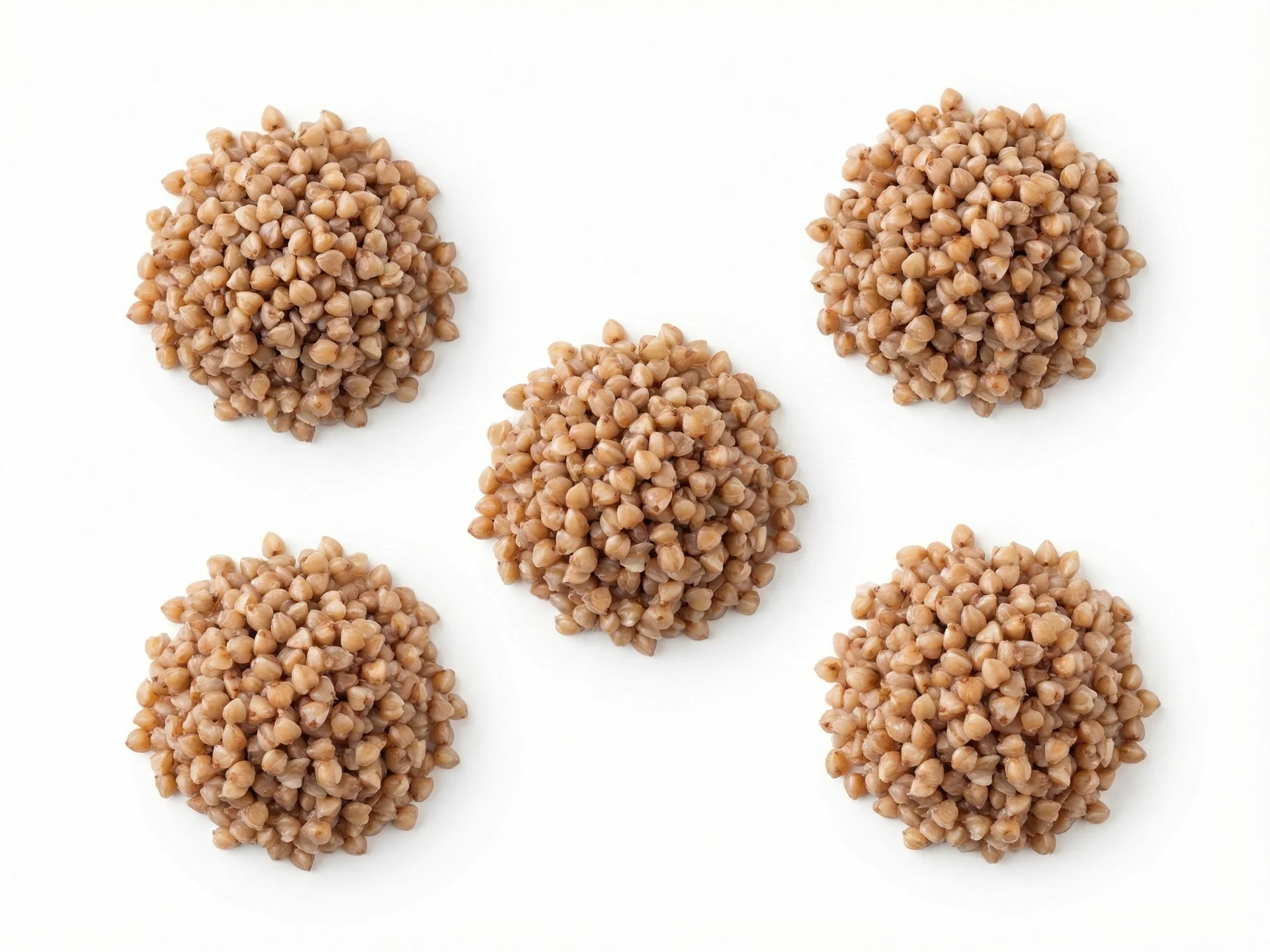
Buckwheat is a nutritious, gluten-free grain that's perfect for introducing to your baby around 6 months. It has a mild, nutty flavor and soft texture that many babies enjoy, plus it's packed with B vitamins that help support your baby's energy metabolism and nervous system development.1 The iron content is particularly valuable for preventing anemia as your baby grows.2

PPippin Feeding TeamReviewed by feeding specialists · Updated January 2026
First age6m+
CategoryGrain
Common allergenYes
Choking riskLow

When can babies eat Buckwheat?

You can introduce buckwheat around 6 months when your baby shows readiness for solids, just like other single-ingredient grains. It's a great alternative to rice or oatmeal for variety.

Storage tip

Store uncooked buckwheat groats in an airtight container in a cool, dark place for up to 6 months. Cooked buckwheat can be refrigerated for 3-4 days or frozen for up to 2 months.

How to serve Buckwheat by age

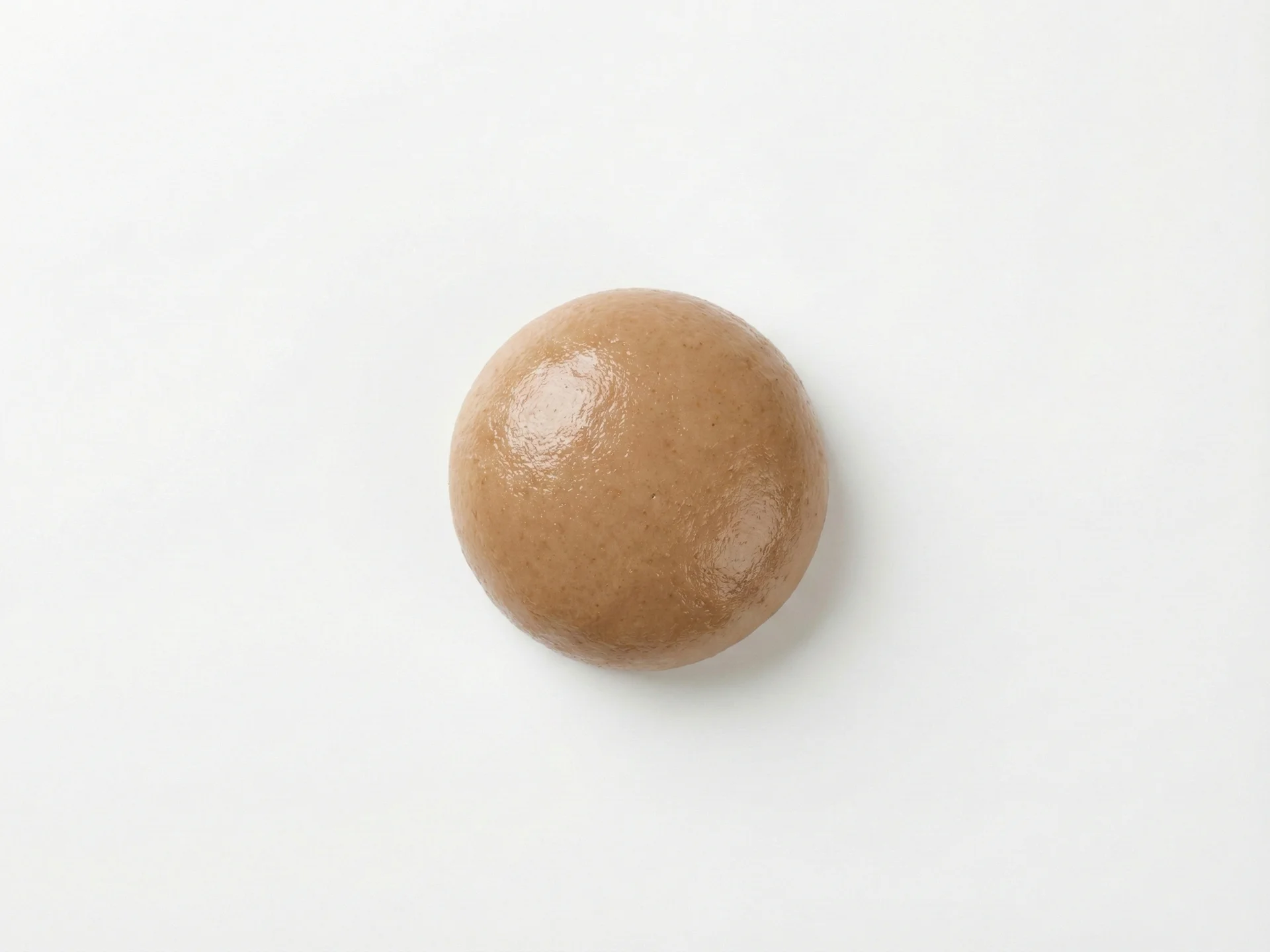
For babies 6-9 months, cook buckwheat groats until very soft and mushy, similar to a thick porridge. Mash it well with a fork or blend lightly to create a smooth, lump-free texture that's easy for your baby to gum. Serve in small, manageable spoonfuls or let them explore with their hands.6 to 9 months

For babies 6-9 months, cook buckwheat groats until very soft and mushy, similar to a thick porridge. Mash it well with a fork or blend lightly to create a smooth, lump-free texture that's easy for your baby to gum. Serve in small, manageable spoonfuls or let them explore with their hands.

  • Rinse buckwheat before cooking to remove any bitterness.
  • Use a 1:2 ratio of buckwheat to water for a soft consistency.
  • Mix with breast milk, formula, or pureed fruits for added nutrition and flavor.
  • Always test the temperature before serving to avoid burns.
  • Offer on a highchair tray to encourage self-feeding.
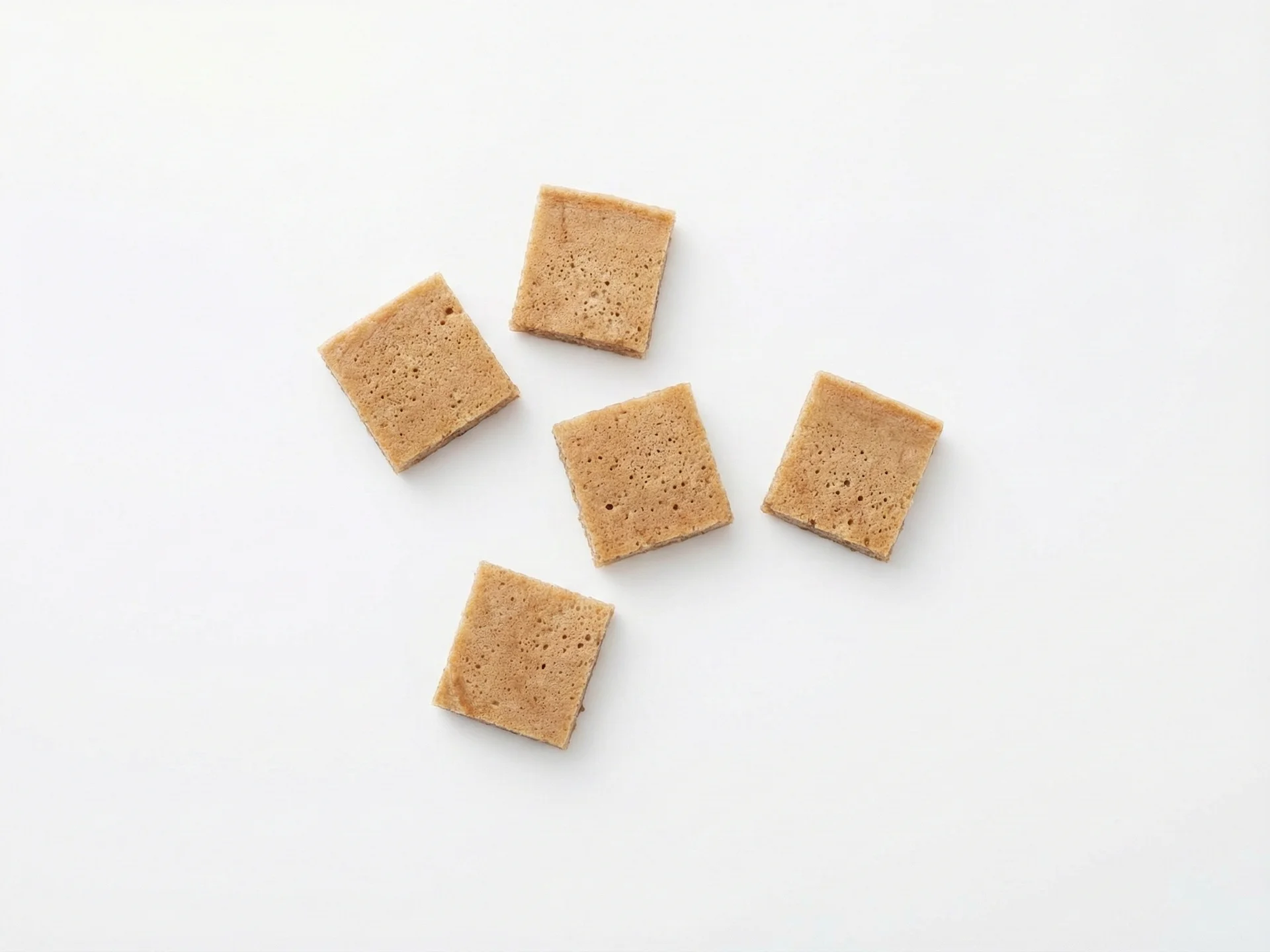
For babies 9-12 months, you can offer buckwheat with more texture, such as slightly firmer cooked groats or soft buckwheat pancakes. Cut pancakes into finger-sized strips or small, bite-sized pieces to support developing pincer grasp. This helps build chewing skills and independence.9 to 12 months

For babies 9-12 months, you can offer buckwheat with more texture, such as slightly firmer cooked groats or soft buckwheat pancakes. Cut pancakes into finger-sized strips or small, bite-sized pieces to support developing pincer grasp. This helps build chewing skills and independence.

  • Cook buckwheat until tender but not mushy to encourage chewing.
  • Make buckwheat pancakes with minimal added sugar or salt.
  • Combine with soft vegetables like mashed sweet potato for variety.
  • Supervise closely as they practice picking up smaller pieces.
  • Introduce buckwheat in different forms, like mixed into yogurt or soups.
For toddlers 12 months and up, buckwheat can be served in more diverse ways, such as in salads, as a side dish, or in baked goods. Encourage self-feeding with utensils and offer it alongside other family foods to promote healthy eating habits. Ensure pieces are still soft and easy to chew.12 months +

For toddlers 12 months and up, buckwheat can be served in more diverse ways, such as in salads, as a side dish, or in baked goods. Encourage self-feeding with utensils and offer it alongside other family foods to promote healthy eating habits. Ensure pieces are still soft and easy to chew.

  • Use buckwheat as a base for grain bowls with cooked veggies and proteins.
  • Experiment with buckwheat noodles (soba) for older toddlers, ensuring they're well-cooked.
  • Incorporate into muffins or cookies using buckwheat flour for a nutritious snack.
  • Teach your child to chew thoroughly before swallowing.
  • Offer water with meals to aid digestion and prevent choking.

Safety & allergens

Choking risk: Low

Buckwheat is naturally soft when cooked, making it a low choking risk. For younger babies, make sure it's cooked until very tender and mashed or pureed to a smooth consistency. As your baby gets older, you can serve it as a thicker porridge or mixed into other foods.

Common allergen

Buckwheat allergy is uncommon but can occur, with some studies suggesting it affects less than 1% of children.3

Watch for symptoms:

  • Hives
  • Swelling
  • Digestive upset
  • Difficulty breathing

Introduce a small amount of buckwheat and watch for any reactions over the next few days. If you have a family history of food allergies or your baby has eczema, consult your pediatrician before introducing buckwheat.4

Vitamins & minerals

Buckwheat provides a good source of plant-based iron, which is important for healthy blood development and preventing anemia in growing babies.2 The B vitamins in buckwheat support your baby's energy production and nervous system function.1 It also contains magnesium for bone health and zinc for immune support.5

Vitamins
Vitamin B1Vitamin B2Vitamin B3Vitamin B5Vitamin B6Vitamin B9
Minerals
IronMagnesiumManganesePhosphorusZincCopper

Nutritional synergy

Pair buckwheat with vitamin C-rich foods like sweet potatoes or berries to enhance iron absorption.6 The combination helps your baby get the most nutritional benefit from this grain.

Common questions

Is buckwheat gluten-free?

Yes! Buckwheat is naturally gluten-free, making it a great grain option for babies who may have gluten sensitivities or for families avoiding gluten. Despite its name, it's not related to wheat at all.

How do I cook buckwheat for my baby?

Rinse buckwheat groats thoroughly, then cook with water or breast milk/formula (1:2 ratio) for 15-20 minutes until very soft. For younger babies, blend with extra liquid to create a smooth porridge. For older babies, you can leave it slightly chunkier.

What if my baby seems gassy after eating buckwheat?

Some babies may experience gas as their digestive system adjusts to new fibers. Start with small amounts (1-2 teaspoons) and gradually increase. If discomfort persists, try cooking it longer or mixing with other familiar foods.

Sources & references

  1. 1National Institutes of Health, 2021
  2. 2World Health Organization, 2020
  3. 3Sicherer et al., 2014
  4. 4American Academy of Pediatrics, 2019
  5. 5USDA FoodData Central, 2024
  6. 6Hallberg et al., 1989