FoodsFruitGrapefruit
Grapefruit

Fruit

Grapefruit

Grapefruit is a tangy, refreshing citrus fruit that can add a burst of flavor to your baby's palate. It's packed with vitamin C to support a healthy immune system[1] and contains fiber to help with digestion[2]. The bright color and juicy texture make it a fun and nutritious first fruit.

6m+Not a common allergenChoking risk: Low
First age6m+
CategoryFruit
Common allergenNo
Choking riskLow

When can babies eat Grapefruit?

You can introduce grapefruit around 6 months, when your baby starts solids. Because of its tartness, it may take a few tries before your baby accepts it—just offer small amounts mixed with sweeter fruits like banana or apple.

How to serve Grapefruit by age

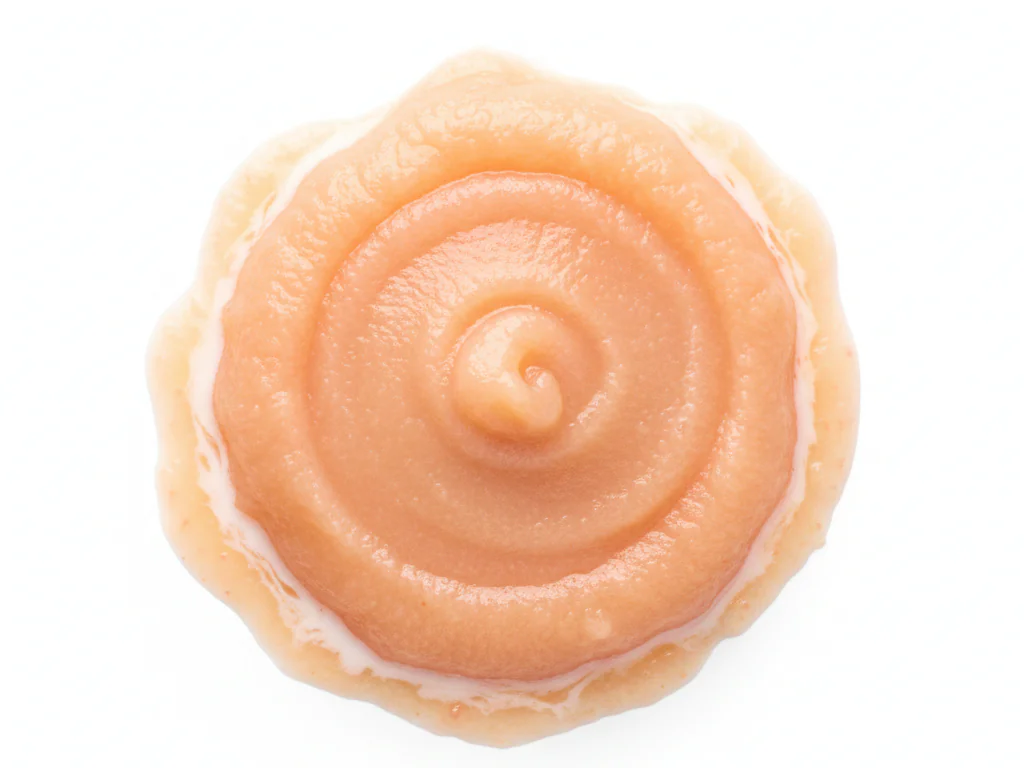
For babies 6-9 months, offer grapefruit as a smooth puree. Remove all membranes and seeds, then blend the flesh until completely smooth. You can thin it with breast milk, formula, or water if needed. Serve alone or mixed with other fruit purees.
6 to 9 months

For babies 6-9 months, offer grapefruit as a smooth puree. Remove all membranes and seeds, then blend the flesh until completely smooth. You can thin it with breast milk, formula, or water if needed. Serve alone or mixed with other fruit purees.

  • Always remove the white pith and membranes to prevent gagging.
  • Start with a small amount (1-2 teaspoons) to let baby get used to the tart flavor.
  • Mix with a sweeter fruit like mango or apple to balance the sourness.
  • Ensure the puree is thin enough to drip off a spoon but not watery.
  • Serve at room temperature or slightly warm—not cold from the fridge.
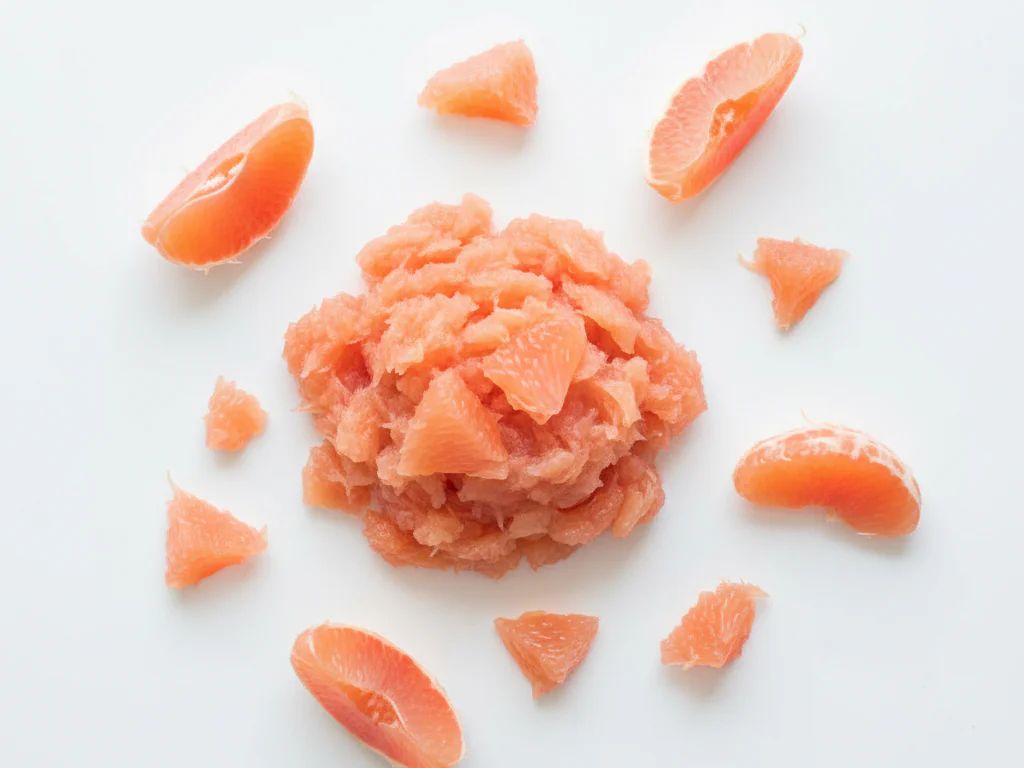
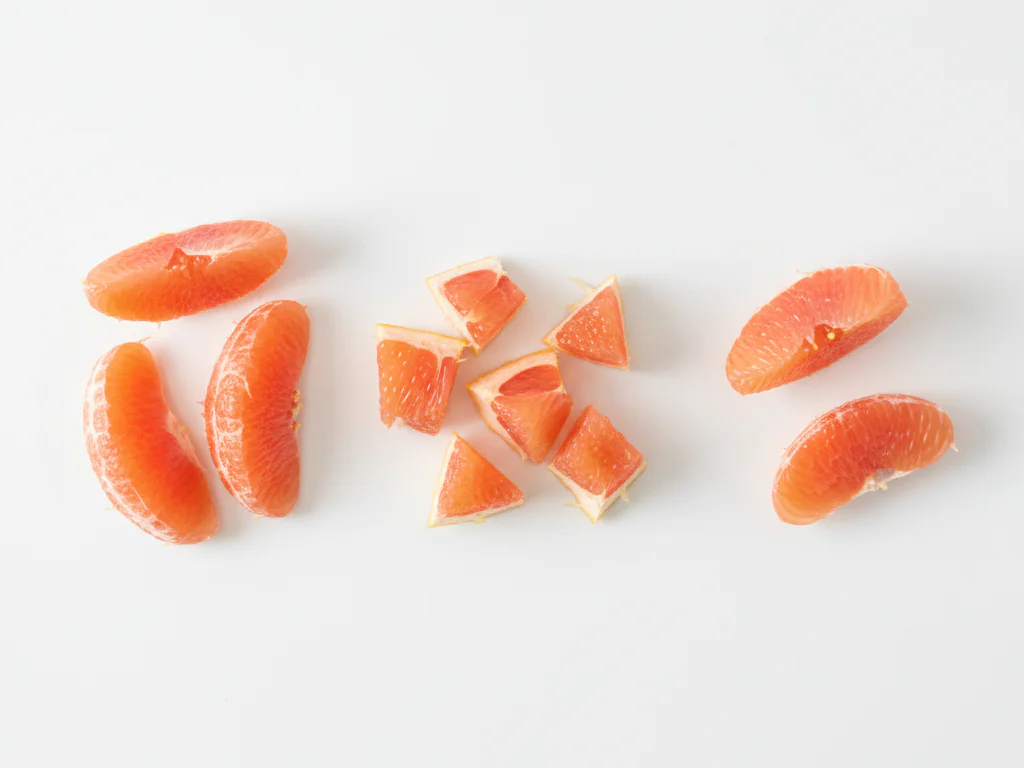
At 9-12 months, you can offer grapefruit as a chunky puree or soft mashed segments. Scoop out the segments and peel away the membrane. Mash them with a fork, leaving some small soft pieces for baby to practice chewing. You can also offer whole segments that have been cut into small, tear-drop sized pieces.
9 to 12 months

At 9-12 months, you can offer grapefruit as a chunky puree or soft mashed segments. Scoop out the segments and peel away the membrane. Mash them with a fork, leaving some small soft pieces for baby to practice chewing. You can also offer whole segments that have been cut into small, tear-drop sized pieces.

  • Cut segments into pieces about the size of a pea or smaller.
  • If you give whole segments, squeeze out any large seeds first.
  • Mix with yogurt or cottage cheese for a creamy texture.
  • Offer as a finger food—babies love to pick up the soft pieces.
  • Always stay close and watch for any gagging or difficulty.
After 12 months, babies can handle larger pieces of grapefruit. Remove the peel and pith, then cut the segments into bite-sized chunks. You can also serve supremes (membrane-free segments) or small wedges with the peel removed. Encourage self-feeding, but still supervise to prevent choking.
12 months +

After 12 months, babies can handle larger pieces of grapefruit. Remove the peel and pith, then cut the segments into bite-sized chunks. You can also serve supremes (membrane-free segments) or small wedges with the peel removed. Encourage self-feeding, but still supervise to prevent choking.

  • Cut segments into quarters or smaller if needed.
  • Offer whole sections as a fun, juicy snack.
  • Combine with other fruits in a fruit salad.
  • Let baby peel the segments themselves for fine motor practice.
  • Keep pieces small—about 1/2 inch—to minimize choking risk.

Safety & allergens

Choking risk: Low

Grapefruit segments have membranes that can be tough. For babies, remove all membranes and seeds, and mash or cut into small, soft pieces. Always supervise during eating and ensure pieces are no larger than a pea.

Not a common allergen

Grapefruit is not a top allergen. As with any new food, offer it on its own and watch for any reaction.

Vitamins & minerals

Grapefruit is rich in vitamin C, which helps your baby's body absorb iron and supports a healthy immune system[1]. It also provides vitamin A for vision and skin health[3], and potassium for proper muscle and nerve function[4]. The fiber content aids digestion and helps prevent constipation[2].

Vitamins
Vitamin VITAMIN CVitamin VITAMIN AVitamin VITAMIN B1Vitamin VITAMIN B2Vitamin VITAMIN B5Vitamin VITAMIN B6Vitamin VITAMIN B9
Minerals
PotassiumCalciumMagnesiumPhosphorusCopper

Pairs well with