FoodsBeanShimidofu
Shimidofu

Bean

Shimidofu

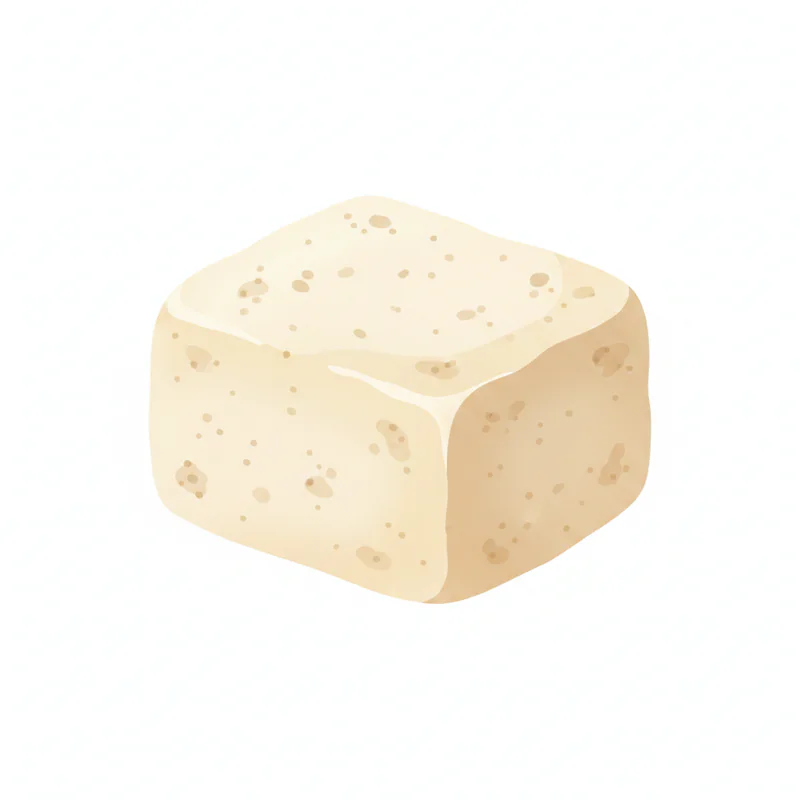
Shimidofu, also known as frozen tofu, is a wonderful plant-based protein for your baby. It has a soft, spongy texture that absorbs flavors beautifully and is packed with essential nutrients to support your little one's growth.[1] This versatile food is especially great for vegetarian or vegan families looking for nutritious baby food options.

6m+Common allergenChoking risk: Low
First age6m+
CategoryBean
Common allergenYes
Choking riskLow

When can babies eat Shimidofu?

You can introduce Shimidofu around 6 months when your baby starts solids, as it's soft and easy to prepare in age-appropriate textures.

How to serve Shimidofu by age

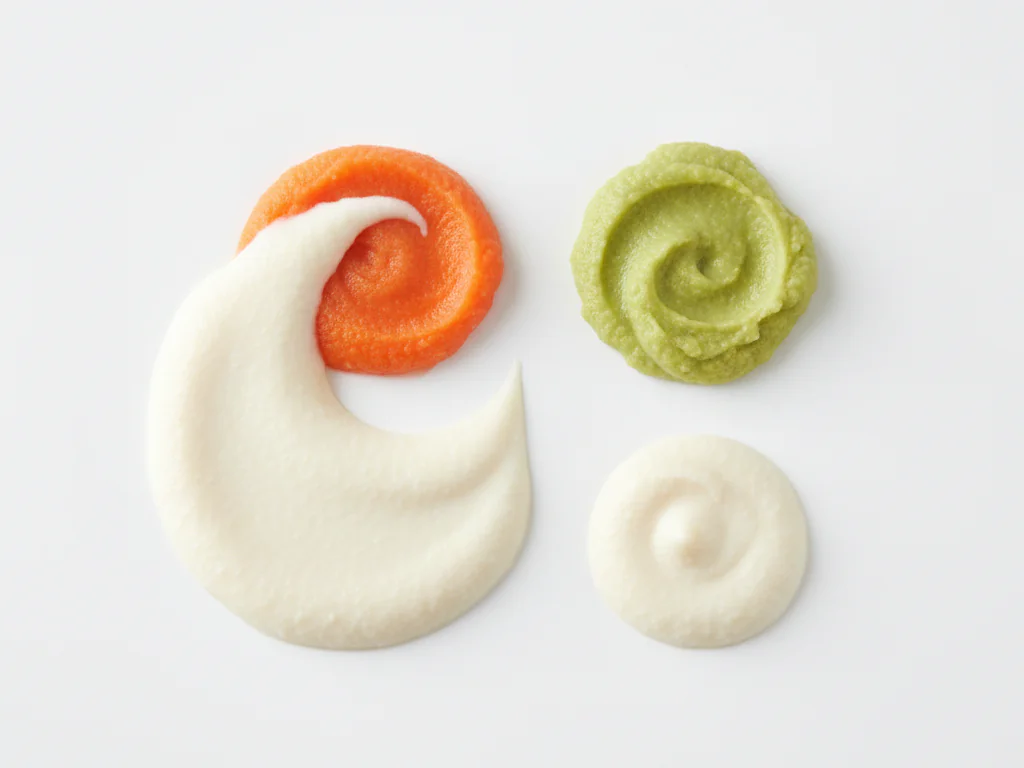
For beginners, puree thawed Shimidofu with breast milk, formula, or water until completely smooth. You can mix it with other pureed vegetables or fruits to create different flavor combinations.
6 to 9 months

For beginners, puree thawed Shimidofu with breast milk, formula, or water until completely smooth. You can mix it with other pureed vegetables or fruits to create different flavor combinations.

  • Squeeze out all excess water before pureeing
  • Start with small amounts mixed with familiar foods
  • Add liquid gradually to reach desired consistency
  • Serve at room temperature or slightly warmed
  • Offer on a pre-loaded spoon for self-feeding practice
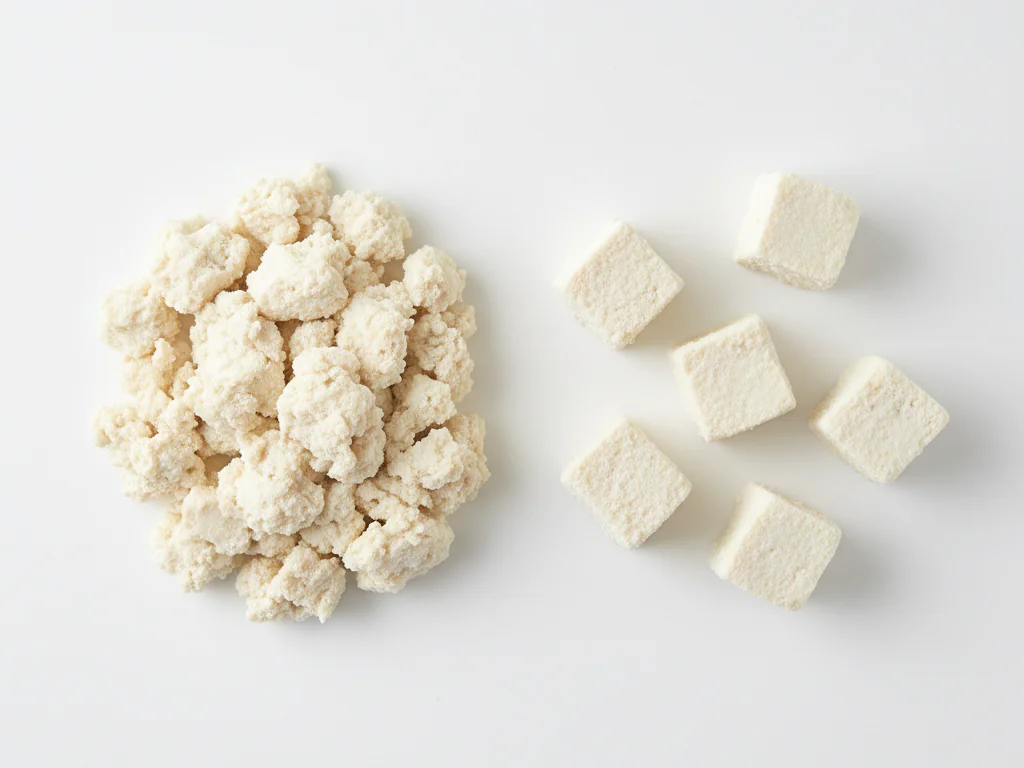
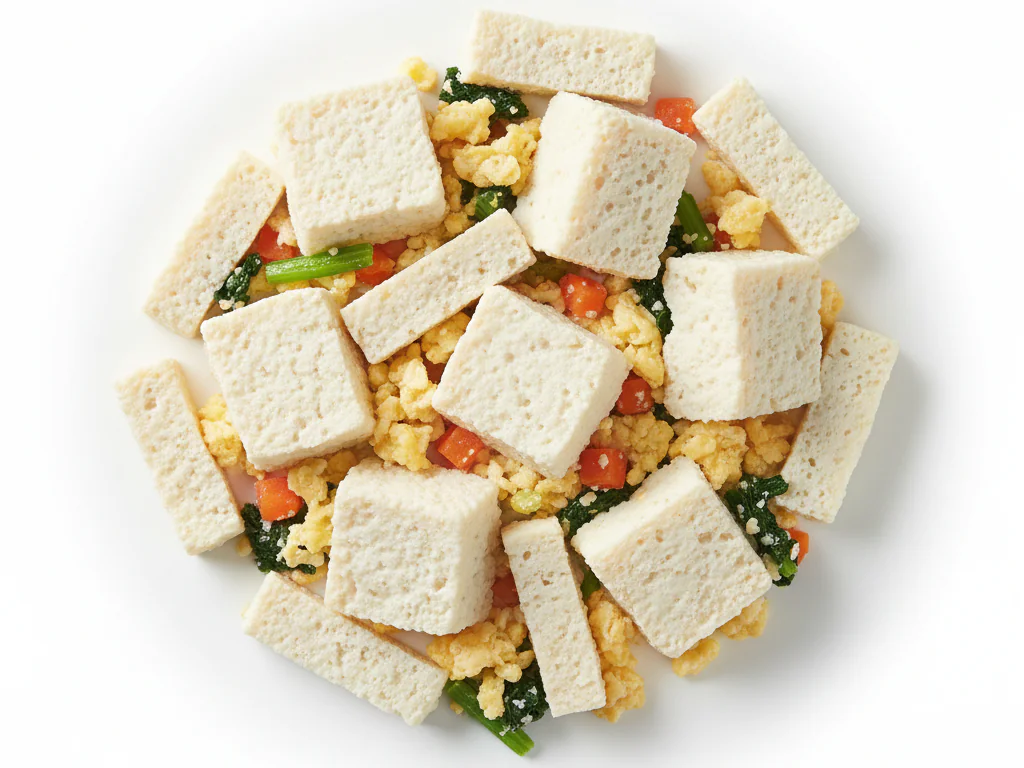
Mash Shimidofu with a fork to create a lumpy texture that encourages chewing. You can also cut it into small, soft cubes about the size of your baby's fingertip for practicing the pincer grasp.
9 to 12 months

Mash Shimidofu with a fork to create a lumpy texture that encourages chewing. You can also cut it into small, soft cubes about the size of your baby's fingertip for practicing the pincer grasp.

  • Press cubes between your fingers to ensure they're soft enough
  • Mix with cooked grains like rice or quinoa
  • Offer alongside other finger foods for variety
  • Let your baby explore the texture with their hands
  • Marinate in mild flavors before serving
Offer larger, bite-sized pieces that your toddler can practice chewing. Shimidofu can be incorporated into family meals like stir-fries, soups, or scrambled with eggs (if introduced).
12 months +

Offer larger, bite-sized pieces that your toddler can practice chewing. Shimidofu can be incorporated into family meals like stir-fries, soups, or scrambled with eggs (if introduced).

  • Cut into strips or larger cubes for self-feeding
  • Include in meals the whole family enjoys
  • Experiment with different cooking methods like baking or pan-frying
  • Let your toddler help with simple preparation steps
  • Pair with dipping sauces like mild yogurt or hummus

Safety & allergens

Choking risk: Low

Shimidofu is naturally soft when properly prepared, making it a low choking risk. For younger babies, mash or puree it to a smooth consistency. As your baby develops chewing skills, you can offer small, soft cubes that easily squish between your fingers.

Common allergen

Introduce on its own and watch closely for any signs of a reaction.

Vitamins & minerals

Shimidofu is rich in plant-based protein that helps build your baby's muscles and tissues.[2] It provides iron for healthy blood development[3] and calcium for strong bones and teeth.[4] The B vitamins in Shimidofu support energy metabolism and brain development.[5]

Vitamins
Vitamin VITAMIN B1Vitamin VITAMIN B2Vitamin VITAMIN B3Vitamin VITAMIN B6Vitamin VITAMIN B9
Minerals
IronCalciumMagnesiumPotassiumPhosphorus

Pairs well with