Pan-gayu

Grain

Pan-gayu

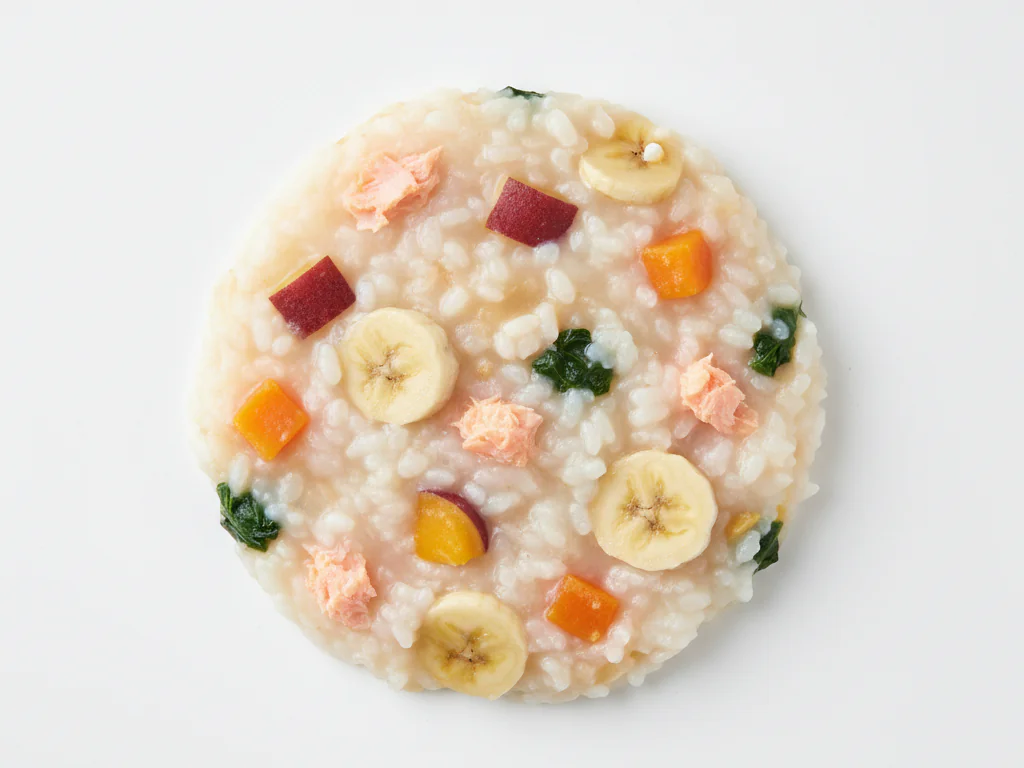
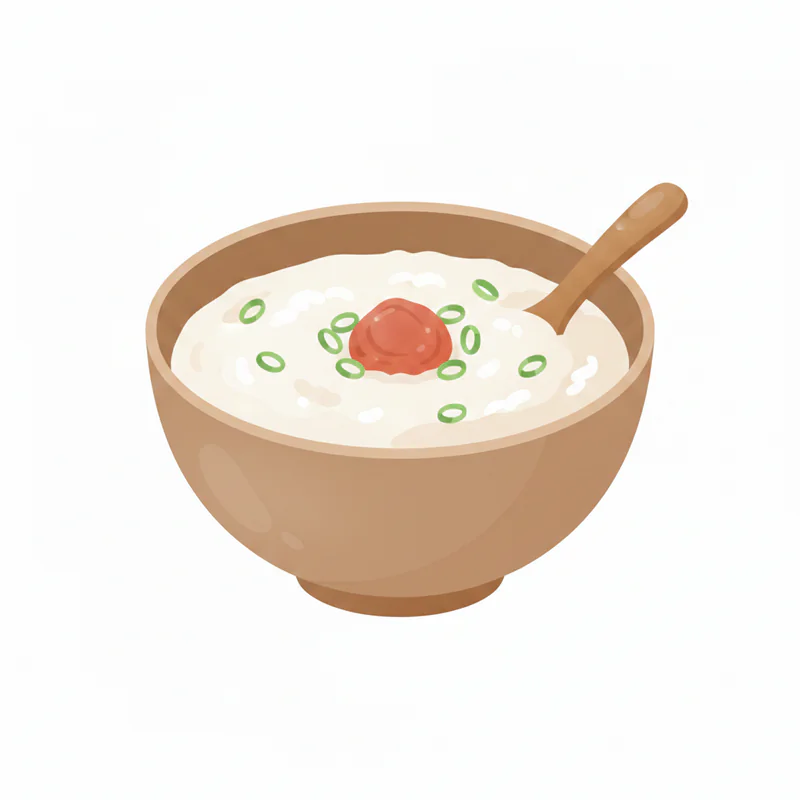
Pan-gayu is a comforting, traditional rice porridge that's perfect for baby's first foods. Its soft, creamy texture is gentle on little tummies, and it provides a great source of energy from complex carbohydrates. This mild-flavored grain is easy to digest and can be mixed with various fruits and vegetables to create nutritious meals.1

PPippin Feeding TeamReviewed by feeding specialists · Updated July 2026
First age6m+
CategoryGrain
Common allergenNo
Choking riskLow

When can babies eat Pan-gayu?

Pan-gayu can be introduced around 6 months when your baby shows signs of readiness for solids, like sitting up with support and showing interest in food.

Storage tip

Cooked pan-gayu can be stored in an airtight container in the refrigerator for up to 3 days. For longer storage, freeze in ice cube trays for up to 2 months.

How to serve Pan-gayu by age

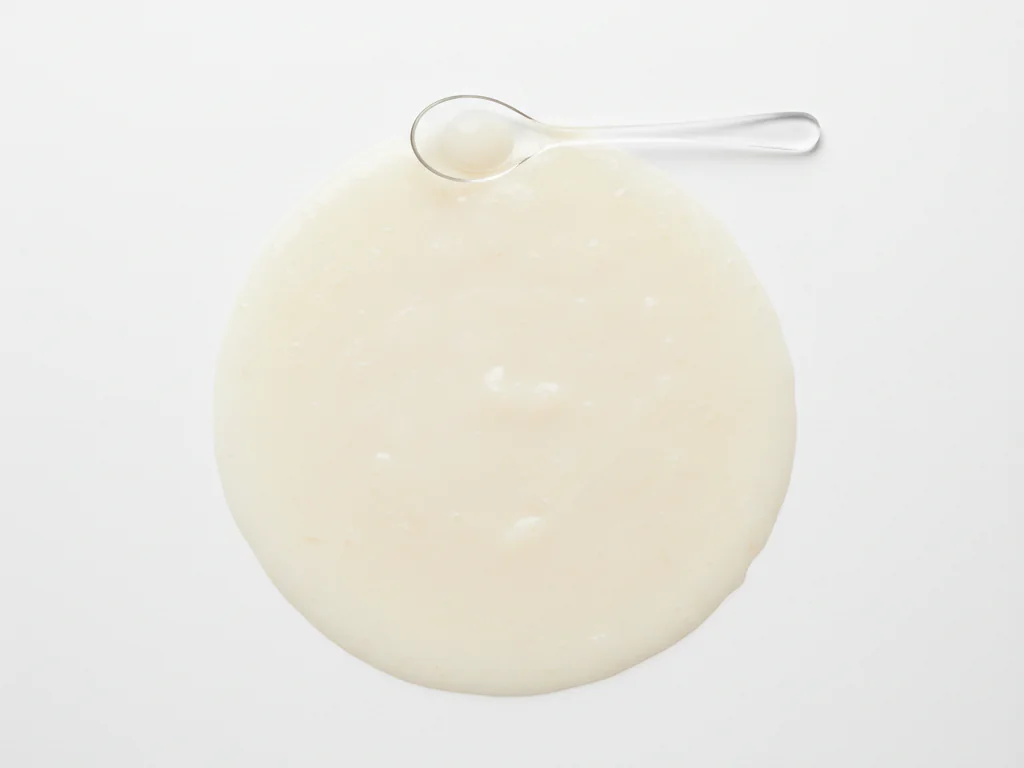
Prepare pan-gayu as a thin, smooth porridge by cooking rice with plenty of water or breast milk/formula until very soft. Puree until completely smooth with no lumps. You can thin it further with additional liquid if needed.6 to 9 months

Prepare pan-gayu as a thin, smooth porridge by cooking rice with plenty of water or breast milk/formula until very soft. Puree until completely smooth with no lumps. You can thin it further with additional liquid if needed.

  • Use a 1:8 rice to liquid ratio for a thin consistency
  • Blend thoroughly until completely smooth
  • Always cool to room temperature before serving
  • Start with single-grain pan-gayu before mixing with other foods
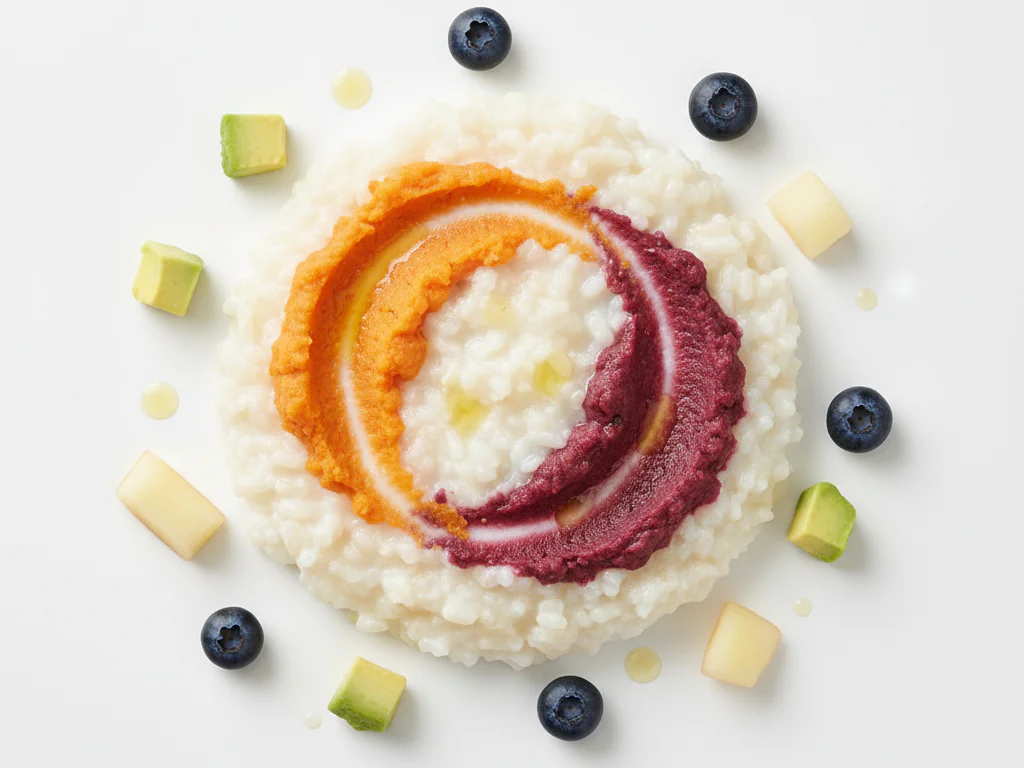
Make a thicker porridge with a 1:6 rice to liquid ratio. You can leave it slightly textured with soft rice grains. Mix with mashed fruits or vegetables for added nutrition and flavor variety.9 to 12 months

Make a thicker porridge with a 1:6 rice to liquid ratio. You can leave it slightly textured with soft rice grains. Mix with mashed fruits or vegetables for added nutrition and flavor variety.

  • Allow some soft rice grains to remain for texture practice
  • Mix with mashed banana or avocado for healthy fats
  • Offer in a bowl with a soft-tipped spoon
  • Experiment with different liquid bases like bone broth for added nutrients
Prepare as a soft, thick porridge that can be eaten with a spoon. You can add small, soft pieces of cooked vegetables, fruits, or proteins mixed throughout. Consider making congee-style pan-gayu with more complex flavors.12 months +

Prepare as a soft, thick porridge that can be eaten with a spoon. You can add small, soft pieces of cooked vegetables, fruits, or proteins mixed throughout. Consider making congee-style pan-gayu with more complex flavors.

  • Add finely chopped cooked vegetables for texture
  • Mix with scrambled eggs or tofu for protein
  • Use as a base for vegetable soups
  • Let older toddlers practice self-feeding with a spoon

Safety & allergens

Choking risk: Low

Pan-gayu has a very low choking risk when prepared as a smooth porridge. For younger babies, ensure it's pureed to a thin, soupy consistency. As babies get older, you can gradually thicken the texture while still maintaining a soft, lump-free consistency.

Not a common allergen

Pan-gayu is not a top allergen. As with any new food, offer it on its own and watch for any reaction.

Vitamins & minerals

Pan-gayu provides B vitamins that help convert food into energy for your growing baby.2 It also contains iron, which supports healthy brain development and oxygen transport in the blood.3 The magnesium in pan-gayu contributes to bone health and muscle function.4

Vitamins
Vitamin B1Vitamin B2Vitamin B3Vitamin B6
Minerals
IronMagnesiumPhosphorusZinc

Nutritional synergy

Pair pan-gayu with vitamin C-rich foods like mashed strawberries or pureed bell peppers to enhance iron absorption.5

Pairs well with

Common questions

How do I make pan-gayu the right consistency for my baby?

Start with a very thin, soupy consistency for 6-month-olds by using more water or breast milk/formula. As your baby gets better at swallowing, gradually thicken it to a soft, pudding-like texture. Always test the temperature before serving.

What if my baby seems constipated after eating pan-gayu?

Rice can sometimes be constipating for babies. If this happens, try mixing pan-gayu with high-fiber foods like pureed pears or prunes, and make sure your baby is getting enough fluids. If constipation persists, consult your pediatrician.

Can I add flavors to pan-gayu?

Absolutely! Start with simple additions like mashed banana, pureed sweet potato, or a little cinnamon. As your baby gets older, you can add more complex flavors like finely chopped cooked vegetables or a small amount of unsweetened applesauce.

Sources & references

  1. 1USDA FoodData Central, 2024
  2. 2Kennedy D.O., 2016
  3. 3Lozoff B. et al., 2006
  4. 4Castiglioni S. et al., 2013
  5. 5Teucher B. et al., 2004