FoodsVegetableKomatsuna
Komatsuna

Vegetable

Komatsuna

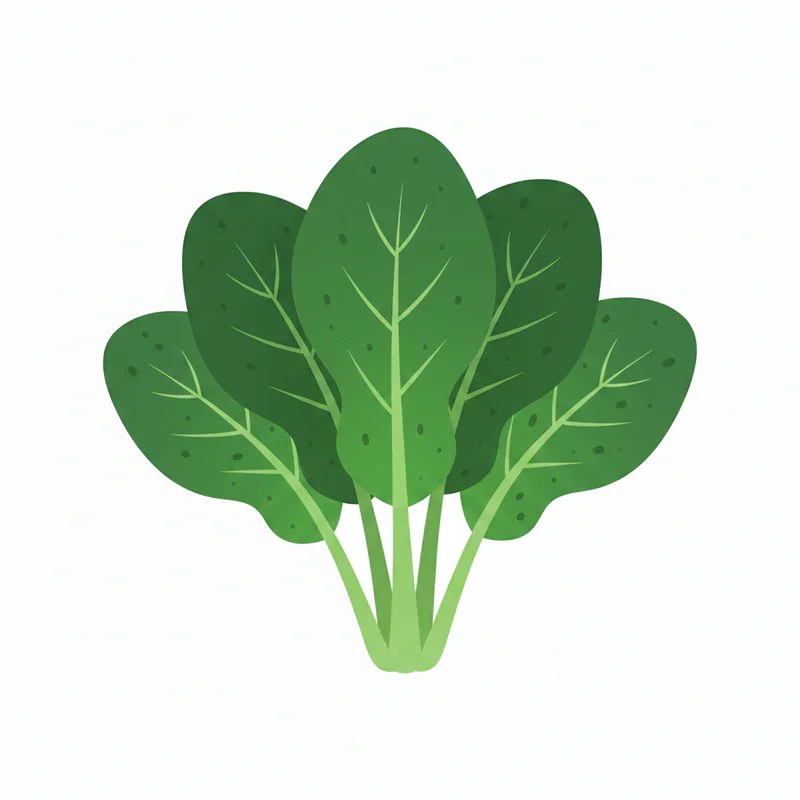
Komatsuna, also known as Japanese mustard spinach, is a wonderful leafy green to introduce to your baby. It has a mild, slightly peppery flavor that's less bitter than other greens, making it more appealing to little taste buds. This nutrient-packed vegetable supports your baby's growth and development with essential vitamins and minerals.[1]

6m+Not a common allergenChoking risk: Low
First age6m+
CategoryVegetable
Common allergenNo
Choking riskLow

When can babies eat Komatsuna?

You can introduce komatsuna around 6 months when starting solids, as it's easy to puree and gentle on digestion.

How to serve Komatsuna by age

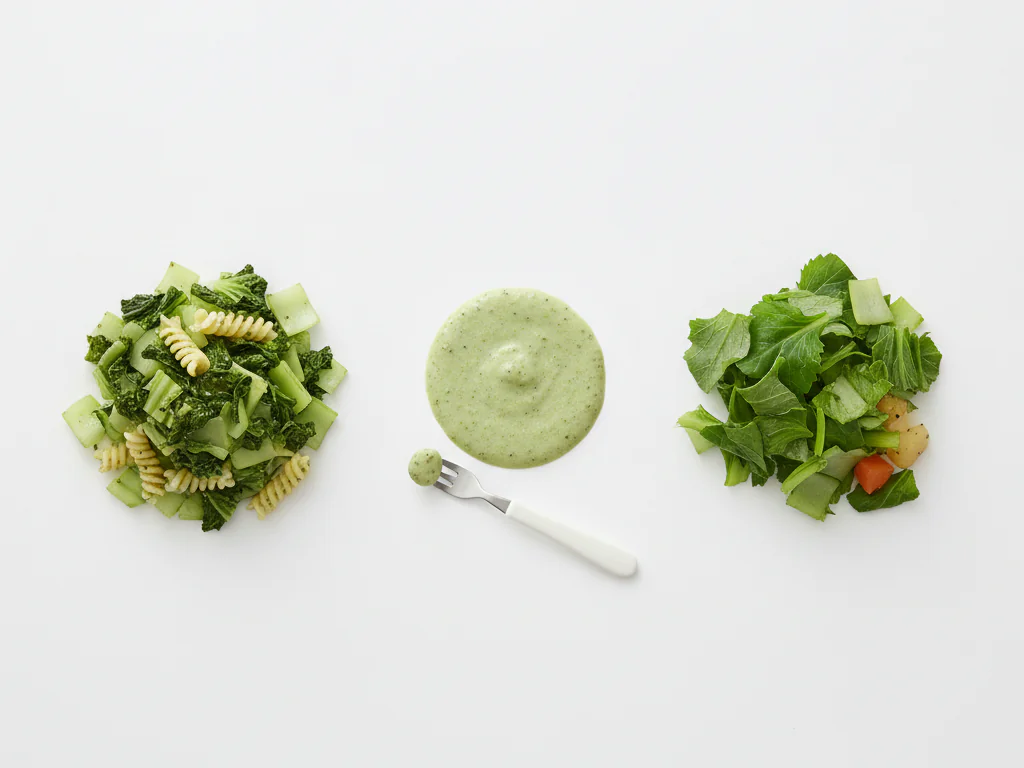
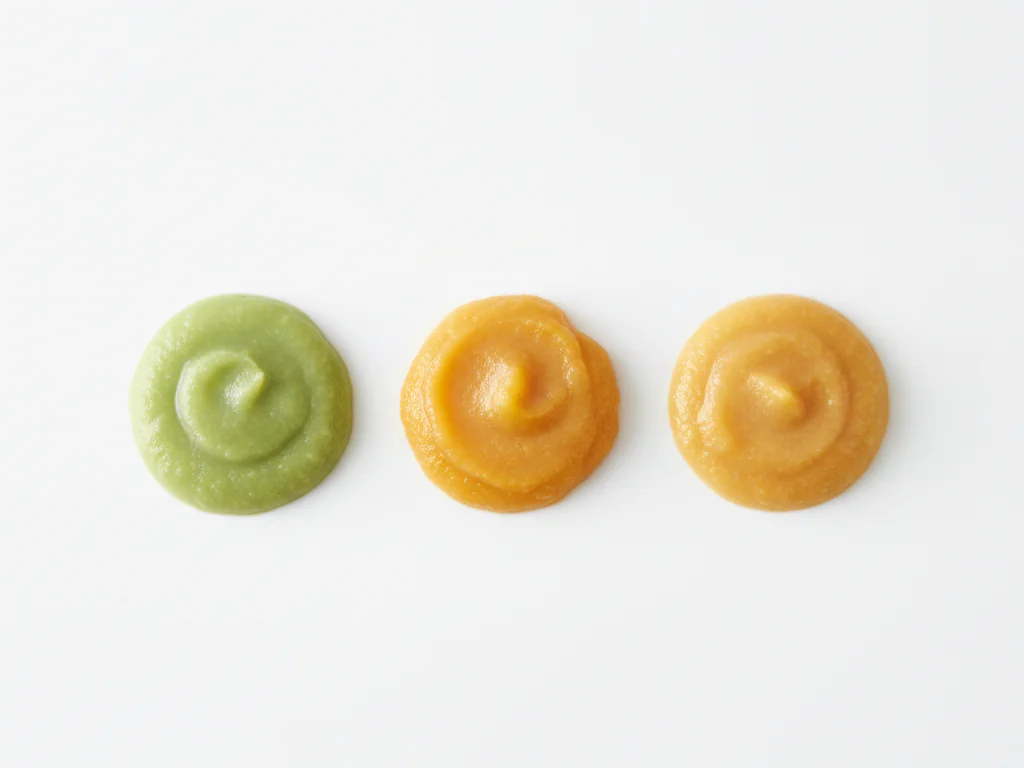
For beginners, steam or boil komatsuna until very soft (about 5-7 minutes), then puree with a little cooking water or breast milk/formula until completely smooth. You can mix it with sweeter vegetables like carrot or sweet potato to help acceptance.
6 to 9 months

For beginners, steam or boil komatsuna until very soft (about 5-7 minutes), then puree with a little cooking water or breast milk/formula until completely smooth. You can mix it with sweeter vegetables like carrot or sweet potato to help acceptance.

  • Remove tough stems before cooking for smoother puree
  • Start with small amounts mixed with familiar foods
  • Use an immersion blender for quick, smooth purees
  • Freeze extra puree in ice cube trays for easy portions
  • Always test temperature before feeding
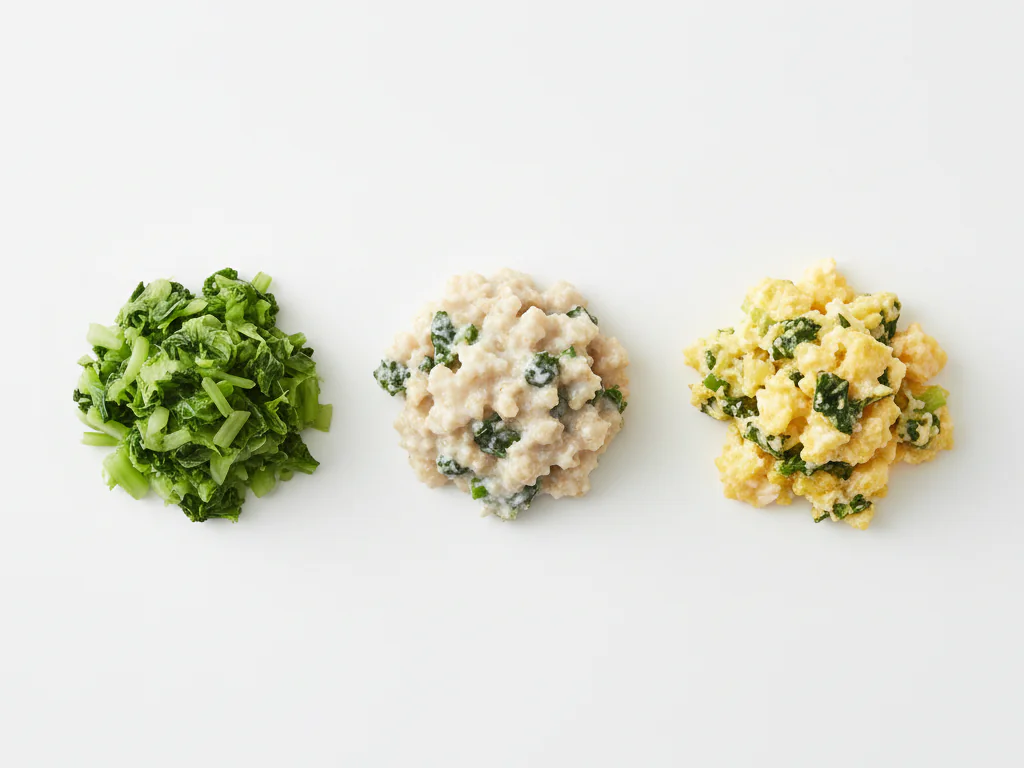
Cook komatsuna until tender but not mushy, then chop finely or mash with a fork. You can mix it into soft foods like scrambled eggs, mashed potatoes, or oatmeal. The texture should be easily mashed between fingers.
9 to 12 months

Cook komatsuna until tender but not mushy, then chop finely or mash with a fork. You can mix it into soft foods like scrambled eggs, mashed potatoes, or oatmeal. The texture should be easily mashed between fingers.

  • Offer as finger food by rolling cooked, chopped leaves into small balls
  • Mix with grains like quinoa or rice for complete meals
  • Add to soups and stews for extra nutrition
  • Combine with beans or lentils for protein-packed meals
  • Let baby practice self-feeding with pre-loaded spoons
Toddlers can enjoy komatsuna in various preparations - lightly sautéed, added to pasta sauces, blended into smoothies, or as part of family meals. You can chop it more coarsely as chewing skills develop.
12 months +

Toddlers can enjoy komatsuna in various preparations - lightly sautéed, added to pasta sauces, blended into smoothies, or as part of family meals. You can chop it more coarsely as chewing skills develop.

  • Add to omelets or frittatas for breakfast
  • Blend into pesto with basil and nuts (if no allergies)
  • Stir into mac and cheese for hidden veggies
  • Make komatsuna pancakes with whole wheat flour
  • Involve your toddler in washing and tearing leaves

Safety & allergens

Choking risk: Low

Komatsuna has a low choking risk when properly prepared. Always cook until soft and puree or chop finely for younger babies. For older babies, ensure any chopped pieces are small enough to mash easily with gums.

Not a common allergen

Komatsuna is not a top allergen. As with any new food, offer it on its own and watch for any reaction.

Vitamins & minerals

Komatsuna is rich in Vitamin A, which supports healthy vision and immune function.[2] It also provides Vitamin K for proper blood clotting[3] and calcium for strong bones and teeth.[4] The iron content helps with healthy blood cell development, especially important as your baby's iron stores from birth begin to diminish.[5]

Vitamins
Vitamin VITAMIN AVitamin VITAMIN CVitamin VITAMIN KVitamin VITAMIN B9
Minerals
CalciumIronPotassium

Pairs well with