FoodsVegetableGem squash
Gem squash

Vegetable

Gem squash

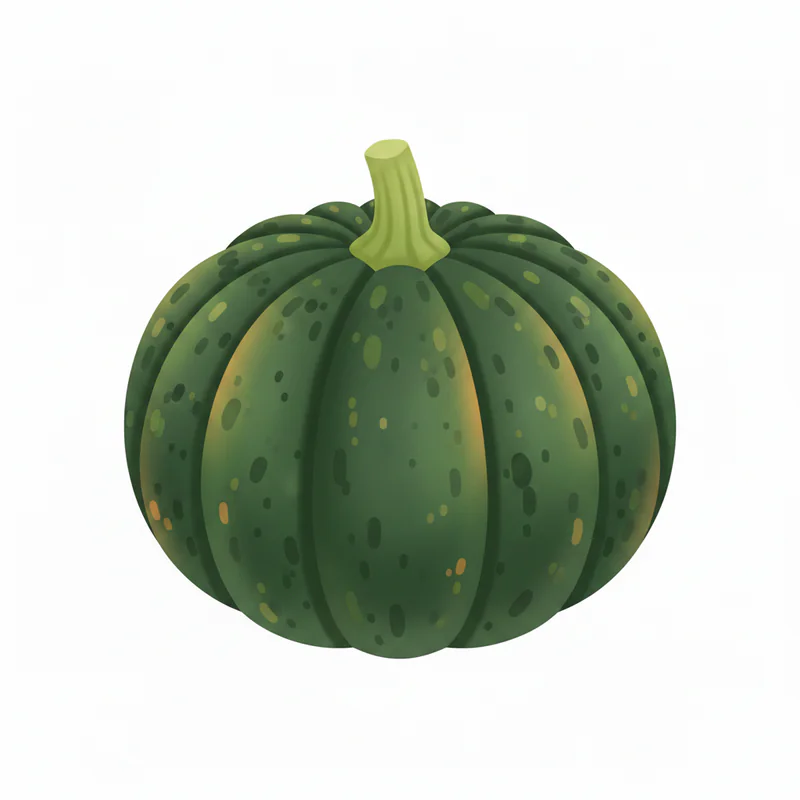
Gem squash is a wonderful first food for babies with its naturally sweet, mild flavor and soft texture when cooked. It's packed with nutrients that support your baby's growth and development, including vitamin A for healthy vision and immune function[1] and vitamin C to help absorb iron from other foods[2]. The gentle taste makes it an easy introduction to vegetables, and its smooth consistency is perfect for early purees.

6m+Not a common allergenChoking risk: Low
First age6m+
CategoryVegetable
Common allergenNo
Choking riskLow

When can babies eat Gem squash?

You can introduce gem squash around 6 months when your baby shows signs of readiness for solids, like sitting up with support and showing interest in food. It's a great early vegetable because it's easy to digest and rarely causes reactions.

How to serve Gem squash by age

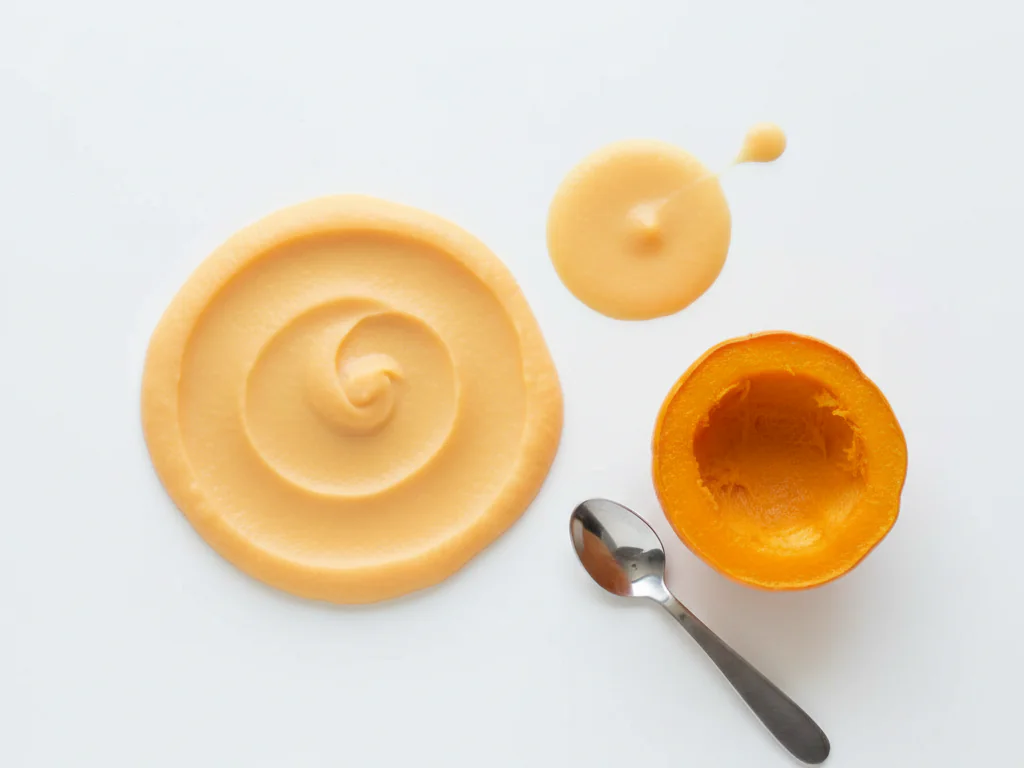
For babies just starting solids, cook gem squash until very soft (steam or boil for 15-20 minutes), scoop out the flesh, and puree until completely smooth. You can thin the puree with breast milk, formula, or water to achieve the right consistency for your baby.
6 to 9 months

For babies just starting solids, cook gem squash until very soft (steam or boil for 15-20 minutes), scoop out the flesh, and puree until completely smooth. You can thin the puree with breast milk, formula, or water to achieve the right consistency for your baby.

  • Steam instead of boil to preserve more nutrients
  • Remove all seeds and stringy bits before pureeing
  • Start with a thin, runny puree and gradually thicken as baby gets used to solids
  • Mix with familiar foods like breast milk or formula to ease the transition
  • Offer 1-2 teaspoons at first and gradually increase amount
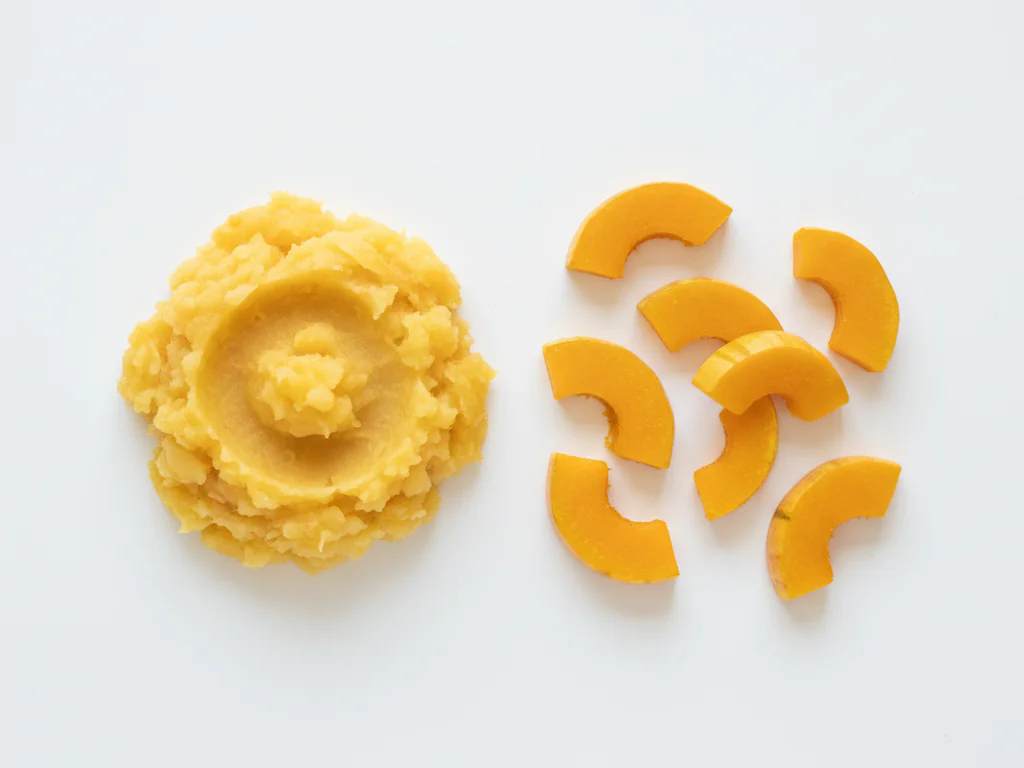
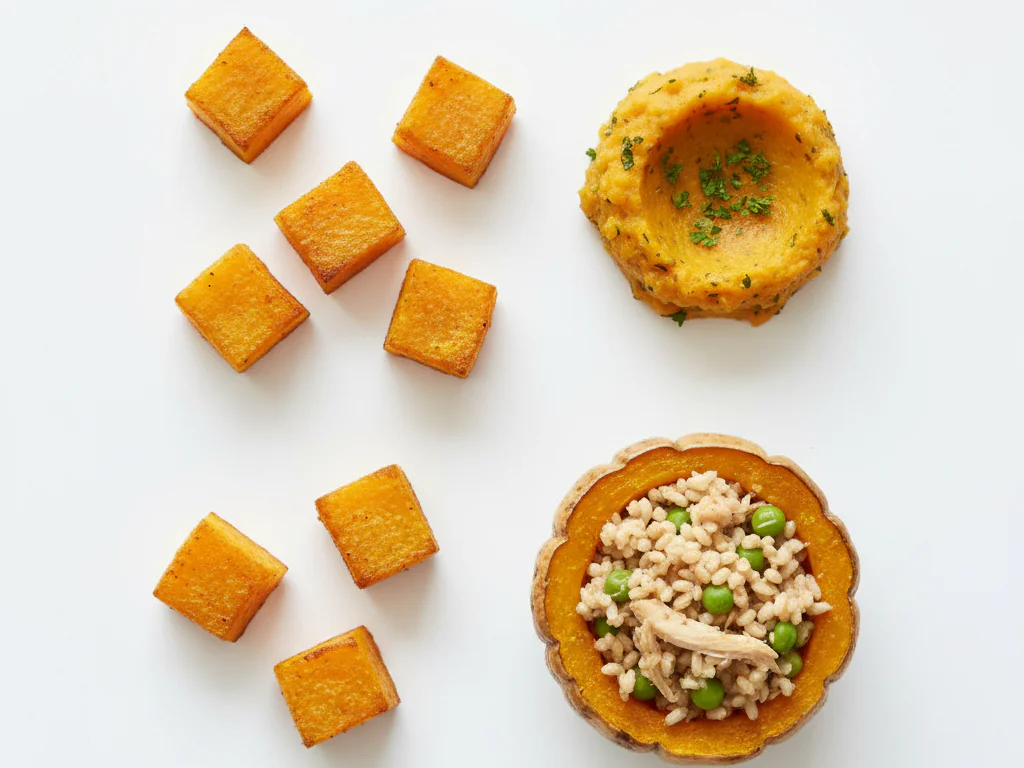
As your baby develops chewing skills, you can offer mashed gem squash with some texture. Cook until soft, then mash with a fork, leaving some small lumps. You can also offer soft, bite-sized pieces that easily squish between your fingers.
9 to 12 months

As your baby develops chewing skills, you can offer mashed gem squash with some texture. Cook until soft, then mash with a fork, leaving some small lumps. You can also offer soft, bite-sized pieces that easily squish between your fingers.

  • Cut cooked squash into small, soft pieces about the size of a pea
  • Mix mashed squash with other soft foods like avocado or banana
  • Let your baby practice self-feeding with soft pieces
  • Combine with grains like quinoa or rice for more texture variety
  • Offer on a pre-loaded spoon to encourage self-feeding
For toddlers, you can serve gem squash in more varied ways. Offer roasted cubes as finger food, mix it into pasta sauces or soups, or stuff it with other ingredients. The skin becomes edible when roasted until tender.
12 months +

For toddlers, you can serve gem squash in more varied ways. Offer roasted cubes as finger food, mix it into pasta sauces or soups, or stuff it with other ingredients. The skin becomes edible when roasted until tender.

  • Roast with a little olive oil for enhanced flavor
  • Mix into mac and cheese or mashed potatoes for hidden veggies
  • Cut into fun shapes using cookie cutters
  • Let your toddler help scoop out the seeds before cooking
  • Combine with herbs like basil or thyme for more complex flavors

Safety & allergens

Choking risk: Low

Gem squash has a very low choking risk when properly prepared. For babies 6-9 months, cook until completely soft and puree to a smooth consistency. For older babies, you can mash it well or serve small, soft pieces that easily squish between your fingers. Always supervise your baby during meals.

Not a common allergen

Gem squash is not a top allergen. As with any new food, offer it on its own and watch for any reaction.

Vitamins & minerals

Gem squash provides important nutrients for your growing baby. It's rich in vitamin A, which supports healthy vision and immune system development[1]. The vitamin C content helps your baby absorb iron from other foods like beans or fortified cereals[2], while the potassium supports proper muscle and nerve function[3]. With about 2.5g of fiber per 100g, it can help maintain regular digestion.

Vitamins
Vitamin VITAMIN AVitamin VITAMIN CVitamin VITAMIN B6Vitamin VITAMIN B9
Minerals
PotassiumMagnesiumIron

Pairs well with