FoodsProteinDuck
Duck

Protein

Duck

Duck is a flavorful, nutrient-dense meat that can be a wonderful addition to your baby's diet. It's packed with high-quality protein to support your little one's growth and development, and its rich taste can help expand their palate early on. The tender texture when cooked properly makes it easy for babies to manage.

6m+Not a common allergenChoking risk: Medium
First age6m+
CategoryProtein
Common allergenNo
Choking riskMedium

When can babies eat Duck?

Duck can be introduced around 6 months when your baby starts solids, as long as it's prepared safely to minimize choking risk. It's a great option to rotate with other protein sources like chicken or turkey.

How to serve Duck by age

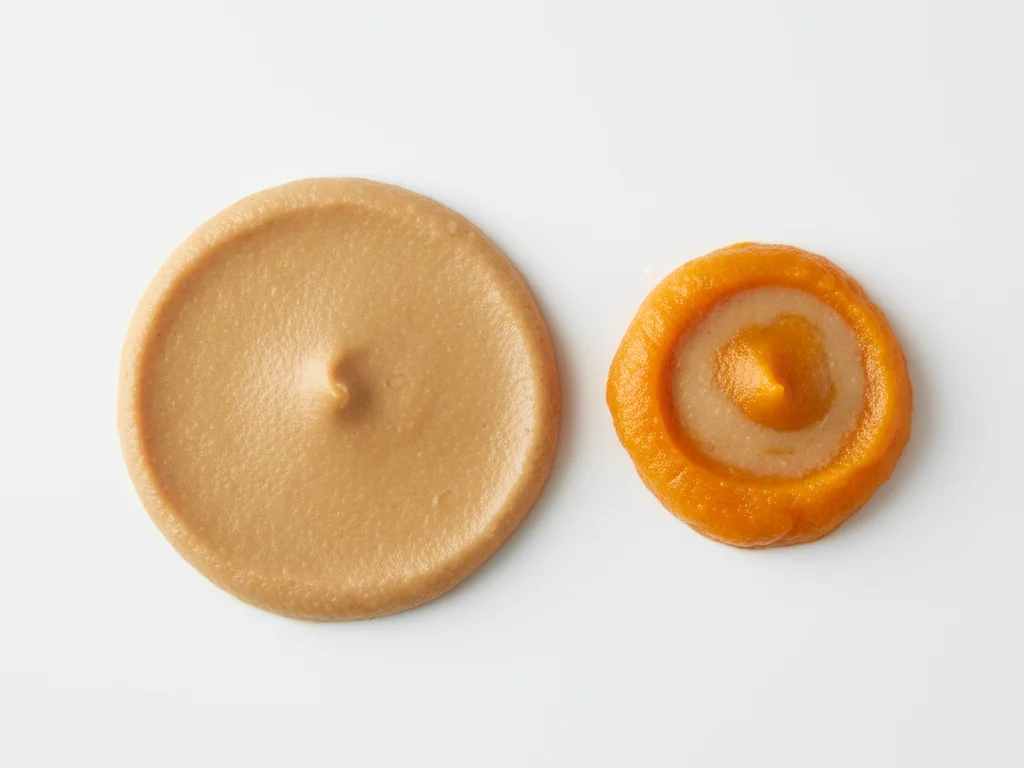
Puree cooked, skinless duck meat with broth, breast milk, or formula until completely smooth. You can also mix it with vegetable purees like sweet potato or carrot for added nutrition and flavor.
6 to 9 months

Puree cooked, skinless duck meat with broth, breast milk, or formula until completely smooth. You can also mix it with vegetable purees like sweet potato or carrot for added nutrition and flavor.

  • Cook until very tender (falling apart)
  • Remove all fat and connective tissue
  • Use cooking liquid to thin the puree
  • Start with small amounts (1-2 teaspoons)
  • Mix with familiar foods if needed
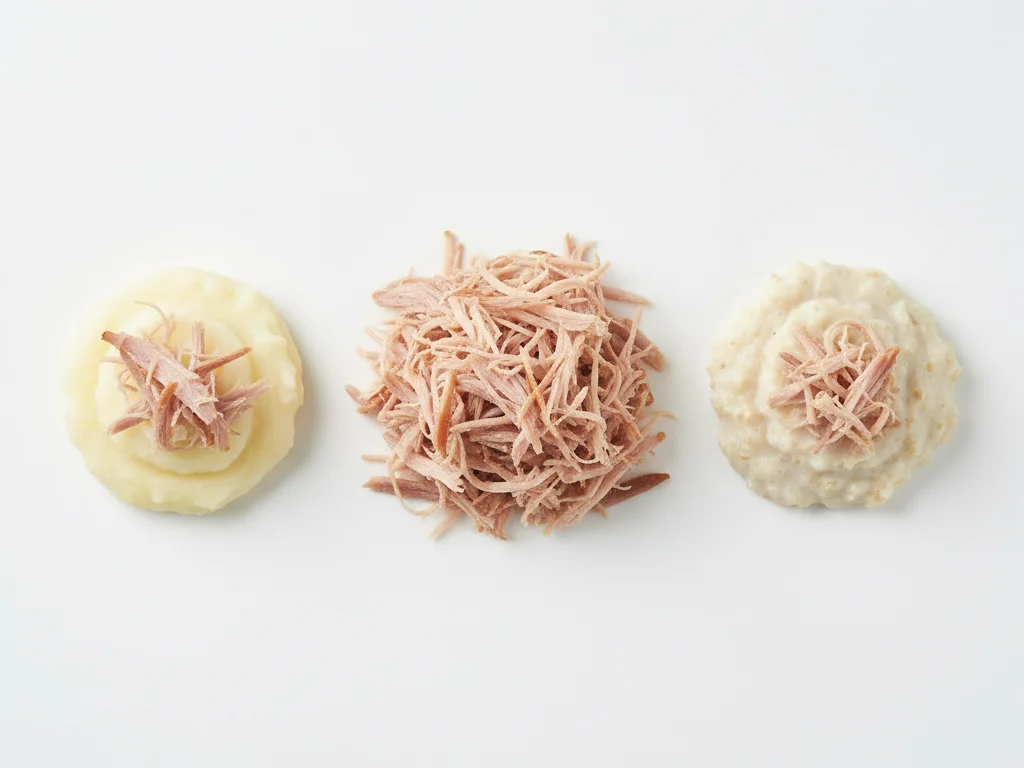
Shred cooked duck meat into very fine strands using two forks or your fingers. The pieces should be no larger than a grain of rice. You can serve it alone or mixed into soft foods like mashed potatoes or oatmeal.
9 to 12 months

Shred cooked duck meat into very fine strands using two forks or your fingers. The pieces should be no larger than a grain of rice. You can serve it alone or mixed into soft foods like mashed potatoes or oatmeal.

  • Ensure meat is moist and tender
  • Check for any remaining gristle
  • Combine with soft cooked vegetables
  • Offer as finger food in small piles
  • Supervise closely during feeding
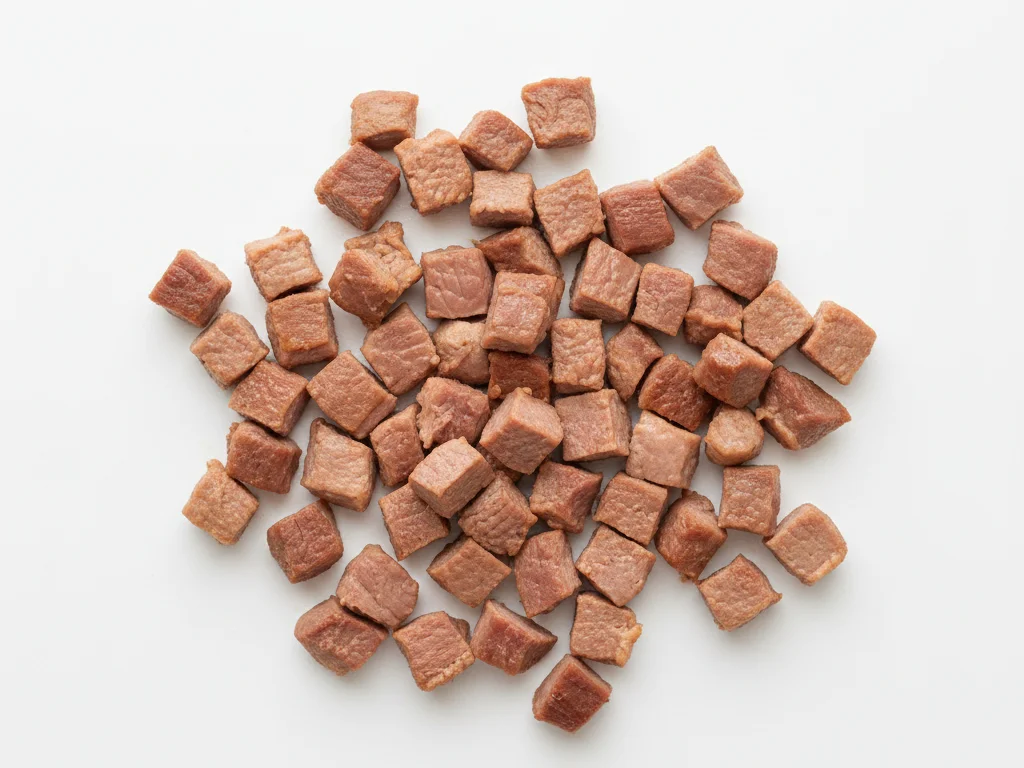
Cut cooked duck into small, pea-sized pieces that your toddler can pick up with their fingers or a fork. Continue to ensure the meat is tender and moist, and remove any tough bits.
12 months +

Cut cooked duck into small, pea-sized pieces that your toddler can pick up with their fingers or a fork. Continue to ensure the meat is tender and moist, and remove any tough bits.

  • Cut against the grain for tenderness
  • Moisten with sauce or broth if dry
  • Serve with dipping sauces like applesauce
  • Include as part of balanced meals
  • Watch for any difficulty chewing

Safety & allergens

Choking risk: Medium

Duck can be a choking hazard if not prepared properly. Always remove all skin, bones, and gristle, and cook until very tender. For younger babies, shred or puree the meat finely, and for older babies, cut into small, manageable pieces no larger than pea-sized.

Not a common allergen

Duck is not a top allergen. As with any new food, offer it on its own and watch for any reaction.

Vitamins & minerals

Duck provides excellent nutrition for growing babies. It's rich in iron, which is crucial for healthy brain development and preventing anemia[1], and contains zinc to support immune function[2]. The B vitamins in duck, particularly B12, help with energy metabolism and nervous system health[3].

Vitamins
Vitamin VITAMIN B12Vitamin VITAMIN B6Vitamin VITAMIN B3Vitamin VITAMIN B2
Minerals
IronZincSeleniumPhosphorus