FoodsHerb / SpiceCinnamon
Cinnamon

Herb / Spice

Cinnamon

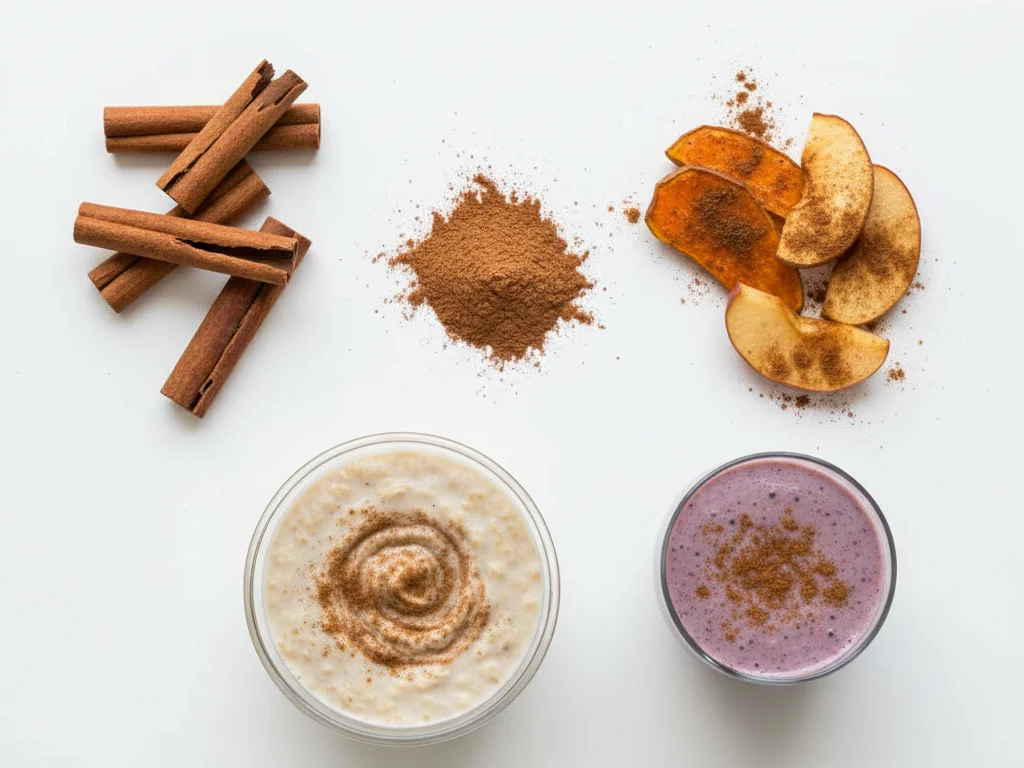
Cinnamon is a warm, aromatic spice that can add delightful flavor to your baby's meals. While not a significant source of vitamins or minerals, it contains manganese, which supports bone development and metabolism.[1] Its sweet, comforting taste can help babies enjoy new foods, especially when paired with fruits or grains.

6m+Not a common allergenChoking risk: Low
First age6m+
CategoryHerb / Spice
Common allergenNo
Choking riskLow

When can babies eat Cinnamon?

Cinnamon can be introduced around 6 months when starting solids, but always use it in very small amounts as a flavor enhancer rather than a main ingredient.

How to serve Cinnamon by age

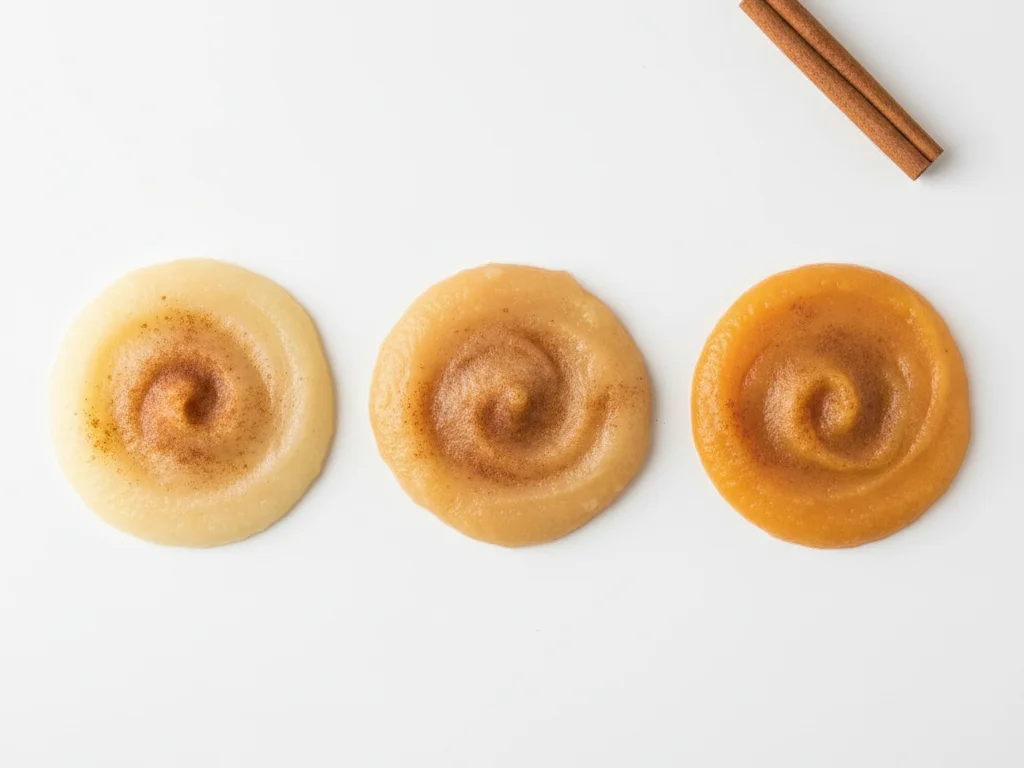
Mix a tiny pinch of ground cinnamon into smooth purees like apple, pear, or sweet potato. Ensure it's fully blended to avoid any clumps that might surprise your baby.
6 to 9 months

Mix a tiny pinch of ground cinnamon into smooth purees like apple, pear, or sweet potato. Ensure it's fully blended to avoid any clumps that might surprise your baby.

  • Start with less than 1/8 teaspoon per serving
  • Combine with single-ingredient purees first
  • Watch for any signs of irritation or dislike
  • Use it to enhance the natural sweetness of fruits
  • Avoid adding sugar or honey alongside cinnamon
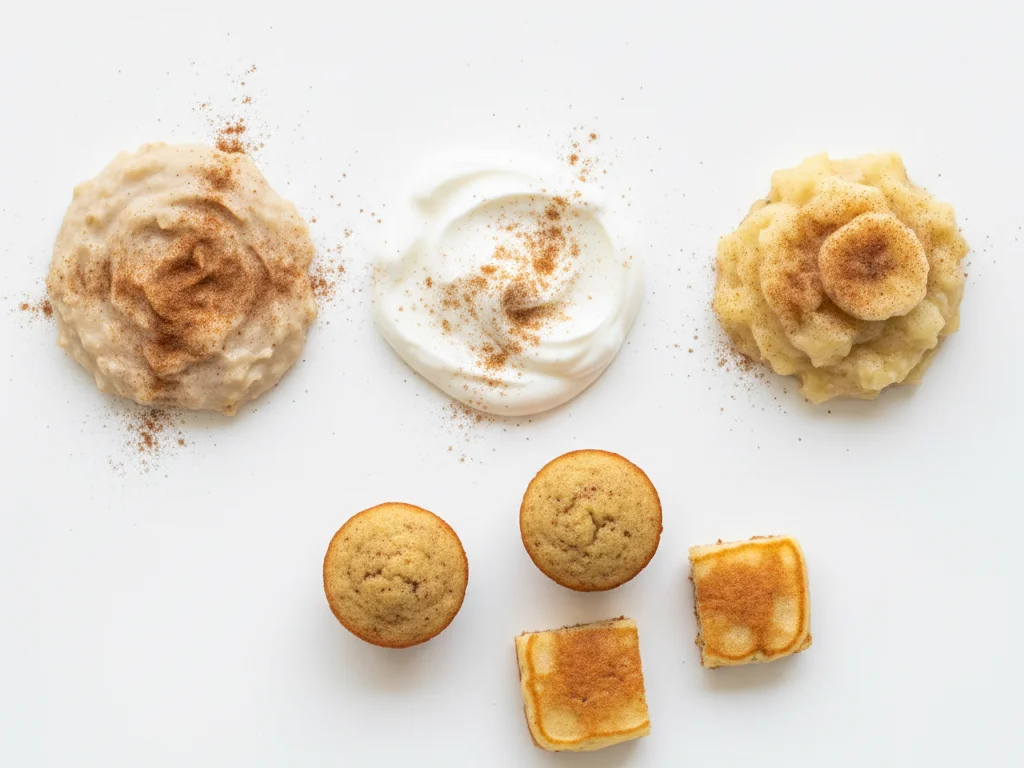
Sprinkle a small amount of cinnamon onto soft, mashed foods like oatmeal, yogurt, or mashed bananas. You can also mix it into pancake or muffin batters for finger foods.
9 to 12 months

Sprinkle a small amount of cinnamon onto soft, mashed foods like oatmeal, yogurt, or mashed bananas. You can also mix it into pancake or muffin batters for finger foods.

  • Increase to about 1/4 teaspoon per serving if tolerated
  • Try it in baked goods like soft teething biscuits
  • Mix with Greek yogurt for a creamy snack
  • Pair with applesauce for a quick side dish
  • Avoid cinnamon-sugar blends
Use cinnamon more liberally in family meals like oatmeal, smoothies, or roasted vegetables. You can also introduce cinnamon sticks for sensory play (under supervision) but not for eating.
12 months +

Use cinnamon more liberally in family meals like oatmeal, smoothies, or roasted vegetables. You can also introduce cinnamon sticks for sensory play (under supervision) but not for eating.

  • Experiment with cinnamon in savory dishes like squash soup
  • Make cinnamon toast with whole-grain bread
  • Add to homemade applesauce or fruit compotes
  • Use in moderation to avoid overpowering flavors
  • Store safely out of reach to prevent accidental ingestion

Safety & allergens

Choking risk: Low

Cinnamon itself is not a choking hazard when used as a powder or in tiny amounts. However, avoid giving whole cinnamon sticks to babies, as they could pose a risk. Always mix cinnamon thoroughly into foods like oatmeal or applesauce.

Not a common allergen

Cinnamon is not a top allergen. As with any new food, offer it on its own and watch for any reaction.

Vitamins & minerals

Cinnamon is not a major source of nutrients but contains manganese, which helps with bone health and enzyme function in the body.[1] It's primarily used for its flavor, which can make nutritious foods more appealing to babies without adding sugar.

Minerals
Manganese

Pairs well with