FoodsGrainMillet
Millet

Grain

Millet

Millet is a wonderful gluten-free grain to introduce to your baby, offering a gentle, slightly sweet flavor and a soft texture when cooked. It's packed with nutrients that support your little one's growth and development, making it a fantastic addition to their expanding diet. Think of it as a tiny, nutritious powerhouse that's easy on tiny tummies.

6m+Not a common allergenChoking risk: Low
First age6m+
CategoryGrain
Common allergenNo
Choking riskLow

When can babies eat Millet?

Millet can be introduced around 6 months of age when your baby starts showing readiness for solid foods. It's a great first grain, especially if you're looking for gluten-free options.

How to serve Millet by age

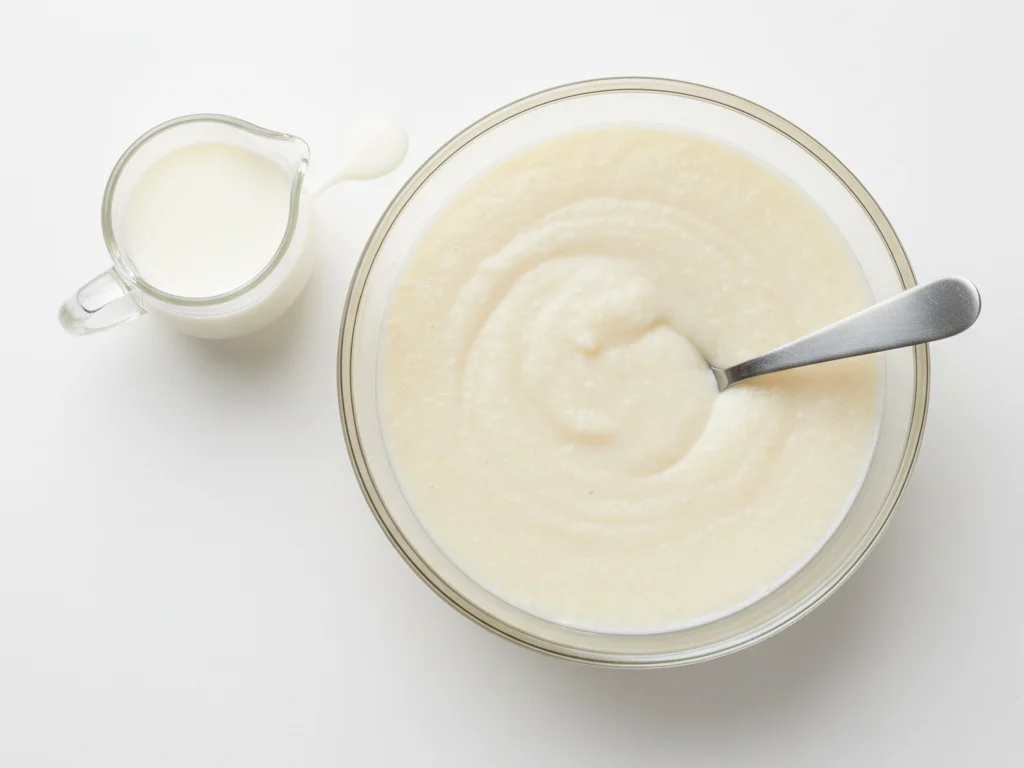
Cook millet into a very smooth, runny porridge. You can puree it with breast milk, formula, or water to achieve a soupy consistency that's easy for your baby to swallow. Start with a thin texture and gradually thicken it as your baby gets used to eating solids.
6 to 9 months

Cook millet into a very smooth, runny porridge. You can puree it with breast milk, formula, or water to achieve a soupy consistency that's easy for your baby to swallow. Start with a thin texture and gradually thicken it as your baby gets used to eating solids.

  • Rinse millet thoroughly before cooking to remove any bitterness.
  • Use a 1:4 ratio of millet to liquid for a very thin porridge.
  • Blend cooked millet until completely smooth if needed.
  • Mix with a familiar fruit or vegetable puree to introduce the flavor.
  • Serve at a lukewarm temperature and always test it first.
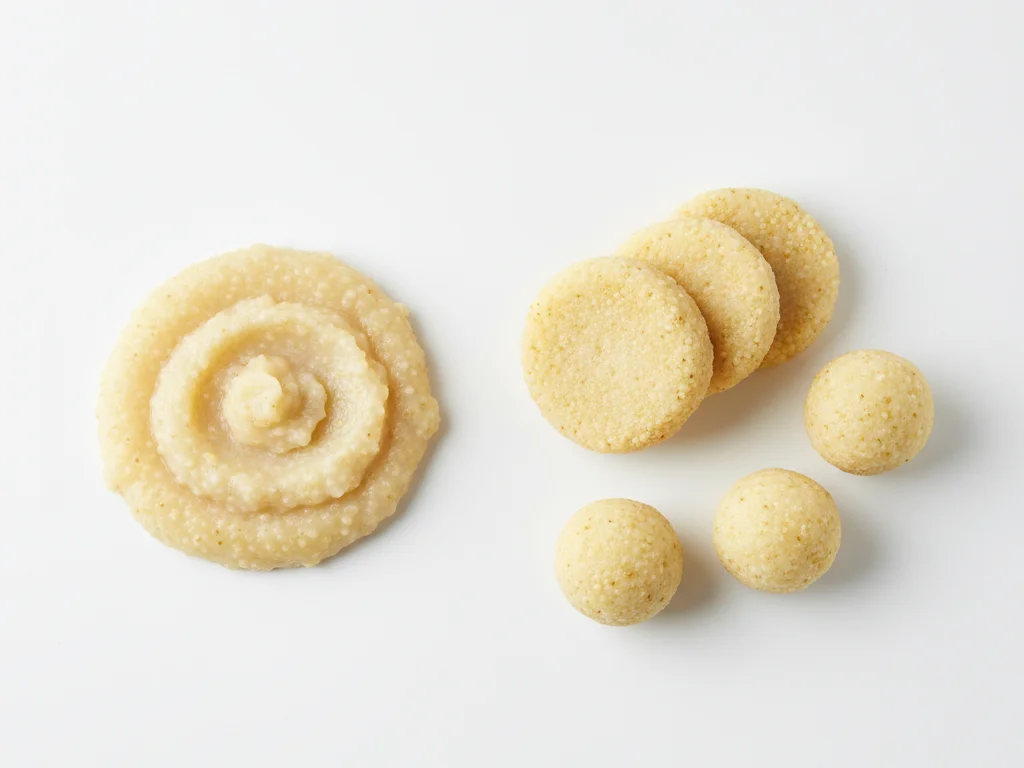
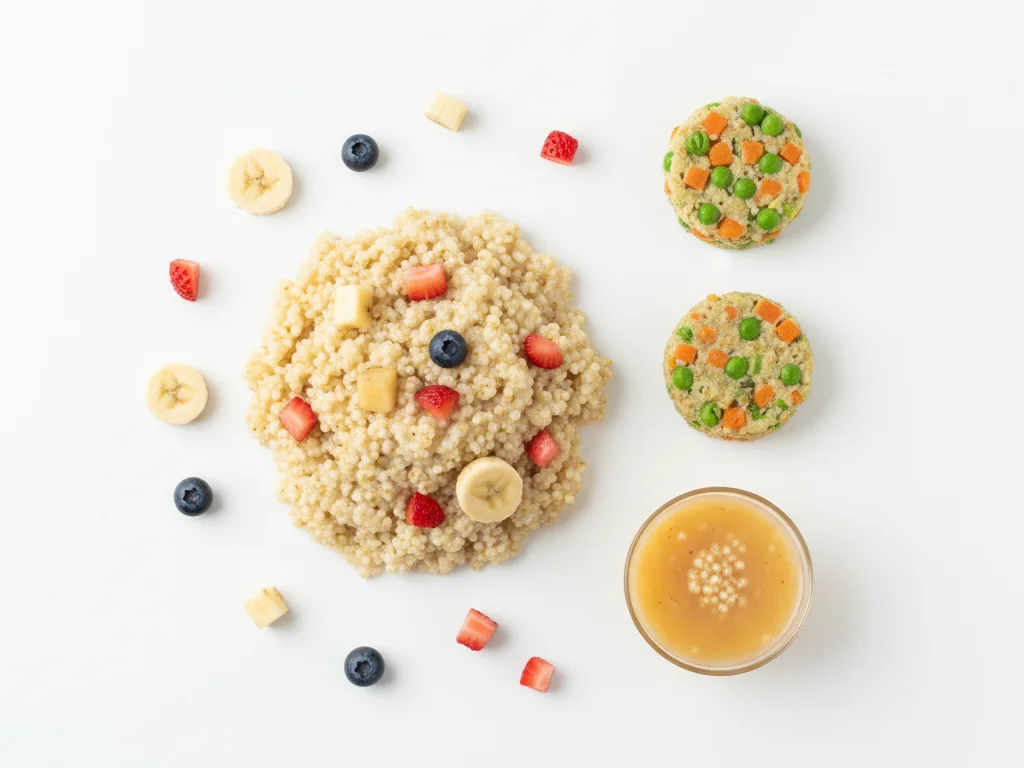
Cook millet to a soft, thick porridge that holds together slightly. You can leave it with a bit more texture to encourage chewing practice. It can also be formed into soft, moist patties or balls for your baby to practice self-feeding.
9 to 12 months

Cook millet to a soft, thick porridge that holds together slightly. You can leave it with a bit more texture to encourage chewing practice. It can also be formed into soft, moist patties or balls for your baby to practice self-feeding.

  • Cook with a 1:3 ratio of millet to liquid for a thicker consistency.
  • Mix cooked millet with mashed banana or sweet potato to help it bind for finger foods.
  • Offer small, soft clumps on the tray for your baby to pick up.
  • Combine with finely chopped soft vegetables for more flavor and nutrition.
  • Supervise closely as your baby explores this new texture.
Serve millet as a soft side dish similar to rice or quinoa. It can be used in recipes like veggie burgers, added to soups, or served as a breakfast porridge with fruit. Your toddler can enjoy it with a spoon or as part of mixed meals.
12 months +

Serve millet as a soft side dish similar to rice or quinoa. It can be used in recipes like veggie burgers, added to soups, or served as a breakfast porridge with fruit. Your toddler can enjoy it with a spoon or as part of mixed meals.

  • Use millet in place of rice in your family meals.
  • Make millet 'meatballs' with ground meat or lentils for a fun toddler meal.
  • Stir in a little cheese or yogurt for extra creaminess and protein.
  • Let your toddler help sprinkle toppings like berries or a drizzle of maple syrup.
  • Store cooked millet in the fridge for quick meal prep throughout the week.

Safety & allergens

Choking risk: Low

Millet has a very low choking risk when prepared as a soft, moist porridge for young babies. For older babies, ensure it's cooked until very soft and clumps together slightly to prevent individual grains from being a hazard. Always supervise your baby during meals.

Not a common allergen

Millet is not a top allergen. As with any new food, offer it on its own and watch for any reaction.

Vitamins & minerals

Millet is a nutritious grain that provides key minerals for your baby's health. It contains magnesium, which is important for bone development and muscle function [33], and potassium, which helps maintain healthy fluid balance and supports heart and muscle function [30]. It also offers iron for healthy blood and zinc for immune support, along with B vitamins like folate, which is crucial for cell growth and development [37].

Vitamins
Vitamin VITAMIN B6Vitamin FOLATE
Minerals
MagnesiumPotassiumIronZinc

Pairs well with

Sources & references

  1. 1USDA FoodData Central