Provolone cheese

Dairy

Provolone cheese

Provolone cheese is a mild, semi-hard cheese that can be a tasty introduction to dairy for your baby. It's rich in calcium for strong bones and teeth1, and contains vitamin B12 which supports healthy brain development2. Its slightly salty flavor and smooth texture make it appealing to little ones.

PPippin Feeding TeamReviewed by feeding specialists · Updated January 2026
First age6m+
CategoryDairy
Common allergenYes
Choking riskMedium

When can babies eat Provolone cheese?

You can introduce provolone cheese around 6 months when starting solids, but always introduce dairy products one at a time to monitor for reactions.

Storage tip

Keep provolone cheese wrapped tightly in plastic wrap or in an airtight container in the refrigerator. It typically lasts 3-4 weeks when properly stored.

How to serve Provolone cheese by age

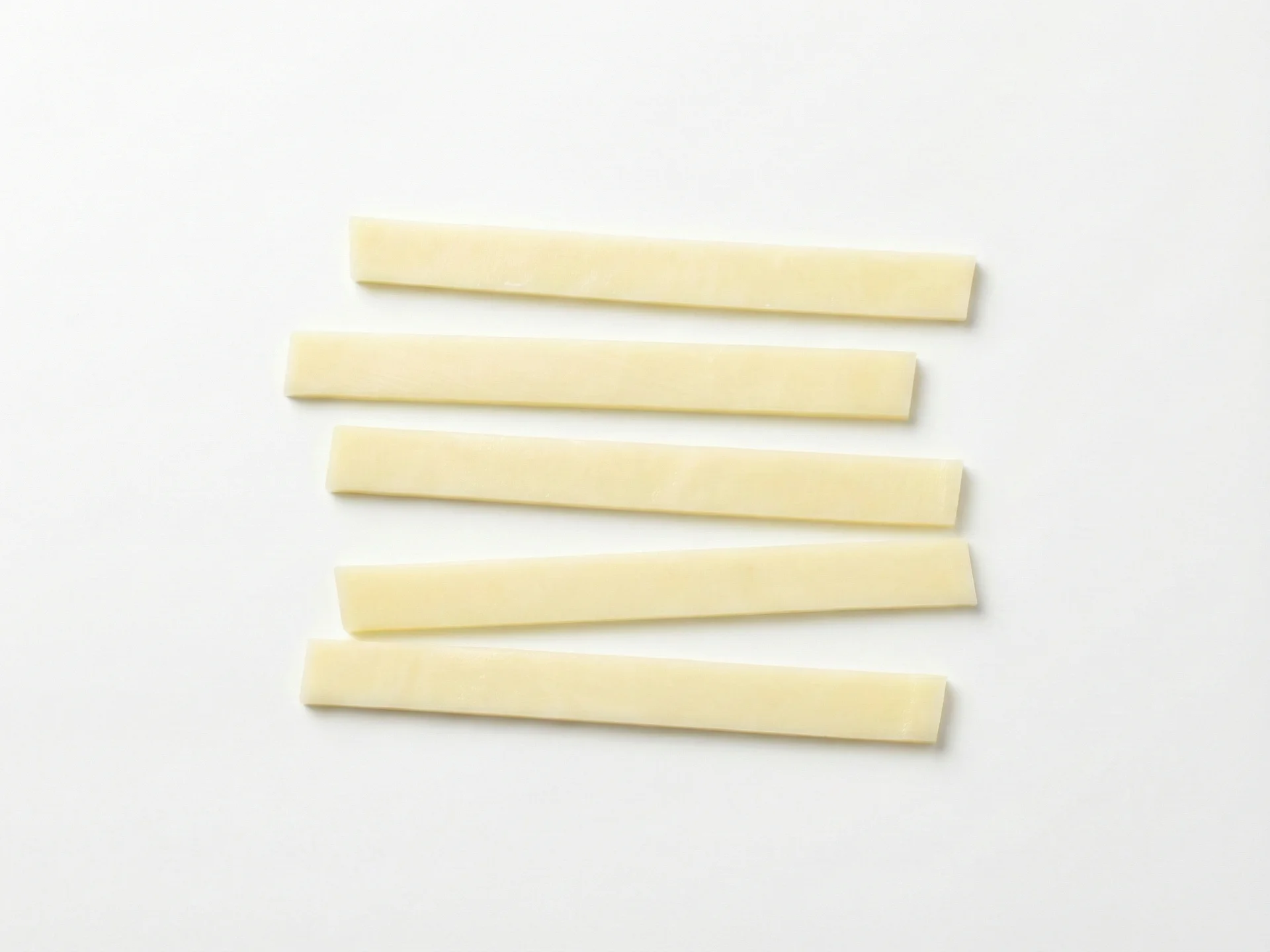
For babies 9-12 months, cut provolone cheese into thin, flat strips about the size of an adult pinky finger. This shape is easy for little hands to hold and gum. You can also offer small, soft shreds to practice the pincer grasp.9 to 12 months

For babies 9-12 months, cut provolone cheese into thin, flat strips about the size of an adult pinky finger. This shape is easy for little hands to hold and gum. You can also offer small, soft shreds to practice the pincer grasp.

  • Choose mild provolone to avoid overwhelming flavors
  • Serve at room temperature for easier chewing
  • Combine with soft foods like avocado or banana
  • Avoid large chunks that could pose a choking hazard
  • Monitor for signs of dairy intolerance
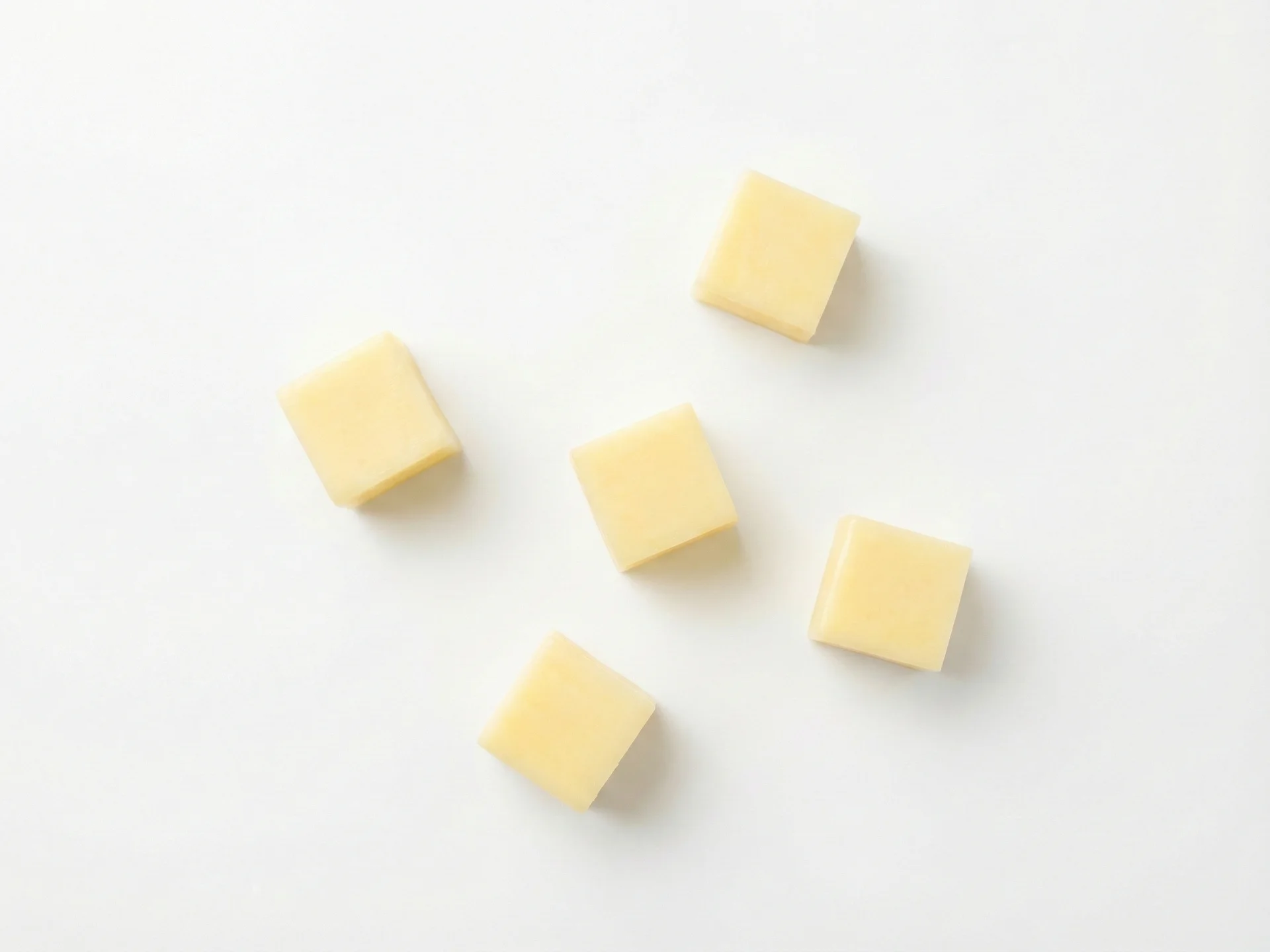
For toddlers 12 months and up, you can offer small cubes or grated provolone cheese as finger food. They can also enjoy it melted on whole-grain toast or mixed into scrambled eggs for varied textures.12 months +

For toddlers 12 months and up, you can offer small cubes or grated provolone cheese as finger food. They can also enjoy it melted on whole-grain toast or mixed into scrambled eggs for varied textures.

  • Introduce melted provolone in sandwiches or quesadillas
  • Use as a topping for pasta or vegetables
  • Offer alongside fruits for a balanced snack
  • Encourage self-feeding with a baby-safe fork
  • Limit to a few small servings per day due to sodium content

Safety & allergens

Choking risk: Medium

Provolone cheese can be a choking hazard if served in large chunks or when it's too firm. Always serve it in age-appropriate sizes and textures. For younger babies, melt it into other foods or serve very small, soft pieces that they can gum easily.

Common allergen

Cow's milk allergy affects about 2-3% of infants and young children3.

Watch for symptoms:

  • Hives
  • Swelling of lips or face
  • Vomiting or diarrhea
  • Wheezing or difficulty breathing4

Introduce a small amount of provolone cheese and watch for reactions over the next few days. If there's no family history of dairy allergies, you can introduce it at home, but consult your pediatrician if you have concerns5. Most children outgrow milk allergies by age 56.

Vitamins & minerals

Provolone cheese provides excellent nutrition for growing babies. The calcium supports bone mineralization and development1, while vitamin B12 is essential for neurological function and red blood cell formation2. The phosphorus works with calcium to build strong bones and teeth7.

Vitamins
Vitamin AVitamin B2Vitamin B12
Minerals
CalciumPhosphorusSodium

Nutritional synergy

Pair provolone cheese with vitamin C-rich foods like tomatoes or bell peppers to enhance iron absorption from other foods in the meal8.

Common questions

How should I serve provolone cheese to my 6-month-old?

For young babies, melt a small amount of provolone into mashed vegetables or oatmeal, or offer tiny, soft shreds that they can gum. Avoid large chunks or slices that could pose a choking risk.

What's the difference between provolone and other cheeses for babies?

Provolone is milder than sharp cheddar but firmer than mozzarella, making it a good middle-ground cheese. It melts well and has a pleasant, slightly salty flavor that many babies enjoy.

Can I use provolone cheese in homemade baby food recipes?

Absolutely! Melt provolone into vegetable purees, sprinkle small shreds on soft cooked pasta, or add it to egg dishes. Just remember to introduce it separately first to check for any reactions.

Sources & references

  1. 1NIH Office of Dietary Supplements, 2023
  2. 2NIH Office of Dietary Supplements, 2023
  3. 3Sicherer et al., 2014
  4. 4American Academy of Pediatrics, 2023
  5. 5Fleischer et al., 2013
  6. 6Savage et al., 2007
  7. 7NIH Office of Dietary Supplements, 2023
  8. 8Lynch, 2011