Gorgonzola

Dairy

Gorgonzola

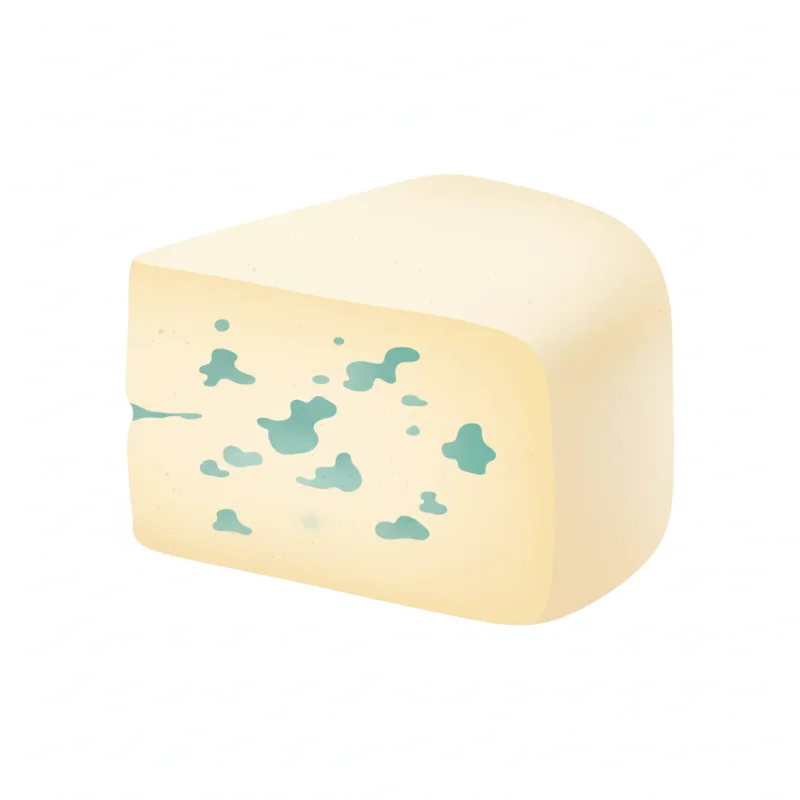
Gorgonzola is a creamy, tangy blue cheese that can introduce babies to bold flavors while providing important nutrients for growth. It's rich in calcium and phosphorus, which work together to build strong bones and teeth.24 The protein content also supports healthy muscle development and overall growth.5

PPippin Feeding TeamReviewed by feeding specialists · Updated January 2026
First age12m+
CategoryDairy
Common allergenYes
Choking riskLow

When can babies eat Gorgonzola?

Wait until around 12 months to introduce Gorgonzola due to its high sodium content and potential for mold-related concerns. Always introduce dairy products gradually after your baby has tolerated milder cheeses.

Storage tip

Keep Gorgonzola tightly wrapped in the refrigerator for up to 2 weeks. The blue veins may spread slightly over time, which is normal for this type of cheese.

How to serve Gorgonzola by age

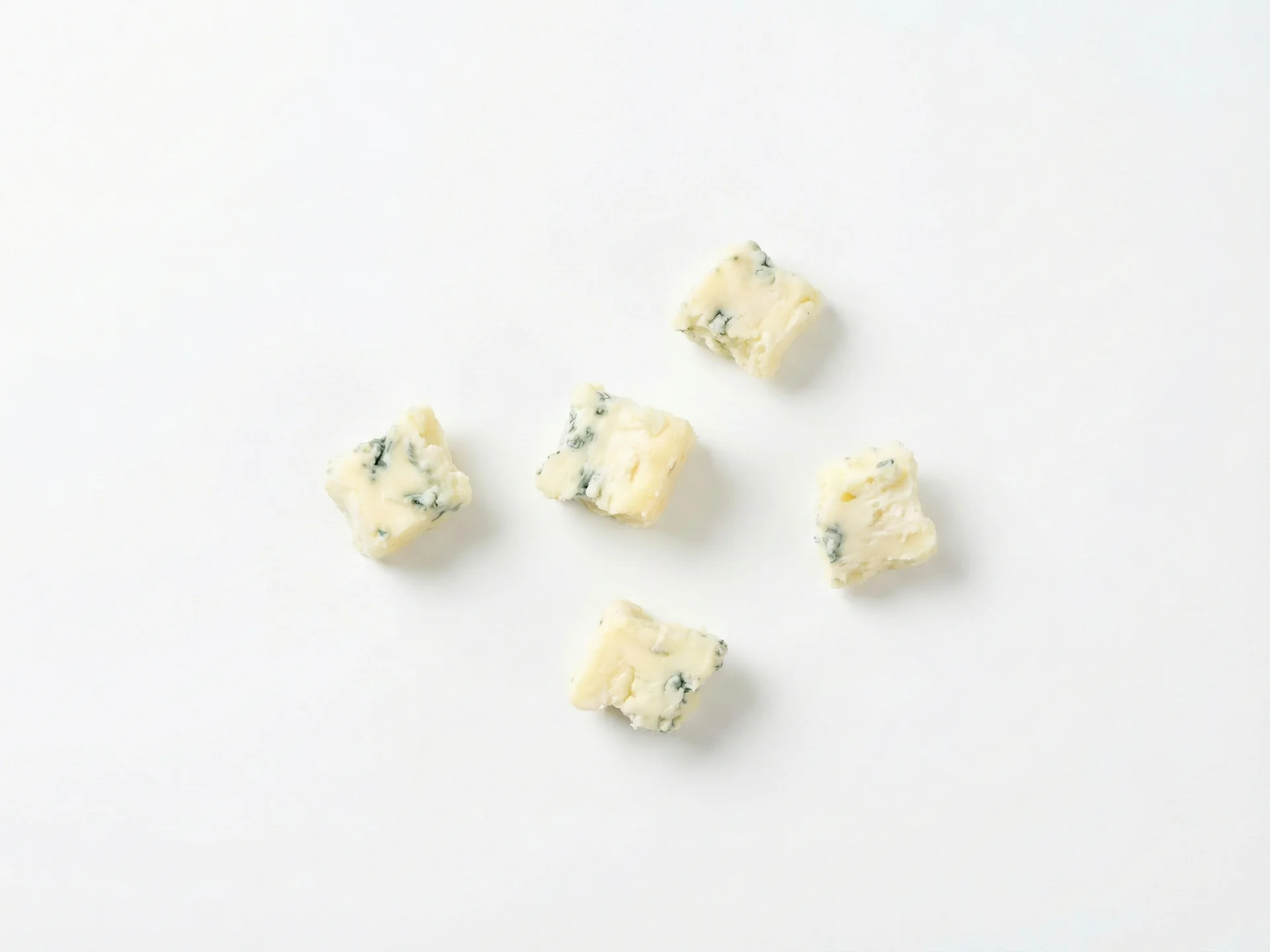
For babies 12-18 months, serve Gorgonzola mashed or crumbled into tiny, soft pieces. Mix it into foods like mashed potatoes, oatmeal, or soft-cooked vegetables to dilute the strong flavor and sodium. Ensure pieces are no larger than a pea to prevent choking.12 to 18 months

For babies 12-18 months, serve Gorgonzola mashed or crumbled into tiny, soft pieces. Mix it into foods like mashed potatoes, oatmeal, or soft-cooked vegetables to dilute the strong flavor and sodium. Ensure pieces are no larger than a pea to prevent choking.

  • Mash a small amount into avocado or banana for a creamy texture.
  • Sprinkle tiny crumbles over soft-cooked pasta.
  • Avoid serving it plain; always combine with other foods.
  • Limit to once a week due to high sodium.
  • Watch for any signs of dairy intolerance.
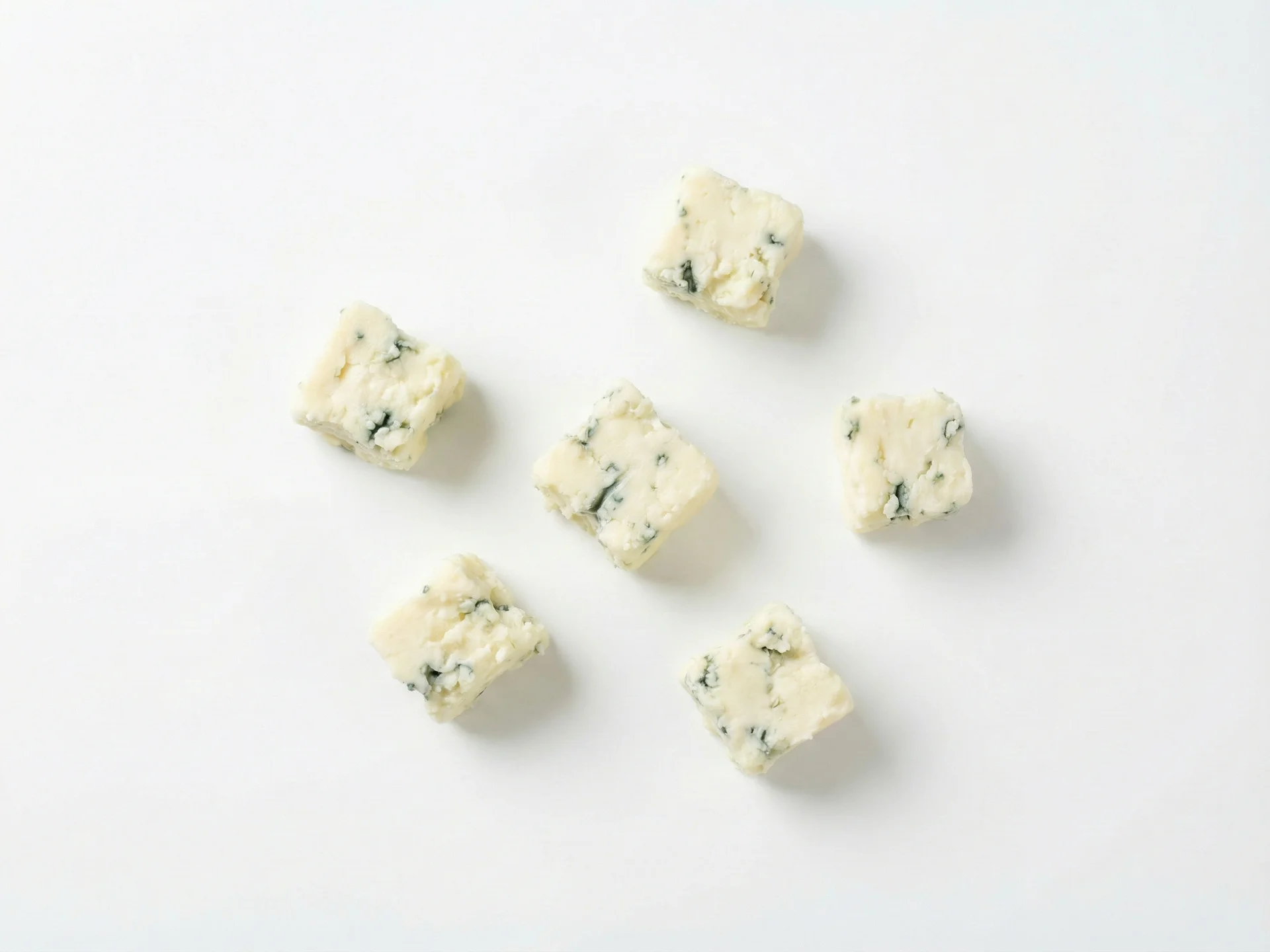
For toddlers 18 months and up, you can offer slightly larger, soft crumbles or thin slices of Gorgonzola. It can be served as part of a cheese plate with other mild cheeses or melted into dishes. Continue to monitor portion sizes to keep sodium intake in check.18 months +

For toddlers 18 months and up, you can offer slightly larger, soft crumbles or thin slices of Gorgonzola. It can be served as part of a cheese plate with other mild cheeses or melted into dishes. Continue to monitor portion sizes to keep sodium intake in check.

  • Offer thin slices on whole-grain crackers.
  • Melt into scrambled eggs or omelets.
  • Use in small amounts in homemade pizza or sauces.
  • Pair with fruits like grapes or pears to balance the saltiness.
  • Encourage self-feeding with safe utensils.

Safety & allergens

Choking risk: Low

Gorgonzola is soft and crumbly when served at room temperature, making it low risk for choking. For younger babies, mash it thoroughly or mix into other foods. Always supervise your baby during feeding and ensure they're sitting upright.

Common allergen

Cow's milk allergy affects about 2-3% of infants under 1 year old, making it one of the most common food allergies in babies.2

Watch for symptoms:

  • Hives
  • Swelling around mouth
  • Vomiting or diarrhea
  • Wheezing or difficulty breathing
  • Eczema flare-up

Introduce a tiny amount (about ¼ teaspoon) mixed into another food your baby already tolerates. Wait 3-5 days before offering more or trying other dairy products. If there's a family history of milk allergy, consult your pediatrician first.2

Vitamins & minerals

Gorgonzola provides 401mg of calcium per 100g, which is crucial for building strong bones and preventing conditions like rickets.3 The 326mg of phosphorus works with calcium for proper bone mineralization,2 while the 19.1g of protein supports healthy growth and development.5

Vitamins
Vitamin AVitamin B2Vitamin B12
Minerals
CalciumPhosphorusSodium

Nutritional synergy

Pair Gorgonzola with vitamin C-rich foods like steamed broccoli or bell peppers, as vitamin C enhances calcium absorption.2 The fat in cheese also helps absorb fat-soluble vitamins like vitamin A.

Common questions

Why wait until 12 months for Gorgonzola when other cheeses can be introduced earlier?

Gorgonzola has higher sodium content (600mg per 100g) than milder cheeses, and babies' kidneys are still developing. The blue mold veins, while safe for most, may cause digestive upset in sensitive infants. Start with milder cheeses like mozzarella or cheddar around 8-9 months first.

My baby made a funny face when trying Gorgonzola. Should I stop offering it?

The strong, tangy flavor can surprise babies! It often takes 10-15 exposures for babies to accept new flavors. Try mixing a tiny amount into mashed potatoes, pasta, or vegetables to gradually introduce the taste. If they consistently refuse, wait a few weeks and try again.

Can I use Gorgonzola in cooked dishes for my baby?

Yes! Melting Gorgonzola into sauces, risottos, or pasta dishes can mellow the flavor while maintaining nutritional benefits. Just ensure it's thoroughly melted and mixed evenly. Avoid serving the rind, which can be tough for babies to chew.

Sources & references

  1. 1TBCA - Tabela Brasileira de Composição de Alimentos
  2. 2Couce ML et al., 2021
  3. 3Carpenter TO et al., 2017
  4. 4Kovacs CS, 2015
  5. 5Ong KK, 2017