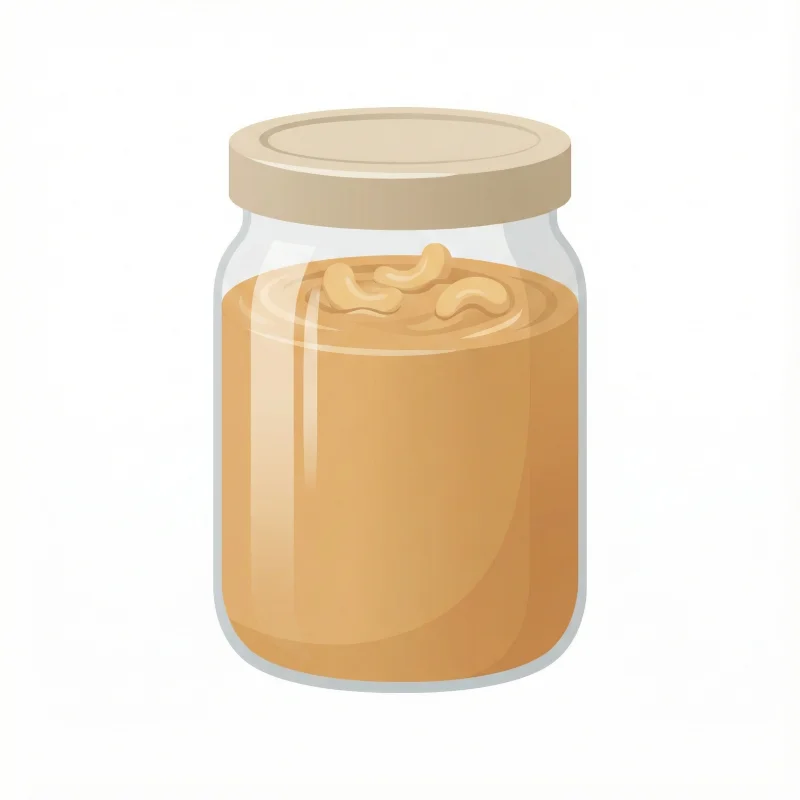
Cashew butter

Nut

Cashew butter

Cashew butter is a creamy, delicious spread that can be a wonderful addition to your baby's diet, offering a rich source of healthy fats and protein to support their rapid growth.1 Its smooth texture makes it easy to mix into other foods, and it provides essential nutrients like iron and magnesium that are crucial for your baby's development.2 Plus, its mild, slightly sweet taste is often a hit with little ones!

PPippin Feeding TeamReviewed by feeding specialists · Updated July 2026
First age6m+
CategoryNut
Common allergenYes
Choking riskLow

When can babies eat Cashew butter?

You can introduce cashew butter around 6 months when starting solids, but because it's a tree nut, it's important to follow safe introduction practices for allergenic foods.

Storage tip

Store cashew butter in a cool, dark place like your pantry, and use within 3 months after opening. If it separates, just give it a good stir before using.

How to serve Cashew butter by age

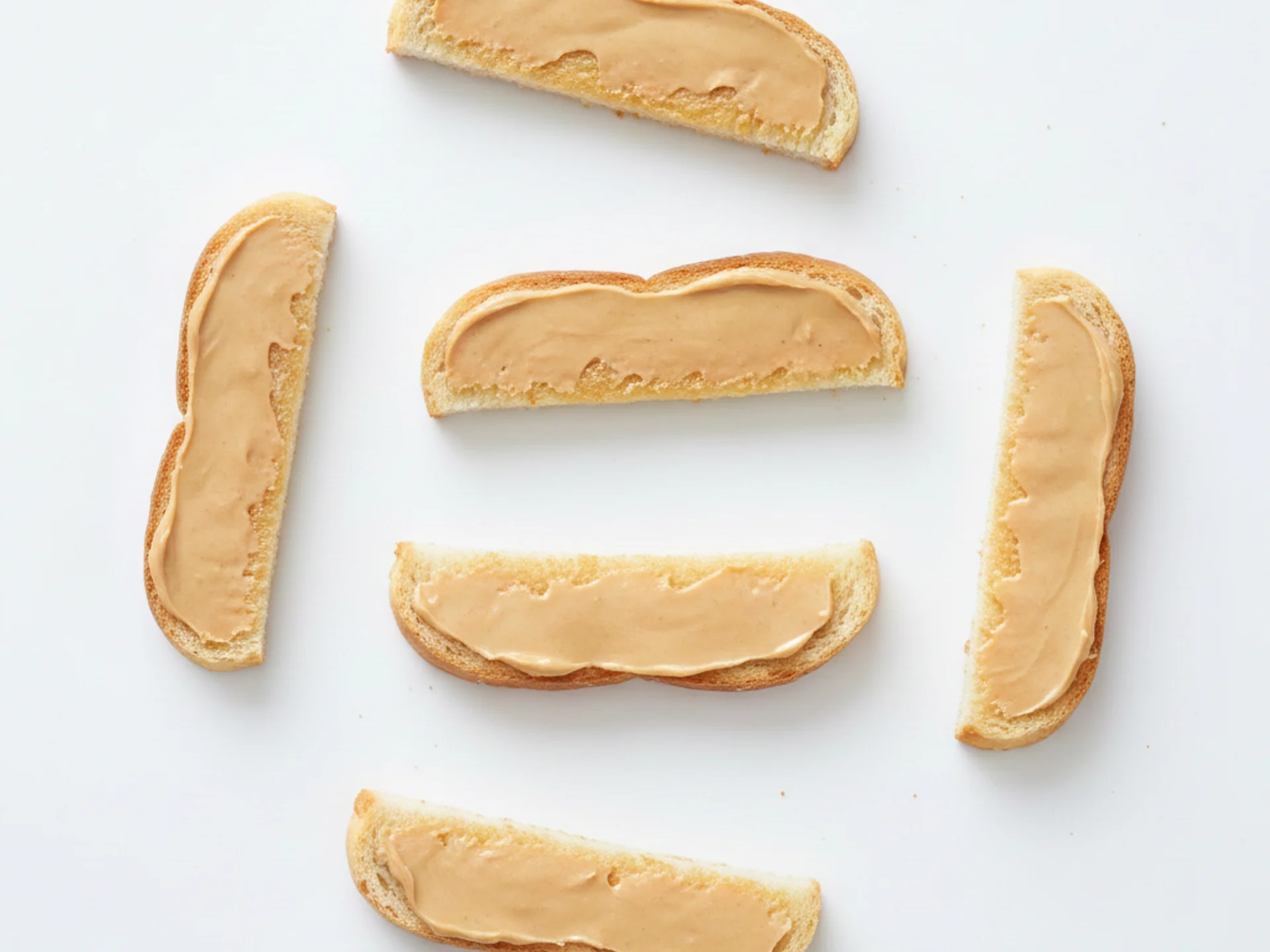
For babies 6-9 months, spread a very thin layer of smooth cashew butter on soft, easy-to-hold foods like strips of toast, banana slices, or steamed apple wedges. This helps them practice gripping and brings the butter to their mouth safely without large globs.6 to 9 months

For babies 6-9 months, spread a very thin layer of smooth cashew butter on soft, easy-to-hold foods like strips of toast, banana slices, or steamed apple wedges. This helps them practice gripping and brings the butter to their mouth safely without large globs.

  • Use only smooth, unsweetened cashew butter to avoid added sugars.
  • Spread it thinly to prevent choking and make it easier to swallow.
  • Offer it on foods that are soft and mashable in case they gum it.
  • Introduce in the morning to monitor for allergies throughout the day.
  • Always supervise your baby closely during feeding.
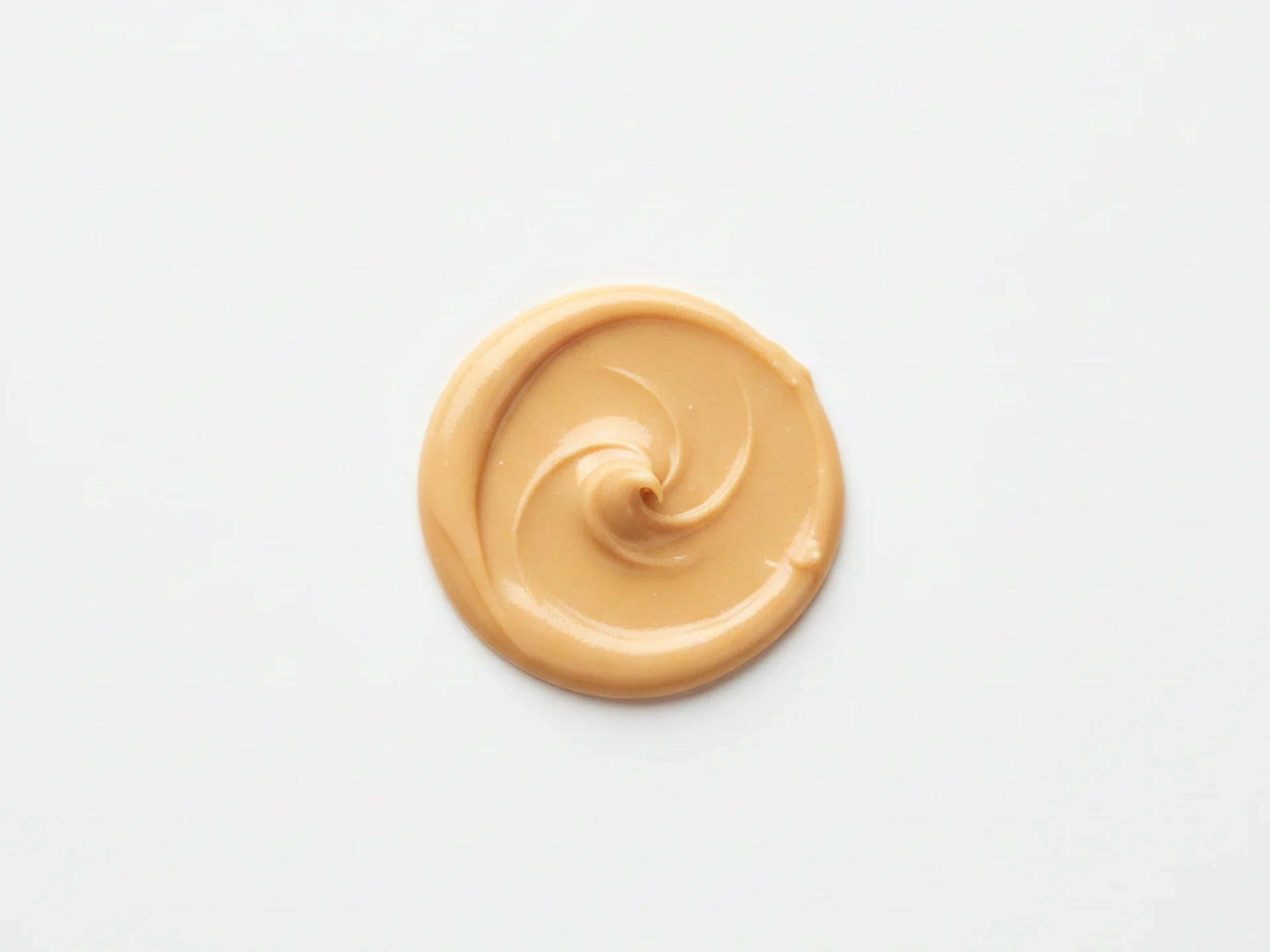
For babies 9 months and up, you can offer slightly thicker spreads or mix cashew butter into other foods like yogurt, oatmeal, or purees. They may also enjoy dipping soft vegetable sticks into a small dollop, encouraging self-feeding skills.9 months +

For babies 9 months and up, you can offer slightly thicker spreads or mix cashew butter into other foods like yogurt, oatmeal, or purees. They may also enjoy dipping soft vegetable sticks into a small dollop, encouraging self-feeding skills.

  • Mix cashew butter into warm cereals or mashed fruits for added nutrition.
  • Offer it as a dip for soft-cooked veggies like carrots or sweet potatoes.
  • Gradually increase the amount if tolerated, but keep it to 1-2 teaspoons per serving.
  • Avoid chunky or salted varieties that might be harder to digest.
  • Continue to watch for any signs of allergies as you vary preparations.

Safety & allergens

Choking risk: Low

Cashew butter is smooth and spreadable, so it poses a low choking risk when served appropriately. Always spread it thinly on toast or mix it into purees to avoid thick globs that could be hard to swallow. Never serve whole nuts or chunky nut butters to babies.

Common allergen

Tree nut allergies, including to cashews, affect about 0.5-1% of children in the United States.3

Watch for symptoms:

  • Hives
  • Swelling of the lips, face, or tongue
  • Vomiting or diarrhea
  • Difficulty breathing
  • Wheezing or coughing

Introduce cashew butter by offering a small amount (about 1/4 teaspoon) mixed into a familiar food like oatmeal or yogurt, and watch for any reactions for at least 2 hours.4 If there's no reaction, you can gradually increase the amount. Always consult your pediatrician before introducing major allergens, especially if there's a family history of allergies.5

Vitamins & minerals

Cashew butter is packed with nutrients that support your baby's health. It's rich in iron, which is vital for healthy blood and brain development, and magnesium, which helps with bone growth and muscle function.26 The healthy fats in cashews provide energy and aid in the absorption of fat-soluble vitamins like Vitamin E, which supports the immune system.17

Vitamins
Vitamin EVitamin KVitamin B1Vitamin B2Vitamin B3Vitamin B5Vitamin B6Vitamin B9
Minerals
IronMagnesiumPhosphorusPotassiumZincCopperManganeseSelenium

Nutritional synergy

Pair cashew butter with vitamin C-rich foods like strawberries or oranges to enhance iron absorption, making this nutrient more available for your baby's body to use.8

Common questions

How do I choose a safe cashew butter for my baby?

Look for unsweetened, unsalted varieties with no added oils or preservatives. Smooth, creamy textures are best for babies. Always check the label to ensure it's made in a facility free from cross-contamination if you're concerned about other allergens.

What if my baby doesn't like cashew butter at first?

It's common for babies to need multiple exposures to accept new flavors. Try mixing a tiny amount into foods they already enjoy, like banana puree or applesauce, and gradually increase it over time. Don't force it—keep offerings positive and pressure-free.

Can cashew butter help with my baby's constipation?

Cashew butter contains fiber and healthy fats that can support regular digestion.9 However, if constipation is a concern, it's best to offer a variety of fiber-rich foods and consult your pediatrician for personalized advice.

Sources & references

  1. 1USDA FoodData Central, 2024
  2. 2National Institutes of Health, Office of Dietary Supplements, 2023
  3. 3Sicherer et al., 2018
  4. 4American Academy of Pediatrics, 2021
  5. 5Togias et al., 2017
  6. 6World Health Organization, 2020
  7. 7Traber et al., 2021
  8. 8Lynch et al., 2018
  9. 9Dahl et al., 2015