Scallops

Protein

Scallops

Scallops are a delicious, tender shellfish that can be a wonderful source of lean protein for your baby. They have a mild, slightly sweet flavor and a soft texture when cooked properly, making them appealing for little ones. Rich in essential nutrients like Vitamin B12 and zinc, they support healthy growth and development.12

PPippin Feeding TeamReviewed by feeding specialists · Updated January 2026
First age6m+
CategoryProtein
Common allergenYes
Choking riskMedium

When can babies eat Scallops?

Scallops can be introduced around 6 months of age, like most solid foods, but because they are a shellfish allergen, it's wise to introduce them after your baby has tried a few other single-ingredient foods successfully.

Storage tip

Store fresh scallops in the coldest part of your refrigerator and use within 1-2 days. For longer storage, freeze them in an airtight container for up to 3 months.

How to serve Scallops by age

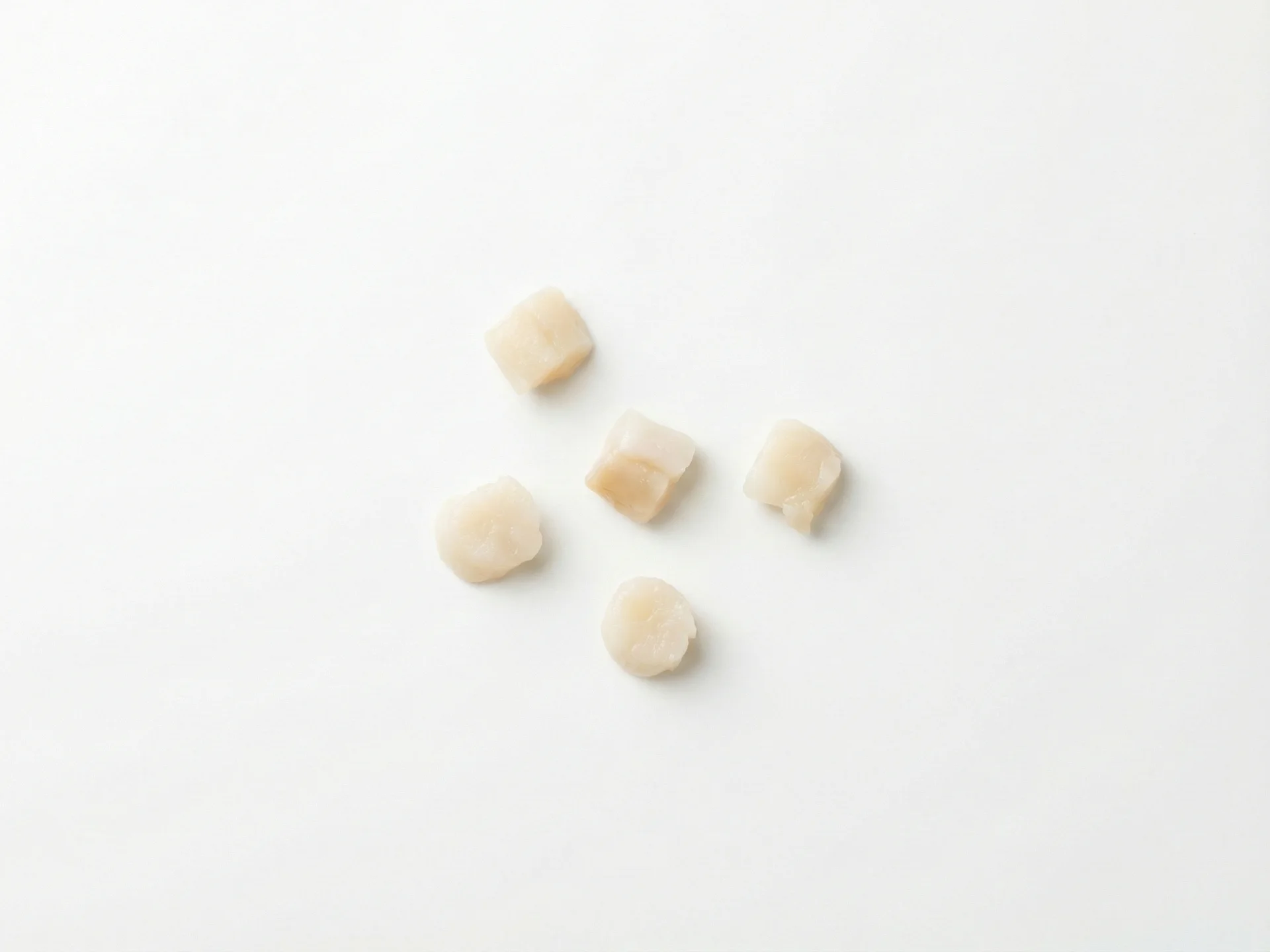
For babies 9-12 months, cook scallops until very tender, then mash or finely chop them into small, pea-sized pieces. You can mix mashed scallops with mashed vegetables or grains to create a softer texture. Avoid serving whole or large pieces at this age.9 to 12 months

For babies 9-12 months, cook scallops until very tender, then mash or finely chop them into small, pea-sized pieces. You can mix mashed scallops with mashed vegetables or grains to create a softer texture. Avoid serving whole or large pieces at this age.

  • Steam or poach scallops for maximum tenderness
  • Mash cooked scallops with a fork or potato masher
  • Mix with avocado or sweet potato for easier swallowing
  • Cut into pieces no larger than a pea
  • Always test texture by mashing between your fingers
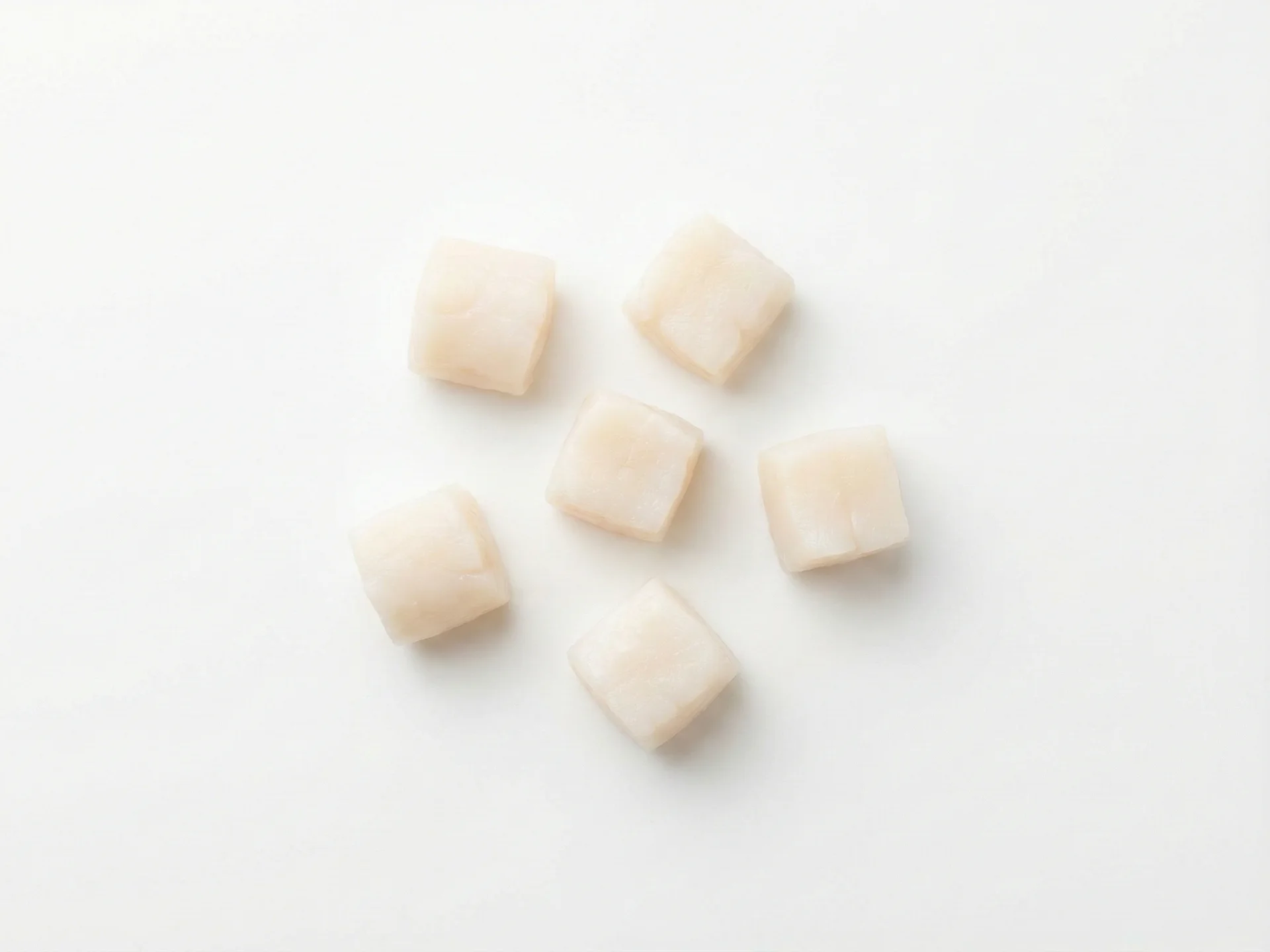
For toddlers 12 months and older, you can offer small, bite-sized pieces of well-cooked scallops that they can pick up themselves. Scallops should still be tender but can be served in larger pieces as chewing skills improve. Continue to avoid whole scallops until your child has mature chewing abilities.12 months +

For toddlers 12 months and older, you can offer small, bite-sized pieces of well-cooked scallops that they can pick up themselves. Scallops should still be tender but can be served in larger pieces as chewing skills improve. Continue to avoid whole scallops until your child has mature chewing abilities.

  • Cut cooked scallops into dime-sized pieces
  • Serve as finger food for self-feeding practice
  • Pair with dipping sauces like yogurt or hummus
  • Include in mixed dishes like pasta or rice bowls
  • Monitor closely during meals as texture can vary

Safety & allergens

Choking risk: Medium

Scallops can be a choking hazard if not prepared appropriately. For young babies, they must be cooked until very tender and either pureed or mashed thoroughly. As your baby grows and develops chewing skills, you can offer small, soft pieces. Always supervise your baby during meals.

Common allergen

Shellfish allergies, including to scallops, affect about 0.5-2.5% of the general population, with onset often in childhood.3

Watch for symptoms:

  • Hives
  • Swelling (especially of the face, lips, or tongue)
  • Digestive upset (vomiting, diarrhea)
  • Wheezing or difficulty breathing
  • Anaphylaxis (a severe, life-threatening reaction)4

Introduce scallops by offering a very small amount (about 1/4 teaspoon of puree) and watch closely for any reaction over the next few hours. It's recommended to introduce shellfish early, around 6 months, as this may help reduce the risk of developing an allergy.5 Always consult your pediatrician before introducing major allergens, especially if there's a family history of food allergies.

Vitamins & minerals

Scallops are packed with nutrients crucial for your baby's development. They are an excellent source of Vitamin B12, which is vital for brain development and healthy nerve function.1 The zinc and selenium in scallops support a strong immune system and proper growth.2

Vitamins
Vitamin B12Vitamin B2Vitamin B3Vitamin B5Vitamin B6
Minerals
ZincSeleniumPhosphorusIronCopperMagnesiumPotassium

Nutritional synergy

Pairing scallops with a source of vitamin C, like mashed sweet potatoes or bell peppers, can help enhance the absorption of the iron they contain.6

Common questions

How do I cook scallops for my baby?

Steam, poach, or bake scallops until they are fully opaque and tender—avoid frying. For young babies, puree the cooked scallop with a little breast milk, formula, or water to achieve a smooth consistency. For older babies, you can finely chop or mash them.

What if my baby has a reaction to scallops?

If you notice any symptoms like hives, swelling, or vomiting after feeding scallops, stop feeding immediately and contact your pediatrician. For severe symptoms like difficulty breathing, seek emergency medical care right away.

Can I use frozen scallops?

Yes, frozen scallops are a great option and often more convenient. Thaw them safely in the refrigerator overnight before cooking. Ensure they are cooked thoroughly to kill any potential bacteria.

Sources & references

  1. 1National Institutes of Health, Office of Dietary Supplements, 2024
  2. 2National Institutes of Health, Office of Dietary Supplements, 2024
  3. 3Sicherer et al., 2010
  4. 4American College of Allergy, Asthma & Immunology, 2024
  5. 5Togias et al., 2017
  6. 6Lynch et al., 2018