Beef

Protein

Beef

Beef is a fantastic first protein for your baby, offering a rich, savory flavor that many little ones enjoy. It's packed with essential nutrients that support your baby's rapid growth and development, particularly iron which is crucial for healthy brain development and preventing anemia.1 The texture can be easily adapted for different ages, making it a versatile addition to your baby's meals.

PPippin Feeding TeamReviewed by feeding specialists · Updated July 2026
First age6m+
CategoryProtein
Common allergenNo
Choking riskMedium

When can babies eat Beef?

Beef can be introduced around 6 months when your baby starts solids, as it's an excellent source of iron that babies need at this stage. It's often recommended as one of the first meats due to its nutritional profile.

Storage tip

Store raw beef in the coldest part of your refrigerator for 1-2 days, or freeze for 2-3 months. Cooked beef purees can be frozen in ice cube trays for up to 2 months for easy portioning.

How to serve Beef by age

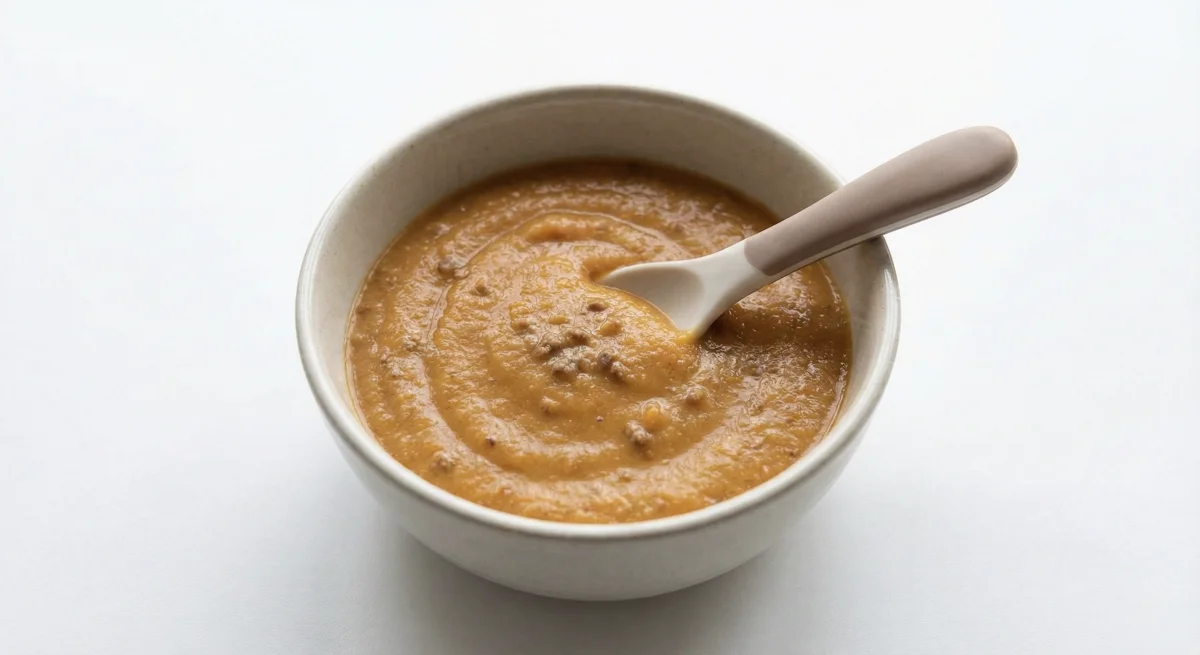
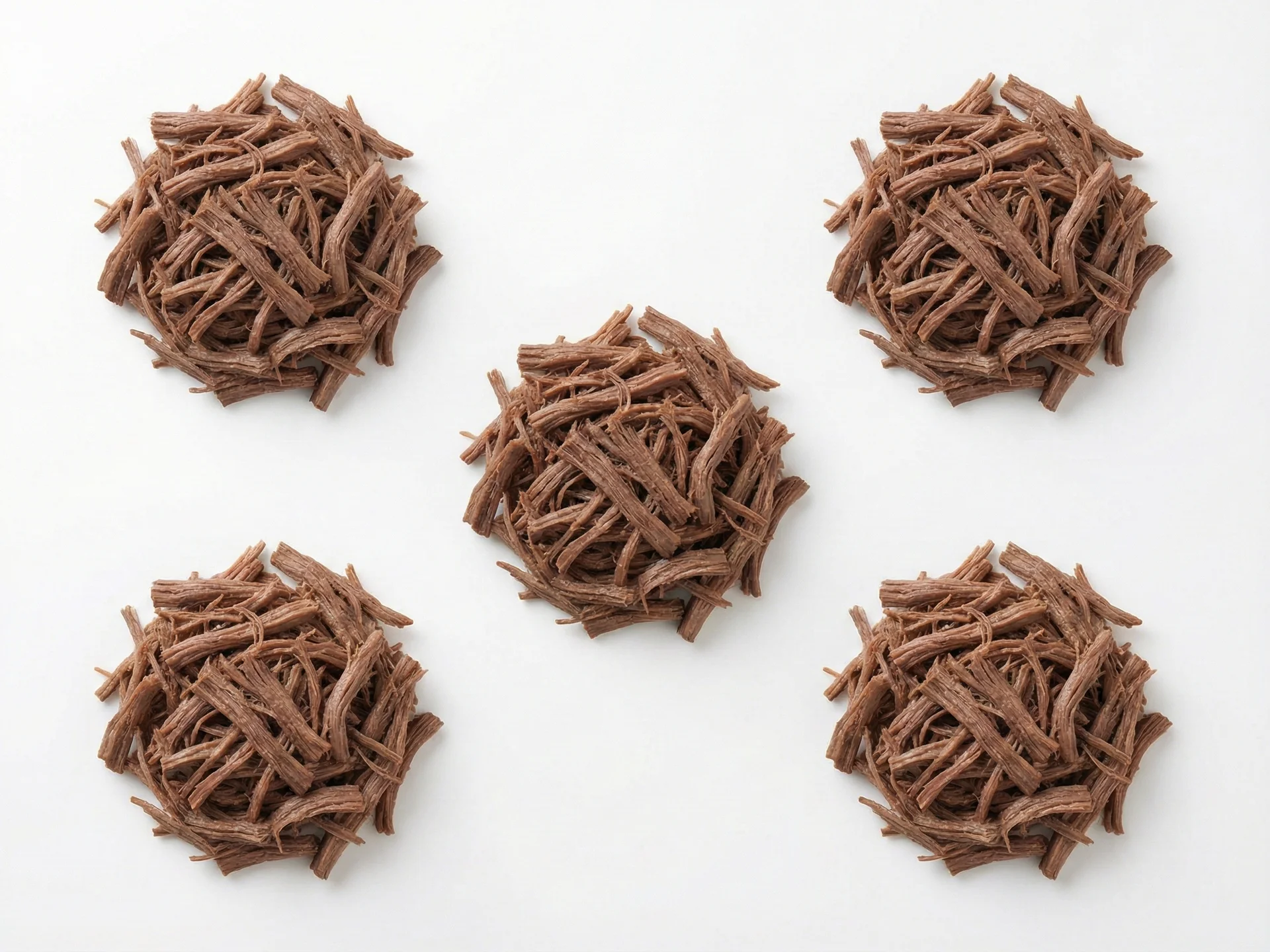
For beginners, cook beef until very tender and shred into thin, noodle-like strands or mash into a soft paste. Offer on a pre-loaded spoon or let baby grab the shreds with their palm. Choose lean, tender cuts like sirloin or chuck roast cooked in moisture.6 to 9 months

For beginners, cook beef until very tender and shred into thin, noodle-like strands or mash into a soft paste. Offer on a pre-loaded spoon or let baby grab the shreds with their palm. Choose lean, tender cuts like sirloin or chuck roast cooked in moisture.

  • Slow-cook beef for 6-8 hours until it falls apart easily
  • Shred against the grain into pieces about 1-2 inches long
  • Mix with mashed avocado or sweet potato for easier handling
  • Avoid adding salt or strong spices
  • Always test tenderness by squishing between your fingers
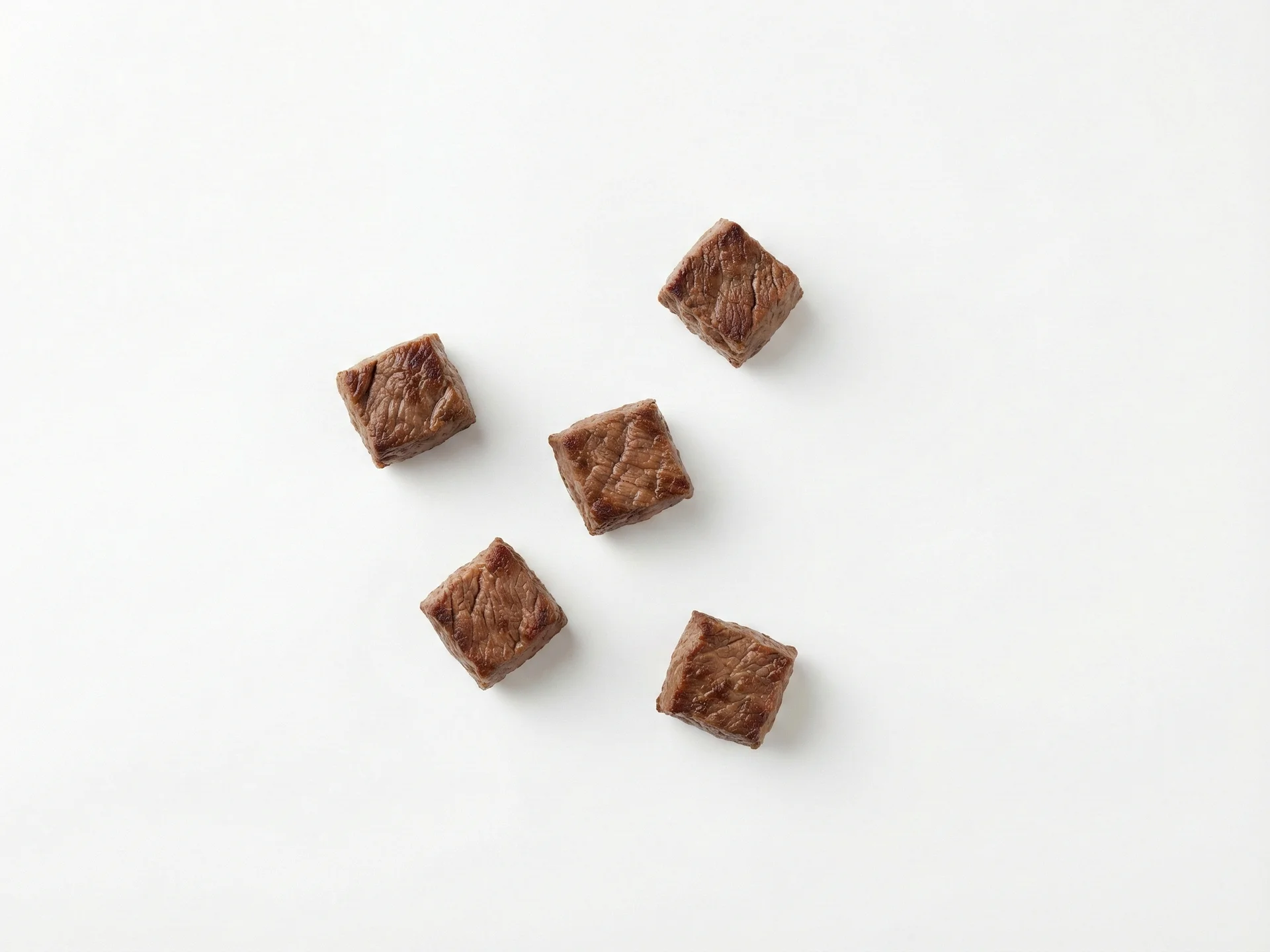
As babies develop their pincer grasp, cut cooked beef into small, pea-sized pieces or offer thin strips about the size of an adult finger. Continue cooking until tender but allow slightly more texture to encourage chewing practice.9 to 12 months

As babies develop their pincer grasp, cut cooked beef into small, pea-sized pieces or offer thin strips about the size of an adult finger. Continue cooking until tender but allow slightly more texture to encourage chewing practice.

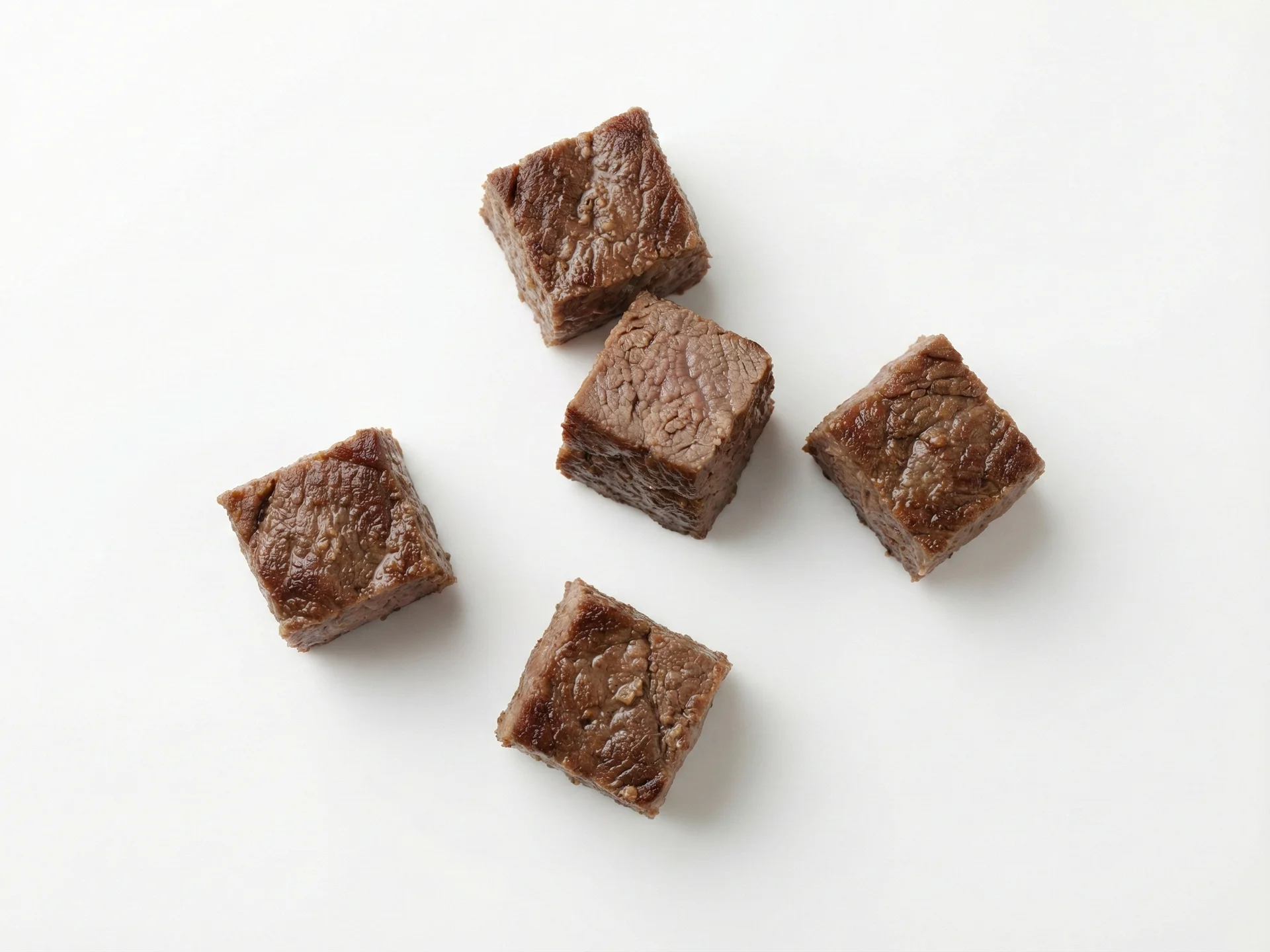
  • Cut into small cubes (¼ inch) for pincer grasp practice
  • Offer finger-sized strips for self-feeding
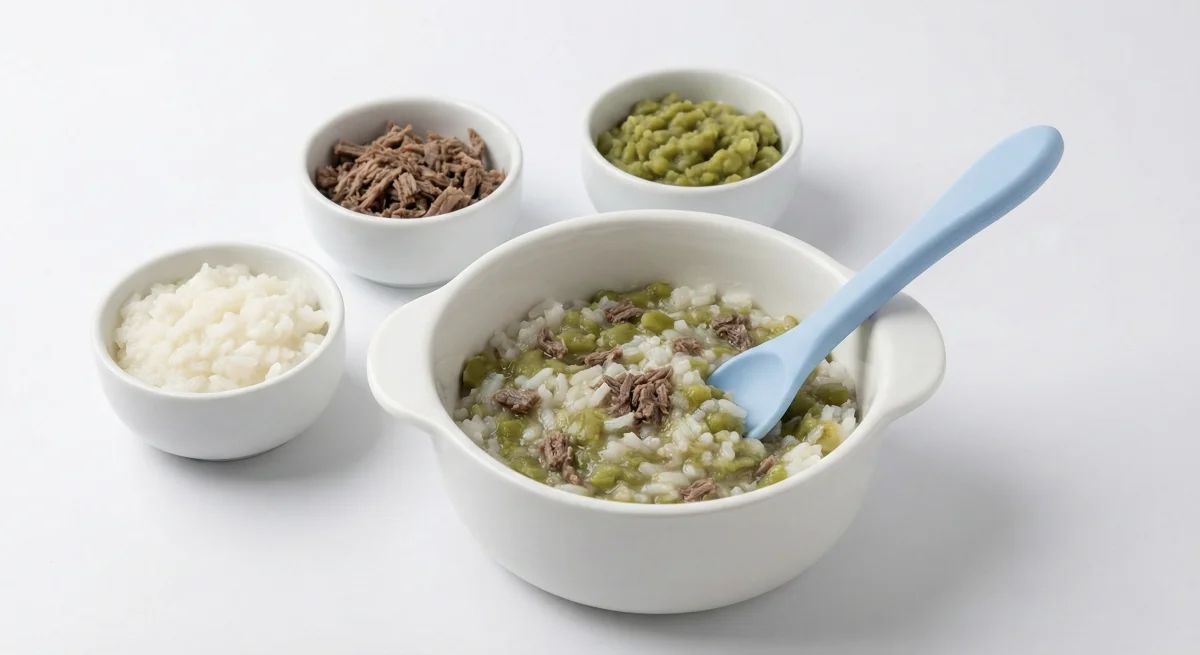
  • Combine with soft-cooked vegetables in bite-sized mixtures
  • Introduce mild seasonings like garlic or herbs
  • Ensure pieces are soft enough to gum easily
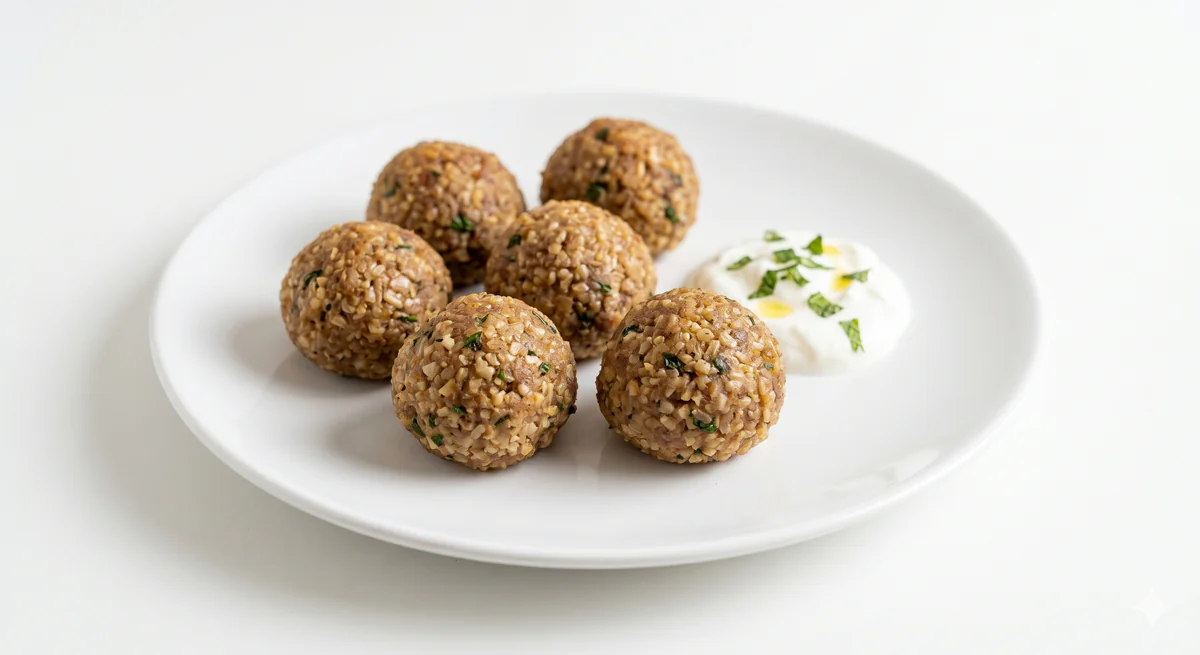
Toddlers can handle more textured beef preparations like small meatballs, patties, or diced pieces in stews. Continue to ensure beef is cooked thoroughly and cut into manageable sizes, but you can introduce more variety in preparation methods.12 months +

Toddlers can handle more textured beef preparations like small meatballs, patties, or diced pieces in stews. Continue to ensure beef is cooked thoroughly and cut into manageable sizes, but you can introduce more variety in preparation methods.

  • Make mini meatballs with ground beef and binders like egg or breadcrumbs
  • Cut into bite-sized pieces (½ inch cubes)
  • Include in family meals like soups or casseroles
  • Introduce a wider range of seasonings
  • Supervise chewing as texture becomes more substantial

Safety & allergens

Choking risk: Medium

Beef can be a choking hazard if not prepared properly. For young babies, always serve it pureed or mashed to a very smooth consistency. As your baby gets older and develops chewing skills, you can offer small, soft shreds or finely minced pieces that are easy to gum and swallow.

Not a common allergen

Beef is not a top allergen. As with any new food, offer it on its own and watch for any reaction.

Vitamins & minerals

Beef is particularly valuable for babies because it's rich in heme iron, which is more easily absorbed by the body than iron from plant sources.2 This iron supports healthy brain development and helps prevent iron deficiency anemia.1 The zinc in beef supports immune function and growth, while B vitamins like B12 are essential for nervous system development and energy metabolism.3

Vitamins
Vitamin B12Vitamin B6Vitamin B3Vitamin B2
Minerals
IronZincSeleniumPhosphorus

Nutritional synergy

Pair beef with vitamin C-rich foods like sweet potatoes, bell peppers, or broccoli to enhance iron absorption.4 The vitamin C helps convert the iron into a form that's easier for your baby's body to use.

Common questions

What's the best way to cook beef for my baby?

Slow cooking, braising, or pressure cooking are excellent methods as they make the beef incredibly tender and easy to puree or shred. Avoid frying or grilling which can create tough textures. Always cook beef thoroughly to an internal temperature of 160°F (71°C) to ensure safety.

My baby seems to have trouble digesting beef - what should I do?

Some babies need time to adjust to digesting meats. Start with small amounts (1-2 teaspoons) and gradually increase. If you notice persistent digestive issues, try a different cut (leaner cuts like sirloin or round are often easier to digest) or take a break and reintroduce it in a couple of weeks.

Can I mix beef with other foods?

Absolutely! Beef pairs wonderfully with many vegetables and grains. Try mixing it with mashed sweet potato, pureed carrots, or oatmeal. These combinations not only enhance flavor but also provide complementary nutrients. The vitamin C in vegetables helps your baby absorb more iron from the beef.4

Sources & references

  1. 1Lozoff et al., 2006
  2. 2Hurrell & Egli, 2010
  3. 3NIH Office of Dietary Supplements, 2022
  4. 4Teucher et al., 2004