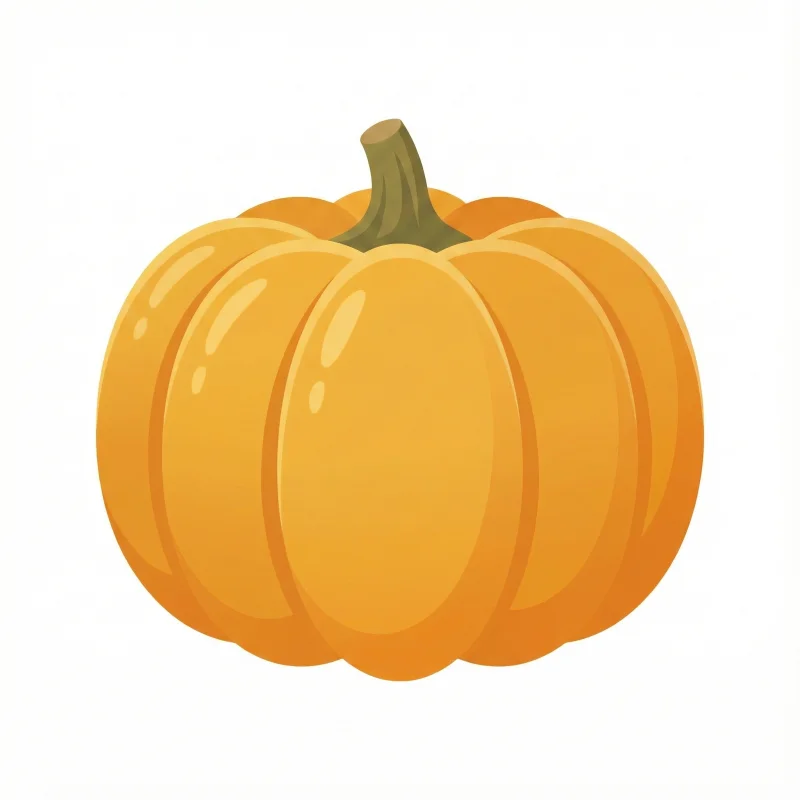
Pumpkin

Vegetable

Pumpkin

Pumpkin is a wonderful first food for babies with its naturally sweet flavor and smooth texture when cooked. It's packed with nutrients that support your baby's growth, including vitamin A for healthy vision and immune function1, and fiber to help with digestion2. Many babies love its mild, comforting taste, making it an easy addition to their diet.

First age6m+
CategoryVegetable
Common allergenNo
Choking riskLow

When can babies eat Pumpkin?

You can introduce pumpkin around 6 months when your baby starts solids, as it's easy to digest and rarely causes allergies. It's perfect for early purees and can be mixed with other first foods.

Storage tip

Store whole pumpkins in a cool, dry place for up to 2 months. Once cooked, pureed pumpkin can be refrigerated for 3-4 days or frozen in ice cube trays for up to 2 months for easy portioning.

How to serve Pumpkin by age

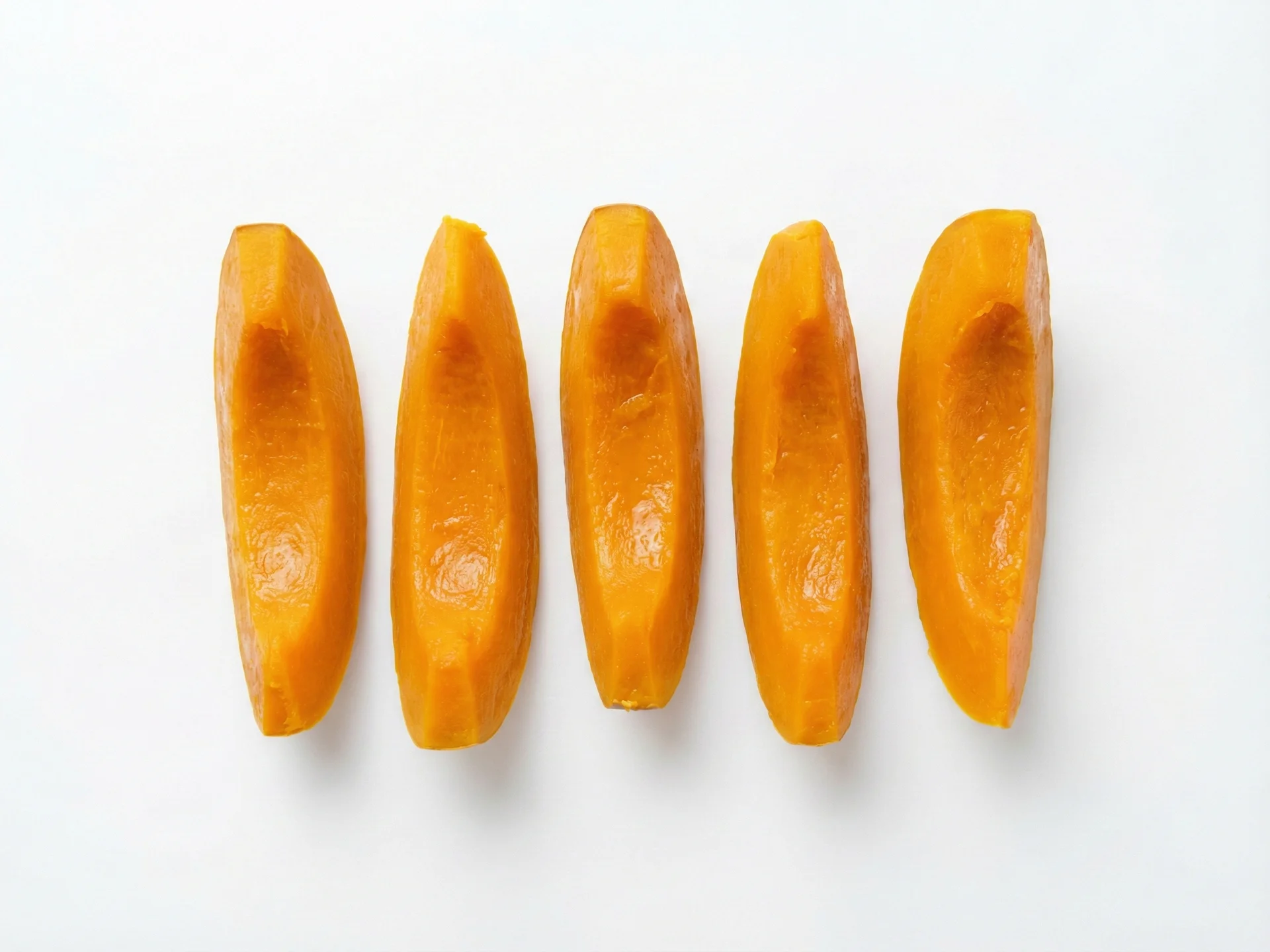
For babies 6-9 months, steam or roast pumpkin until very soft and cut into large, graspable strips or spears (about the size of two adult fingers). This allows your baby to hold and gnaw on it easily. You can also offer mashed pumpkin on a pre-loaded spoon for self-feeding practice.6 to 9 months

For babies 6-9 months, steam or roast pumpkin until very soft and cut into large, graspable strips or spears (about the size of two adult fingers). This allows your baby to hold and gnaw on it easily. You can also offer mashed pumpkin on a pre-loaded spoon for self-feeding practice.

  • Remove the skin and seeds before cooking for easier digestion.
  • Cook until soft enough to squish between your fingers to minimize choking risk.
  • Offer large pieces to encourage palmar grasp development.
  • Mix mashed pumpkin with breast milk or formula for a smoother texture if needed.
  • Avoid adding salt, sugar, or spices to keep it baby-friendly.
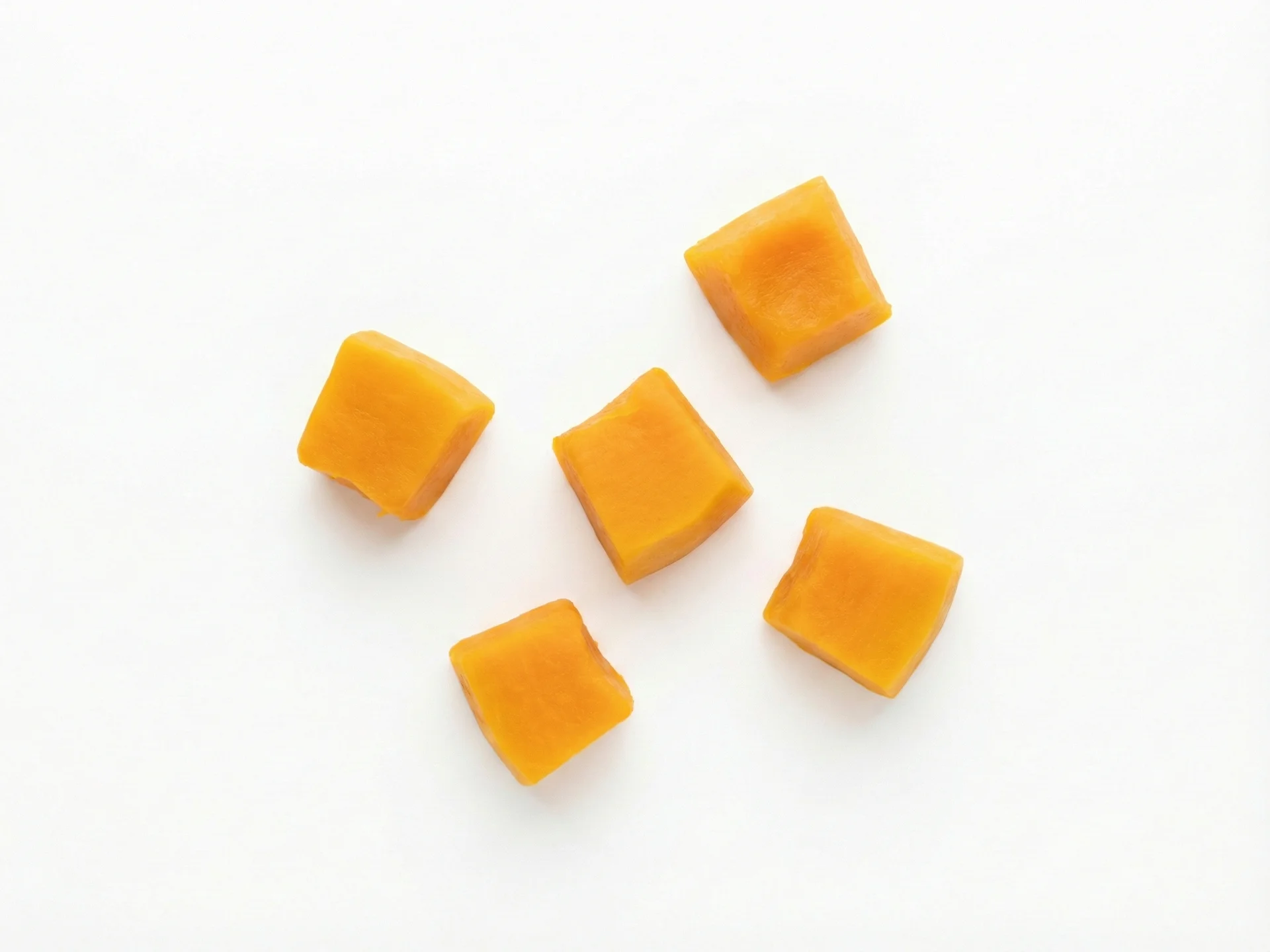
For babies 9 months and up, you can offer smaller, bite-sized pieces of soft-cooked pumpkin as their pincer grasp develops. Pumpkin can also be incorporated into more complex dishes like soups, pancakes, or mixed with grains. Continue to ensure it's cooked to a soft texture for safe eating.9 months +

For babies 9 months and up, you can offer smaller, bite-sized pieces of soft-cooked pumpkin as their pincer grasp develops. Pumpkin can also be incorporated into more complex dishes like soups, pancakes, or mixed with grains. Continue to ensure it's cooked to a soft texture for safe eating.

  • Cut pumpkin into small cubes or chunks for pincer grasp practice.
  • Mix pumpkin into oatmeal, yogurt, or lentil dishes for varied meals.
  • Roast pumpkin with a drizzle of olive oil to enhance flavor and nutrient absorption.
  • Use pumpkin in baking recipes like muffins or bread for older babies.
  • Always supervise to ensure your baby handles the texture comfortably.

Safety & allergens

Choking risk: Low

Pumpkin is low-risk when prepared appropriately. For young babies, always serve it cooked and pureed until smooth. As babies get older, you can mash it or offer soft, small pieces to encourage self-feeding safely.

Not a common allergen

Pumpkin is not a top allergen. As with any new food, offer it on its own and watch for any reaction.

Vitamins & minerals

Pumpkin is rich in vitamin A, which is essential for healthy vision and immune support in babies1. It also provides vitamin C to boost iron absorption3, potassium for muscle function4, and fiber to promote regular digestion2. These nutrients help support your baby's overall development during their first years.

Vitamins
Vitamin AVitamin CVitamin EVitamin B2Vitamin B6
Minerals
PotassiumIronMagnesiumCopperManganese

Nutritional synergy

Pair pumpkin with foods high in vitamin C, like oranges or bell peppers, to enhance iron absorption from plant sources3. This combo makes a nutritious meal for your little one.

Common questions

How do I pick a good pumpkin for my baby?

Look for small sugar pumpkins or pie pumpkins, which are sweeter and less stringy than carving pumpkins. Choose ones that feel firm and heavy for their size, with no soft spots or mold.

What if my baby doesn't like pumpkin at first?

It's common for babies to need multiple tries with new foods. Offer small amounts mixed with familiar favorites, like breast milk or oatmeal. Keep it pressure-free—it can take 10-15 exposures for acceptance.

Can pumpkin cause constipation in babies?

Pumpkin is actually helpful for digestion due to its fiber content2. If your baby seems constipated, ensure they're getting enough fluids and consult your pediatrician for personalized advice.

Sources & references

  1. 1National Institutes of Health, 2021
  2. 2USDA FoodData Central, 2024
  3. 3Lynch et al., 2018
  4. 4Harvard T.H. Chan School of Public Health, 2023