Okra

Vegetable

Okra

Okra is a wonderful vegetable to introduce to your baby, offering a unique texture and mild flavor that many little ones enjoy. It's packed with nutrients that support healthy growth, including vitamin C for immune function1 and vitamin K for bone development2. The natural fiber in okra can also help promote regular digestion3, which is especially helpful as babies transition to solid foods.

PPippin Feeding TeamReviewed by feeding specialists · Updated July 2026
First age6m+
CategoryVegetable
Common allergenNo
Choking riskMedium

When can babies eat Okra?

You can introduce okra around 6 months when your baby starts solids, as it's easy to prepare in baby-friendly textures. Some parents wait until 8-9 months if they're concerned about the texture, but it's generally safe from 6 months onward.

Storage tip

Store fresh okra in a paper bag in the refrigerator for up to 3-4 days. For longer storage, you can blanch and freeze okra pieces for up to 6 months.

How to serve Okra by age

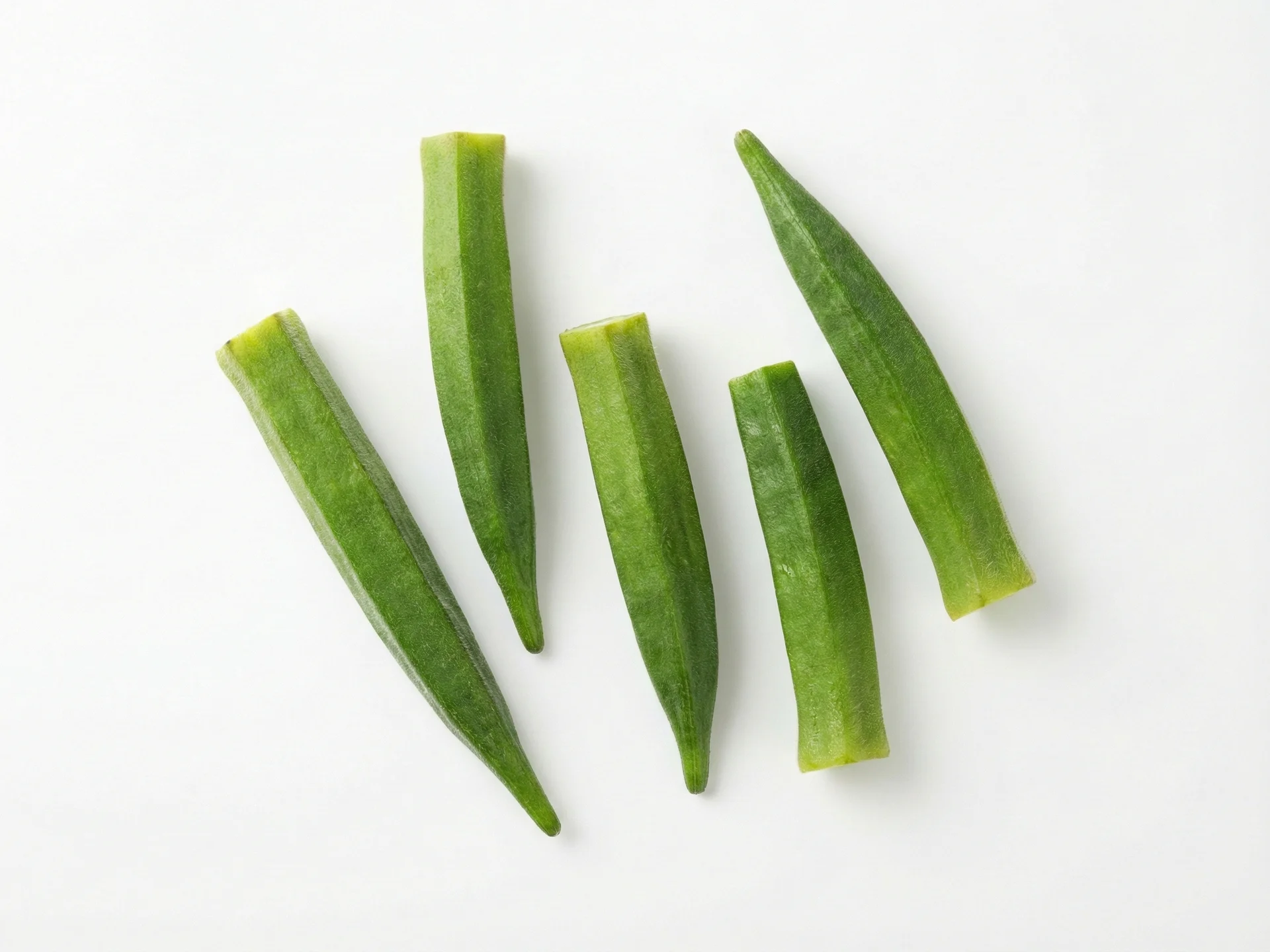
For beginners, steam or roast okra until very soft (about 10-15 minutes). Cut into long, thick spears (about the length of your finger) that are easy for your baby to grasp. The soft texture allows them to gum and swallow safely while practicing their pincer grasp.6 to 9 months

For beginners, steam or roast okra until very soft (about 10-15 minutes). Cut into long, thick spears (about the length of your finger) that are easy for your baby to grasp. The soft texture allows them to gum and swallow safely while practicing their pincer grasp.

  • Choose younger, smaller okra pods as they're more tender
  • Remove the stem end but leave the pod intact for easier holding
  • Test softness by pressing with your finger - it should mash easily
  • Let cool completely before serving to avoid burns
  • Offer 2-3 spears at a time to prevent overwhelm
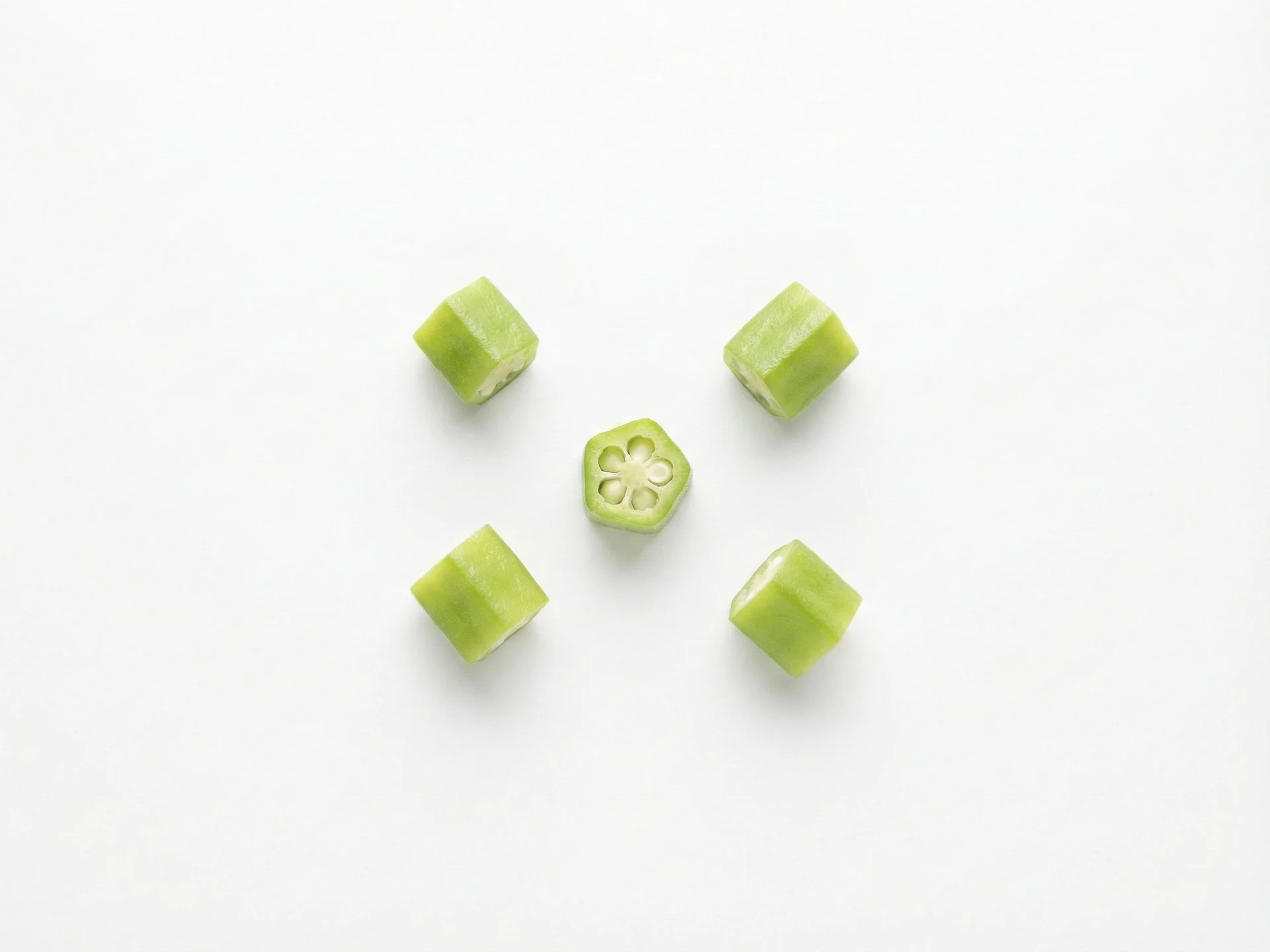
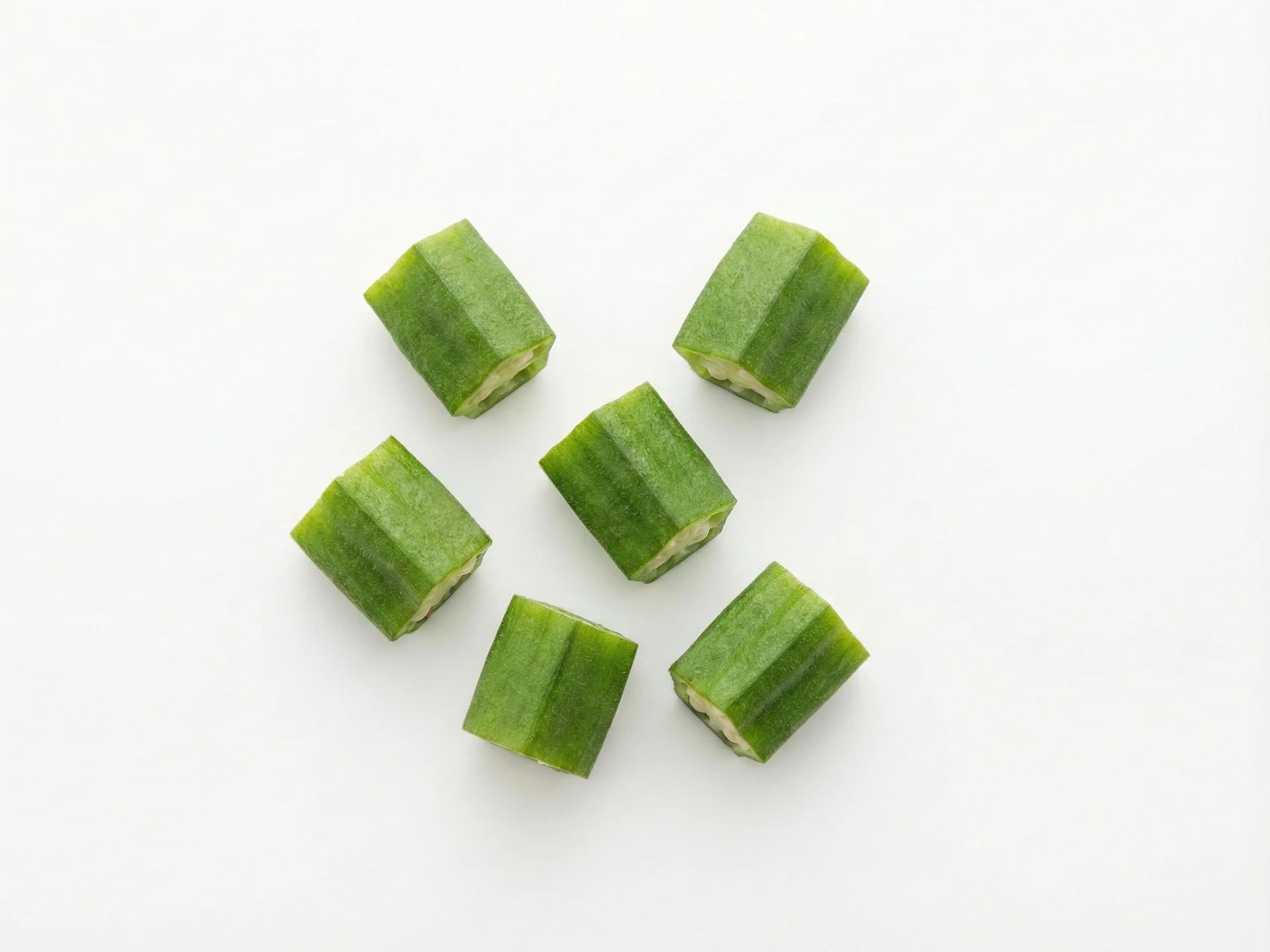
As your baby develops better chewing skills, you can offer smaller pieces. Cut cooked okra into bite-sized pieces (about pea-sized) that encourage pincer grasp practice. You can also introduce different cooking methods like sautéing with a little olive oil.9 to 12 months

As your baby develops better chewing skills, you can offer smaller pieces. Cut cooked okra into bite-sized pieces (about pea-sized) that encourage pincer grasp practice. You can also introduce different cooking methods like sautéing with a little olive oil.

  • Mix okra pieces with other soft foods like rice or quinoa
  • Try roasting with mild spices like garlic powder or paprika
  • Include okra in mixed vegetable medleys
  • Monitor chewing progress and adjust piece size accordingly
  • Offer a variety of textures within the safe range
For toddlers, okra can be prepared in more varied ways. Try adding it to soups, stews, or stir-fries. You can also offer it as a finger food in smaller pieces or incorporate it into family meals. At this stage, your child can handle slightly firmer textures if they have good chewing skills.12 months +

For toddlers, okra can be prepared in more varied ways. Try adding it to soups, stews, or stir-fries. You can also offer it as a finger food in smaller pieces or incorporate it into family meals. At this stage, your child can handle slightly firmer textures if they have good chewing skills.

  • Involve your toddler in washing and preparing okra
  • Try breading and baking okra for a crunchy texture
  • Add to pasta sauces or casseroles
  • Pair with dips like yogurt or hummus
  • Continue to cut into safe, manageable pieces

Safety & allergens

Choking risk: Medium

Okra's unique texture with seeds inside can pose a choking risk if not prepared properly. Always cook okra until soft and cut it into age-appropriate pieces. For younger babies, pureeing or mashing thoroughly eliminates choking hazards, while older babies can handle well-cooked, soft pieces.

Not a common allergen

Okra is not a top allergen. As with any new food, offer it on its own and watch for any reaction.

Vitamins & minerals

Okra provides important nutrients for your growing baby. It's rich in vitamin C, which helps with iron absorption and supports the immune system1. The vitamin K content contributes to healthy bone development2, while the fiber promotes good digestion3. Okra also contains magnesium for muscle function4 and potassium for maintaining fluid balance5.

Vitamins
Vitamin CVitamin KVitamin AVitamin B6Vitamin B9
Minerals
MagnesiumPotassiumCalciumIron

Nutritional synergy

Pair okra with iron-rich foods like lentils or spinach, as the vitamin C in okra enhances iron absorption1. Combining it with healthy fats like avocado or olive oil can also help your baby absorb the fat-soluble vitamins A and K2.

Common questions

How do I reduce the sliminess when preparing okra for my baby?

The slimy texture comes from natural mucilage that's actually good for digestion3. To reduce it, try cooking okra whole or in larger pieces, then cutting after cooking. You can also roast or sauté it instead of boiling, which minimizes the slippery texture while keeping nutrients intact.

What if my baby doesn't like the texture of okra?

It's common for babies to need multiple exposures to accept new textures. Try mixing okra puree with familiar foods like sweet potato or banana. You can also offer it in different forms - some babies prefer roasted okra chips over pureed versions. Keep offering small amounts without pressure.

Can I use frozen okra for baby food?

Yes, frozen okra works perfectly for baby food and is often more convenient. Frozen vegetables are typically flash-frozen at peak freshness, retaining their nutrients. Just thaw and cook according to your recipe - the texture may be slightly softer than fresh, which can actually be better for purees.

Sources & references

  1. 1Lynch SR, et al., 2018
  2. 2Weber P, 2001
  3. 3Dhingra D, et al., 2012
  4. 4Swaminathan R, 2003
  5. 5Stone MS, et al., 2016