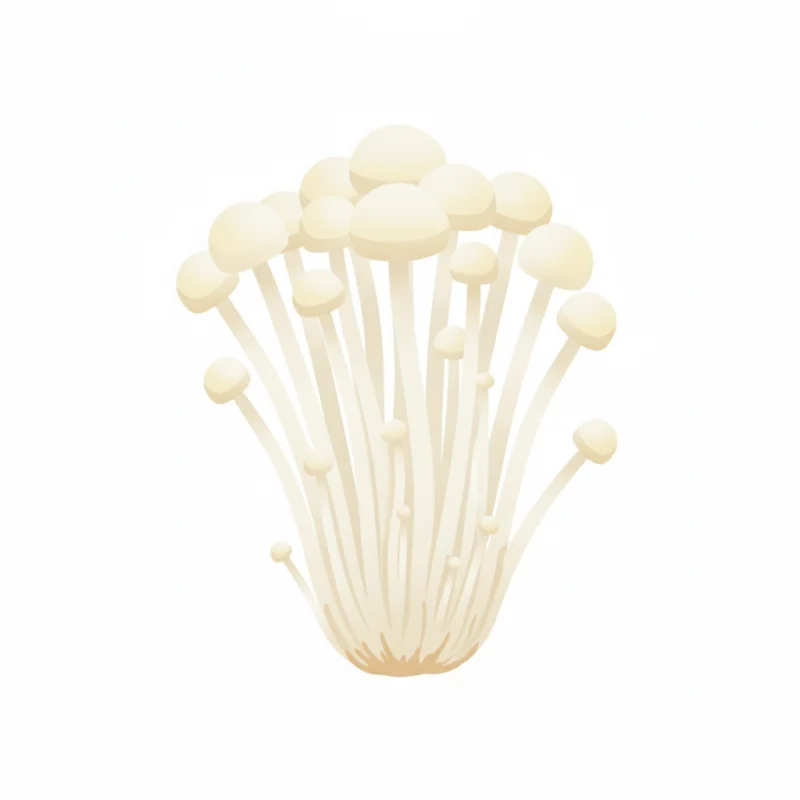
Enoki mushroom

Vegetable

Enoki mushroom

Enoki mushrooms are a unique, mild-tasting mushroom with a delicate, slightly crunchy texture that can be a fun new food for your baby to explore. They're packed with B vitamins that help support your baby's energy metabolism and nervous system development1, and they contain vitamin D which is important for bone health2. Their subtle flavor makes them a great addition to many dishes.

PPippin Feeding TeamReviewed by feeding specialists · Updated July 2026
First age6m+
CategoryVegetable
Common allergenNo
Choking riskMedium

When can babies eat Enoki mushroom?

You can introduce enoki mushrooms around 6 months when starting solids, as long as they are cooked thoroughly and prepared safely to minimize choking risk.

Storage tip

Store fresh enoki mushrooms in the refrigerator in their original packaging or a paper bag for up to one week. Cooked enoki mushrooms can be refrigerated for 3-4 days or frozen for up to 2 months.

How to serve Enoki mushroom by age

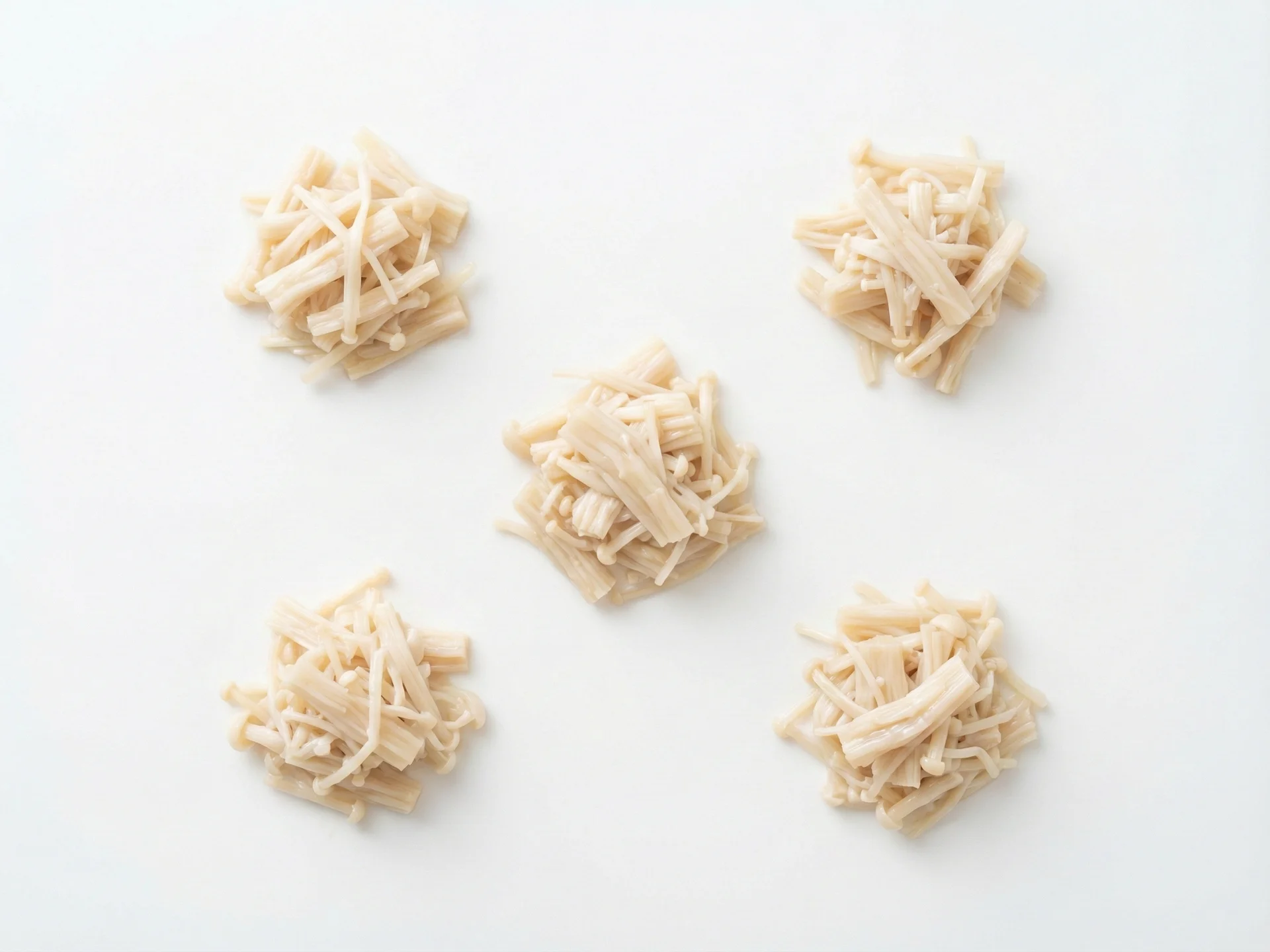
For babies 8-12 months, cook enoki mushrooms until very soft by steaming or boiling for 5-7 minutes. Chop the cooked mushrooms into small, pea-sized pieces or shred them finely to minimize choking risk. You can mix them into other soft foods like oatmeal, scrambled eggs, or mashed vegetables.8 to 12 months

For babies 8-12 months, cook enoki mushrooms until very soft by steaming or boiling for 5-7 minutes. Chop the cooked mushrooms into small, pea-sized pieces or shred them finely to minimize choking risk. You can mix them into other soft foods like oatmeal, scrambled eggs, or mashed vegetables.

  • Always trim off the tough base before cooking
  • Cook until mushrooms are completely soft and easily mashed between your fingers
  • Mix with familiar foods to help acceptance
  • Start with small amounts (1-2 teaspoons) to check for tolerance
  • Offer on a pre-loaded spoon if your baby isn't ready for finger foods
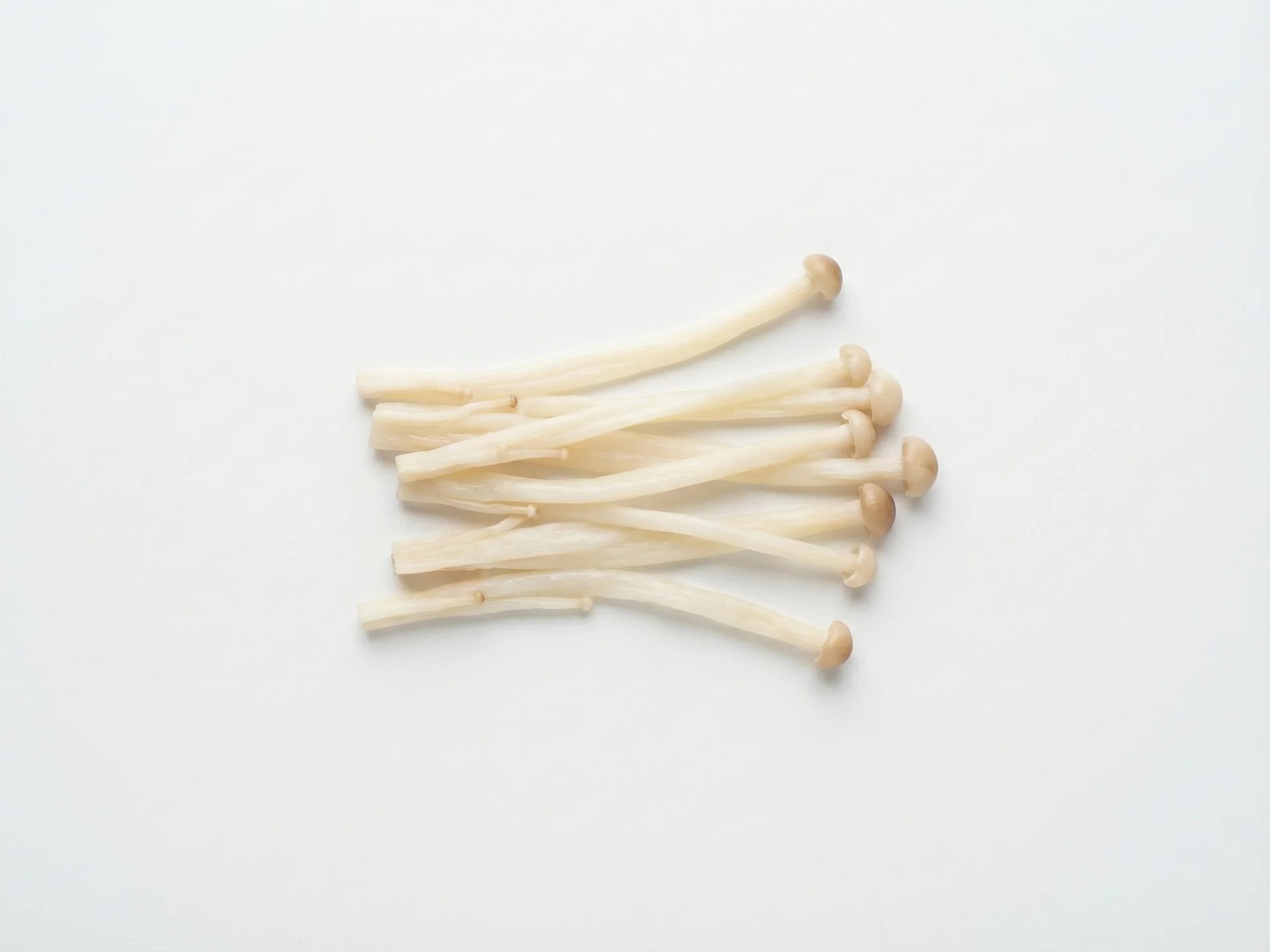
For toddlers 12 months and up, you can offer enoki mushrooms in longer strands that they can practice biting and chewing. Cook until tender but not mushy—about 3-5 minutes. They can be served as part of stir-fries, soups, or as a side dish. You can also introduce them raw in very small, finely chopped amounts if your toddler has good chewing skills.12 months +

For toddlers 12 months and up, you can offer enoki mushrooms in longer strands that they can practice biting and chewing. Cook until tender but not mushy—about 3-5 minutes. They can be served as part of stir-fries, soups, or as a side dish. You can also introduce them raw in very small, finely chopped amounts if your toddler has good chewing skills.

  • Cut into 2-3 inch strands for easy grasping
  • Include in mixed dishes to expose your toddler to different textures
  • Try sautéing with a little garlic or herbs for added flavor
  • Monitor carefully as they practice chewing the fibrous texture
  • Consider leaving some crunch for older toddlers to develop jaw strength

Safety & allergens

Choking risk: Medium

Enoki mushrooms have long, thin stems that can pose a choking hazard if not prepared properly. Always cook them until soft, then cut them into small pieces appropriate for your baby's age. For younger babies, consider mashing or pureeing them into other foods to eliminate choking risk.

Not a common allergen

Enoki mushroom is not a top allergen. As with any new food, offer it on its own and watch for any reaction.

Vitamins & minerals

Enoki mushrooms provide B vitamins like B2, B3, B5, and B6 that help convert food into energy and support healthy brain development1. They also contain vitamin D which aids calcium absorption for strong bones2, along with minerals like iron for healthy blood cells3, potassium for fluid balance4, and selenium which acts as an antioxidant5.

Vitamins
Vitamin B2Vitamin B3Vitamin B5Vitamin B6Vitamin D
Minerals
IronPotassiumPhosphorusCopperSelenium

Nutritional synergy

Pair enoki mushrooms with foods containing vitamin C (like bell peppers or tomatoes) to enhance iron absorption6, making this mineral more available for your baby's growing body.

Common questions

How should I cook enoki mushrooms for my baby?

Always cook enoki mushrooms thoroughly until they're soft—steaming, boiling, or sautéing for 5-7 minutes works well. Raw mushrooms can be hard to digest and may contain compounds that are broken down during cooking, making them safer and easier for babies to eat.

What if my baby doesn't like the texture of enoki mushrooms?

The thin, slightly crunchy texture can be surprising at first. Try mixing finely chopped cooked enoki into familiar foods like oatmeal, mashed potatoes, or scrambled eggs. It can take 10-15 exposures for babies to accept new foods, so keep offering small amounts without pressure.

Can I use canned or dried enoki mushrooms instead of fresh?

Fresh or frozen enoki mushrooms are best for babies since you can control the cooking and texture. If using canned, rinse them well to reduce sodium content. Dried enoki need thorough rehydration and cooking, but they work fine—just ensure they're very soft before serving.

Sources & references

  1. 1Kennedy D.O., 2016
  2. 2Holick M.F., 2017
  3. 3Abbaspour N. et al., 2014
  4. 4Stone M.S. et al., 2016
  5. 5Rayman M.P., 2012
  6. 6Lynch S.R., 2011