FoodsFruitGrape
Grape

Fruit

Grape

Grapes are a sweet, juicy fruit that babies often love for their natural sweetness and soft texture when prepared properly. They're packed with vitamin C, which supports a healthy immune system and helps with iron absorption from other foods.[1] Plus, they contain potassium, which is important for heart and muscle function.[2]

6m+Not a common allergenChoking risk: High
First age6m+
CategoryFruit
Common allergenNo
Choking riskHigh

When can babies eat Grape?

You can introduce grapes around 6 months when starting solids, but always prepare them safely to prevent choking. Wait until your baby can sit up with good head control and shows interest in food.

How to serve Grape by age

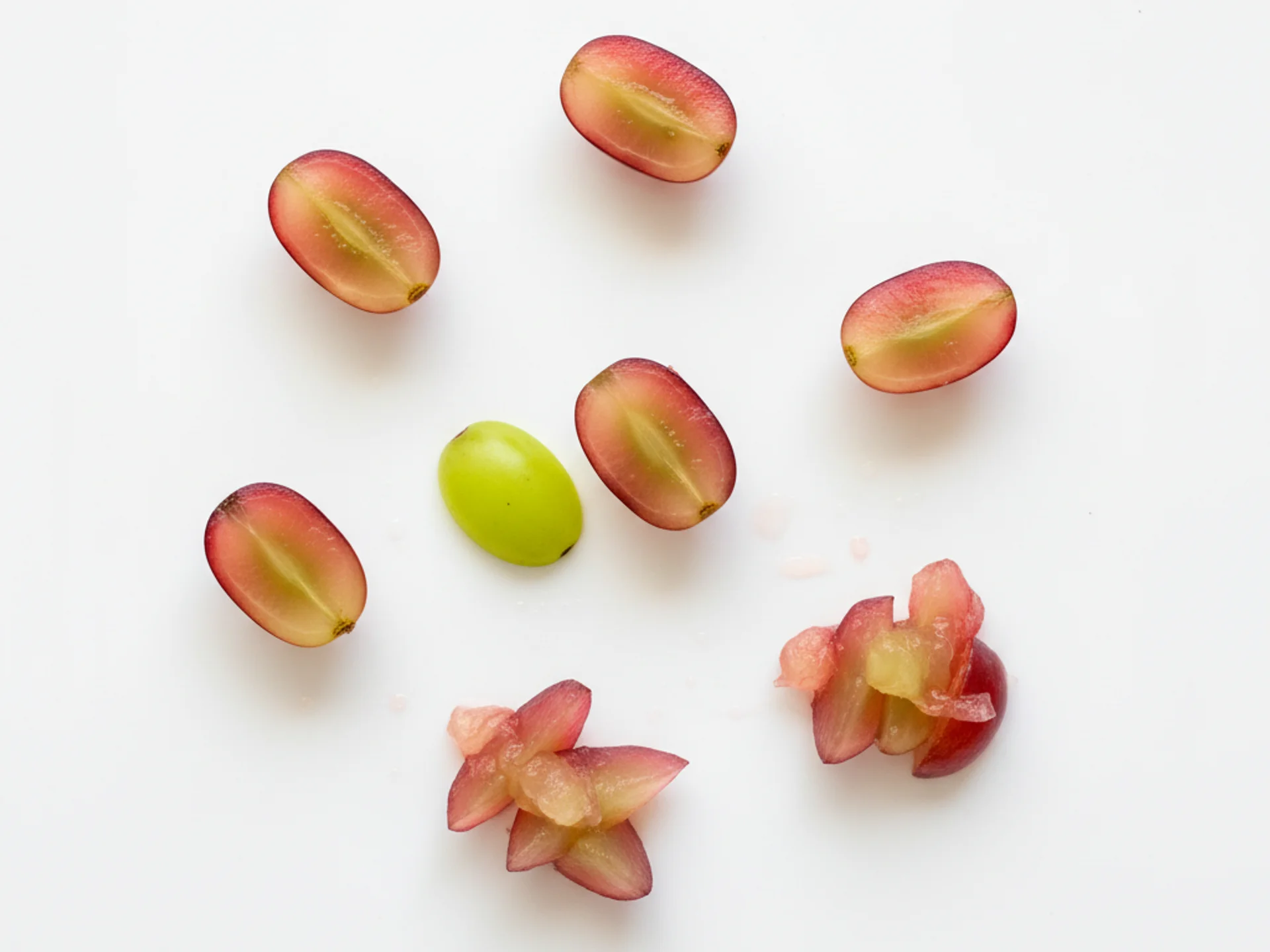
Quarter grapes lengthwise into four pieces to prevent choking, ensuring each piece is no larger than a pea. You can also peel the skin or smash grapes lightly with a fork to soften them. Serve as finger-sized pieces that are easy to grasp.
9 to 12 months

Quarter grapes lengthwise into four pieces to prevent choking, ensuring each piece is no larger than a pea. You can also peel the skin or smash grapes lightly with a fork to soften them. Serve as finger-sized pieces that are easy to grasp.

  • Always cut grapes into quarters lengthwise—never serve whole or halved.
  • Consider peeling grapes for babies who struggle with the skin.
  • Smash grapes with a fork for a softer texture if preferred.
  • Offer 2-3 pieces at a time to prevent overstuffing.
  • Supervise closely and model chewing motions.
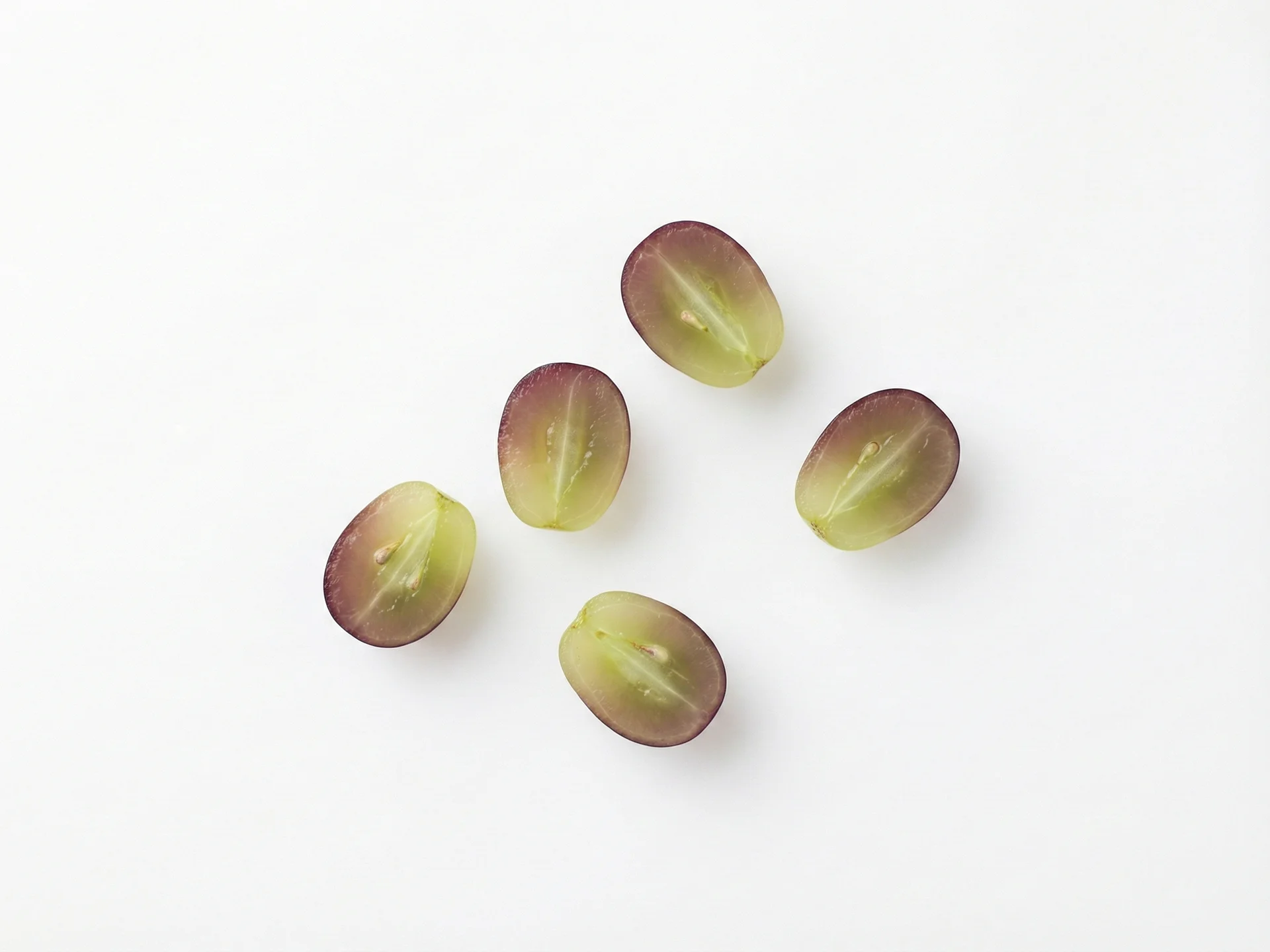
Halve grapes lengthwise or serve quartered, depending on your child's chewing ability. You can leave the skin on for added fiber if they handle it well. Grapes can also be added to salads, yogurt, or as a snack in lunchboxes.
12 months +

Halve grapes lengthwise or serve quartered, depending on your child's chewing ability. You can leave the skin on for added fiber if they handle it well. Grapes can also be added to salads, yogurt, or as a snack in lunchboxes.

  • Halve grapes lengthwise for toddlers with good chewing skills.
  • Introduce whole grapes only after age 4-5, when chewing is fully developed.
  • Mix grapes with other fruits for variety.
  • Use frozen grapes as a soothing teething treat (cut safely).
  • Avoid serving grapes with other round foods like cherry tomatoes in the same meal.

Safety & allergens

Choking risk: High

Whole grapes are a major choking hazard for babies and toddlers due to their size, shape, and slippery texture. Always cut grapes lengthwise into quarters (or smaller) for babies under 4 years old. For younger babies, you can also mash or puree them to eliminate choking risk completely.

Not a common allergen

Grape is not a top allergen. As with any new food, offer it on its own and watch for any reaction.

Vitamins & minerals

Grapes provide vitamin C, which boosts immunity and helps your baby absorb iron from plant-based foods like beans and spinach.[1] They also contain potassium for healthy heart and muscle function,[2] and vitamin K, which supports blood clotting and bone health.[3]

Vitamins
Vitamin VITAMIN CVitamin VITAMIN KVitamin VITAMIN B6
Minerals
PotassiumCopper