Adzuki beans

Bean

Adzuki beans

Adzuki beans are a wonderful first bean for your baby, offering a sweet, nutty flavor and smooth texture when cooked and mashed. They're packed with nutrients that support your little one's growth and development, including iron for healthy blood cells1 and B vitamins that help convert food into energy2. Plus, their natural sweetness makes them appealing to tiny taste buds!

PPippin Feeding TeamReviewed by feeding specialists · Updated July 2026
First age6m+
CategoryBean
Common allergenNo
Choking riskLow

When can babies eat Adzuki beans?

You can introduce well-cooked, mashed adzuki beans around 6 months, when your baby starts solids. They're a great plant-based protein source to include in early meals.

Storage tip

Store dried adzuki beans in an airtight container in a cool, dry place for up to a year. Cooked beans can be refrigerated for 3-4 days or frozen in small portions for up to 3 months.

How to serve Adzuki beans by age

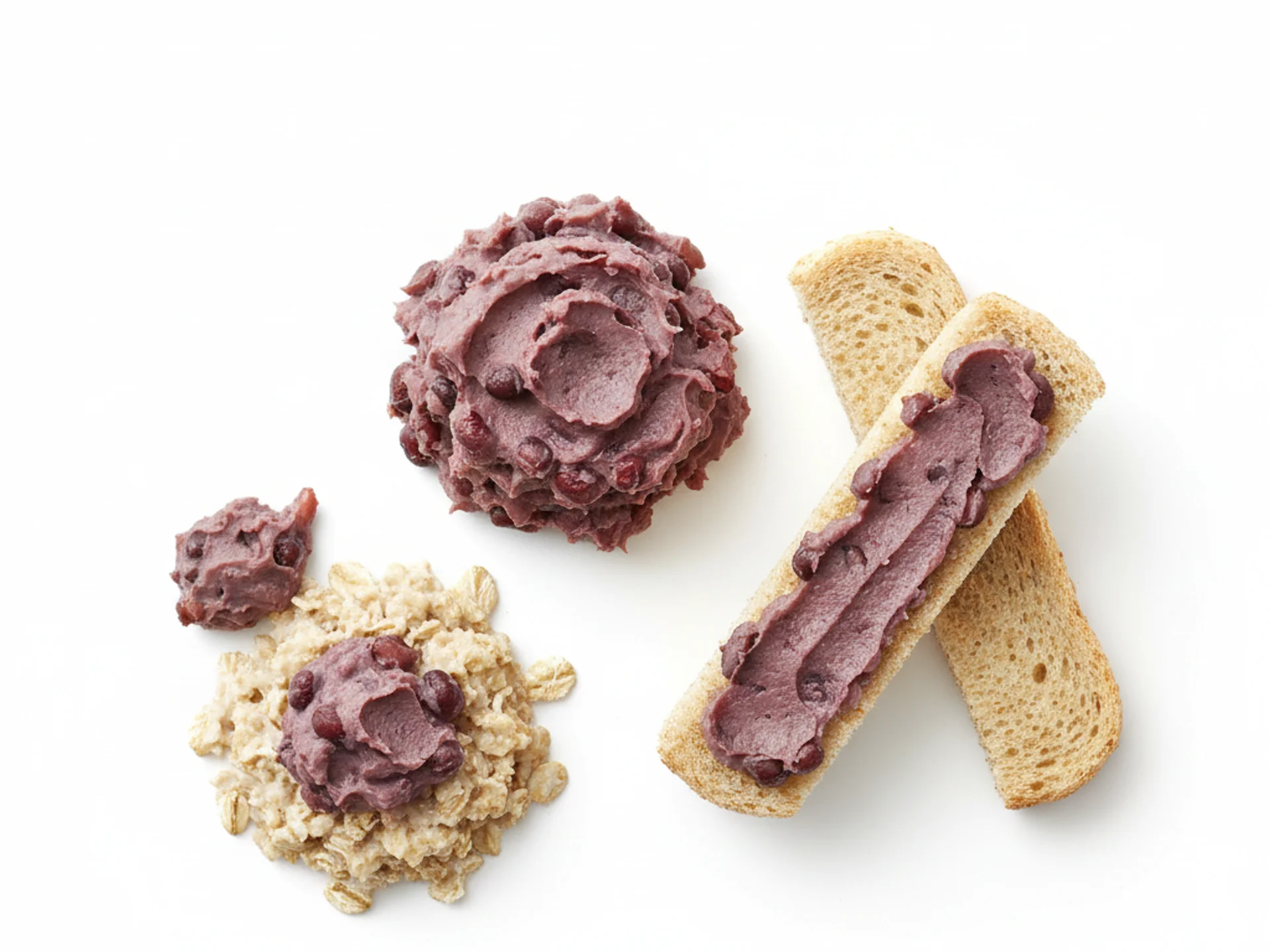
For babies 8-12 months, cook adzuki beans until very soft and mash them lightly with a fork or blend into a smooth paste. You can spread the mash on toast strips or mix it into oatmeal for easy handling. Ensure no whole beans are served to minimize choking risk.8 to 12 months

For babies 8-12 months, cook adzuki beans until very soft and mash them lightly with a fork or blend into a smooth paste. You can spread the mash on toast strips or mix it into oatmeal for easy handling. Ensure no whole beans are served to minimize choking risk.

  • Cook beans until they crush easily between your fingers.
  • Mash or blend beans to a lumpy consistency for gumming practice.
  • Mix with avocado or yogurt to add moisture and creaminess.
  • Offer on pre-loaded spoons or as a spread on soft foods.
  • Start with small amounts to monitor digestion.
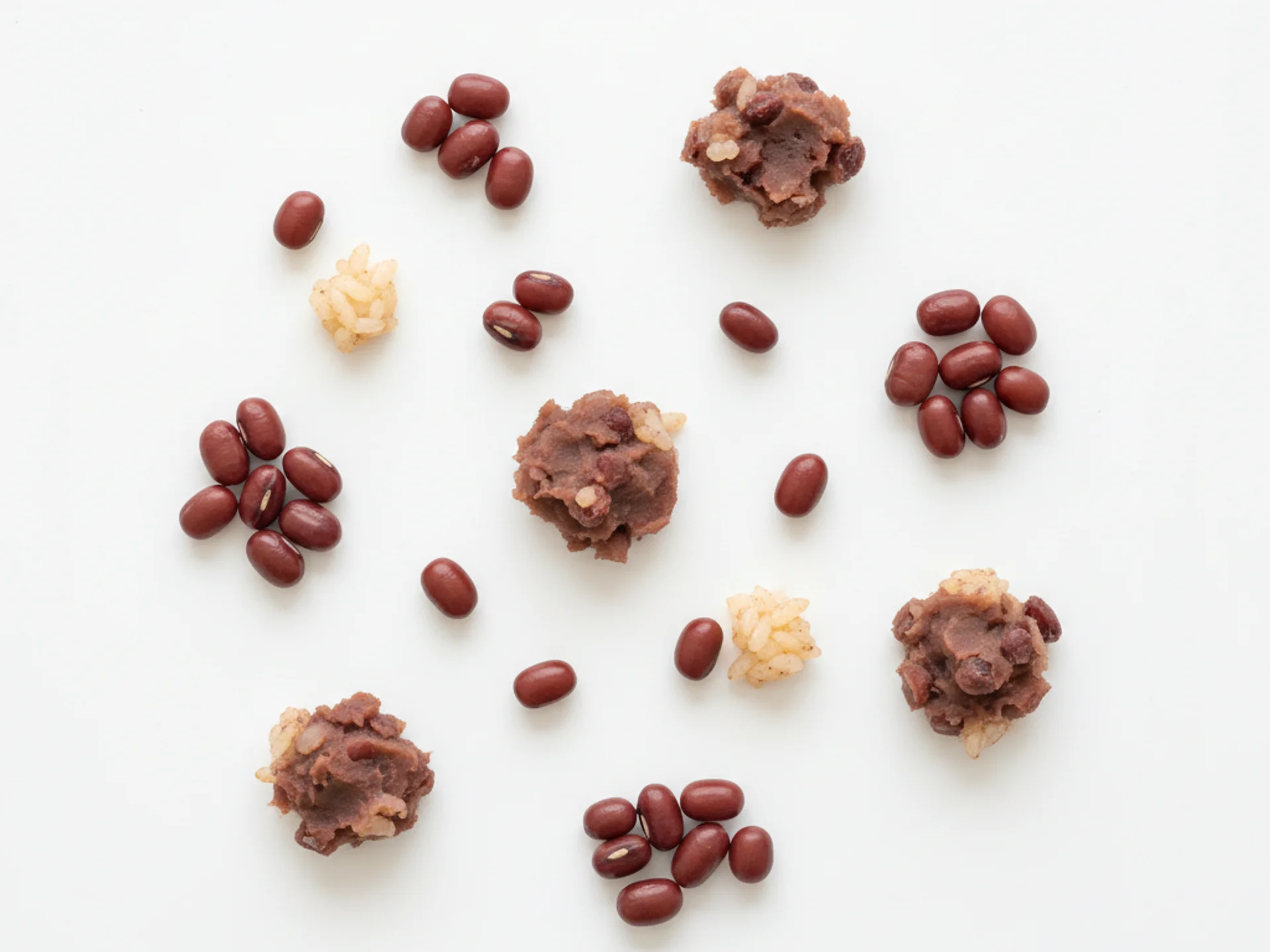
For toddlers 12 months and up, you can serve whole cooked adzuki beans as long as they are soft and tender. Incorporate them into meals like soups, stews, or rice dishes to encourage self-feeding and texture exploration. Always supervise to ensure thorough chewing.12 months +

For toddlers 12 months and up, you can serve whole cooked adzuki beans as long as they are soft and tender. Incorporate them into meals like soups, stews, or rice dishes to encourage self-feeding and texture exploration. Always supervise to ensure thorough chewing.

  • Include beans in mixed dishes like bean patties or casseroles.
  • Season lightly with herbs instead of salt for flavor.
  • Pair with grains like quinoa or rice for a complete protein.
  • Let toddlers practice picking up beans with their fingers.
  • Use as a topping on salads or in wraps for variety.

Safety & allergens

Choking risk: Low

Adzuki beans are soft when fully cooked and mashed, making them low risk. Always ensure beans are cooked until very tender and mashed to a smooth puree for young babies. For older babies, you can offer them slightly mashed or as a soft finger food, but avoid whole beans until your child is a confident chewer.

Not a common allergen

Adzuki beans is not a top allergen. As with any new food, offer it on its own and watch for any reaction.

Vitamins & minerals

Adzuki beans are a nutritional powerhouse for babies. They provide iron, which is crucial for brain development and preventing anemia1, and magnesium that supports bone health and muscle function3. The B vitamins in adzuki beans, especially folate (B9), are essential for cell growth and development2. They also contain fiber to support healthy digestion4.

Vitamins
Vitamin B1Vitamin B2Vitamin B3Vitamin B5Vitamin B6Vitamin B9
Minerals
IronMagnesiumPotassiumPhosphorusZincCopperManganese

Nutritional synergy

Pair adzuki beans with vitamin C-rich foods like sweet potatoes or bell peppers to enhance iron absorption5. Combining them with grains like rice creates a complete protein for growing babies.

Pairs well with

Common questions

How do I prepare dried adzuki beans for my baby?

Rinse the beans, soak them overnight in water, then drain and cook in fresh water for 45-60 minutes until very soft. Mash or puree with a little cooking liquid to achieve a smooth texture for young babies. You can also use canned adzuki beans—just rinse them well to reduce sodium.

What if my baby gets gassy from beans?

It's common for babies to experience some gas when trying beans. Start with small amounts (1-2 teaspoons) and gradually increase. Soaking dried beans overnight and discarding the soaking water can help reduce compounds that cause gas. If discomfort persists, consult your pediatrician.

Can I mix adzuki beans with other foods?

Absolutely! They pair beautifully with sweet vegetables like squash or carrots, grains like oatmeal or rice, and fruits like apples or pears. Mixing can help your baby accept new flavors and textures more easily.

Sources & references

  1. 1Lozoff et al., 2006
  2. 2Kennedy, 2016
  3. 3Rude et al., 2009
  4. 4Yang et al., 2012
  5. 5Teucher et al., 2004