Pork

Protein

Pork

Pork is a fantastic protein source for your baby, offering a tender texture and mild flavor that many little ones enjoy. It's packed with essential B vitamins that support energy metabolism and brain development1, and it's one of the best sources of highly absorbable heme iron, which is crucial for preventing anemia and supporting healthy growth2. This makes pork a wonderful addition to your baby's diet as they explore new foods.

PPippin Feeding TeamReviewed by feeding specialists · Updated July 2026
First age6m+
CategoryProtein
Common allergenNo
Choking riskMedium

When can babies eat Pork?

You can introduce pork around 6 months when your baby starts solids, as it's a great early source of iron. It's often recommended alongside other iron-rich foods like beef and lentils.

Storage tip

Store raw pork in the coldest part of your refrigerator and use within 1-2 days, or freeze for up to 3-4 months. Cooked pork can be refrigerated for 3-4 days or frozen in baby-sized portions for 1-2 months.

How to serve Pork by age

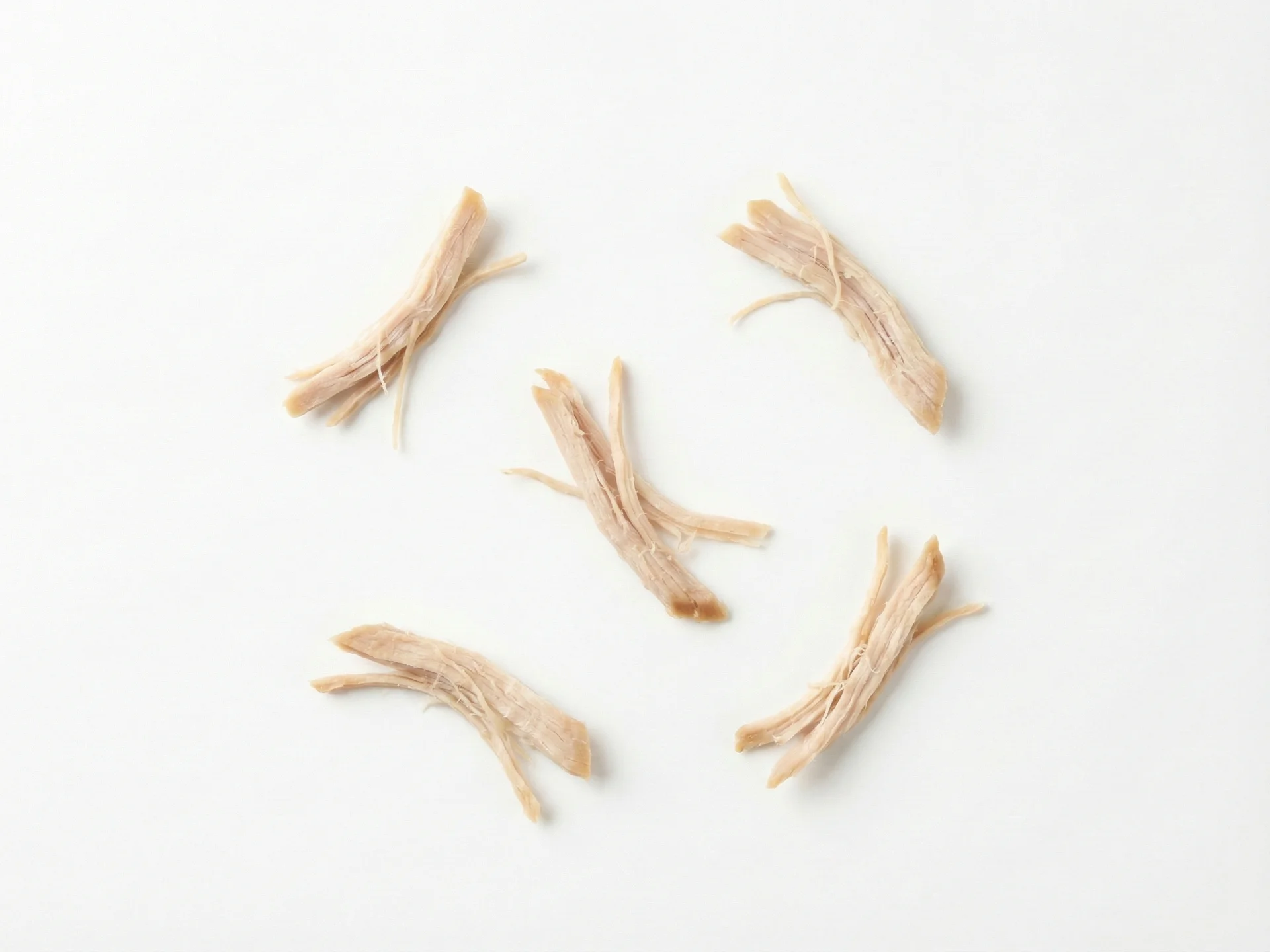
For babies 6-9 months, cook pork until very tender and shred it into small, thin pieces or mash it into a soft consistency. This helps them practice picking up food and reduces choking risk. You can also mix shredded pork with pureed vegetables for added nutrition.6 to 9 months

For babies 6-9 months, cook pork until very tender and shred it into small, thin pieces or mash it into a soft consistency. This helps them practice picking up food and reduces choking risk. You can also mix shredded pork with pureed vegetables for added nutrition.

  • Slow-cook pork in broth or water until it falls apart easily.
  • Shred cooked pork into pieces no larger than a pea for safe handling.
  • Avoid adding salt, sugar, or strong spices to keep it baby-friendly.
  • Serve on a highchair tray to encourage self-feeding.
  • Monitor your baby closely during meals to ensure they're managing the texture well.
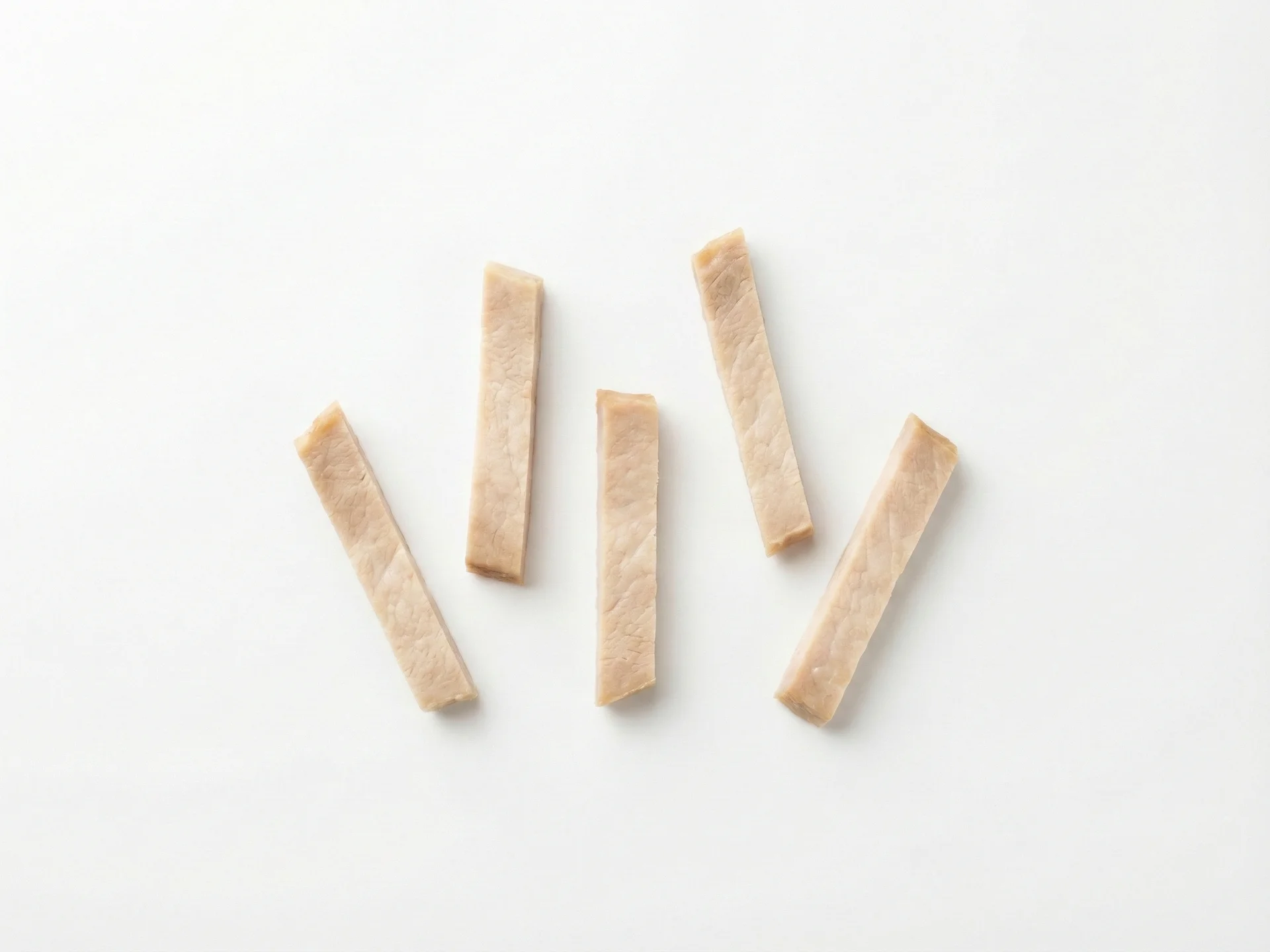
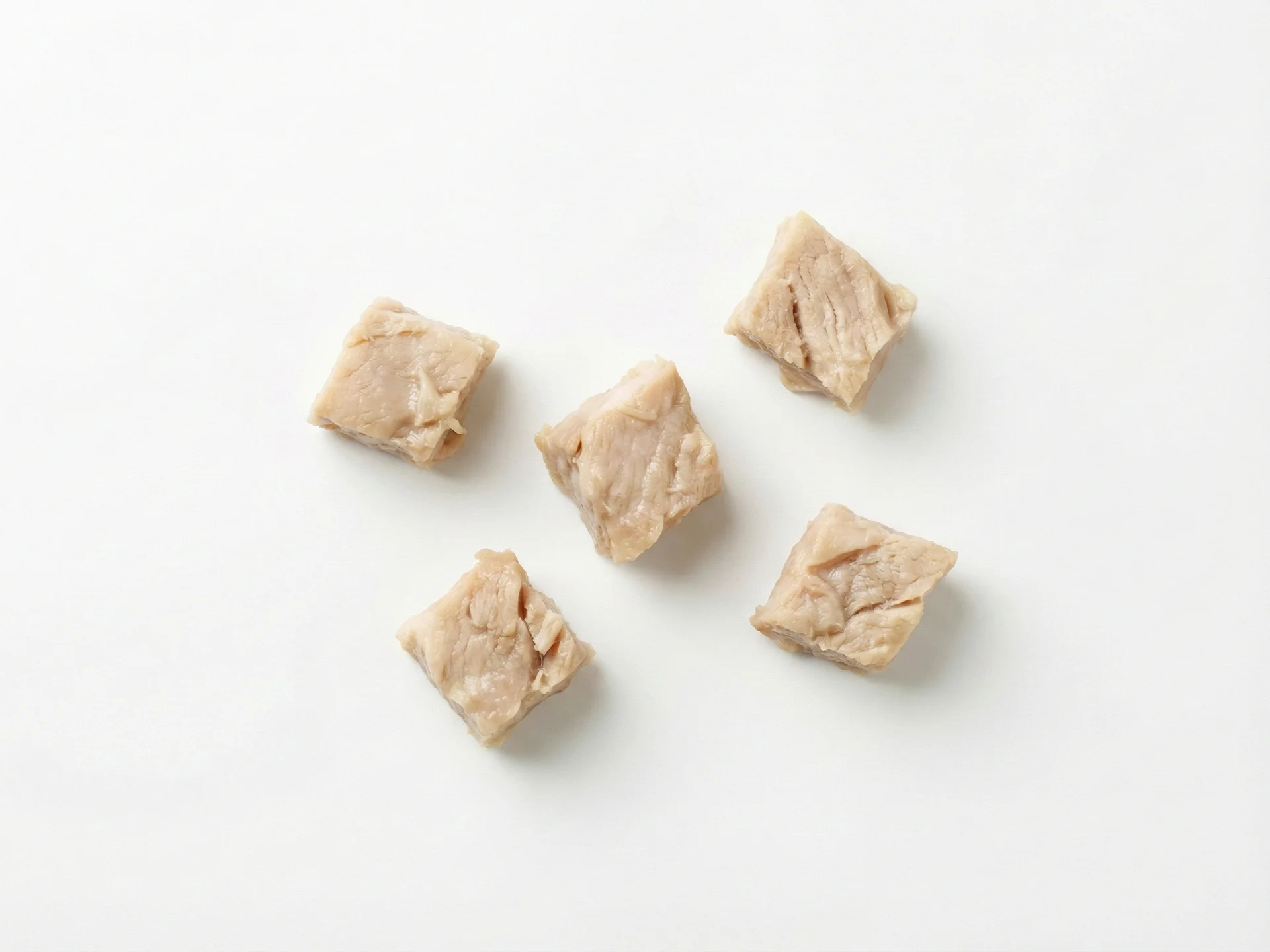
For babies 9-12 months, you can offer slightly larger, soft pieces of pork that they can grasp and chew. Cook pork until tender but firm enough to hold shape, cutting it into finger-sized strips or small cubes to promote fine motor skills and independence.9 to 12 months

For babies 9-12 months, you can offer slightly larger, soft pieces of pork that they can grasp and chew. Cook pork until tender but firm enough to hold shape, cutting it into finger-sized strips or small cubes to promote fine motor skills and independence.

  • Cut pork into strips about the size of an adult pinky finger for easy gripping.
  • Ensure pieces are soft enough to squish between your fingers to test for safety.
  • Introduce mild herbs like thyme or rosemary for flavor variety.
  • Pair with soft vegetables like cooked carrots or sweet potatoes for a balanced meal.
  • Encourage self-feeding by letting your baby explore the food with their hands.
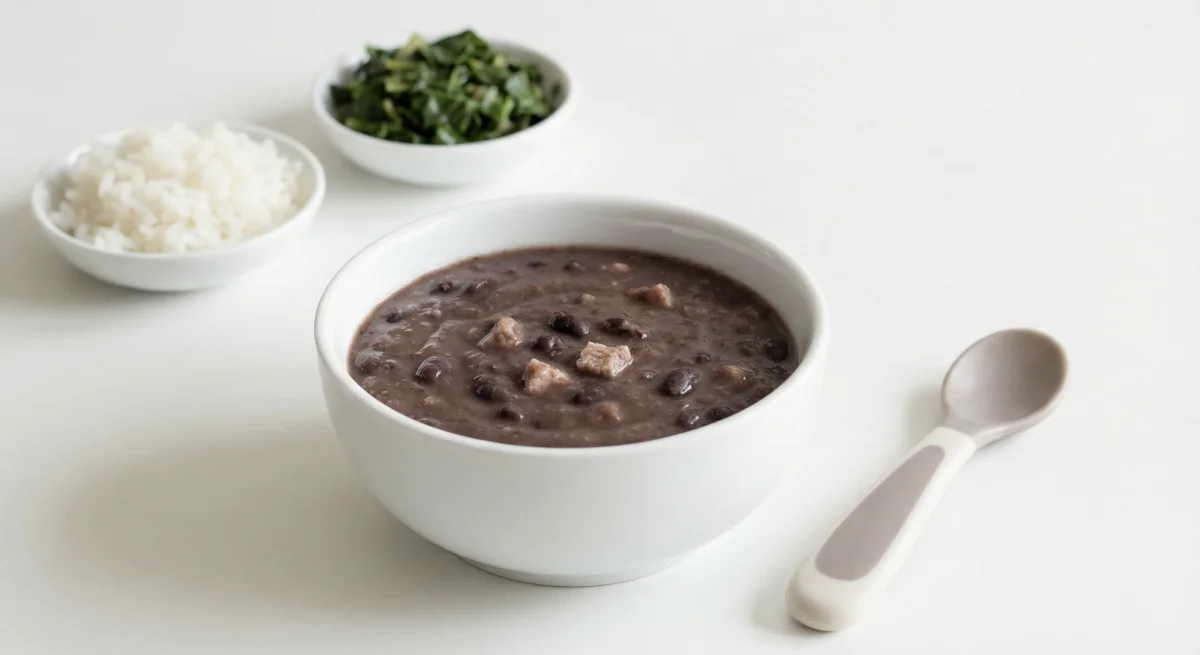
For toddlers 12 months and up, pork can be served in more varied forms, such as small, tender chunks in stews or ground in patties. At this stage, babies have better chewing skills, so you can gradually introduce firmer textures while still ensuring the meat is cooked thoroughly and cut appropriately.12 months +

For toddlers 12 months and up, pork can be served in more varied forms, such as small, tender chunks in stews or ground in patties. At this stage, babies have better chewing skills, so you can gradually introduce firmer textures while still ensuring the meat is cooked thoroughly and cut appropriately.

  • Incorporate pork into family meals like stir-fries or casseroles, adjusting texture as needed.
  • Cut pork into bite-sized pieces to prevent choking and encourage chewing.
  • Use lean cuts to maintain a healthy diet as your child grows.
  • Involve your toddler in meal prep by letting them help with safe tasks.
  • Continue to avoid processed pork products and focus on fresh, wholesome options.

Safety & allergens

Choking risk: Medium

Pork can be a choking hazard if not prepared properly due to its fibrous texture. Always cook pork thoroughly until no pink remains and it reaches an internal temperature of 145°F (63°C), then shred or finely chop it for younger babies. For older babies, you can offer small, soft pieces that they can easily gum.

Not a common allergen

Pork is not a top allergen. As with any new food, offer it on its own and watch for any reaction.

Vitamins & minerals

Pork is rich in B vitamins that help convert food into energy and support nervous system function1. Its heme iron is easily absorbed by your baby's body, promoting healthy red blood cell production and cognitive development2. The zinc in pork supports immune function and wound healing3, while selenium acts as an antioxidant to protect cells4.

Vitamins
Vitamin B1Vitamin B2Vitamin B3Vitamin B5Vitamin B6Vitamin B12
Minerals
IronZincPhosphorusPotassiumSelenium

Nutritional synergy

Pair pork with vitamin C-rich foods like sweet potatoes or bell peppers to enhance iron absorption5. Combining it with healthy fats from avocado or olive oil also helps absorb fat-soluble vitamins.

Common questions

How do I cook pork safely for my baby?

Cook pork thoroughly until it reaches 145°F (63°C) internally and no pink remains, then let it rest for 3 minutes. For babies, slow-cooking, braising, or pressure-cooking makes it especially tender and easy to shred or puree.

What if my baby doesn't like the texture of pork?

Try mixing finely shredded pork into familiar foods like mashed potatoes, oatmeal, or vegetable purees. You can also experiment with different cooking methods—slow-cooked pork shoulder becomes very soft, while ground pork can be mixed into sauces or meatballs.

Is pork hard for babies to digest?

When cooked until very tender and prepared appropriately for your baby's age, pork is generally easy to digest. Start with small amounts and watch for any signs of digestive discomfort. If you have concerns about digestion or allergies, consult your pediatrician.

Sources & references

  1. 1Kennedy, D.O., 2016. B Vitamins and the Brain: Mechanisms, Dose and Efficacy—A Review. Nutrients
  2. 2Domellöf, M. et al., 2014. Iron requirements of infants and toddlers. Journal of Pediatric Gastroenterology and Nutrition
  3. 3Wessels, I. et al., 2017. Zinc as a Gatekeeper of Immune Function. Nutrients
  4. 4Rayman, M.P., 2012. Selenium and human health. The Lancet
  5. 5Teucher, B. et al., 2004. Enhancers of iron absorption: ascorbic acid and other organic acids. International Journal for Vitamin and Nutrition Research