FoodsFruitKiwi
Kiwi

Fruit

Kiwi

Kiwi is a wonderful first fruit for your baby, offering a sweet-tart flavor and soft texture that many little ones enjoy. It's packed with vitamin C, which supports your baby's immune system and helps their body absorb iron from other foods.[3] The natural fiber in kiwi can also help with healthy digestion, making it a gentle choice for tiny tummies.

6m+Common allergenChoking risk: Low
First age6m+
CategoryFruit
Common allergenYes
Choking riskLow

When can babies eat Kiwi?

Kiwi can be introduced around 6 months when your baby starts solids. It's a great early fruit because it's easy to mash or puree to a smooth consistency.

How to serve Kiwi by age

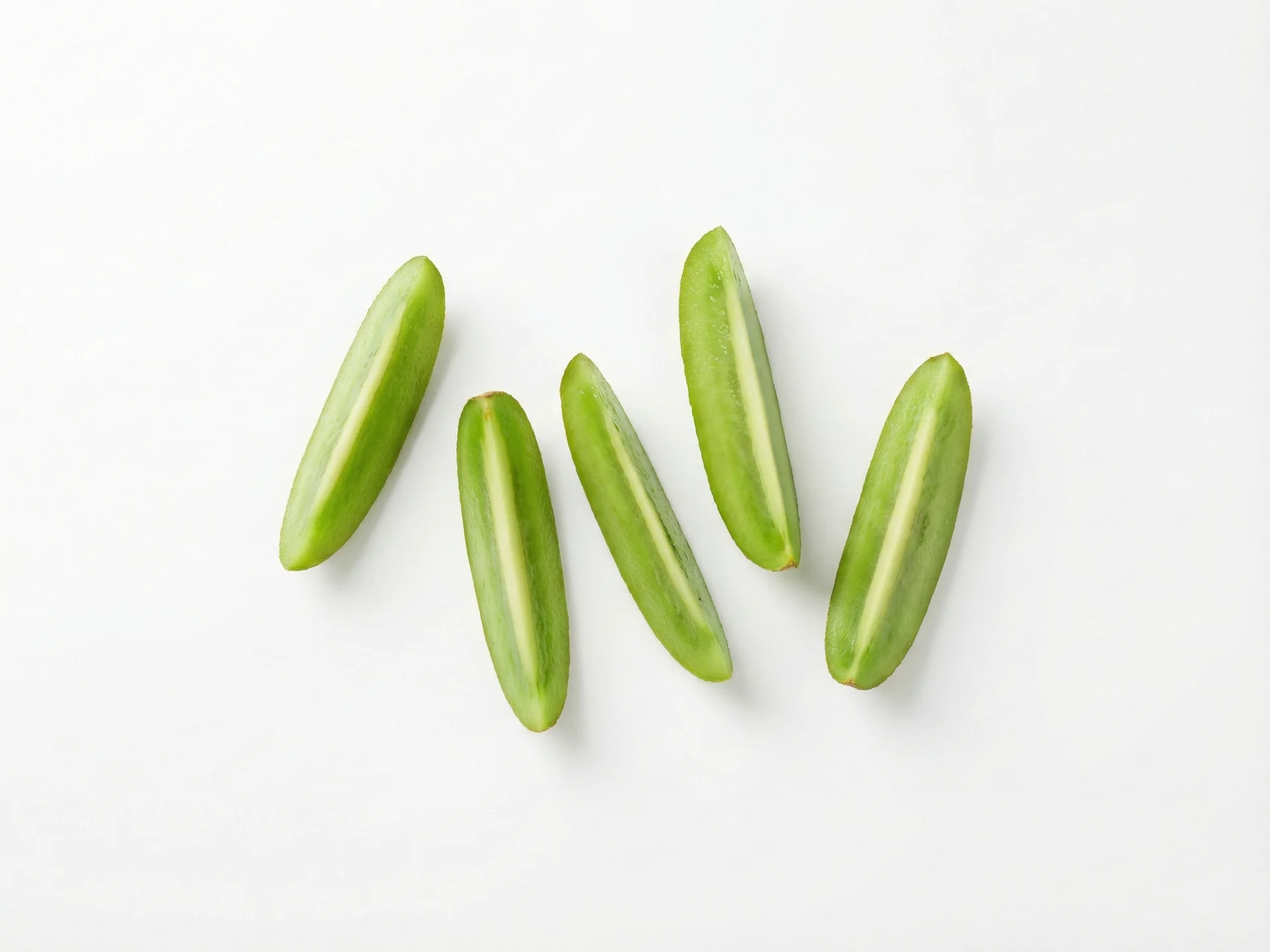
For babies 6-9 months, peel the kiwi completely and cut into large, graspable spears about the size of two adult fingers. The spears should be soft enough to mash between your fingers. You can also mash it lightly and pre-load onto a spoon for your baby to self-feed.
6 to 9 months

For babies 6-9 months, peel the kiwi completely and cut into large, graspable spears about the size of two adult fingers. The spears should be soft enough to mash between your fingers. You can also mash it lightly and pre-load onto a spoon for your baby to self-feed.

  • Always peel the skin completely
  • Cut into long spears for easy grasping
  • Test ripeness by pressing gently - it should yield slightly
  • Mash lightly if your baby struggles with spears
  • Offer on a high chair tray for self-feeding practice
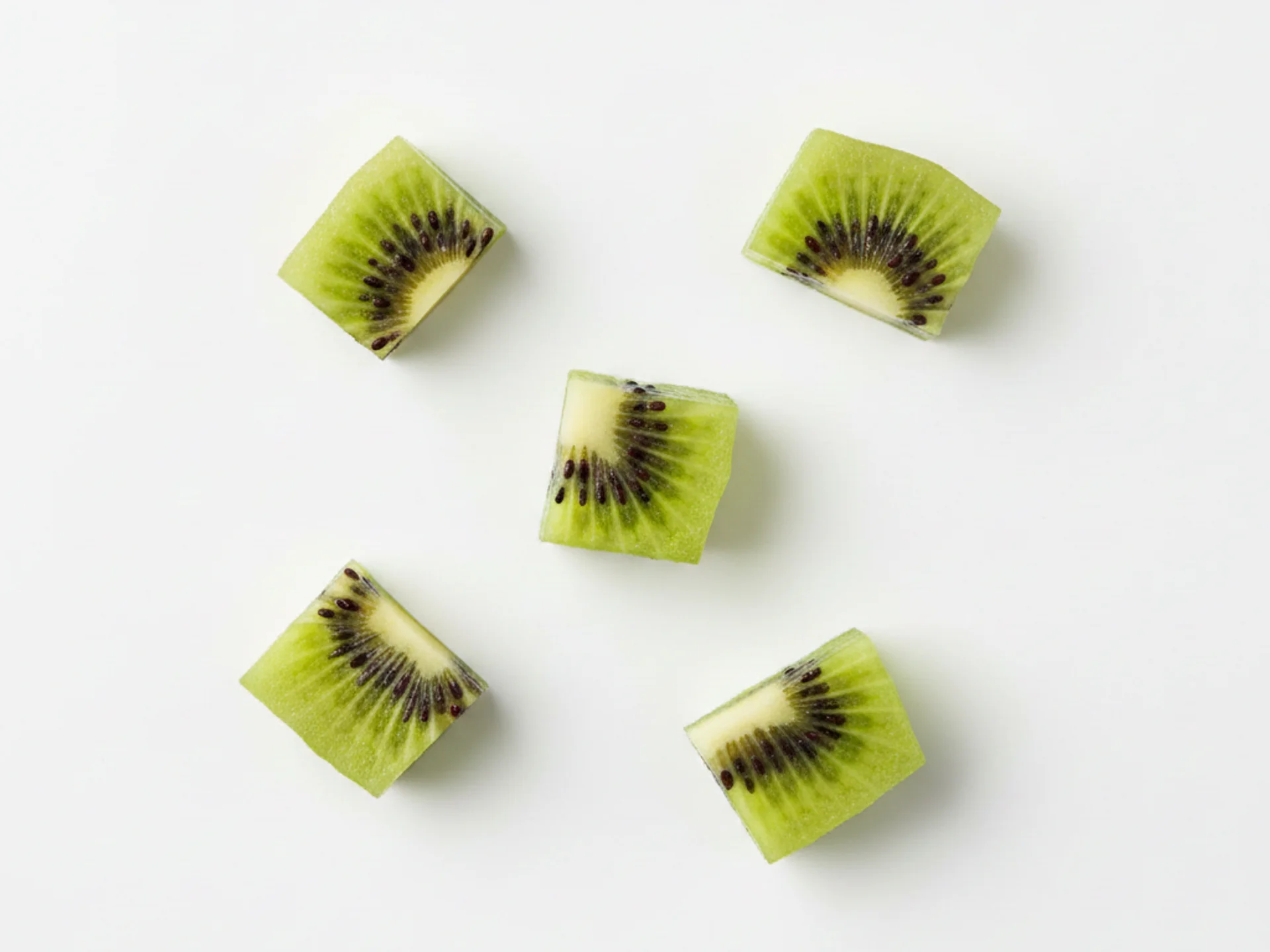
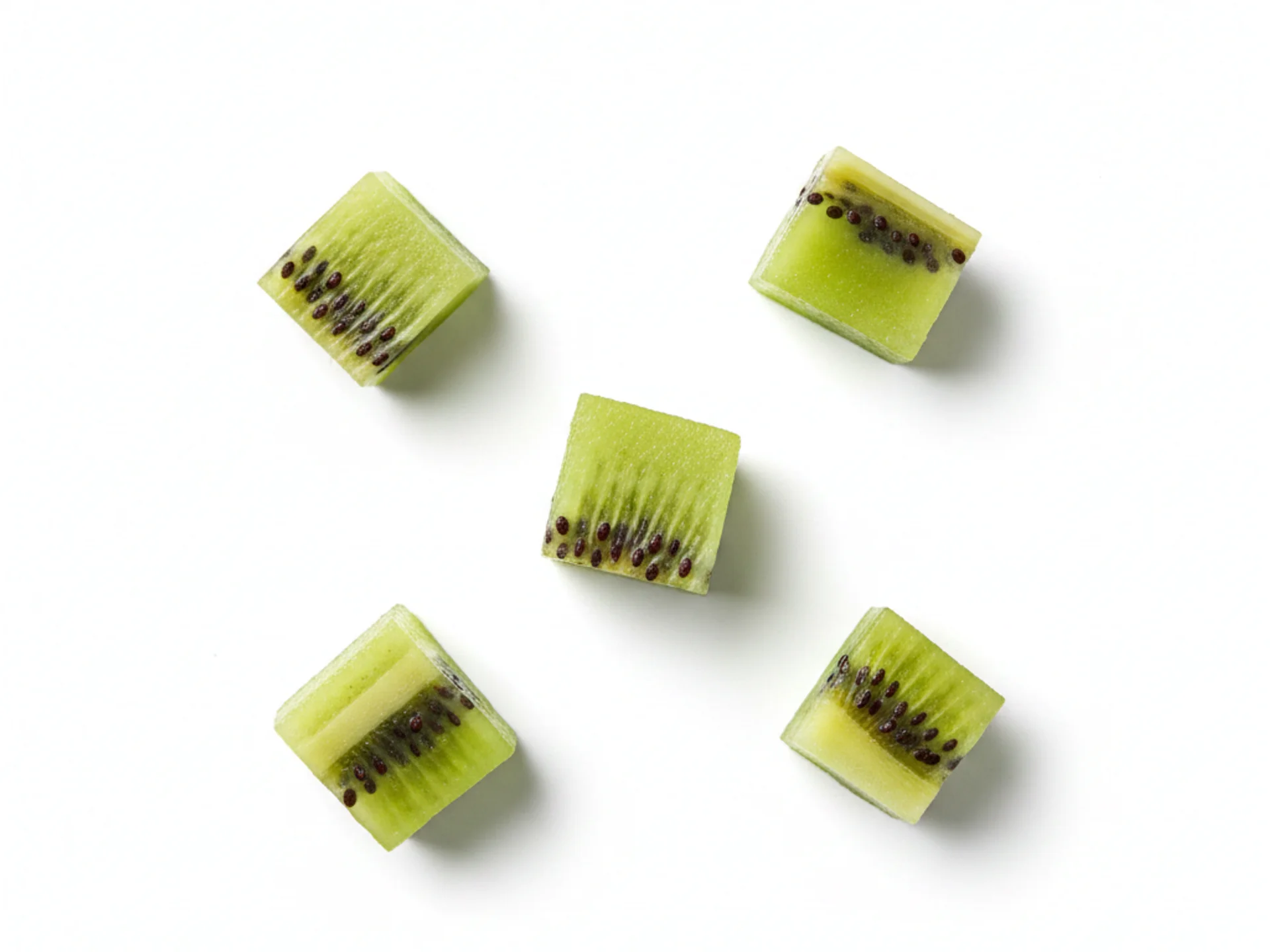
For babies 9-12 months, continue peeling the kiwi and cut into smaller, bite-sized pieces about the size of a pea. Your baby is developing their pincer grasp, so smaller pieces encourage this skill. You can also offer thin slices or wedges.
9 to 12 months

For babies 9-12 months, continue peeling the kiwi and cut into smaller, bite-sized pieces about the size of a pea. Your baby is developing their pincer grasp, so smaller pieces encourage this skill. You can also offer thin slices or wedges.

  • Cut into pea-sized pieces for pincer grasp practice
  • Mix with yogurt or oatmeal for variety
  • Offer both pieces and pre-loaded spoons
  • Include in fruit salads with other soft fruits
  • Watch for signs of improved chewing skills
For toddlers 12 months and up, you can offer kiwi in various forms - sliced, cubed, or as part of fruit salads. Some toddlers may enjoy eating kiwi with a spoon directly from the halved fruit. You can also incorporate it into smoothies or baked goods.
12 months +

For toddlers 12 months and up, you can offer kiwi in various forms - sliced, cubed, or as part of fruit salads. Some toddlers may enjoy eating kiwi with a spoon directly from the halved fruit. You can also incorporate it into smoothies or baked goods.

  • Teach how to eat from halved kiwi with a spoon
  • Add to pancakes or muffins for natural sweetness
  • Combine with other fruits in colorful salads
  • Use in smoothies with yogurt or milk
  • Involve your toddler in peeling and cutting with supervision

Safety & allergens

Choking risk: Low

Kiwi has a soft texture when ripe, making it low-risk. For babies under 9 months, always mash or puree it completely to remove any seeds or skin. For older babies, you can serve it in small, soft pieces that they can easily gum.

Common allergen

Introduce on its own and watch closely for any signs of a reaction.

Vitamins & minerals

Kiwi is an excellent source of vitamin C, providing about 71 mg per 100g, which helps support your baby's immune function and acts as an antioxidant.[3] It also contains potassium, important for healthy heart and muscle function in infants,[2] and vitamin K, which plays a role in blood clotting and bone health.

Vitamins
Vitamin VITAMIN CVitamin VITAMIN KVitamin VITAMIN EVitamin VITAMIN B9
Minerals
PotassiumCopperMagnesium