
Cottage Cheese

Dairy

Cottage Cheese

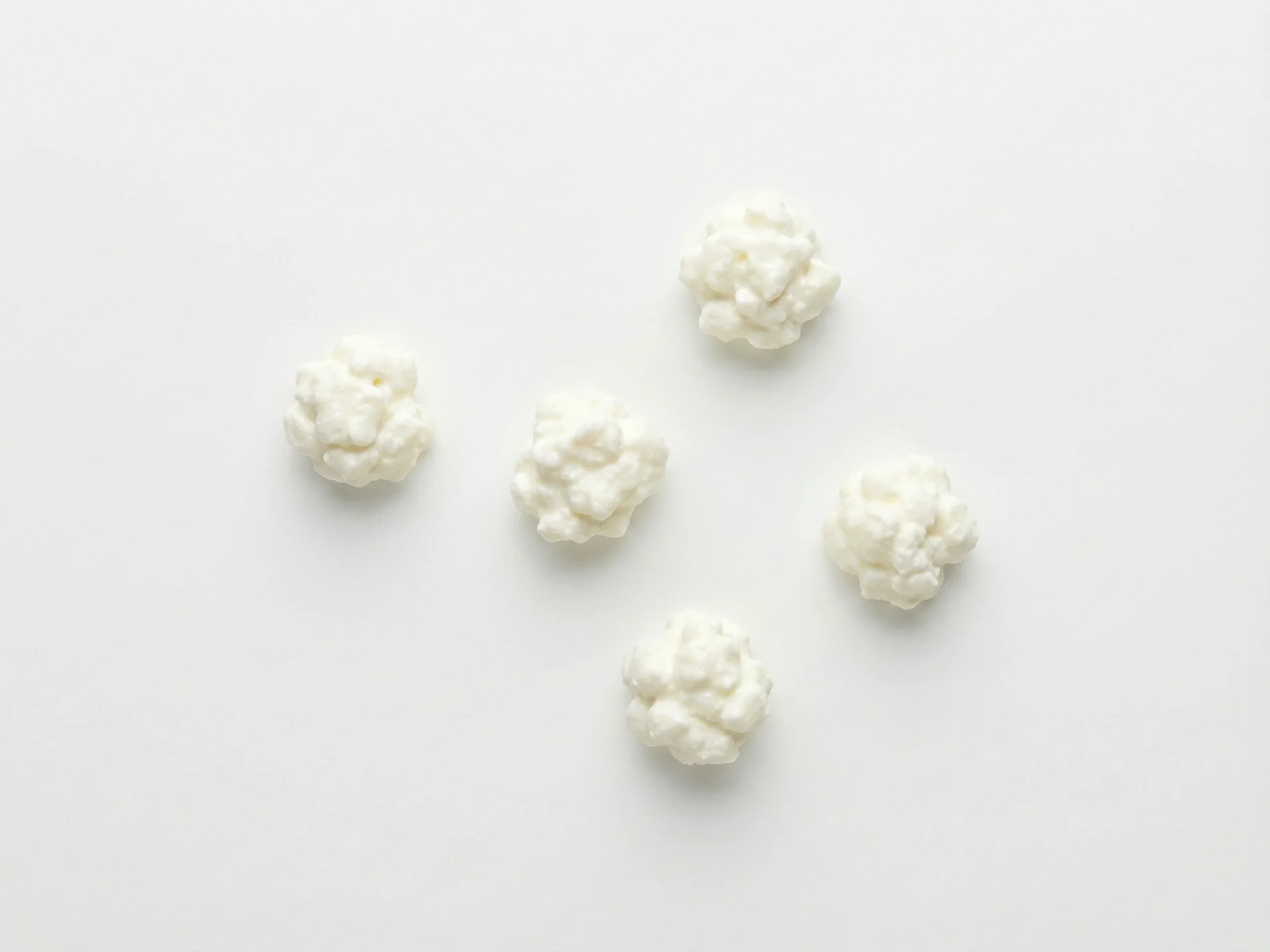
Cottage cheese is a soft, creamy dairy food that's perfect for babies starting solids. It's packed with protein for growth and calcium for strong bones and teeth.1 The mild flavor and smooth texture make it easy for little ones to enjoy, and it can be mixed with fruits or vegetables for variety.

PPippin Feeding TeamReviewed by feeding specialists · Updated January 2026
First age6m+
CategoryDairy
Common allergenYes
Choking riskLow

When can babies eat Cottage Cheese?

You can introduce cottage cheese around 6 months, when your baby starts solids. It's best to offer it after they've tried a few single-ingredient foods first.

Storage tip

Keep cottage cheese refrigerated and use within 5-7 days of opening. Always check the expiration date and discard if it smells sour or develops mold.

How to serve Cottage Cheese by age

For babies 8-12 months, serve cottage cheese in dollops on their tray or on a pre-loaded spoon. The soft curds help them practice picking up small pieces and managing lumpy textures. You can also spread it thinly on toast strips for easier handling.8 to 12 months

For babies 8-12 months, serve cottage cheese in dollops on their tray or on a pre-loaded spoon. The soft curds help them practice picking up small pieces and managing lumpy textures. You can also spread it thinly on toast strips for easier handling.

  • Use a spoon to place small mounds on the highchair tray
  • Mix with mashed banana or avocado to create a spreadable texture
  • Offer on a spoon and let baby bring it to their mouth
  • Ensure cottage cheese is cold but not frozen
  • Start with 1-2 tablespoons per serving
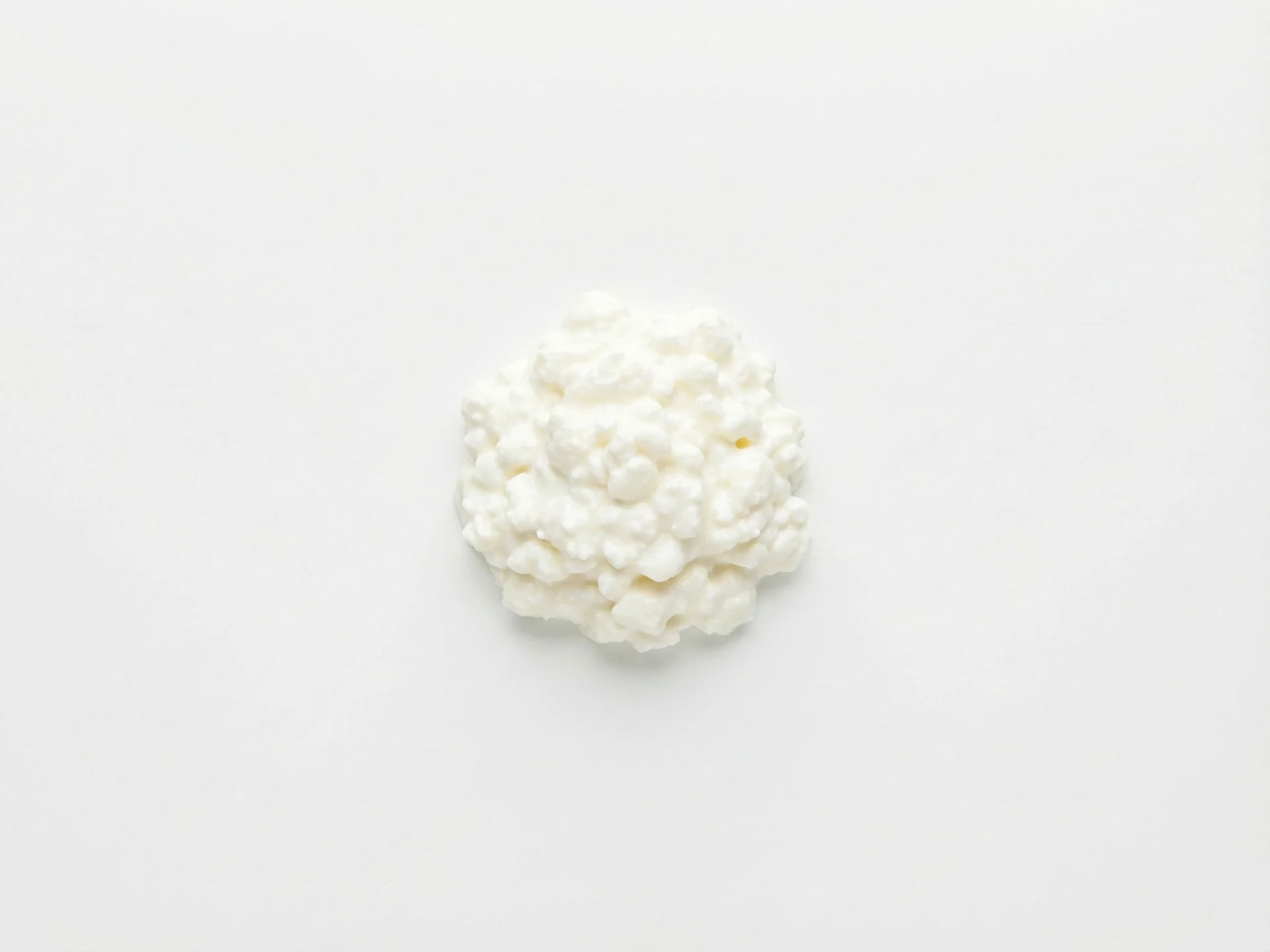
For toddlers 12 months and up, cottage cheese can be served as a dip for vegetable sticks, mixed into scrambled eggs, or used as a filling for soft wraps. At this stage, they can practice using utensils to scoop it themselves.12 months +

For toddlers 12 months and up, cottage cheese can be served as a dip for vegetable sticks, mixed into scrambled eggs, or used as a filling for soft wraps. At this stage, they can practice using utensils to scoop it themselves.

  • Let your toddler practice scooping with a child-safe spoon
  • Mix with herbs like dill or chives for flavor variety
  • Use as a protein-rich spread on crackers or bread
  • Combine with cooked pasta for a creamy sauce
  • Offer alongside fruit for a balanced snack

Safety & allergens

Choking risk: Low

Cottage cheese is naturally soft and mushy, so it's low risk for choking. For extra safety, you can mash it with a fork to ensure no large curds remain. Always supervise your baby during meals and ensure they're sitting upright.

Common allergen

Cow's milk allergy affects about 2-3% of infants and young children.2

Watch for symptoms:

  • Hives
  • Swelling of the lips or face
  • Vomiting or diarrhea
  • Wheezing or difficulty breathing

Start with a small amount (about 1/2 teaspoon) and watch for any reactions over the next 2-3 days.3 If there's no reaction, you can gradually increase the portion. Always consult your pediatrician before introducing major allergens, especially if there's a family history of allergies.

Vitamins & minerals

Cottage cheese is an excellent source of protein, which supports your baby's muscle and tissue development.4 It's also rich in calcium and phosphorus, two minerals that work together to build strong bones and teeth.5 The B vitamins in cottage cheese, like B12, help with energy production and brain health.6

Vitamins
Vitamin B2Vitamin B12Vitamin A
Minerals
CalciumPhosphorusSodiumSelenium

Nutritional synergy

Pair cottage cheese with vitamin C-rich foods like strawberries or oranges to enhance iron absorption from other foods in the meal.7

Common questions

What type of cottage cheese is best for babies?

Choose full-fat (4% milkfat) cottage cheese for babies, as they need the extra calories and fat for brain development. Avoid low-fat or flavored varieties, which may have added sugars or salt. Look for brands with simple ingredients like milk and cultures.

How can I make cottage cheese more appealing to my baby?

Mix it with mashed fruits like banana or peaches for natural sweetness, or blend it into purees with vegetables like sweet potato. You can also offer it as a dip for soft-cooked veggies or spread it on toast strips for older babies. It may take a few tries—be patient and keep offering small amounts.

Can cottage cheese cause constipation in babies?

Dairy foods like cottage cheese can sometimes contribute to constipation in sensitive babies.8 If you notice hard stools, try offering more water or high-fiber foods like pears or prunes alongside it. If constipation persists, consult your pediatrician.

Sources & references

  1. 1USDA FoodData Central, 2024
  2. 2Sicherer & Sampson, 2018
  3. 3American Academy of Pediatrics, 2020
  4. 4EFSA Panel on Dietetic Products, 2012
  5. 5Weaver et al., 2016
  6. 6Kennedy, 2016
  7. 7Lynch, 2011
  8. 8Tabbers et al., 2014