Blueberry

Fruit

Blueberry

Blueberries are a wonderful first food for babies, offering a naturally sweet taste and soft texture that many little ones love. They're packed with antioxidants that help protect your baby's cells from damage1, and their fiber content supports healthy digestion2. Plus, their vibrant color makes meals more visually appealing!

PPippin Feeding TeamReviewed by feeding specialists · Updated July 2026
First age6m+
CategoryFruit
Common allergenNo
Choking riskMedium

When can babies eat Blueberry?

Blueberries can be introduced around 6 months when your baby starts solids, as they're easy to mash or puree. They're a great early fruit because they're generally well-tolerated and nutritious.

Storage tip

Store fresh blueberries in the refrigerator for up to 10 days. You can also freeze them on a baking sheet before transferring to a freezer bag—they'll keep for up to 6 months and are perfect for making quick purees.

How to serve Blueberry by age

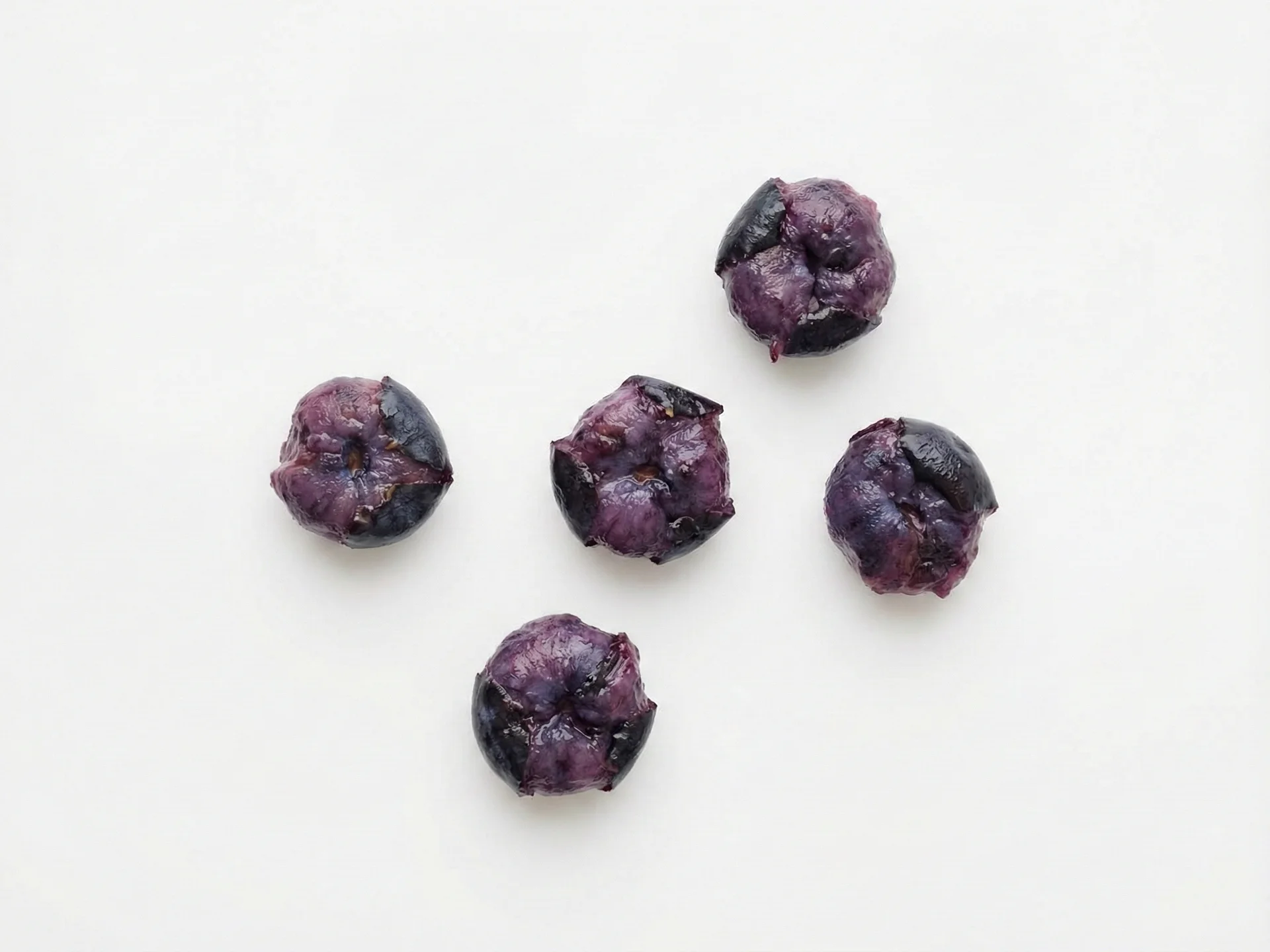
For babies 6-9 months, cook blueberries until soft by steaming or boiling, then smash or puree them into a thick, lumpy paste. Alternatively, offer large, soft pieces (about half a blueberry size) that they can gum safely. This helps them explore textures while minimizing choking risk.6 to 9 months

For babies 6-9 months, cook blueberries until soft by steaming or boiling, then smash or puree them into a thick, lumpy paste. Alternatively, offer large, soft pieces (about half a blueberry size) that they can gum safely. This helps them explore textures while minimizing choking risk.

  • Smash cooked blueberries with a fork to flatten them
  • Mix with oatmeal or yogurt for added nutrition
  • Avoid whole blueberries; always break the skin
  • Serve at room temperature to prevent burns
  • Use ripe, soft blueberries for easier mashing
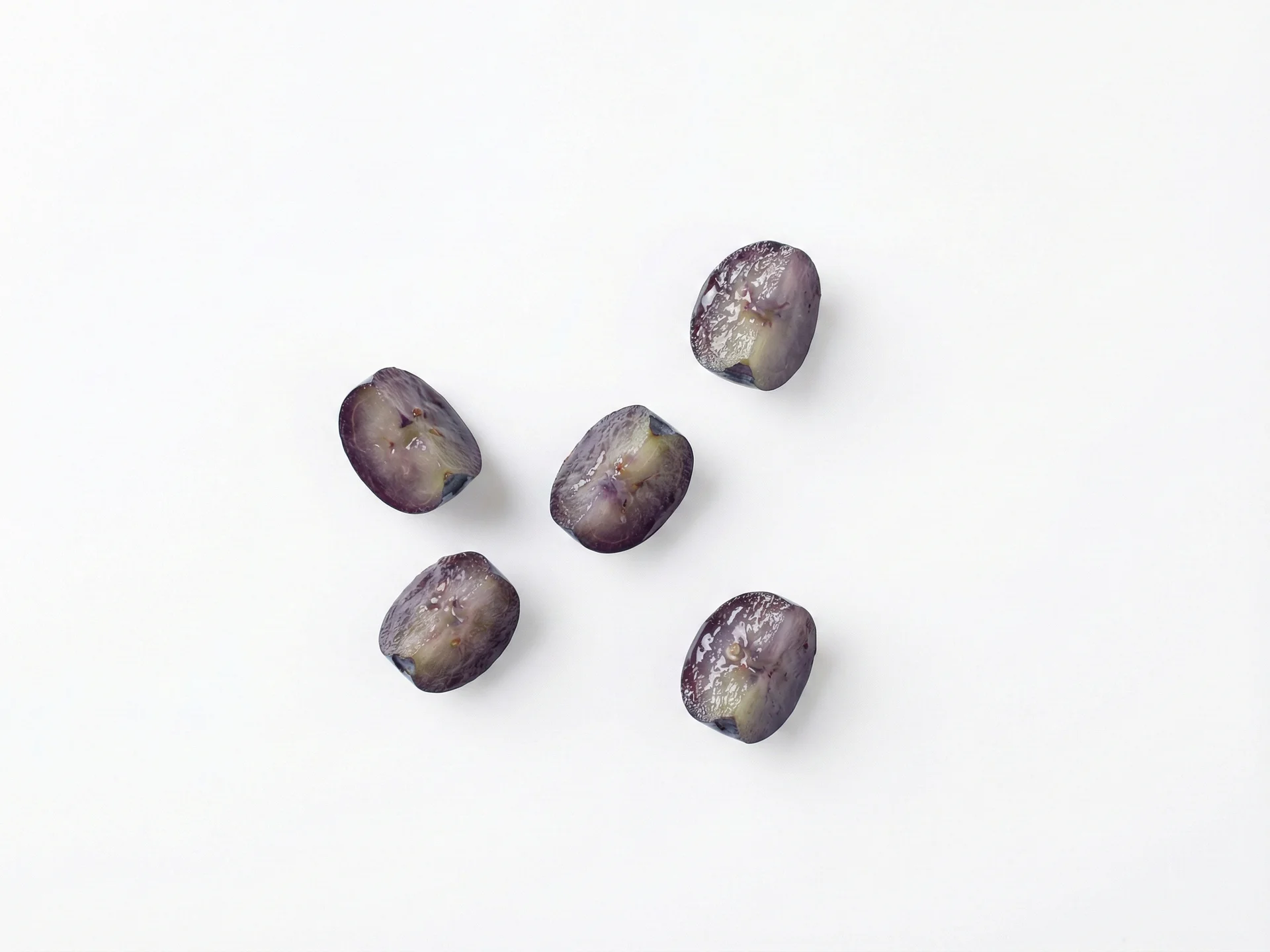
For babies 9-12 months, you can offer quartered raw blueberries if they're very soft and ripe, or continue with cooked and smashed versions. Encourage self-feeding by placing pieces on their tray, as they develop better pincer grasp and chewing abilities.9 to 12 months

For babies 9-12 months, you can offer quartered raw blueberries if they're very soft and ripe, or continue with cooked and smashed versions. Encourage self-feeding by placing pieces on their tray, as they develop better pincer grasp and chewing abilities.

  • Quarter raw blueberries to reduce round shape
  • Combine with other soft fruits like banana
  • Monitor for chewing progress; adjust texture as needed
  • Introduce in meals like pancakes or muffins
  • Keep pieces bite-sized to prevent overstuffing
For toddlers 12 months and up, whole blueberries can be offered if your child chews well and you supervise closely. Ensure they're soft and ripe, and consider mixing into meals to vary exposure. Continue to emphasize safe eating habits.12 months +

For toddlers 12 months and up, whole blueberries can be offered if your child chews well and you supervise closely. Ensure they're soft and ripe, and consider mixing into meals to vary exposure. Continue to emphasize safe eating habits.

  • Offer whole blueberries only if your child chews thoroughly
  • Mix into yogurt, cereals, or baked goods
  • Wash thoroughly to remove pesticides
  • Use as a snack in moderation to balance diet
  • Watch for signs of overeating; blueberries are high in fiber

Safety & allergens

Choking risk: Medium

Whole blueberries are a choking hazard for babies due to their size and round shape. Always mash, puree, or cut them into small pieces. For older babies, you can flatten them slightly with your fingers or cut them into quarters to reduce the risk.

Not a common allergen

Blueberry is not a top allergen. As with any new food, offer it on its own and watch for any reaction.

Vitamins & minerals

Blueberries are rich in vitamin C, which supports your baby's immune system and helps their body absorb iron from other foods3. They also contain vitamin K for healthy blood clotting4 and manganese, which plays a role in bone development5. The antioxidants in blueberries, particularly anthocyanins, contribute to overall cellular health1.

Vitamins
Vitamin CVitamin KVitamin B6Vitamin E
Minerals
ManganesePotassiumCopperIron

Nutritional synergy

Pair blueberries with iron-rich foods like spinach or lentils—the vitamin C in blueberries enhances iron absorption, making both foods more nutritious for your baby3.

Common questions

How do I know if blueberries are ripe?

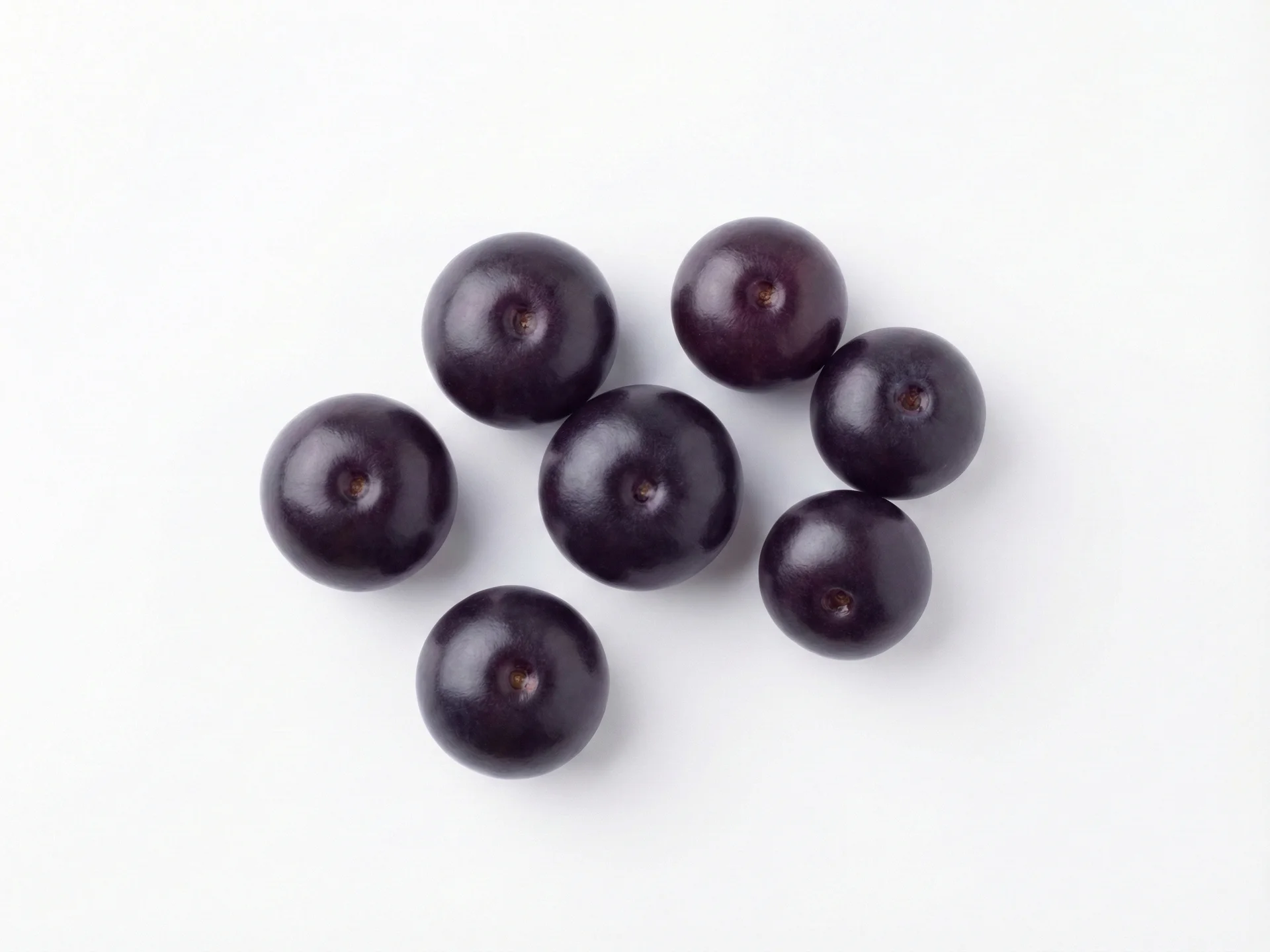
Look for berries that are deep blue or purple with a slight silvery bloom (that's natural and safe). They should feel firm but give slightly when gently pressed. Avoid berries that are mushy, moldy, or have wrinkled skin.

Can I give my baby blueberry skin?

Yes, the skin is safe and contains valuable nutrients and fiber2. For young babies, pureeing or mashing blueberries well will break down the skin. For older babies, you can serve them with the skin intact as long as they're prepared appropriately for their age.

What if my baby's poop turns blue or purple?

This is completely normal! The pigments in blueberries can temporarily change stool color. It's harmless and will resolve once the blueberries pass through their system. No need to worry unless you notice other symptoms like diarrhea or discomfort.

Sources & references

  1. 1Kalt et al., 2020
  2. 2USDA FoodData Central, 2024
  3. 3Lynch & Stoltzfus, 2003
  4. 4NIH Office of Dietary Supplements, 2021
  5. 5NIH Office of Dietary Supplements, 2021