FoodsOtherWakame
Wakame

Other

Wakame

Wakame is a mild, slightly sweet sea vegetable that can be a fun and nutritious addition to your baby's diet. It has a soft, slippery texture when cooked that many babies enjoy, and it's packed with important nutrients like iron and iodine that support healthy growth and brain development.[1][2]

6m+Not a common allergenChoking risk: Medium
First age6m+
CategoryOther
Common allergenNo
Choking riskMedium

When can babies eat Wakame?

You can introduce wakame around 6 months when starting solids, as long as it's prepared safely to minimize choking risk.

How to serve Wakame by age

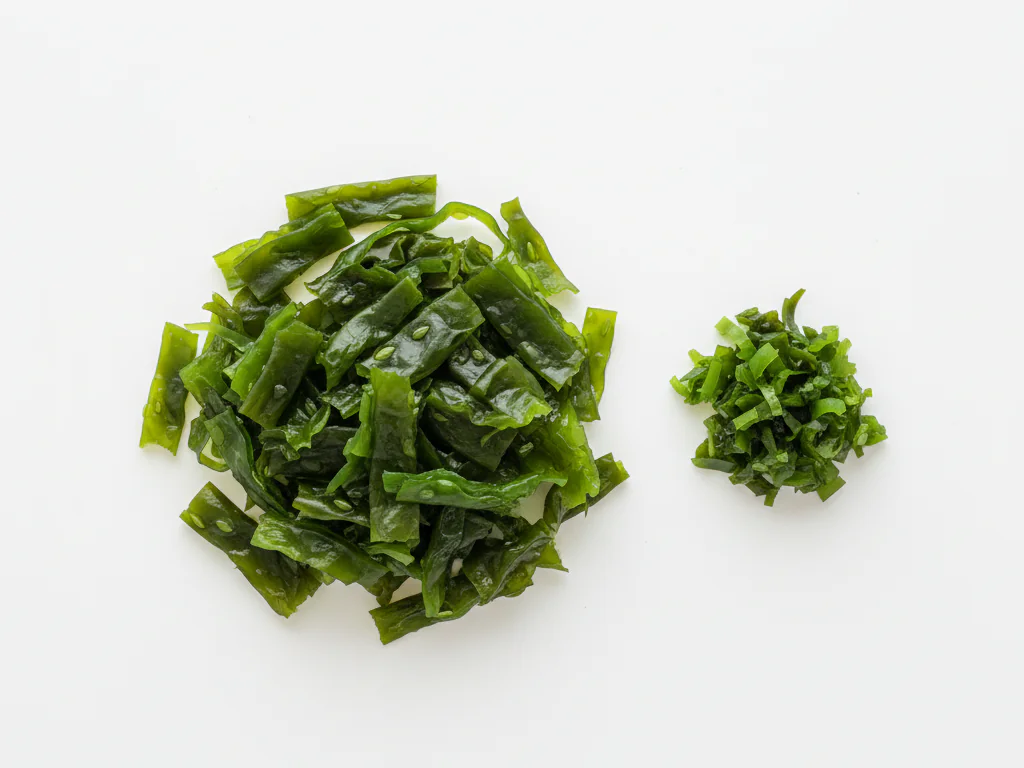
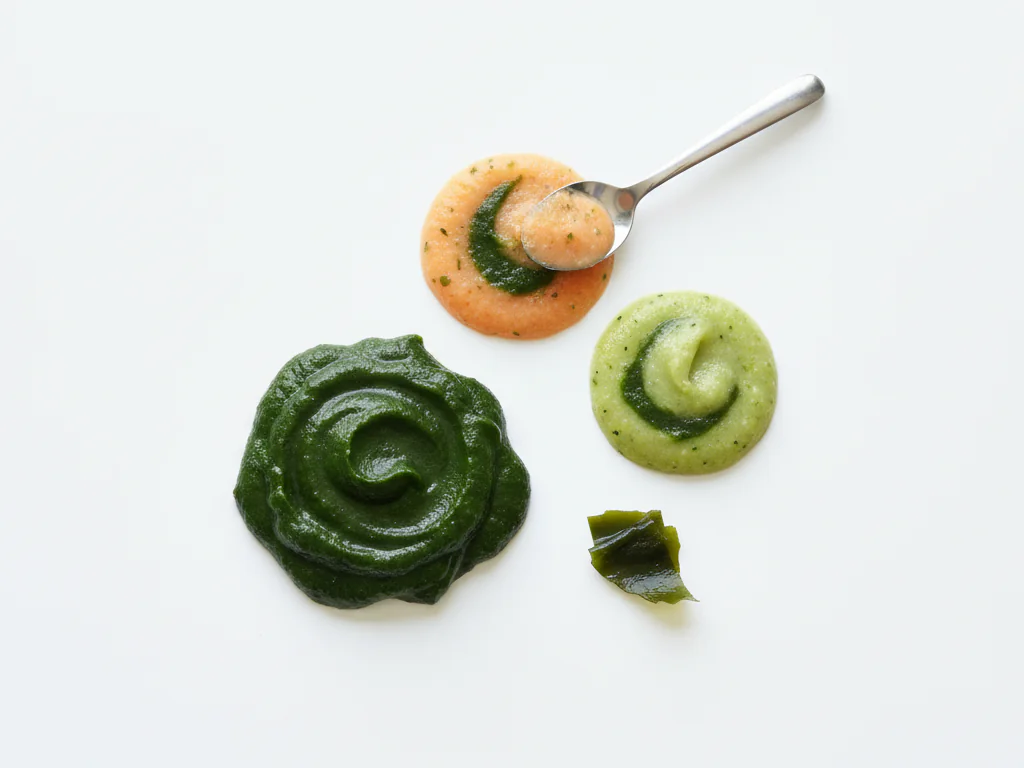
For babies 6-9 months, soak dried wakame until soft, then puree it with other vegetables or mix a small amount into smooth purees. Start with just a teaspoon to introduce the flavor.
6 to 9 months

For babies 6-9 months, soak dried wakame until soft, then puree it with other vegetables or mix a small amount into smooth purees. Start with just a teaspoon to introduce the flavor.

  • Soak for at least 10 minutes to ensure it's fully softened
  • Rinse thoroughly to remove any salt or grit
  • Puree with sweet potato or carrot for a familiar taste
  • Start with tiny amounts to check for acceptance
  • Mix into iron-fortified baby cereal for added nutrition
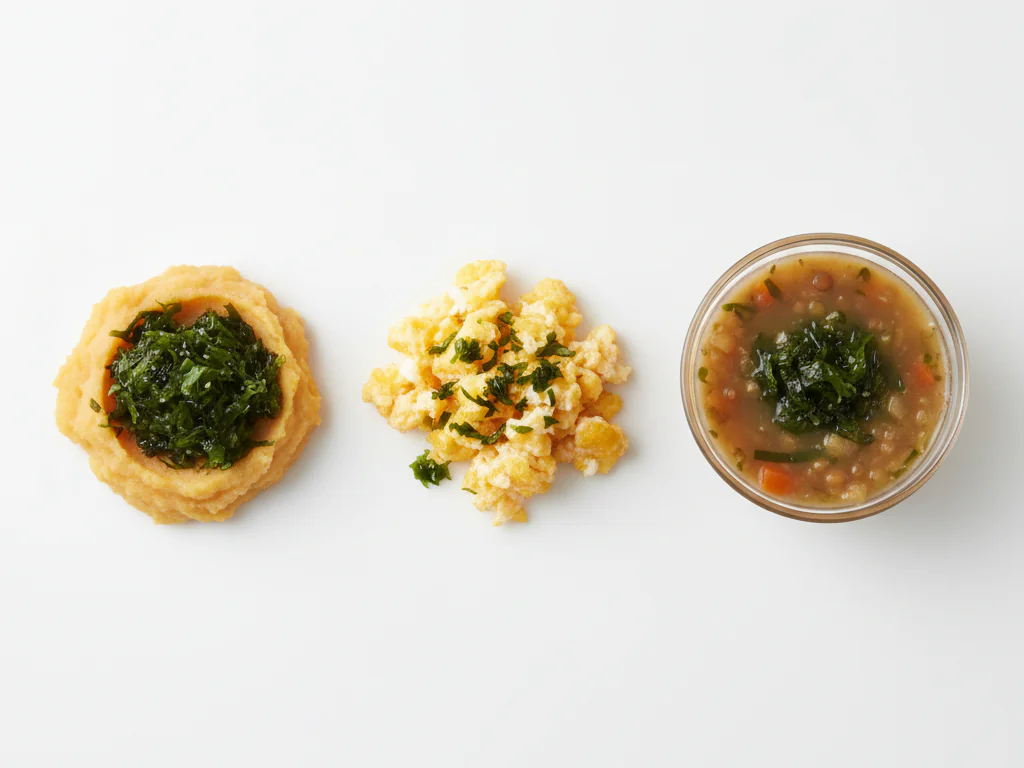
For babies 9-12 months, finely chop rehydrated wakame and mix into soft foods. You can also add it to soups, stews, or scrambled eggs for texture variety.
9 to 12 months

For babies 9-12 months, finely chop rehydrated wakame and mix into soft foods. You can also add it to soups, stews, or scrambled eggs for texture variety.

  • Chop into pieces smaller than a pea
  • Mix into mashed avocado or soft tofu
  • Add to vegetable soups for extra nutrients
  • Combine with rice or quinoa for a complete meal
  • Offer as a finger food mixed into other soft foods
For toddlers 12 months and up, you can serve wakame in small strips in soups or salads. Continue to chop it into manageable pieces and watch for chewing.
12 months +

For toddlers 12 months and up, you can serve wakame in small strips in soups or salads. Continue to chop it into manageable pieces and watch for chewing.

  • Add to miso soup or clear broths
  • Mix into rice bowls with other vegetables
  • Use as a topping for noodles or porridge
  • Combine with cucumber for a refreshing salad
  • Always supervise while eating

Safety & allergens

Choking risk: Medium

Wakame can be slippery and expand when wet, so it's important to prepare it carefully. Always chop it finely for younger babies and avoid serving large pieces. Supervise your baby closely during meals.

Not a common allergen

Wakame is not a top allergen. As with any new food, offer it on its own and watch for any reaction.

Vitamins & minerals

Wakame is rich in iron, which helps prevent anemia and supports healthy blood cells.[3] It's also an excellent source of iodine, essential for proper thyroid function and brain development in babies.[2] The calcium and magnesium in wakame contribute to strong bones and teeth.[4]

Vitamins
Vitamin VITAMIN AVitamin VITAMIN CVitamin VITAMIN KVitamin VITAMIN B2Vitamin VITAMIN B9
Minerals
IronCalciumMagnesiumIodinePotassium

Pairs well with