Kinako

Bean

Kinako

Kinako is a delicious, nutty-flavored roasted soybean flour that's a wonderful way to introduce plant-based protein and fiber to your baby's diet. Its smooth texture blends beautifully into purees and cereals, making it an easy addition to meals. Kinako provides essential nutrients that support your baby's growth and development, including iron for healthy blood cells1 and B vitamins for energy metabolism2.

PPippin Feeding TeamReviewed by feeding specialists · Updated June 2026
First age6m+
CategoryBean
Common allergenYes
Choking riskLow

When can babies eat Kinako?

Kinako can be introduced around 6 months when your baby starts solids, as long as it's prepared in a safe, smooth texture. It's a great early food because it's nutrient-dense and easy to digest.

Storage tip

Store kinako in an airtight container in a cool, dark place like your pantry. It will stay fresh for 3-4 months, but you can extend its shelf life by refrigerating it for up to 6 months.

How to serve Kinako by age

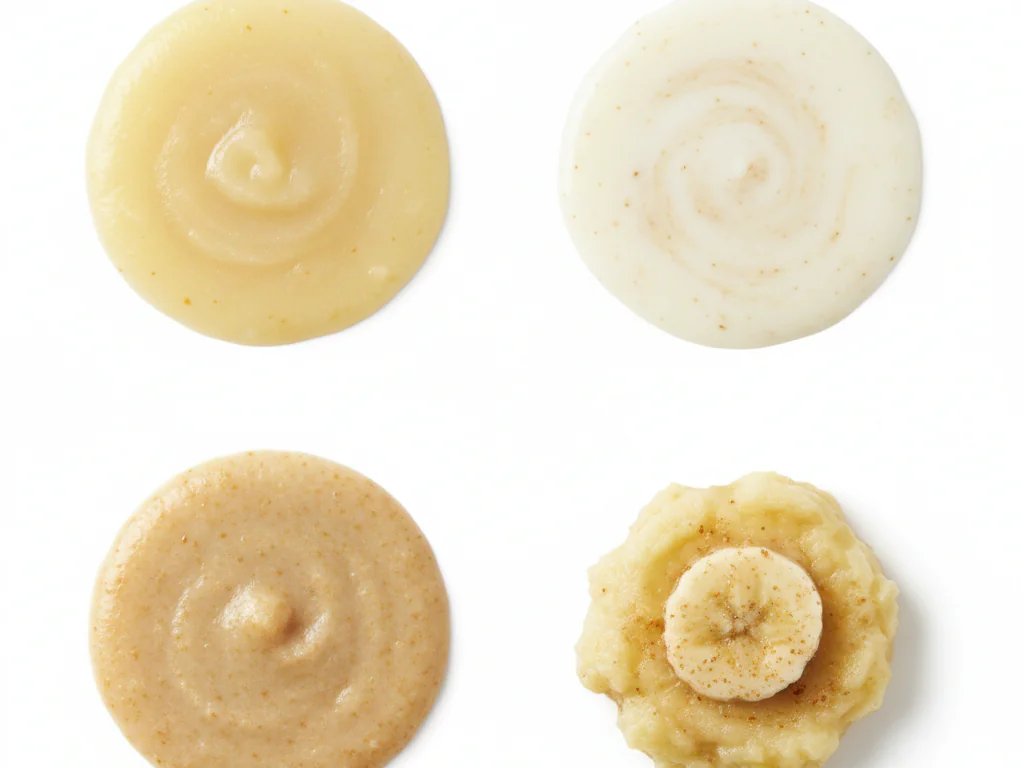
For young babies, mix 1-2 teaspoons of kinako into smooth purees, breast milk, formula, or infant cereal. Ensure it's fully dissolved to create a lump-free texture. You can also add it to mashed banana or avocado for extra nutrition.6 to 9 months

For young babies, mix 1-2 teaspoons of kinako into smooth purees, breast milk, formula, or infant cereal. Ensure it's fully dissolved to create a lump-free texture. You can also add it to mashed banana or avocado for extra nutrition.

  • Start with small amounts to check tolerance
  • Mix thoroughly to avoid clumps
  • Combine with familiar flavors first
  • Use in single-ingredient purees initially
  • Keep textures smooth and runny
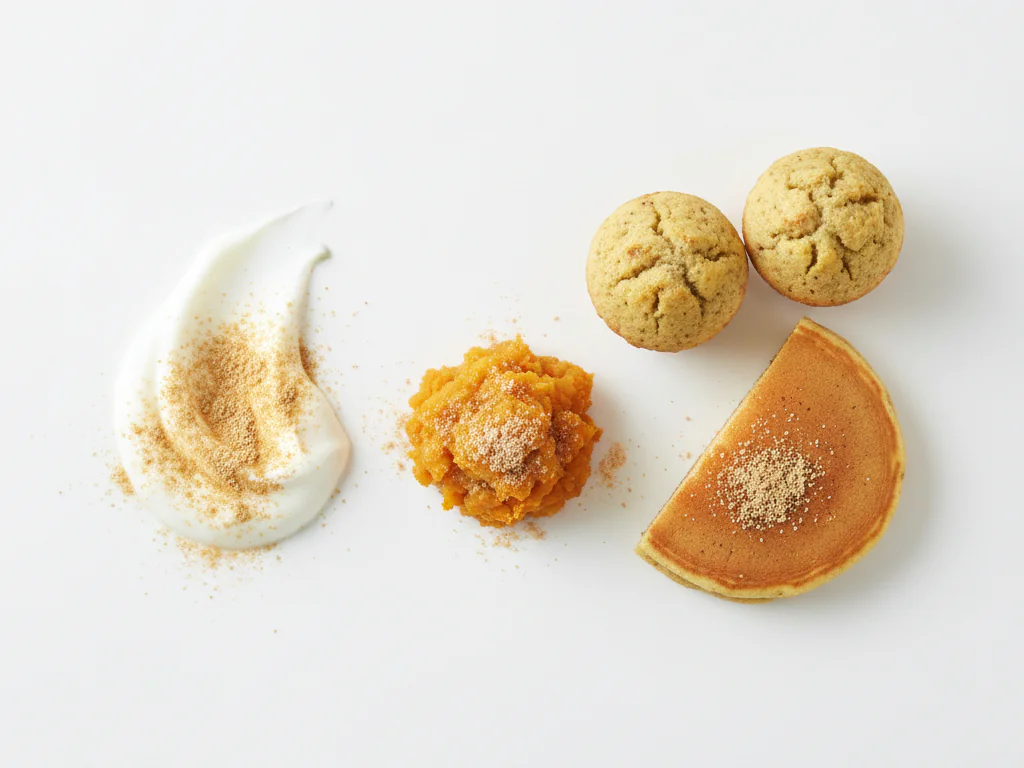
As your baby develops chewing skills, you can sprinkle kinako on thicker foods like yogurt, cottage cheese, or mashed vegetables. You can also mix it into pancake or muffin batter for soft finger foods.9 to 12 months

As your baby develops chewing skills, you can sprinkle kinako on thicker foods like yogurt, cottage cheese, or mashed vegetables. You can also mix it into pancake or muffin batter for soft finger foods.

  • Sprinkle on soft foods for texture exploration
  • Mix into baked goods for added nutrition
  • Combine with grains like quinoa or rice
  • Use in thicker mashes and porridges
  • Offer as part of mixed meals
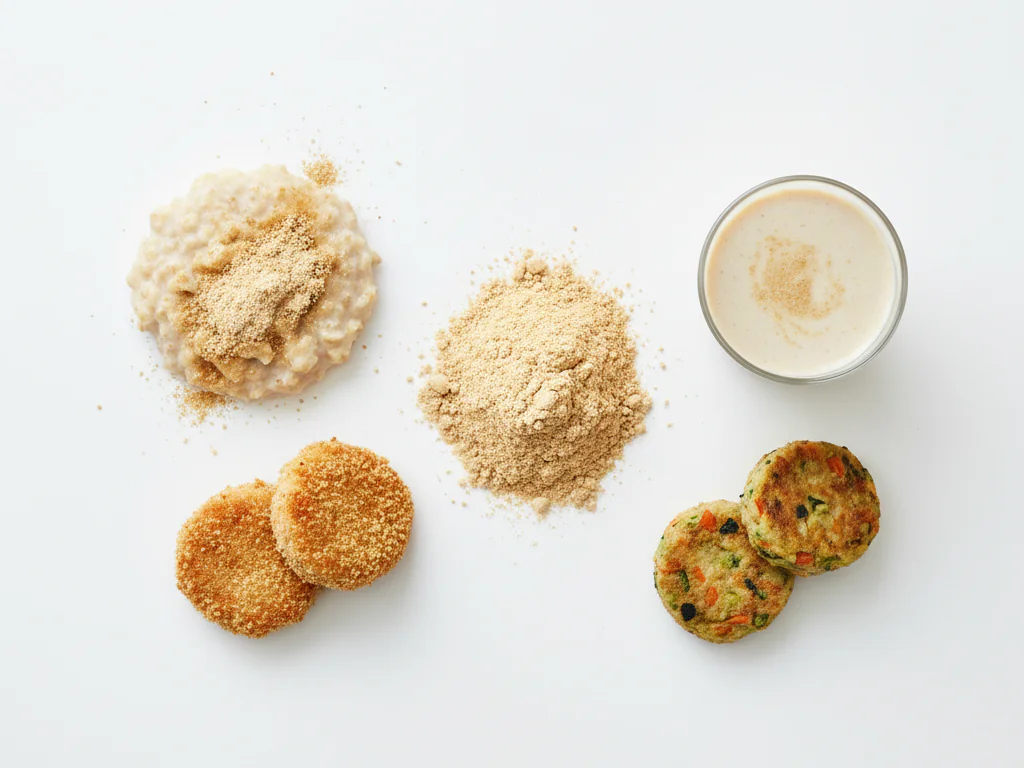
For toddlers, kinako can be used more liberally in cooking. Add it to smoothies, sprinkle on oatmeal, mix into meatballs or veggie patties, or use as a coating for baked chicken or fish strips.12 months +

For toddlers, kinako can be used more liberally in cooking. Add it to smoothies, sprinkle on oatmeal, mix into meatballs or veggie patties, or use as a coating for baked chicken or fish strips.

  • Incorporate into family meals
  • Use in baking for nutritious treats
  • Add to sauces and dressings
  • Mix into grain bowls or pasta dishes
  • Experiment with different flavor combinations

Safety & allergens

Choking risk: Low

Kinako is finely ground flour, so it poses minimal choking risk when mixed into purees, cereals, or yogurt. Always ensure it's fully incorporated into moist foods and never served dry or as a powder that could be inhaled. For older babies, you can sprinkle it on soft foods like mashed banana or avocado.

Common allergen

Introduce on its own and watch closely for any signs of a reaction.

Vitamins & minerals

Kinako is packed with nutrients that benefit your baby's health. It's an excellent source of plant-based iron, which helps prevent anemia and supports cognitive development1. The B vitamins in kinako, including folate (vitamin B9), are crucial for energy production and nervous system function2. It also provides magnesium for bone health3 and fiber to support healthy digestion4.

Vitamins
Vitamin B1Vitamin B2Vitamin B3Vitamin B6Vitamin B9
Minerals
IronMagnesiumPotassiumPhosphorusManganese

Nutritional synergy

Pair kinako with vitamin C-rich foods like sweet potato or mango to enhance iron absorption5. The vitamin C helps your baby's body use the plant-based iron more effectively.

Pairs well with

Common questions

How do I use kinako in my baby's meals?

Start by mixing a teaspoon of kinako into familiar foods like oatmeal, yogurt, or fruit purees. Its mild, nutty flavor blends well without overpowering other tastes. You can gradually increase to 1-2 tablespoons per serving as your baby gets used to it.

What if my baby seems gassy after eating kinako?

Some babies may experience mild gas as their digestive systems adjust to the fiber in kinako. Start with small amounts and ensure it's well-cooked or thoroughly mixed into foods. If discomfort persists, reduce the quantity and consult your pediatrician.

Can I make kinako at home?

Yes! You can make kinako by roasting whole soybeans until golden brown, then grinding them into a fine powder using a food processor or blender. Store-bought kinako is convenient, but homemade lets you control the roasting level for a milder flavor.

Sources & references

  1. 1Lozoff et al., 2006
  2. 2Kennedy, 2016
  3. 3Castiglioni et al., 2013
  4. 4Yang et al., 2012
  5. 5Hallberg et al., 1989