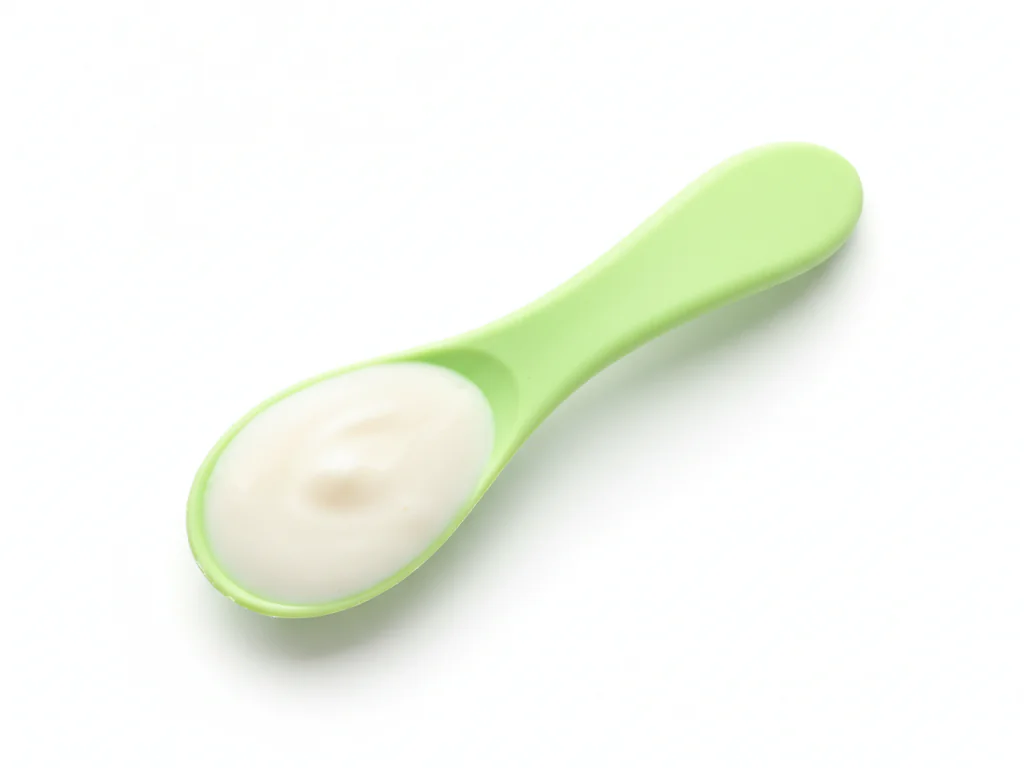
Ryazhenka

Dairy

Ryazhenka

Ryazhenka is a creamy, slightly tangy fermented milk drink that's popular in Eastern Europe and makes a wonderful introduction to dairy for babies. It's packed with probiotics that support healthy digestion1 and provides essential nutrients for growing bones and muscles. Its smooth texture and mild flavor are often well-accepted by little ones exploring new tastes.

PPippin Feeding TeamReviewed by feeding specialists · Updated June 2026
First age6m+
CategoryDairy
Common allergenYes
Choking riskLow

When can babies eat Ryazhenka?

You can introduce ryazhenka around 6 months when starting solids, as long as your baby has already tried other single-ingredient foods without issues. It's a great option after introducing plain yogurt.

Storage tip

Store ryazhenka in the refrigerator and use within 5-7 days of opening. Always check the expiration date and give it a gentle stir before serving since separation is normal.

How to serve Ryazhenka by age

Start with 1-2 teaspoons of plain ryazhenka served on a pre-loaded spoon. You can mix it with a small amount of breast milk or formula to thin it slightly if needed. The smooth texture is perfect for early eaters learning to manage thicker consistencies.6 to 9 months

Start with 1-2 teaspoons of plain ryazhenka served on a pre-loaded spoon. You can mix it with a small amount of breast milk or formula to thin it slightly if needed. The smooth texture is perfect for early eaters learning to manage thicker consistencies.

  • Serve at room temperature or slightly chilled
  • Use a soft-tipped spoon to protect gums
  • Start with small amounts to check tolerance
  • Mix with single-ingredient fruit purees for variety
  • Always supervise during feeding
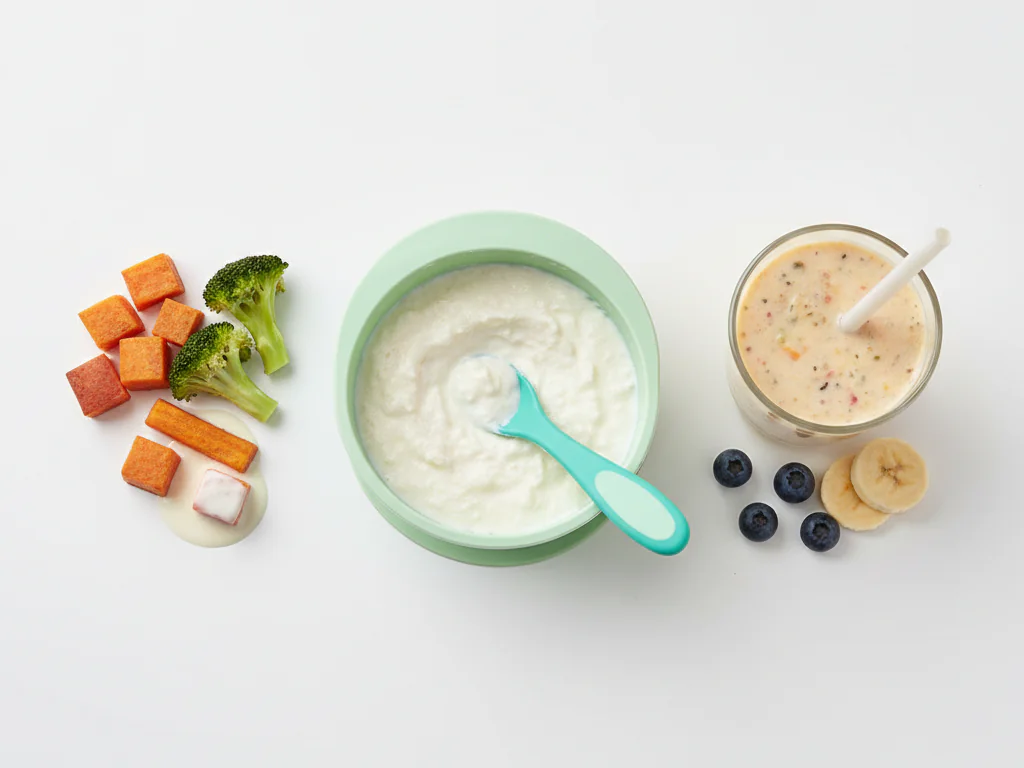
Offer ryazhenka as a dip for soft finger foods or in a suction bowl for self-feeding practice. Your baby can practice using a spoon independently with your help. You can also blend it into thicker smoothies with fruits and vegetables.9 to 12 months

Offer ryazhenka as a dip for soft finger foods or in a suction bowl for self-feeding practice. Your baby can practice using a spoon independently with your help. You can also blend it into thicker smoothies with fruits and vegetables.

  • Serve in a spill-resistant bowl
  • Use as a dip for soft cooked vegetables
  • Combine with mashed bananas or avocados
  • Offer small sips from an open cup with help
  • Watch for signs of fullness
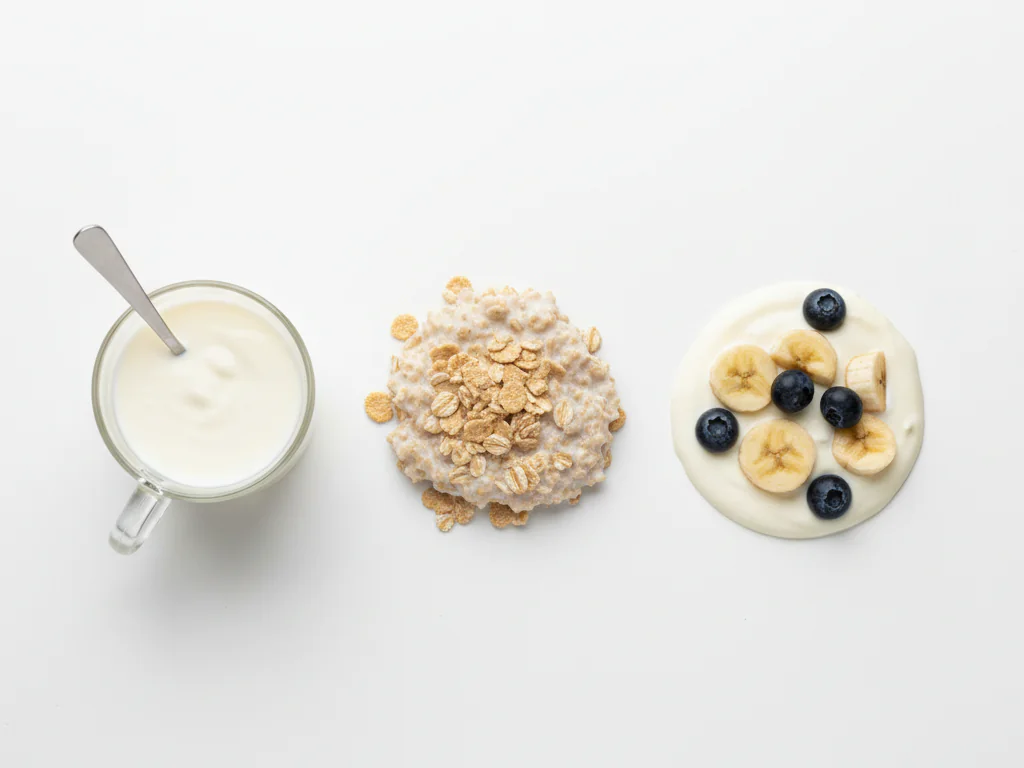
Ryazhenka can be served as a snack or part of meals. Toddlers can drink it from a cup, eat it with cereal, or enjoy it as a dessert with fruit. Continue offering plain versions to avoid added sugars.12 months +

Ryazhenka can be served as a snack or part of meals. Toddlers can drink it from a cup, eat it with cereal, or enjoy it as a dessert with fruit. Continue offering plain versions to avoid added sugars.

  • Serve in a regular cup with meals
  • Use in place of milk in pancake batter
  • Freeze into popsicles with pureed fruit
  • Combine with whole grain cereals
  • Maintain as a healthy snack option

Safety & allergens

Choking risk: Low

Ryazhenka has a smooth, drinkable consistency that poses minimal choking risk when served appropriately. For younger babies, you can spoon-feed small amounts or let them practice with a pre-loaded spoon. Always supervise feeding and ensure your baby is sitting upright.

Common allergen

Introduce on its own and watch closely for any signs of a reaction.

Vitamins & minerals

Ryazhenka is an excellent source of calcium and phosphorus, which work together to build strong bones and teeth2. The probiotics from fermentation support a healthy gut microbiome and may help prevent constipation3. It also provides protein for muscle development and B vitamins for energy metabolism4.

Vitamins
Vitamin B2Vitamin B12Vitamin D
Minerals
CalciumPhosphorusPotassium

Nutritional synergy

Pair ryazhenka with vitamin C-rich fruits like berries or peaches to enhance iron absorption from other foods in the meal5.

Pairs well with

Common questions

What's the difference between ryazhenka and regular yogurt?

Ryazhenka is made by fermenting baked milk, giving it a creamier texture and slightly sweeter, caramel-like flavor compared to regular yogurt's tanginess. Both are fermented dairy products with probiotics, but ryazhenka's unique taste might appeal to babies who dislike yogurt's acidity.

Can I use ryazhenka in cooking for my baby?

Absolutely! Ryazhenka works well in baby-friendly recipes. You can mix it into oatmeal or cereal for creaminess, blend it with fruits for smoothies, or use it as a base for savory dips with mashed vegetables. Just avoid heating it to high temperatures that could destroy the beneficial probiotics.

What should I look for when buying ryazhenka for my baby?

Choose plain, unsweetened ryazhenka with no added sugars, flavors, or thickeners. Check the ingredient list—it should contain just milk and bacterial cultures. Full-fat versions are best for babies under 2 years since they need the calories for growth.

Sources & references

  1. 1Marco et al., 2017
  2. 2Weaver, 2014
  3. 3Dimidi et al., 2019
  4. 4USDA FoodData Central, 2024
  5. 5Lynch, 2011