
FoodsProteinBeef tongue
Beef tongue

Protein

Beef tongue

Beef tongue is a surprisingly tender and nutritious meat that can be a wonderful addition to your baby's diet. It's packed with essential nutrients that support growth and development, offering a unique texture that many babies enjoy. While it might seem unusual, it's actually a traditional food in many cultures and can be prepared in baby-friendly ways.

6m+Not a common allergenChoking risk: Medium
First age6m+
CategoryProtein
Common allergenNo
Choking riskMedium

When can babies eat Beef tongue?

You can introduce beef tongue around 6 months when starting solids, as with other meats. It's a great way to add variety to your baby's protein sources.

How to serve Beef tongue by age

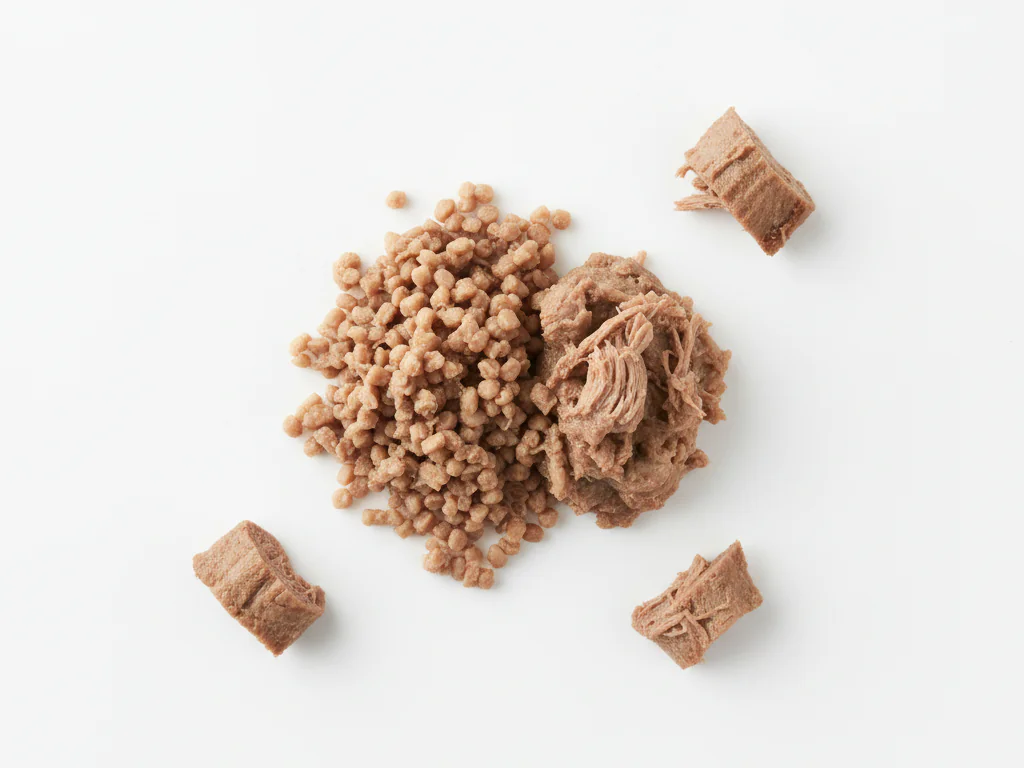
Puree cooked beef tongue until completely smooth, adding breast milk, formula, or cooking liquid to achieve a thin, easy-to-swallow consistency. You can mix it with vegetable purees like carrots or peas for added flavor and nutrients.
6 to 9 months

Puree cooked beef tongue until completely smooth, adding breast milk, formula, or cooking liquid to achieve a thin, easy-to-swallow consistency. You can mix it with vegetable purees like carrots or peas for added flavor and nutrients.

  • Simmer until fork-tender before pureeing
  • Strain the puree to remove any fibrous bits
  • Start with small servings (1-2 teaspoons)
  • Mix with familiar foods if needed
  • Serve at room temperature
Finely chop or shred cooked beef tongue into tiny, soft pieces. You can also mash it with a fork to a lumpy texture. Serve as finger food or mixed into soft dishes like oatmeal or mashed vegetables.
9 to 12 months

Finely chop or shred cooked beef tongue into tiny, soft pieces. You can also mash it with a fork to a lumpy texture. Serve as finger food or mixed into soft dishes like oatmeal or mashed vegetables.

  • Ensure pieces are no larger than a pea
  • Moisten with broth or sauce to prevent dryness
  • Combine with soft-cooked grains
  • Offer as part of a balanced meal
  • Let baby practice self-feeding with supervision
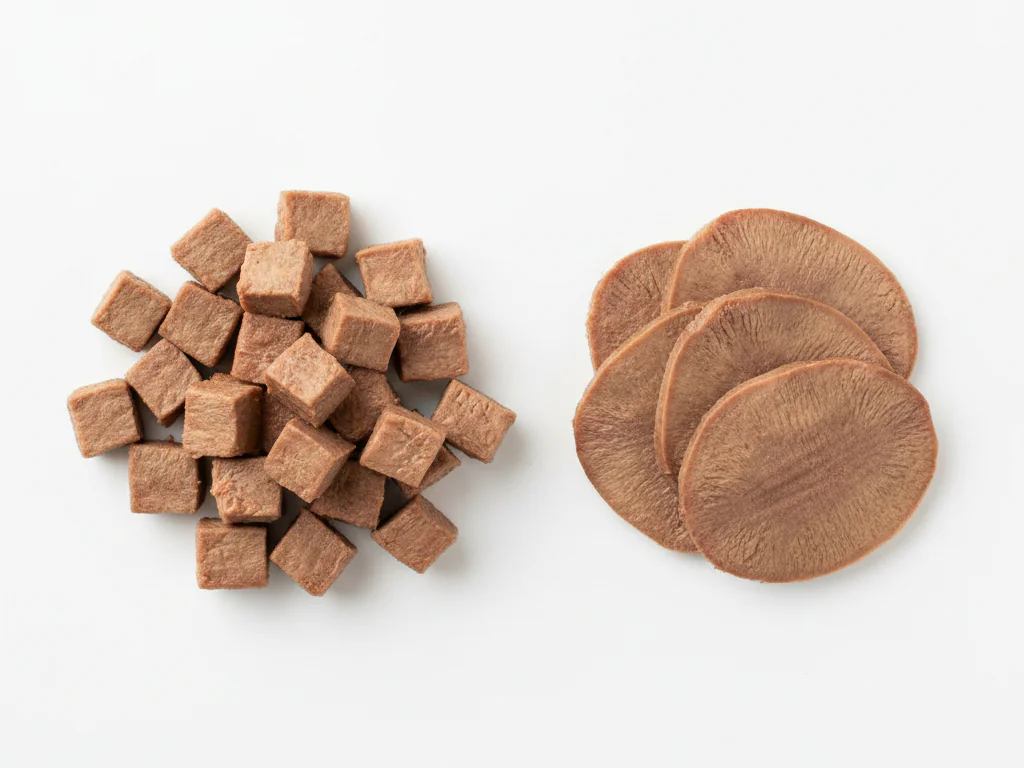
Cut cooked beef tongue into small, bite-sized pieces (about 1/2 inch cubes) that are soft enough to gum or chew. You can also slice it thinly for sandwiches or add it to stews and casseroles.
12 months +

Cut cooked beef tongue into small, bite-sized pieces (about 1/2 inch cubes) that are soft enough to gum or chew. You can also slice it thinly for sandwiches or add it to stews and casseroles.

  • Cook until easily pierced with a fork
  • Trim any remaining tough parts
  • Pair with dipping sauces like yogurt
  • Include in family meals
  • Encourage chewing with age-appropriate pieces

Safety & allergens

Choking risk: Medium

Beef tongue can be slippery and dense, so proper preparation is key. Always cook it until very tender, then cut it into age-appropriate sizes—starting with purees for younger babies and moving to small, soft pieces as they develop chewing skills. Supervise your baby closely during meals.

Not a common allergen

Beef tongue is not a top allergen. As with any new food, offer it on its own and watch for any reaction.

Vitamins & minerals

Beef tongue is an excellent source of iron, which is crucial for healthy blood development and preventing anemia in babies.[1] It also provides high-quality protein for growth, along with zinc for immune function and B vitamins like B12 for brain development.[2]

Vitamins
Vitamin VITAMIN B12Vitamin VITAMIN B2Vitamin VITAMIN B3Vitamin VITAMIN B5Vitamin VITAMIN B6
Minerals
IronZincSeleniumPhosphorus