FoodsHerb / SpiceGinger
Ginger

Herb / Spice

Ginger

Ginger is a warm, aromatic root that can add gentle flavor to your baby's meals. While not a major source of vitamins or minerals, it's valued for its digestive properties and can help soothe occasional tummy discomfort in babies.[1] Its unique spicy-sweet taste can introduce your little one to new flavors beyond the usual fruits and vegetables.

6m+Not a common allergenChoking risk: Low
First age6m+
CategoryHerb / Spice
Common allergenNo
Choking riskLow

When can babies eat Ginger?

You can introduce ginger around 6 months when starting solids, but use it sparingly as a flavoring rather than a main ingredient due to its strong taste.

How to serve Ginger by age

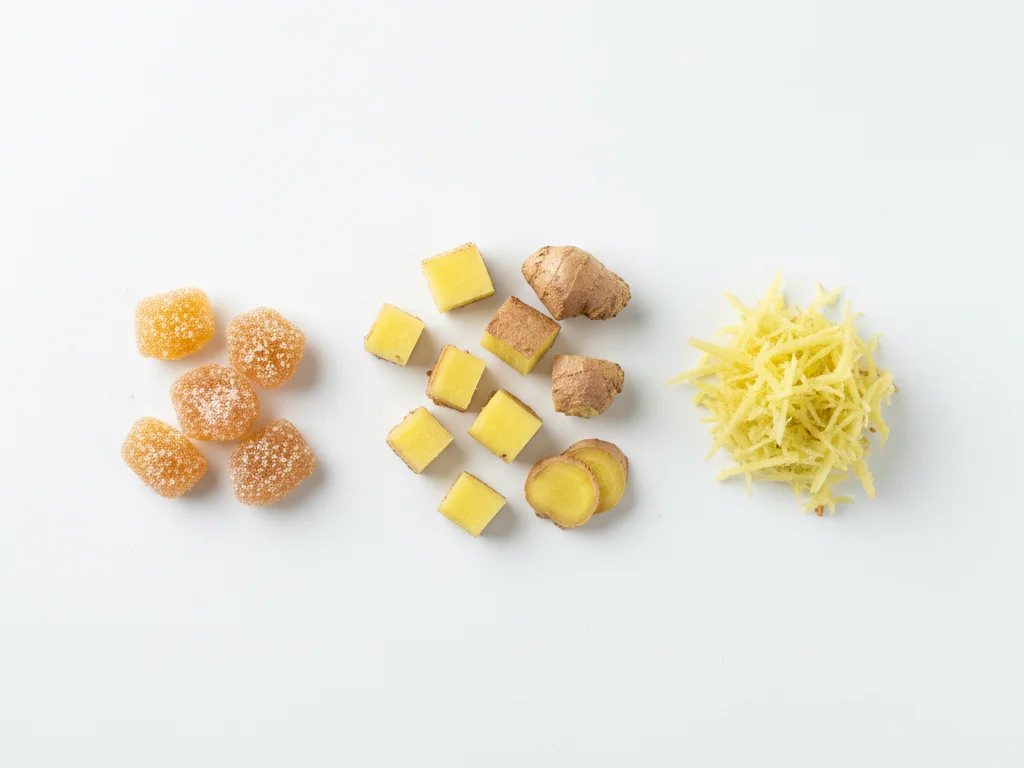
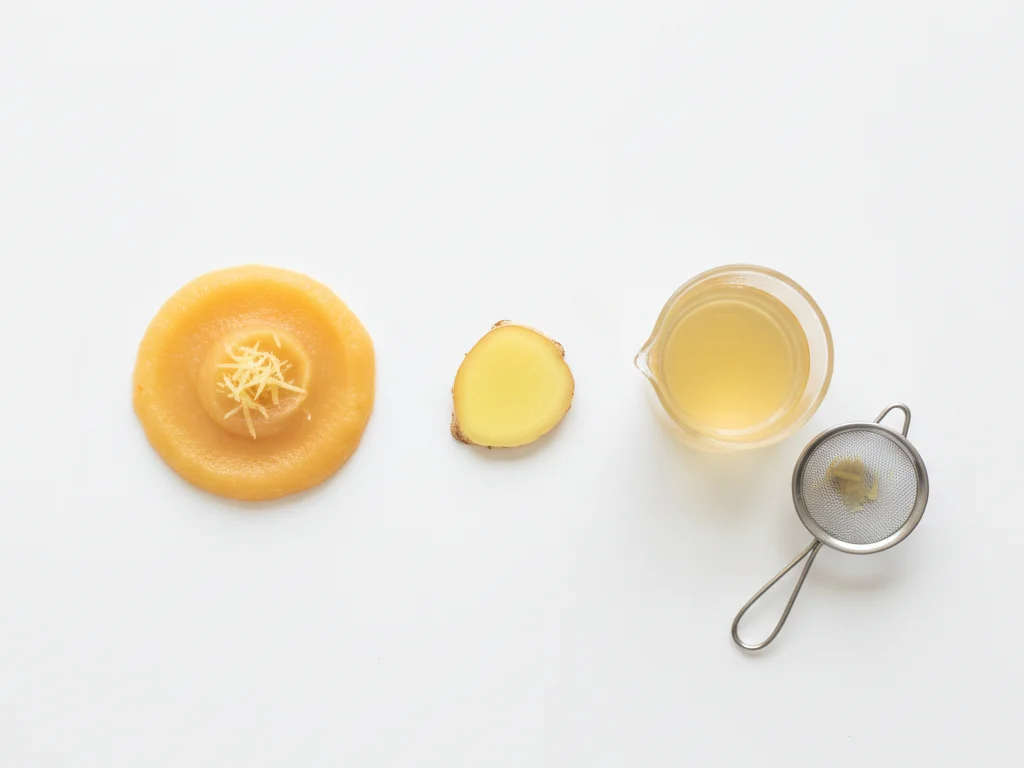
For 6-9 month olds, use ginger as a subtle flavoring in purees. Add a tiny pinch of finely grated ginger to fruit or vegetable purees. You can also make a weak ginger tea by simmering a thin slice in water for 5 minutes, then use the cooled liquid to thin purees.
6 to 9 months

For 6-9 month olds, use ginger as a subtle flavoring in purees. Add a tiny pinch of finely grated ginger to fruit or vegetable purees. You can also make a weak ginger tea by simmering a thin slice in water for 5 minutes, then use the cooled liquid to thin purees.

  • Start with just 1/8 teaspoon of grated ginger per serving
  • Mix ginger into sweet purees like pear or apple to balance the flavor
  • Always peel ginger before using to remove any dirt or pesticides
  • Test the flavor yourself first - it should be barely noticeable
  • Introduce ginger separately from other new foods to monitor reactions
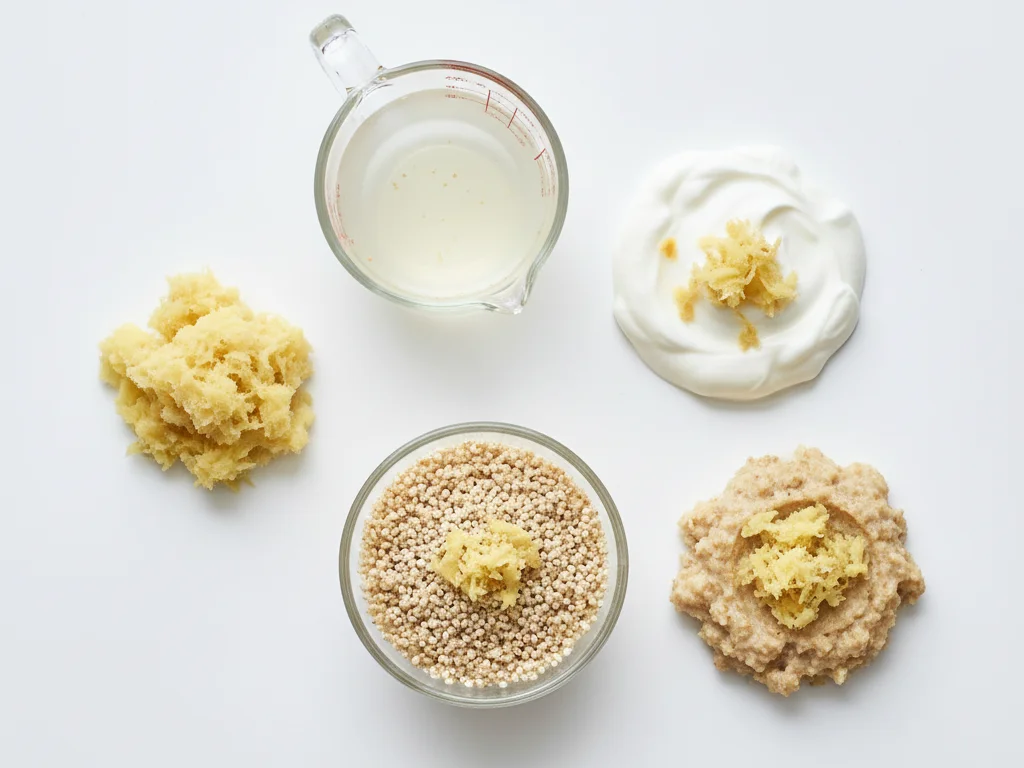
For 9-12 month olds, you can use slightly more ginger as their taste buds develop. Add grated ginger to oatmeal, yogurt, or mashed foods. You can also make ginger-infused water to cook grains like rice or quinoa.
9 to 12 months

For 9-12 month olds, you can use slightly more ginger as their taste buds develop. Add grated ginger to oatmeal, yogurt, or mashed foods. You can also make ginger-infused water to cook grains like rice or quinoa.

  • Increase to 1/4 teaspoon grated ginger per serving if tolerated
  • Try ginger in savory combinations like carrot-ginger or sweet potato-ginger
  • Make ginger carrot sticks by steaming carrot sticks with a slice of ginger
  • Add ginger to homemade teething biscuits for subtle flavor
  • Watch for any signs the flavor is too strong (spitting out, grimacing)
For toddlers 12 months and up, ginger can be used more liberally in family meals. Add it to stir-fries, soups, baked goods, and smoothies. You can also offer small pieces of crystallized ginger as an occasional treat.
12 months +

For toddlers 12 months and up, ginger can be used more liberally in family meals. Add it to stir-fries, soups, baked goods, and smoothies. You can also offer small pieces of crystallized ginger as an occasional treat.

  • Use ginger in family meals like ginger chicken or ginger vegetable stir-fry
  • Make ginger pancakes or muffins for a flavorful breakfast
  • Add fresh ginger to fruit smoothies for a zesty kick
  • Try ginger in homemade popsicles with fruit puree
  • Remember that ginger flavor intensifies when cooked - start with less

Safety & allergens

Choking risk: Low

Ginger is typically used in small amounts as a flavoring, so choking risk is low. Always grate or finely mince fresh ginger before adding to baby food. Avoid giving large pieces of raw ginger to babies.

Not a common allergen

Ginger is not a top allergen. As with any new food, offer it on its own and watch for any reaction.

Vitamins & minerals

Ginger contains compounds called gingerols that have anti-inflammatory properties and may help with digestion.[1] While not rich in vitamins, it provides small amounts of potassium and magnesium, which support healthy muscle and nerve function.[2]

Minerals
PotassiumMagnesium

Pairs well with