Gnocchi

Grain

Gnocchi

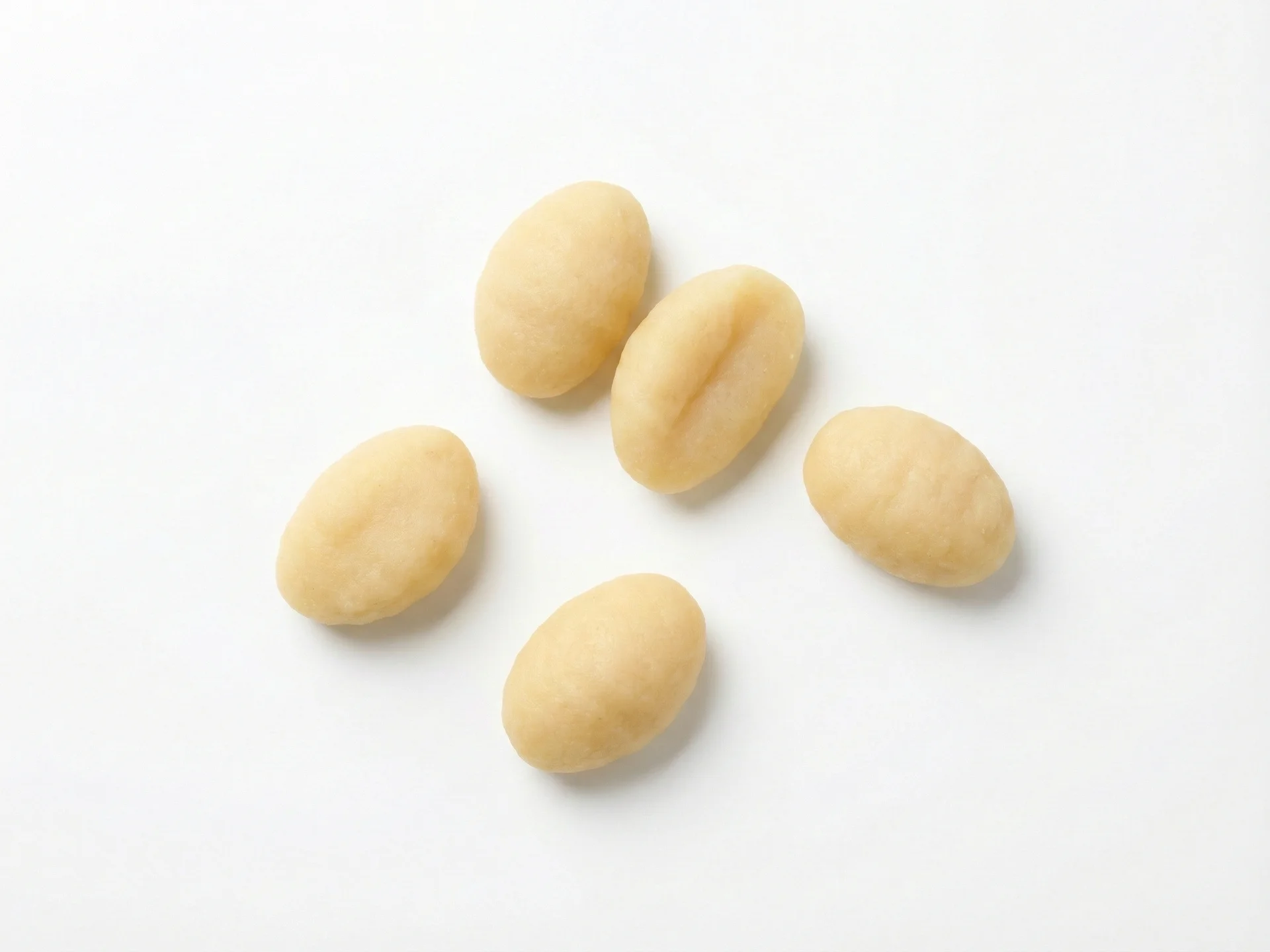
Gnocchi are soft, pillowy potato dumplings that many babies enjoy for their mild flavor and easy-to-manage texture. They're made primarily from potatoes and wheat flour, providing energy from carbohydrates and some important B vitamins1. Their softness makes them a great finger food option once babies are ready for more textured foods.

PPippin Feeding TeamReviewed by feeding specialists · Updated January 2026
First age6m+
CategoryGrain
Common allergenYes
Choking riskMedium

When can babies eat Gnocchi?

Gnocchi can be introduced around 6 months when babies start solids, as long as they're prepared safely to minimize choking risk. Since they contain wheat, a common allergen, follow standard allergen introduction guidelines.

Storage tip

Store uncooked gnocchi in the refrigerator for up to 2 days or freeze for 2-3 months. Cooked gnocchi should be refrigerated and eaten within 2 days.

How to serve Gnocchi by age

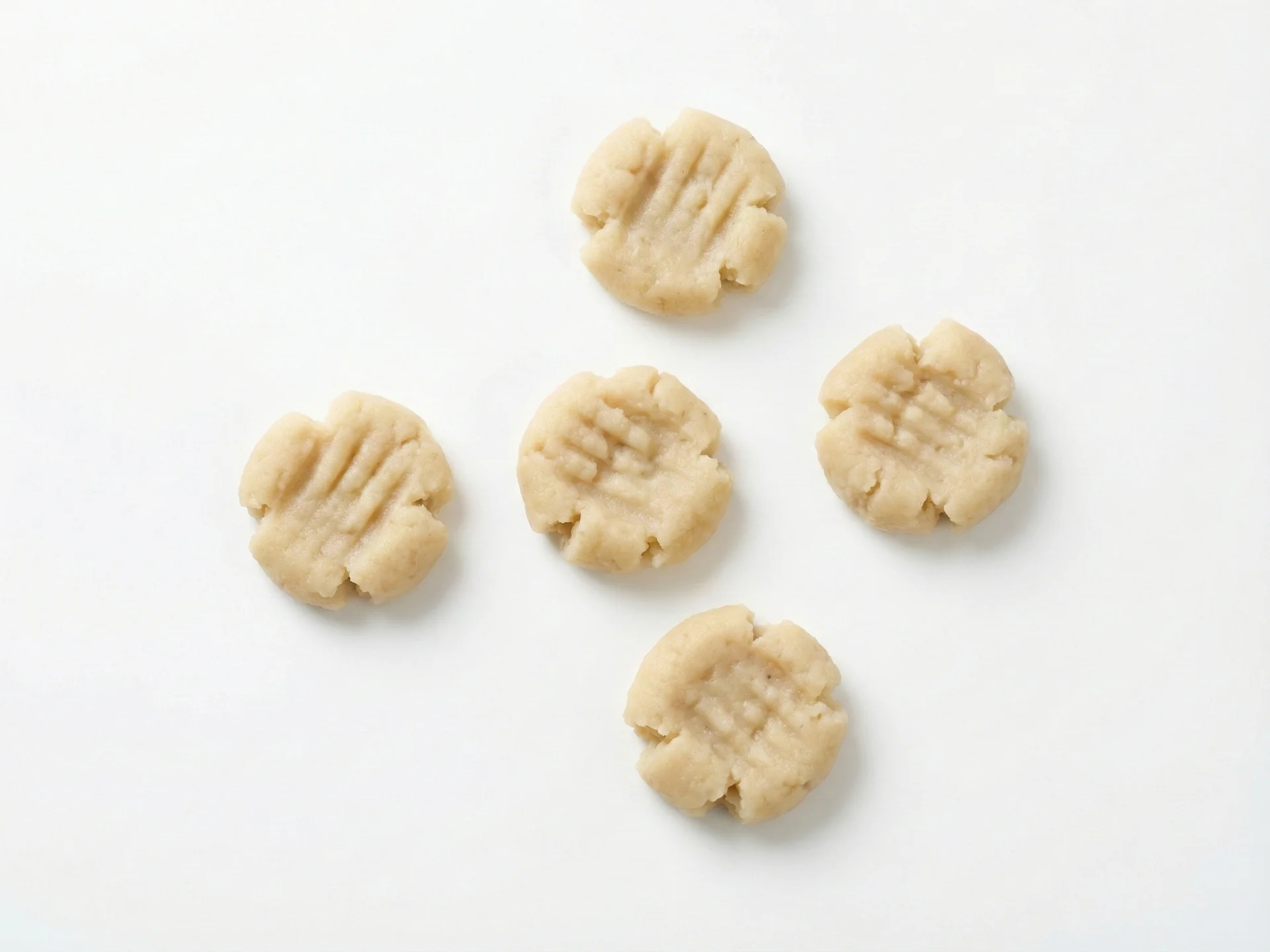
Cook gnocchi until very soft and mushy, then cut into small, pea-sized pieces or flatten with a fork to create thin, manageable shapes. Serve plain or with a light smear of sauce to avoid stickiness, ensuring it's easy to pick up and chew without posing a choking hazard.8 to 12 months

Cook gnocchi until very soft and mushy, then cut into small, pea-sized pieces or flatten with a fork to create thin, manageable shapes. Serve plain or with a light smear of sauce to avoid stickiness, ensuring it's easy to pick up and chew without posing a choking hazard.

  • Boil until it floats and is tender when pressed
  • Cut into pieces no larger than a pea
  • Avoid adding salt or heavy sauces
  • Test softness by mashing between your fingers
  • Serve cool to prevent burns
Serve gnocchi in slightly larger, bite-sized pieces or whole if soft enough, as toddlers have better chewing skills. You can introduce more variety with mild sauces or mixed with vegetables, but continue to ensure it's cooked thoroughly to maintain a soft texture.12 months +

Serve gnocchi in slightly larger, bite-sized pieces or whole if soft enough, as toddlers have better chewing skills. You can introduce more variety with mild sauces or mixed with vegetables, but continue to ensure it's cooked thoroughly to maintain a soft texture.

  • Cook until soft but can hold shape
  • Cut into bite-sized chunks for self-feeding
  • Mix with steamed veggies for added nutrition
  • Use as a base for protein like shredded chicken
  • Monitor for overstuffing in the mouth

Safety & allergens

Choking risk: Medium

Gnocchi can be a choking hazard if served whole to young babies because of their round, dense shape. Always cut them into small pieces appropriate for your baby's age and development. Make sure they're cooked until very soft and slightly mushy, not firm or chewy.

Common allergen

Wheat allergy affects about 0.5-1% of children, though many outgrow it by school age2.

Watch for symptoms:

  • Hives
  • Swelling (especially of the face)
  • Digestive upset
  • Difficulty breathing

Introduce a small amount of wheat-containing gnocchi and watch for reactions over the next few hours. If there's no reaction, you can gradually increase the amount. Consult your pediatrician if you have concerns about food allergies or if there's a family history of wheat allergy3.

Vitamins & minerals

Gnocchi provide B vitamins that help convert food into energy for your growing baby1. The iron content supports healthy blood development and oxygen transport throughout the body4, while potassium helps maintain proper fluid balance and supports muscle function5.

Vitamins
Vitamin B1Vitamin B2Vitamin B3Vitamin B9
Minerals
IronPotassiumPhosphorusSelenium

Nutritional synergy

Pair gnocchi with vitamin C-rich foods like tomato sauce or bell peppers to enhance iron absorption6. The vitamin C helps convert plant-based iron into a form that's easier for your baby's body to use.

Common questions

Should I make homemade gnocchi or use store-bought for my baby?

Both can work! Store-bought gnocchi are convenient, but check labels for added salt. Homemade lets you control ingredients—you can use whole wheat flour for extra fiber or skip egg if avoiding allergens. Either way, cook until very soft.

My baby seems to have trouble chewing gnocchi. What should I do?

Try mashing them with a fork or cutting them into smaller pieces. You can also mix them into a soft vegetable puree to make them easier to swallow. As with any new texture, go slowly and watch for signs your baby is ready.

Can I add sauce to gnocchi for my baby?

Yes! Simple tomato sauce, pesto (without nuts if concerned about allergies), or just a drizzle of olive oil can make gnocchi more appealing. Avoid adding salt or sugar—let your baby enjoy the natural flavors.

Sources & references

  1. 1USDA FoodData Central, 2024
  2. 2Sicherer et al., 2014
  3. 3American Academy of Pediatrics, 2020
  4. 4Domellöf et al., 2014
  5. 5Institute of Medicine, 2005
  6. 6Hurrell et al., 2010