FoodsVegetableFiddlehead fern
Fiddlehead fern

Vegetable

Fiddlehead fern

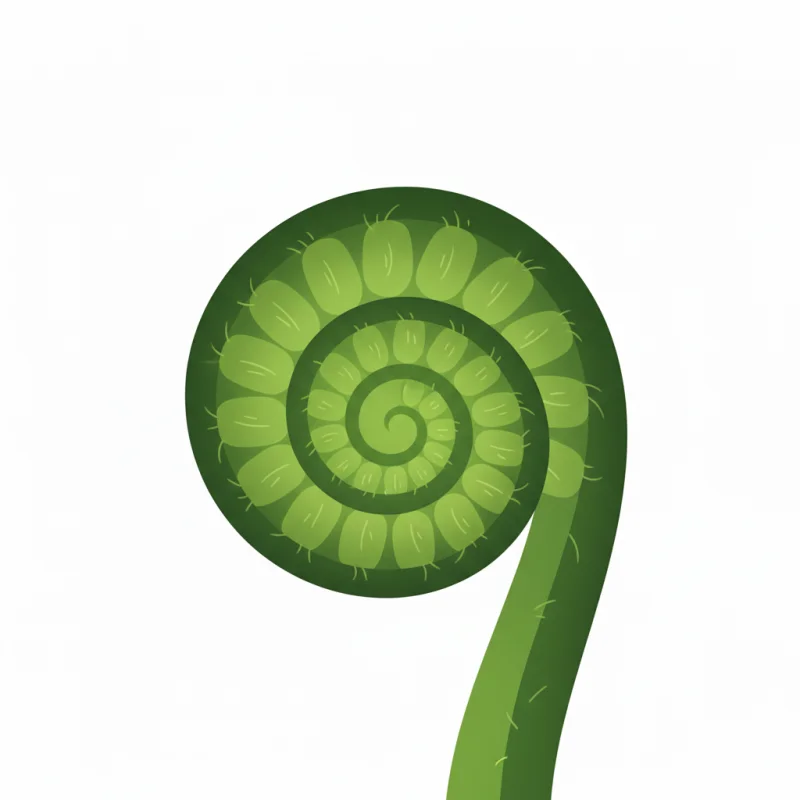
Fiddlehead ferns are a unique spring vegetable with a delicate, slightly nutty flavor and tender texture that many babies enjoy. They're packed with vitamins and minerals that support your baby's growth, including vitamin A for healthy vision[1] and iron for red blood cell production[2]. Their mild taste makes them a great way to introduce new flavors to your little one's palate.

6m+Not a common allergenChoking risk: Low
First age6m+
CategoryVegetable
Common allergenNo
Choking riskLow

When can babies eat Fiddlehead fern?

You can introduce fiddlehead ferns around 6 months when your baby starts solids, as long as they're thoroughly cooked to ensure safety and digestibility.

How to serve Fiddlehead fern by age

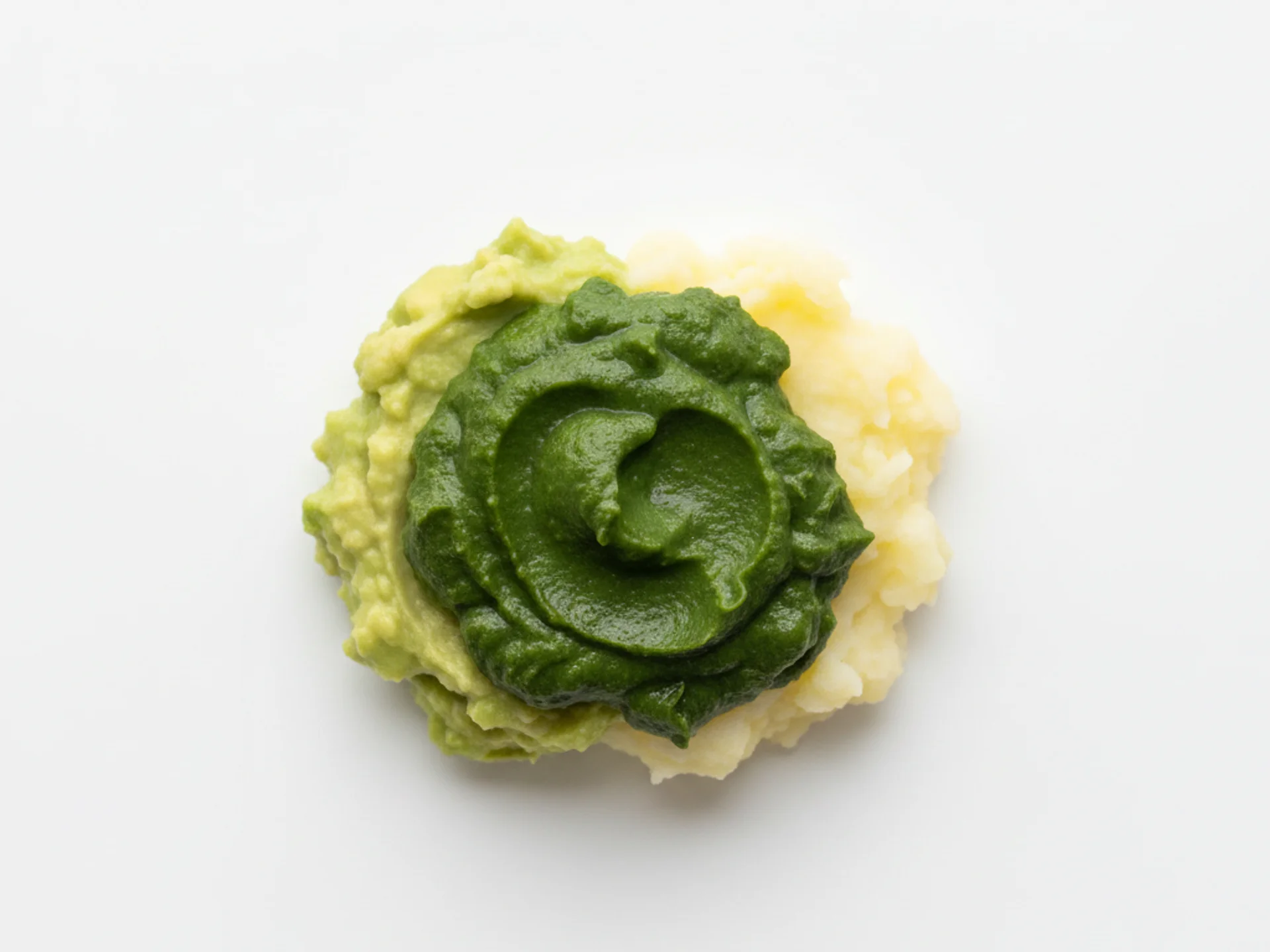
For babies 8-12 months, cook fiddleheads until very soft and mash them into a smooth puree or mix with other soft foods like mashed potatoes or avocado. The texture should be completely smooth with no fibrous pieces that could pose a choking hazard.
8 to 12 months

For babies 8-12 months, cook fiddleheads until very soft and mash them into a smooth puree or mix with other soft foods like mashed potatoes or avocado. The texture should be completely smooth with no fibrous pieces that could pose a choking hazard.

  • Steam fiddleheads for 12-15 minutes until fork-tender
  • Use a food processor or blender to create a smooth puree
  • Mix with breast milk, formula, or water to achieve desired consistency
  • Start with small amounts (1-2 teaspoons) to check for tolerance
  • Combine with familiar foods like sweet potato or banana to ease introduction
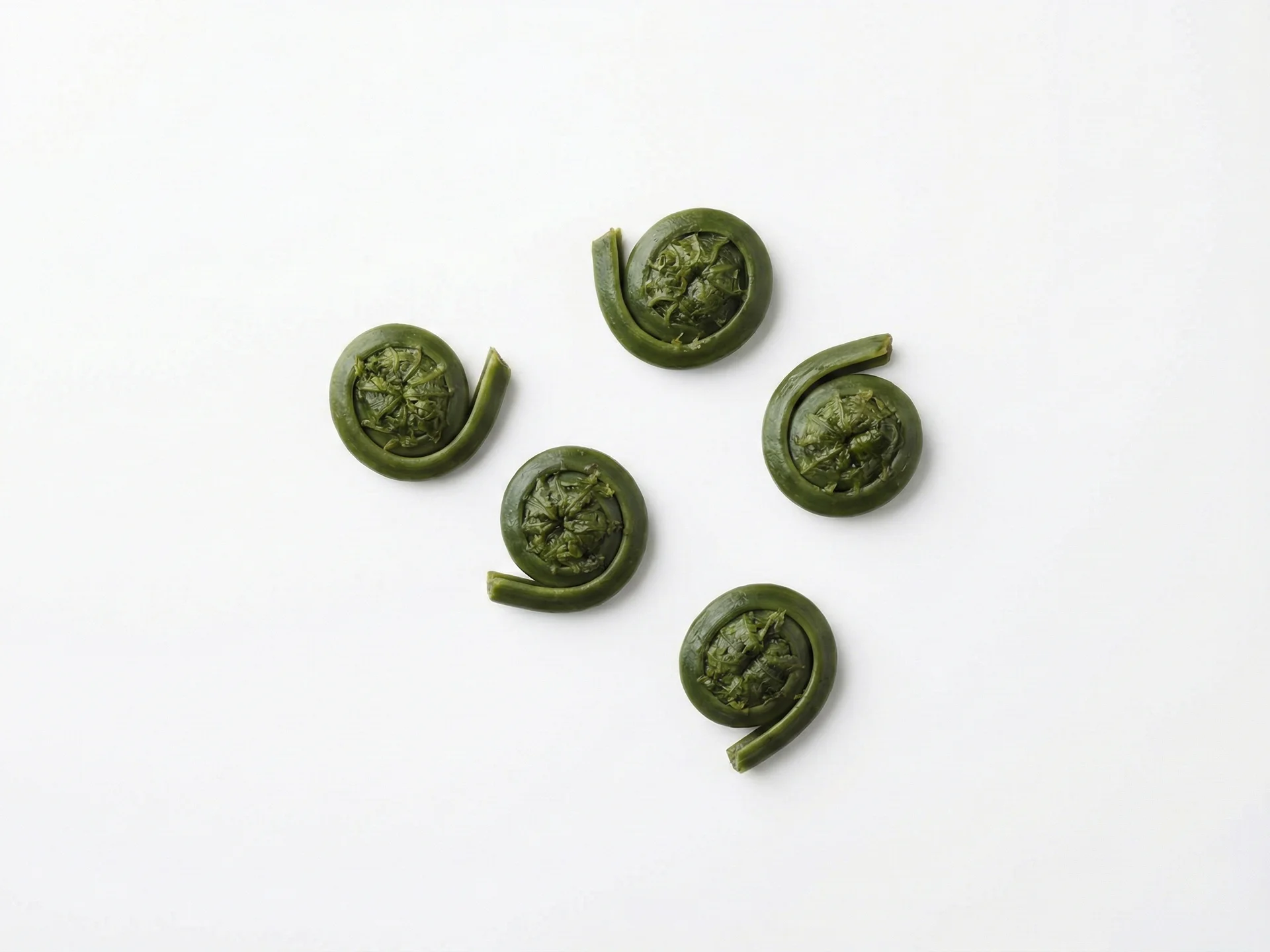
For toddlers 12 months and older, you can offer cooked fiddleheads cut into small, bite-sized pieces. Ensure they're cooked until soft but still retain some texture to encourage chewing practice. You can also incorporate them into mixed dishes like omelets, pasta, or rice bowls.
12 months +

For toddlers 12 months and older, you can offer cooked fiddleheads cut into small, bite-sized pieces. Ensure they're cooked until soft but still retain some texture to encourage chewing practice. You can also incorporate them into mixed dishes like omelets, pasta, or rice bowls.

  • Chop cooked fiddleheads into pea-sized pieces
  • Sauté with garlic and olive oil for added flavor
  • Mix into scrambled eggs or omelets
  • Add to pasta sauces or rice dishes
  • Offer as finger food alongside other familiar vegetables

Safety & allergens

Choking risk: Low

Fiddleheads are low choking risk when properly prepared. For babies, always cook them until very soft and puree or mash them completely. As your baby gets older and can handle more texture, you can finely chop cooked fiddleheads to practice chewing skills.

Not a common allergen

Fiddlehead fern is not a top allergen. As with any new food, offer it on its own and watch for any reaction.

Vitamins & minerals

Fiddlehead ferns offer a nutritional boost for growing babies. They provide vitamin C which supports immune function[3] and helps with iron absorption[4], making the iron in fiddleheads more available to your baby's body. The B vitamins in fiddleheads, including B2 (riboflavin) and B3 (niacin), help convert food into energy[5], while vitamin B9 (folate) is essential for cell growth and development[6].

Vitamins
Vitamin VITAMIN AVitamin VITAMIN CVitamin VITAMIN B2Vitamin VITAMIN B3Vitamin VITAMIN B9
Minerals
IronPotassiumManganeseCopperPhosphorus