FoodsDairyFontina
Fontina

Dairy

Fontina

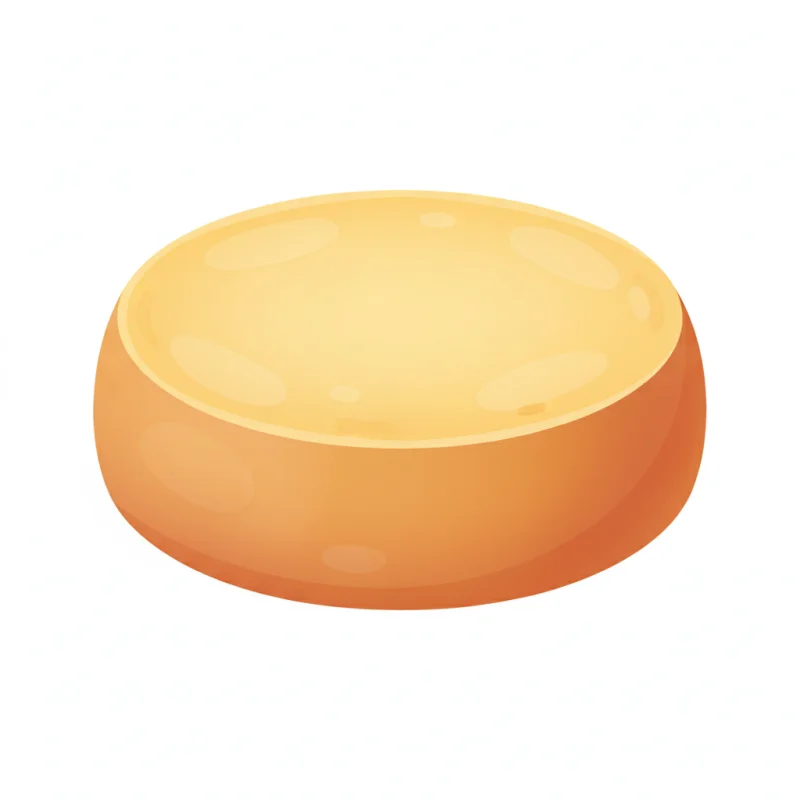
Fontina is a creamy, semi-soft cheese from Italy with a mild, nutty flavor that many babies enjoy. It's a great source of calcium for building strong bones and teeth[1], and provides vitamin B12 which supports healthy brain development[2]. The smooth texture makes it easy for little ones to manage when prepared appropriately.

6m+Common allergenChoking risk: Medium
First age6m+
CategoryDairy
Common allergenYes
Choking riskMedium

When can babies eat Fontina?

You can introduce Fontina around 6 months when starting solids, as long as your baby shows readiness signs like sitting with support and showing interest in food. Always introduce dairy products one at a time to monitor for reactions.

How to serve Fontina by age

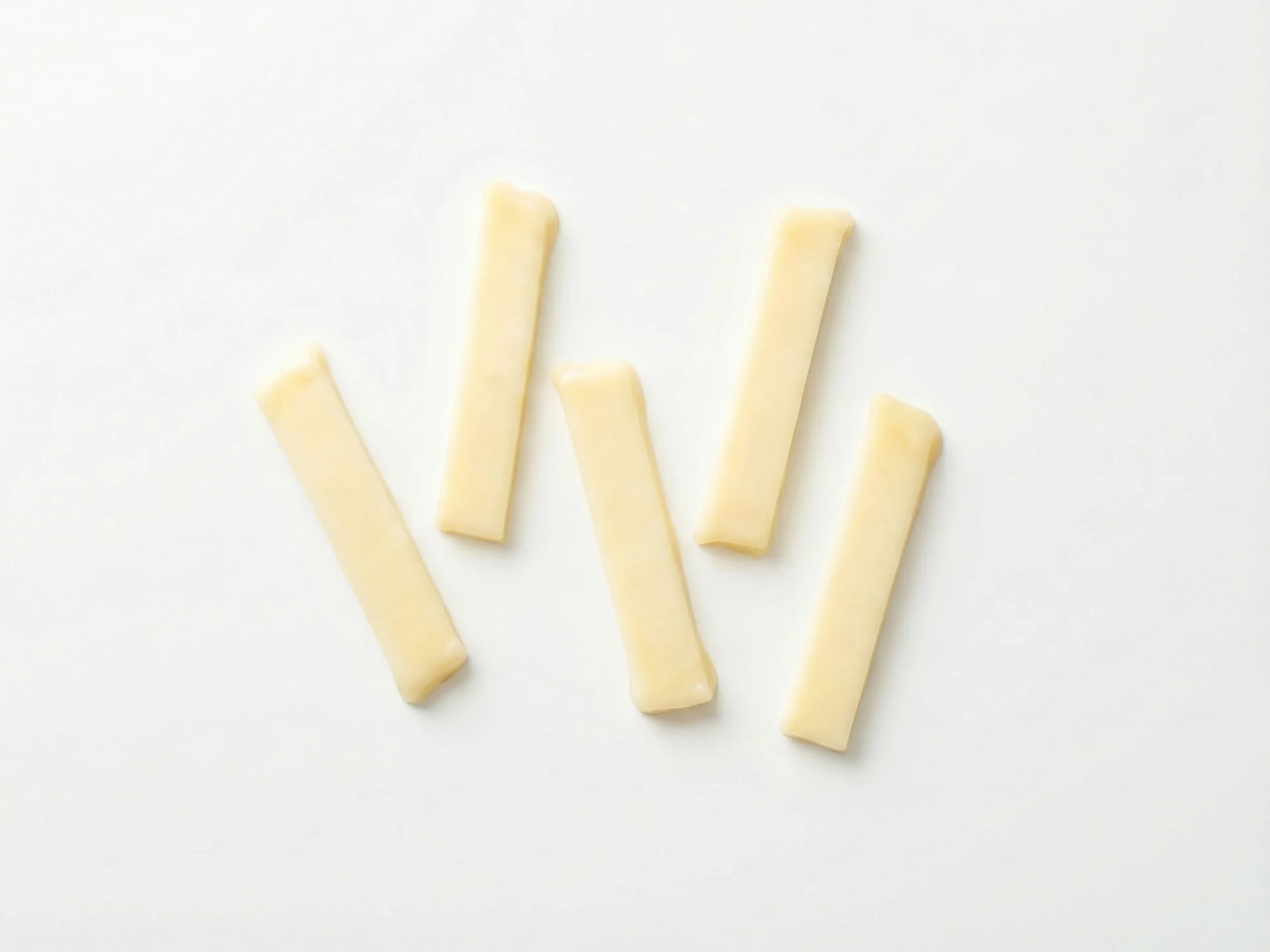
For babies 12-18 months, serve Fontina in thin, flat strips or small, meltable pieces about the size of a fingertip. You can also grate it finely and sprinkle over soft foods like mashed potatoes or steamed vegetables. Ensure it's at room temperature or slightly warmed to soften the texture.
12 to 18 months

For babies 12-18 months, serve Fontina in thin, flat strips or small, meltable pieces about the size of a fingertip. You can also grate it finely and sprinkle over soft foods like mashed potatoes or steamed vegetables. Ensure it's at room temperature or slightly warmed to soften the texture.

  • Cut into strips no larger than your pinky finger
  • Melt into omelets or pasta for easy eating
  • Avoid large chunks that could pose a choking hazard
  • Pair with soft fruits or veggies to balance the flavor
  • Monitor for any signs of dairy sensitivity
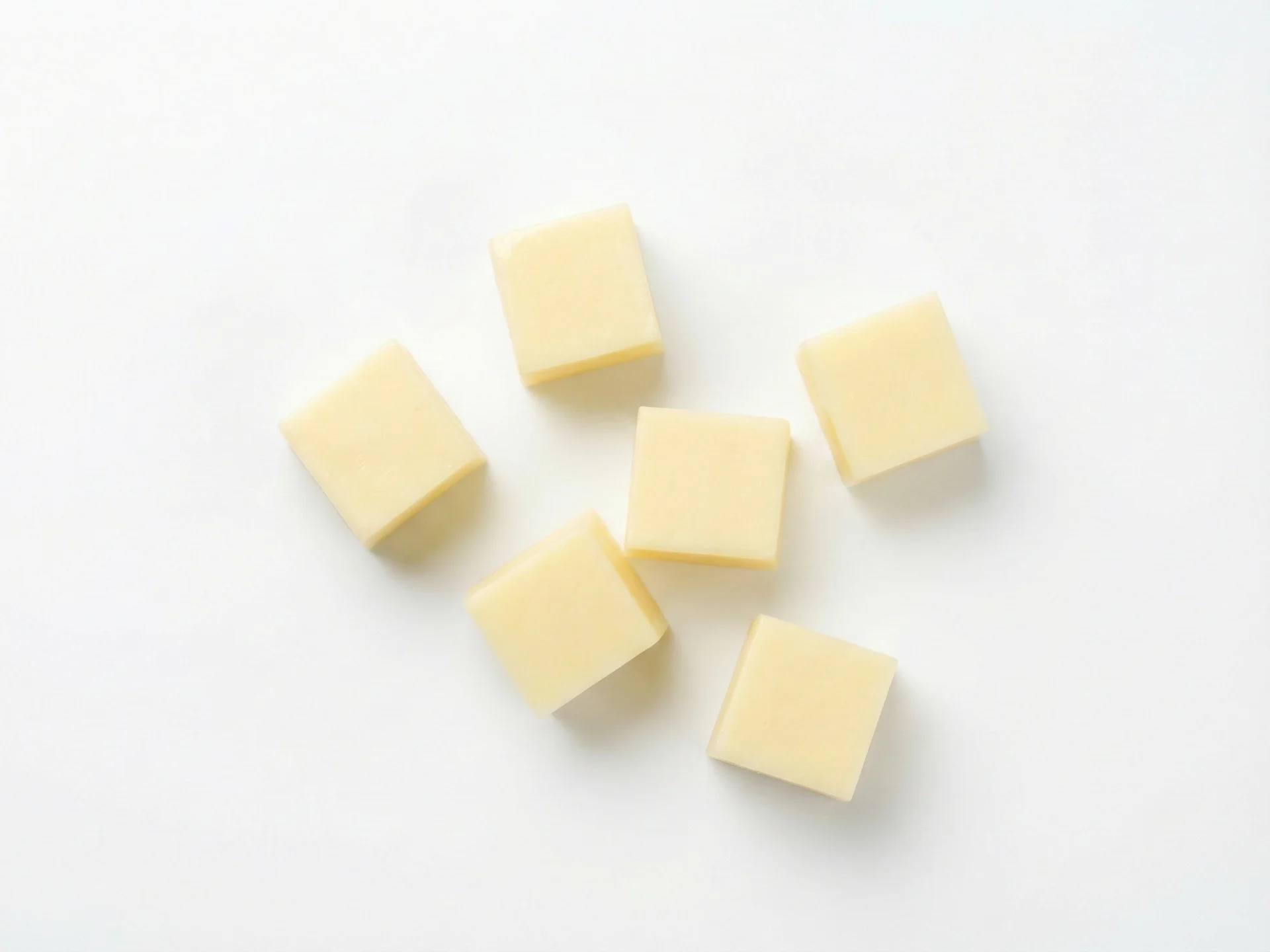
For toddlers 18 months and up, you can offer slightly larger pieces of Fontina, such as small cubes or slices, as their chewing skills improve. It can be used in sandwiches, melted on whole-grain crackers, or added to casseroles. Continue to avoid very hard or thick pieces.
18 months +

For toddlers 18 months and up, you can offer slightly larger pieces of Fontina, such as small cubes or slices, as their chewing skills improve. It can be used in sandwiches, melted on whole-grain crackers, or added to casseroles. Continue to avoid very hard or thick pieces.

  • Introduce as part of balanced meals with fruits and vegetables
  • Use in cooked dishes like quesadillas or baked pasta
  • Encourage self-feeding with child-safe utensils
  • Offer water alongside to help with swallowing
  • Be mindful of portion size due to sodium content

Safety & allergens

Choking risk: Medium

Fontina can be a choking hazard if served in large chunks or when it's too firm. Always serve it melted, grated into fine pieces, or cut into very small, soft cubes appropriate for your baby's age. Avoid serving cold, hard pieces that could break off in large chunks.

Common allergen

Cow's milk allergy affects about 2-3% of infants and young children[3].

Vitamins & minerals

Fontina provides calcium essential for bone mineralization and growth[1], along with phosphorus that works with calcium to strengthen bones[5]. The vitamin B12 supports neurological development and red blood cell formation[2], while vitamin A contributes to healthy vision and immune function[6].

Vitamins
Vitamin VITAMIN AVitamin VITAMIN B2Vitamin VITAMIN B12
Minerals
CalciumPhosphorusSodium

Pairs well with