Neufchâtel

Dairy

Neufchâtel

Neufchâtel is a soft, creamy cheese that's similar to cream cheese but with a slightly tangier flavor and lower fat content. It's a wonderful way to introduce dairy to your baby, providing essential nutrients for growth and development. The smooth texture makes it easy for little ones to eat, and it can be mixed with fruits or vegetables to create tasty combinations.

PPippin Feeding TeamReviewed by feeding specialists · Updated January 2026
First age6m+
CategoryDairy
Common allergenYes
Choking riskLow

When can babies eat Neufchâtel?

You can introduce Neufchâtel around 6 months when starting solids, as long as your baby shows readiness signs like sitting up with support and showing interest in food. Always choose pasteurized versions to ensure safety.

Storage tip

Keep Neufchâtel tightly wrapped in the refrigerator and use within 1-2 weeks after opening. For longer storage, you can freeze it in small portions for up to 2 months, though the texture may become slightly grainy after thawing.

How to serve Neufchâtel by age

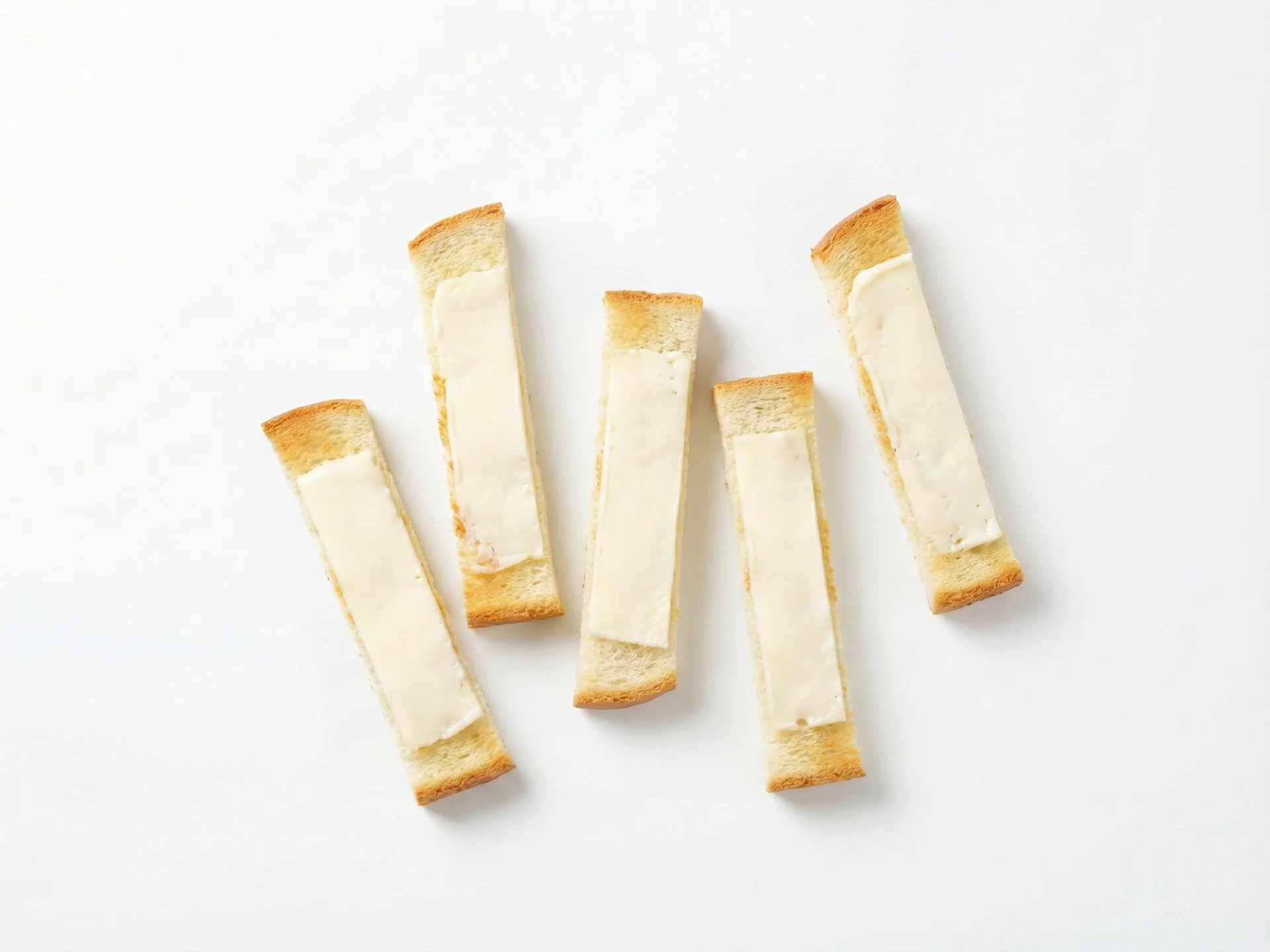
For babies 12-18 months, spread a thin layer of Neufchâtel on lightly toasted bread strips or soft crackers. The toast should be firm enough to hold but soft enough to gum easily. You can also mix a small amount into mashed vegetables or spread on cucumber slices.12 to 18 months

For babies 12-18 months, spread a thin layer of Neufchâtel on lightly toasted bread strips or soft crackers. The toast should be firm enough to hold but soft enough to gum easily. You can also mix a small amount into mashed vegetables or spread on cucumber slices.

  • Always toast bread first to reduce sogginess and choking risk
  • Cut bread into finger-sized strips for easy grasping
  • Spread cheese thinly - no thicker than a credit card
  • Mix with mashed avocado for added nutrition and easier spreading
  • Supervise closely as the sticky texture requires careful chewing
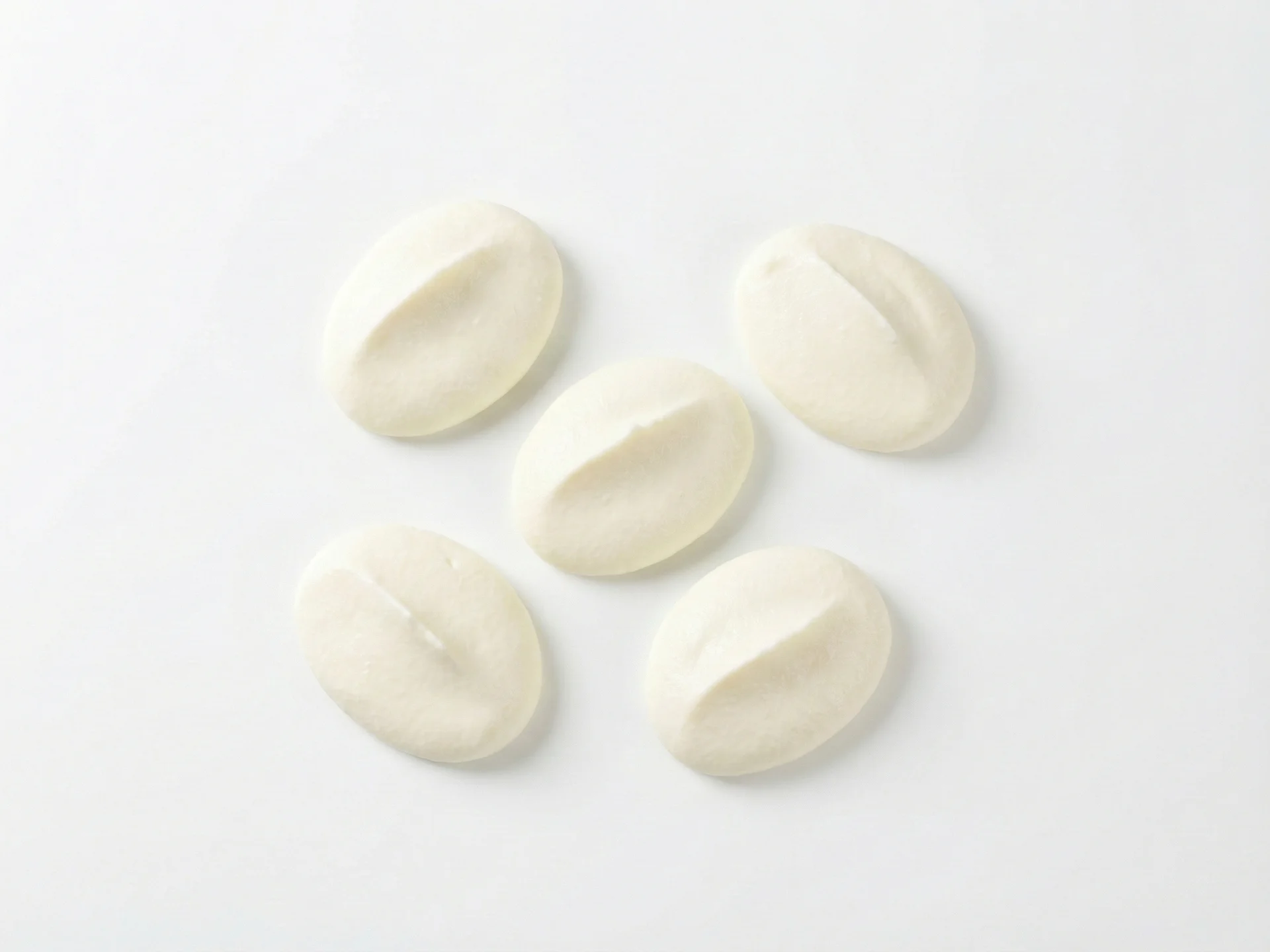
For toddlers 18 months and up, Neufchâtel can be used more creatively in sandwiches, as a dip for vegetables, or in cooked dishes. You can offer slightly thicker spreads and incorporate it into more complex meals as chewing skills improve.18 months +

For toddlers 18 months and up, Neufchâtel can be used more creatively in sandwiches, as a dip for vegetables, or in cooked dishes. You can offer slightly thicker spreads and incorporate it into more complex meals as chewing skills improve.

  • Use as a sandwich spread with thinly sliced vegetables
  • Create fun shapes with cookie cutters on whole grain bread
  • Mix with herbs for flavor variety
  • Use as a base for vegetable dips
  • Incorporate into cooked casseroles or pasta dishes

Safety & allergens

Choking risk: Low

Neufchâtel has a soft, spreadable texture that poses minimal choking risk when served appropriately. For younger babies, mix it with other pureed foods to create a smooth consistency. Avoid serving large chunks or letting it become too thick and sticky, which could be difficult to swallow.

Common allergen

Cow's milk allergy affects about 2-3% of infants and young children.1

Watch for symptoms:

  • Hives
  • Swelling of lips or face
  • Vomiting or diarrhea
  • Wheezing or difficulty breathing

Introduce a small amount (about ½ teaspoon) of Neufchâtel and wait 3-5 days before offering more or trying other new foods. This helps identify any potential reaction. If there's a family history of milk allergy or your baby has eczema, consult your pediatrician before introduction.2

Vitamins & minerals

Neufchâtel provides important nutrients for your baby's development. The calcium and phosphorus work together to build strong bones and teeth.3 Vitamin A supports healthy vision and immune function, while Vitamin B12 is essential for brain development and nervous system health.4

Vitamins
Vitamin AVitamin B2Vitamin B12
Minerals
CalciumPhosphorusSodium

Nutritional synergy

Pair Neufchâtel with vitamin C-rich foods like strawberries or oranges to enhance iron absorption from other foods in the meal.5

Common questions

How is Neufchâtel different from regular cream cheese?

Neufchâtel has a similar texture but contains about ⅓ less fat than regular cream cheese. It's also slightly tangier in flavor. Both are safe for babies when pasteurized, but Neufchâtel's lower fat content might be preferable for some families.

What if my baby doesn't like the tangy flavor?

Try mixing Neufchâtel with sweeter fruits like mashed banana or applesauce to balance the flavor. You can also start with very small amounts mixed into foods your baby already enjoys. Remember, it can take 10-15 exposures for babies to accept new flavors.

Can I use Neufchâtel in cooked dishes for my baby?

Yes! Neufchâtel melts beautifully and can be added to scrambled eggs, pasta sauces, or vegetable purees. Just ensure any cooked dish has cooled to a safe temperature before serving to your baby.

Sources & references

  1. 1Sicherer & Sampson, 2018
  2. 2American Academy of Pediatrics, 2020
  3. 3Weaver, 2014
  4. 4Allen, 2009
  5. 5Teucher et al., 2004