
Soy yogurt

Bean

Soy yogurt

Soy yogurt is a creamy, tangy dairy-free option that's perfect for introducing new textures and flavors to your baby. It's packed with nutrients that support your little one's growth, including calcium for strong bones1 and protein for healthy development2. Many babies enjoy its smooth consistency, making it a great addition to their expanding palate.

PPippin Feeding TeamReviewed by feeding specialists · Updated July 2026
First age6m+
CategoryBean
Common allergenYes
Choking riskLow

When can babies eat Soy yogurt?

You can introduce soy yogurt around 6 months when starting solids, but since soy is a common allergen, it's best to introduce it after your baby has tried a few other single-ingredient foods first.

Storage tip

Keep soy yogurt refrigerated and use it by the 'use by' date on the package. Once opened, it's best consumed within 3-5 days. You can also freeze it in ice cube trays for up to 2 months for easy portioning.

How to serve Soy yogurt by age

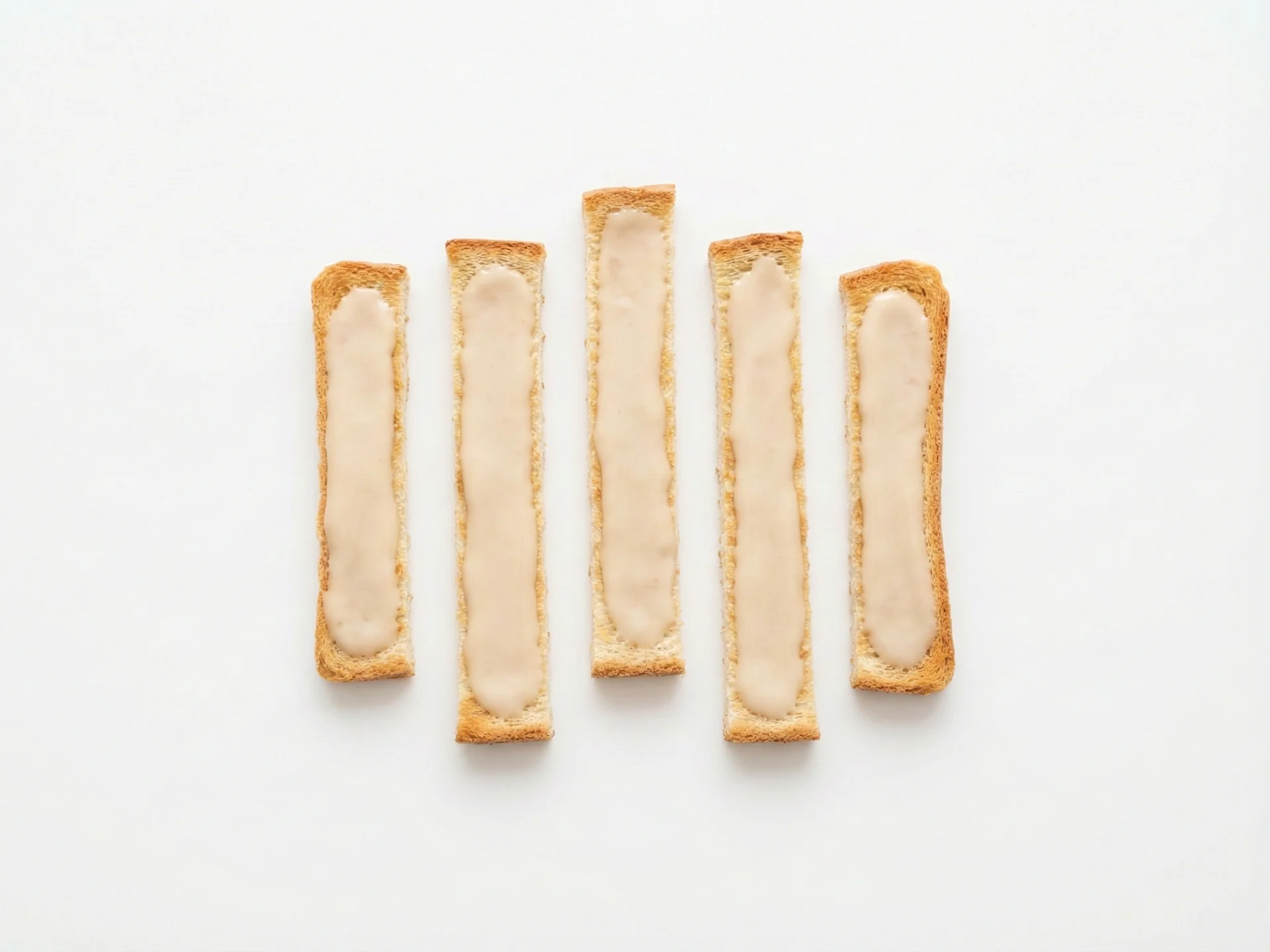
Offer soy yogurt on a pre-loaded spoon that your baby can grasp, or spread it thinly on toast strips for easy handling. The texture should be smooth and creamy without any lumps. You can also mix it with breast milk or formula to thin it slightly if needed.6 to 9 months

Offer soy yogurt on a pre-loaded spoon that your baby can grasp, or spread it thinly on toast strips for easy handling. The texture should be smooth and creamy without any lumps. You can also mix it with breast milk or formula to thin it slightly if needed.

  • Use a short, fat-handled spoon for easy gripping
  • Spread yogurt on toast fingers rather than offering bowls
  • Start with small amounts to minimize mess
  • Choose plain, unsweetened varieties only
  • Monitor closely during first introductions due to allergen potential
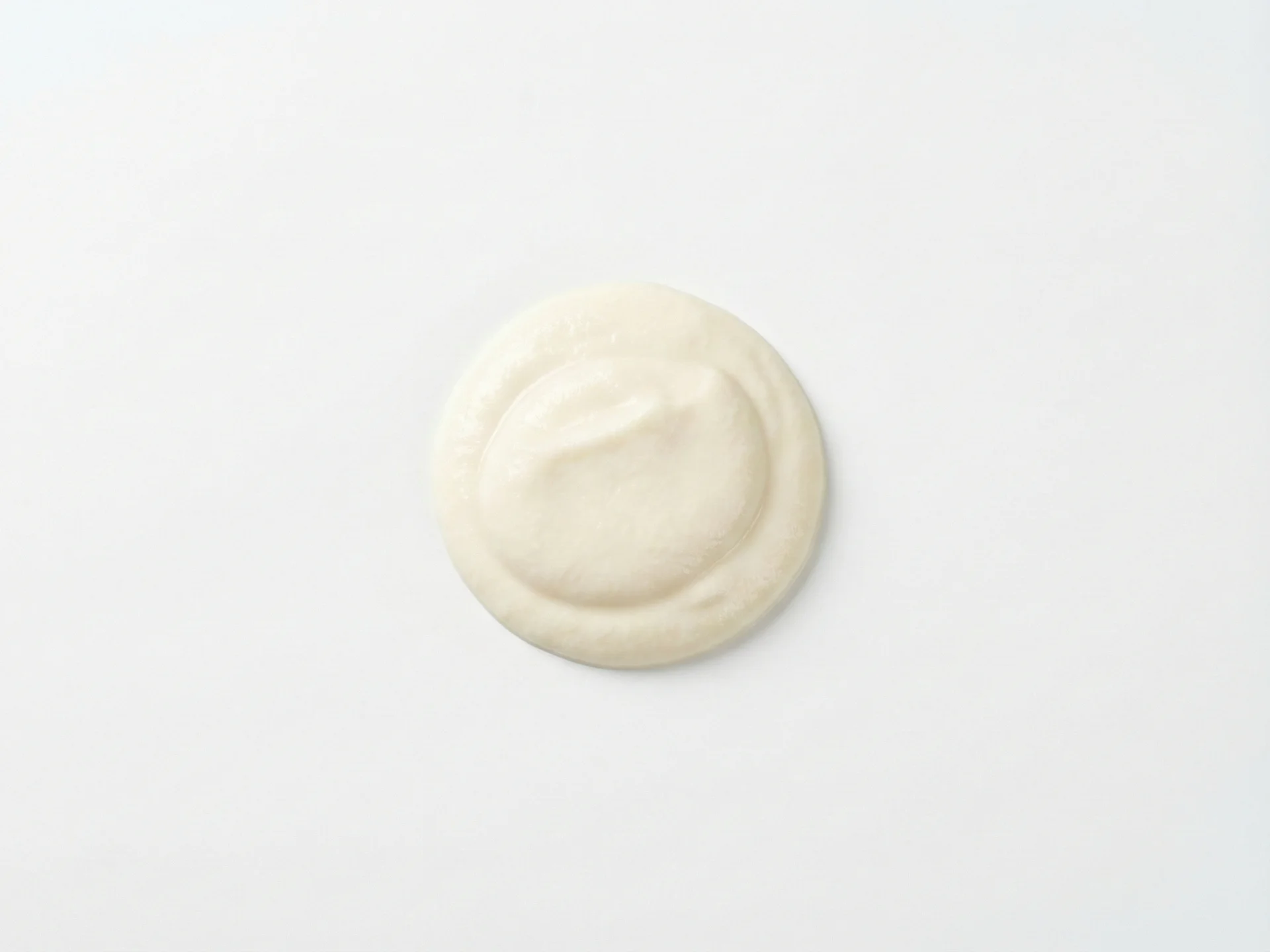
Your baby can now practice scooping soy yogurt with a spoon independently. You can offer it in a suction bowl to prevent spills and mix it with soft fruits or cereals to create more complex textures. The yogurt can be slightly thicker as chewing skills develop.9 months +

Your baby can now practice scooping soy yogurt with a spoon independently. You can offer it in a suction bowl to prevent spills and mix it with soft fruits or cereals to create more complex textures. The yogurt can be slightly thicker as chewing skills develop.

  • Encourage self-feeding with child-sized utensils
  • Mix with mashed fruits for added nutrition
  • Use as a dip for soft vegetable sticks
  • Offer in small portions to prevent overwhelming
  • Continue to avoid added sugars and artificial flavors

Safety & allergens

Choking risk: Low

Soy yogurt is naturally soft and smooth, so it has a low choking risk. For younger babies, serve it plain or mixed with other purees. As your baby gets older, you can add small, soft mix-ins like mashed banana or finely chopped soft fruits, but avoid hard chunks that could pose a risk.

Common allergen

Soy allergy affects about 0.4% of infants and young children, making it less common than some other food allergies but still important to monitor3.

Watch for symptoms:

  • Hives
  • Itchy skin or mouth
  • Swelling of lips or face
  • Digestive upset (vomiting, diarrhea)
  • Difficulty breathing

Introduce soy yogurt by offering a small amount (about 1/2 teaspoon) and watch for any reactions over the next 2-3 days4. If there's no reaction, you can gradually increase the amount. Always consult your pediatrician if you have concerns about allergies or if your baby has eczema or other allergic conditions.

Vitamins & minerals

Soy yogurt provides calcium, which is essential for building strong bones and teeth in growing babies1. It also contains protein to support muscle and tissue development2, and many brands are fortified with vitamin D to help with calcium absorption5. The potassium in soy yogurt supports healthy heart function and fluid balance6.

Vitamins
Vitamin B2Vitamin B12Vitamin D
Minerals
CalciumPhosphorusPotassium

Nutritional synergy

Pair soy yogurt with vitamin C-rich fruits like strawberries or oranges to enhance iron absorption if you're serving it with iron-fortified cereals or other iron-containing foods7.

Common questions

How do I choose a good soy yogurt for my baby?

Look for plain, unsweetened varieties with minimal ingredients—ideally just soy and live cultures. Avoid yogurts with added sugars, artificial flavors, or thickeners like carrageenan, which can be hard on little tummies.

What if my baby doesn't like the tangy taste of soy yogurt?

Try mixing it with a familiar fruit puree like apple or pear to sweeten it naturally. It can take 10-15 exposures for babies to accept new flavors, so keep offering small amounts without pressure.

Can soy yogurt cause digestive issues like gas or constipation?

Some babies might experience mild gas as their digestive system adjusts to soy, but this usually resolves on its own. Soy yogurt contains probiotics that can support gut health8. If you notice persistent issues, consult your pediatrician.

Sources & references

  1. 1NIH Office of Dietary Supplements, 2023
  2. 2American Academy of Pediatrics, 2021
  3. 3Sicherer et al., 2014
  4. 4American Academy of Allergy, Asthma & Immunology, 2020
  5. 5NIH Office of Dietary Supplements, 2022
  6. 6Harvard T.H. Chan School of Public Health, 2023
  7. 7Lynch et al., 2018
  8. 8Guarner et al., 2017